Duomo di Siena
Cathedral, Church and Religious Building in Siena
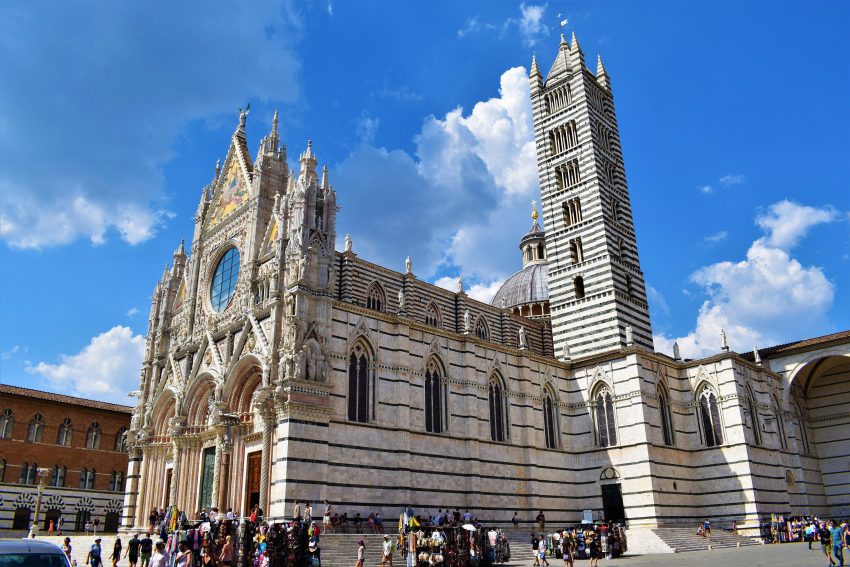
The Duomo di Siena (Siena Cathedral) is the city's showpiece: a striped black-and-white Gothic cathedral set high in Siena's historic center, just uphill from Piazza del Campo. Even before you step inside, the façade's carvings and statues signal that this is not a “quick look” church—it's a full-on art-and-architecture destination.
Most visitors reach the Duomo as part of a walking tour through Siena's medieval lanes, and it's one of the best places in town to combine big-ticket masterpieces with classic Tuscan views. Pair it with the Piccolomini Library and, if you have time, the Opera Museum and the Facciatone viewpoint for a skyline moment you'll remember.
Table of Contents
- History and Significance of the Duomo di Siena
- Things to See and Do in the Duomo di Siena
- How to Get to the Duomo di Siena
- Practical Tips on Visiting the Duomo di Siena
- Where to Stay Close to the Duomo di Siena
- Is the Duomo di Siena Worth Visiting?
- For Different Travelers
- FAQs for Visiting Duomo di Siena
- Nearby Attractions to the Duomo di Siena
History and Significance of the Duomo di Siena
The Duomo di Siena is dedicated to the Assumption of the Virgin Mary and reflects Siena's medieval ambition to rival its neighbors in wealth, power, and artistic prestige. Built and expanded across centuries, it became a civic symbol as much as a religious one—an architectural statement in marble, sculpture, and light.
One of the most fascinating chapters is the city’s 14th-century plan to dramatically enlarge the cathedral (the “Duomo Nuovo” project). The effort was ultimately abandoned, but the remnants of that grand vision still shape the experience today—especially when you climb to the Facciatone, the unfinished façade that now functions as a panoramic terrace.
Beyond architecture, the Duomo complex is significant because it gathers multiple “must-see” spaces into one visit: the cathedral interior, the jewel-box Piccolomini Library, and the museum holdings that preserve major works once created for Siena's religious and civic life.
Things to See and Do in the Duomo di Siena
Start with the cathedral interior: the dramatic black-and-white columns, the sculpted pulpit, and the overall sense of layered craftsmanship make it easy to spend time simply looking up and around. If the marble inlay floor is uncovered during your visit, it becomes a centerpiece—plan extra time because it draws crowds and slows the pace.
Do not skip the Piccolomini Library. It's one of the most “wow-per-square-meter” rooms in Siena, with vivid frescoes and a richly decorated ceiling that feels closer to a royal chamber than a side chapel. It's also a great stop for travelers who want high impact without a long museum-style read of labels.
If you're building a half-day around the Duomo, add the Museo dell'Opera and the Facciatone viewpoint. The museum provides context and major artworks, while the climb rewards you with a sweeping view over Siena's rooftops and the Tuscan countryside—especially beautiful in late afternoon light.
How to Get to the Duomo di Siena
The nearest major airports are Florence (Amerigo Vespucci) and Pisa (Galileo Galilei), with Rome also possible if you're building a longer Italy itinerary. For the best deals and a seamless booking experience, check out these flights to Siena on Booking.com.
Siena is well connected by rail via Florence and other Tuscan hubs; from Siena train station you can continue by local bus, taxi, or a brisk uphill walk into the historic center. Use Omnio to easily compare schedules, book train tickets, and find the best prices all in one place for a hassle-free journey across Italy.
If you’re traveling by car, remember the Duomo sits inside the ZTL (limited traffic zone), so plan to park outside the center and walk in rather than trying to drive to the cathedral doors. If you are looking to rent a car in Italy I recommend having a look at Discover Cars, first, as they compare prices and review multiple car rental agencies for you.
Practical Tips on Visiting the Duomo di Siena
- Official website: https://operaduomo.siena.it/en/visiting/
- Entrance fee: OPA SI PASS (valid 3 consecutive days): Adults: €14 (January 1 – June 26; August 1 – August 17; October 16 – December 31); Adults: €16 (June 27 – July 31; August 18 – October 15); Children 7–11: €3; Under 7: free.
- Opening hours: (Winter) January 7 – March 31, 2026: Monday – Saturday: 10:30–17:30; Sunday & Public Holidays: 13:30–17:30. (Summer) April 1 – October 31, 2026: Monday – Saturday: 10:00–19:00; Sunday & Public Holidays: 13:30–18:00.
- Best time to visit: Aim for the first entry slot of the day or a weekday afternoon to avoid peak tour groups. Sundays often have reduced visiting hours, so plan around that.
- How long to spend: Budget 60–90 minutes for the cathedral and Piccolomini Library, or 2–4 hours if you're also doing the museum and panoramic viewpoint.
- Accessibility: There is a dedicated ramp for cathedral access, but parts of the wider complex can be challenging due to stairs and historic layouts. If mobility is a concern, confirm which areas are currently accessible before you go.
- Facilities: Expect ticket offices and a bookshop within the Duomo complex area, plus plenty of cafés nearby in the historic center for a break before or after your visit.
Where to Stay Close to the Duomo di Siena
Base yourself in Siena's historic center to be within easy walking distance of the Duomo, Piazza del Campo, and the city's best evening atmosphere.
Grand Hotel Continental Siena – Starhotels Collezione A classic splurge option in a prime central location, ideal if you want an elegant, old-world stay and the ability to walk everywhere.
Hotel Athena A favorite for travelers who want a comfortable, full-service hotel with easy access to the center and a bit more breathing room than the tightest lanes.
Palazzo Ravizza A charming, traditional choice with a historic feel—great for travelers who want Siena character without sacrificing comfort.
Hotel Chiusarelli A practical mid-range base that works well for short stays, especially if you want straightforward logistics and good value near the center.
NH Siena Reliable and convenient for transport connections and walking access, a strong pick if you prefer a modern chain standard while still being close to the action.
Is the Duomo di Siena Worth Visiting?
Yes—if you're in Siena, the Duomo is a non-negotiable stop. It delivers on every level: exterior drama, interior artistry, and a broader complex that can easily fill a half-day without feeling repetitive.
Honest Pivot: If you're cathedral-ed out from Florence or Rome and you're only in Siena for a quick pass-through, consider prioritizing Piazza del Campo and a scenic walk instead. Also, travelers who dislike crowds or timed-entry logistics may find the Duomo experience more enjoyable early in the day rather than at midday.
What Other Travellers Say...

13th-century structure famed for its facade & its marble stripes in symbolic black & white.


For Different Travelers
The Duomo complex can be tailored to different travel styles: you can keep it short and iconic, or turn it into a deeper art-and-history visit with museum spaces and viewpoints.
Families with Kids
Kids often respond best to the “big visual” elements: the striped marble, the sense of scale, and the treasure-room feel of the Piccolomini Library. Keep the visit moving with a simple scavenger-hunt approach (animals, symbols, colors) rather than trying to read every panel.
If your family has energy for stairs, the panoramic viewpoint can be a highlight because it turns the visit into an adventure with a clear payoff. Plan a gelato stop afterward—Siena’s lanes make for an easy reward loop.
Couples & Romantic Getaways
For couples, the Duomo is a perfect anchor for a slow day in Siena: a morning visit, a long lunch, and a golden-hour walk with views. The Facciatone terrace is especially romantic if you time it for softer late-afternoon light.
If you enjoy art together, the Duomo complex also offers a shared “museum moment” without requiring a full-day commitment. You can keep it intimate by visiting early, then wandering the quieter streets behind the cathedral.
Budget Travelers
Budget travelers can still get a lot out of the Duomo area by focusing on the exterior, the surrounding streets, and viewpoints around the historic center. If you do buy a ticket, consider whether a combined pass makes sense for your pace—sometimes it’s better value if you’ll actually use the included sites.
Bring a refillable water bottle and plan a picnic-style lunch from a bakery or market-style shop to keep costs down. Siena is compact, so you can build a full day of walking around one paid attraction.
History Buffs
History lovers will appreciate how the Duomo reflects Siena’s medieval identity and its competition-driven ambition. The unfinished expansion project adds a layer of “what might have been” that makes the complex feel like a living historical document.
To deepen the visit, pair the cathedral with the museum spaces and read a bit about Siena’s civic-religious institutions before you go. You’ll notice more in the iconography, the patronage choices, and the way the complex is woven into the city’s power story.
FAQs for Visiting Duomo di Siena
Getting There
Tickets & Entry
Visiting Experience
Tours, Context & Itineraries
Photography
Accessibility & Facilities
Food & Breaks Nearby
Safety & Timing
Nearby Attractions to the Duomo di Siena
- Piazza del Campo: Siena's famous shell-shaped main square, perfect for people-watching and soaking up the city's civic heart.
- Torre del Mangia: A landmark tower climb with sweeping views that complements the Duomo's panoramic spots.
- Santa Maria della Scala: A vast former hospital complex turned museum space, packed with art and atmospheric rooms.
- Battistero di San Giovanni: The cathedral's baptistery area, often visited as part of the Duomo complex experience.
- Via di Città: A classic central street for strolling, shopping, and connecting the Duomo area with Piazza del Campo.
The Duomo di Siena appears in our Complete Guide to Visiting Siena!

Moira & Andy
Hey! We're Moira & Andy. From hiking the Camino to trips around Europe in Bert our campervan — we've been traveling together since retirement in 2020!
This website uses affiliate links which may earn a commission at no additional cost to you!
Planning Your Visit
(Winter) January 7 - March 31, 2026: Monday - Saturday: 10:30-17:30; Sunday & Public Holidays: 13:30-17:30.
(Summer) April 1 - October 31, 2026: Monday - Saturday: 10:00-19:00; Sunday & Public Holidays: 13:30-18:00.
OPA SI PASS (valid 3 consecutive days): Adults: €14 (January 1 - June 26; August 1 - August 17; October 16 - December 31); Adults: €16 (June 27 - July 31; August 18 - October 15); Children 7-11: €3; Under 7: free.
Nearby Attractions
- Santa Maria of Scala Hospital Museum (0.0) km
Historic Building, Historic Site and Museum - Biblioteca Piccolomini (0.0) km
Cathedral, Historic Room and Library - Museo dell'Opera del Duomo & Facciatone (0.1) km
Museum, Tower and Viewing Point - Cripta del Duomo di Siena (0.1) km
Attraction, Cathedral and Museum - Battistero di San Giovanni (0.1) km
Baptistery, Cathedral and Religious Building - Via di Città (0.2) km
Area, Street and Walk - Palazzo Chigi Saracini (0.2) km
Arts Venue, Historic Building and Palace - Pinacoteca Nazionale (0.3) km
Attraction, Gallery and Museum - Fonte Gaia (0.3) km
Attraction, Fountain and Square - Basilica of San Domenico (0.3) km
Basilica and Church