Duomo di Padova
Cathedral in Padova
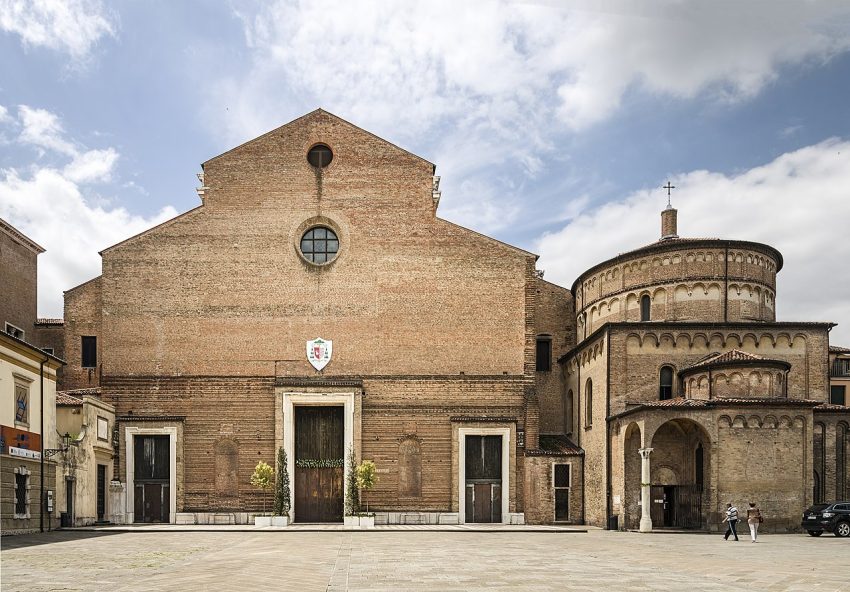
The Duomo di Padova, or Padua Cathedral, sits quietly at the eastern edge of Piazza Duomo, yet it has been the city's spiritual anchor for more than 1,500 years. Dedicated to the Assumption of the Virgin Mary, this cathedral is the seat of the Bishop of Padua and one of the top sights in Padua for travellers interested in the city beyond its famous Saint Anthony Basilica. The present building, largely rebuilt after the devastating 1117 earthquake, may look relatively restrained from the outside, but step inside and you find a bright, solemn interior that reflects centuries of worship, rebuilding and refinement.
What makes a visit here especially rewarding is the trio of religious and artistic buildings gathered on the same square. Right beside the Duomo stands the Baptistery of Padua, its walls and dome completely covered in glorious 14th-century frescoes by Giusto de' Menabuoi, while the adjoining Diocesan Museum showcases altarpieces, reliquaries and religious art from across the diocese. Together they offer a deep dive into faith, art and local history in a corner of the city that feels lived-in, atmospheric and a highlight of any walking tour of Padua.
Table of Contents
- History and Significance of the Duomo di Padova
- Things to See and Do in the Duomo di Padova
- How to Get to the Duomo di Padova
- Practical Tips on Visiting the Duomo di Padova
- Where to Stay close to the Duomo di Padova
- Is the Duomo di Padova Worth Visiting
- FAQs for Visiting Duomo di Padova
- Nearby Attractions to the Duomo di Padova
History and Significance of the Duomo di Padova
The story of the Duomo di Padova stretches back to the 4th century, when the first cathedral was established on this site as Christianity took root in the Roman city of Patavium. Over time, successive churches grew in scale and ambition, reflecting Padua's growing importance as a religious and intellectual centre. The medieval cathedral that stood here by the 11th century was almost entirely destroyed in the great earthquake of 1117, a disaster that reshaped much of northern Italy and triggered widespread rebuilding.
In the aftermath, Padua’s leaders set about reconstructing their cathedral, using elements of the earlier structure but adopting new architectural forms as styles evolved from Romanesque towards Renaissance and Baroque. The result is the layered building you see today: a sober, almost fortress-like exterior that opens into a spacious interior with high vaults, side chapels and altars that bear the marks of different eras. This is not a single architect’s vision but a palimpsest of centuries of devotion, rebuilding and subtle change.
Beyond its architecture, the Duomo remains central to the city’s spiritual and ceremonial life. Major liturgies, diocesan events and local celebrations are held here, and the cathedral continues to serve as the bishop’s seat. The presence of the Baptistery and Diocesan Museum next door only deepens its significance, turning Piazza Duomo into a compact district where you can trace the evolution of Christian art and belief in Padua from the Middle Ages to the present day.
Things to See and Do in the Duomo di Padova
Step inside the Duomo and let your eyes adjust to the soft light filtering through the windows. The interior is spacious and relatively uncluttered, with clean lines that draw your gaze towards the main altar and apse. Take time to walk slowly up the central nave, noticing the rhythm of columns, side chapels and decorative details that reveal different phases of the cathedral’s long history. Even without the lavish decoration of some Italian churches, there is a quiet grandeur here that rewards unhurried exploration.
Visit the side chapels and altars to appreciate paintings, sculptures and devotional objects that have been placed here over the centuries. Some chapels reflect Baroque tastes, with rich marbles and gilding, while others are more restrained, focusing attention on a single artwork or crucifix. Look out for memorials and inscriptions on the walls and floors, which hint at the lives of bishops, nobles and ordinary citizens whose stories are woven into the cathedral’s fabric.
After exploring the main church, head next door to the Baptistery of Padua. Its interior is a jewel box of frescoes, with Giusto de’ Menabuoi’s 14th-century cycle covering every surface in scenes from the Bible and the lives of saints. Standing beneath the domed ceiling, with its swirling heavenly court, is a striking contrast to the more austere cathedral and one of the best places to visit in Padua if you love medieval art. Then continue to the Diocesan Museum in the former bishop’s residence, where you can see liturgical objects, paintings and sculptures that once adorned churches and chapels across the diocese, presented with helpful interpretation in an atmospheric historic setting.
When you step back out into Piazza Duomo, pause to take in the ensemble of cathedral, baptistery and palace framed by the quiet square. It is easy to combine your visit here with a stroll to nearby piazzas and streets, but many visitors find themselves lingering a little longer, sitting on a bench and watching the gentle rhythm of local life unfold around this long-standing spiritual centre.
How to Get to the Duomo di Padova
Padua is well connected by air via nearby cities. The closest major airport is Venice Marco Polo, with Treviso Airport also serving many low-cost carriers; from either, it is straightforward to reach Padua by shuttle, bus or train via Mestre or Venice. For the best deals and a seamless booking experience, check out these flights to Padova on Booking.com.
By train, Padova railway station sits on the main high-speed and regional lines between Venice, Milan, Bologna and Verona, with frequent services throughout the day. Use Omnio to easily compare schedules, book train tickets, and find the best prices all in one place for a hassle-free journey across Italy. From the station you can walk to the Duomo in about 20-25 minutes through the historic centre, or take the tram or a local bus towards the old town and then continue on foot, following signs to Piazza Duomo.
If you are travelling by car, Padua lies close to the A4 and A13 motorways, with well-marked exits leading into the city and towards central parking areas. If you are looking to rent a car in Italy I recommend having a look at Discover Cars, first, as they compare prices and review multiple car rental agencies for you. Park in one of the car parks around the edge of the historic centre, then explore on foot; the Duomo is easily reached by following the signs or a map towards Piazza Duomo, and the compact layout of the old town means you will pass other key sights along the way.
Practical Tips on Visiting the Duomo di Padova
- Suggested tips: Dress modestly with shoulders and knees covered, speak quietly inside and avoid visiting during mass if you only want to sightsee; check for any posted signs indicating restricted areas.
- Best time to visit: Late morning or mid-afternoon on weekdays is usually calmer, while early evening can be particularly atmospheric when the light softens in Piazza Duomo.
- Entrance fee: Bishop's Palace & Diocesan Museum: Full ticket €8.00; Baptistry with Audio Guide: €15.00
- Opening hours: Daily 10.00 to 13.00 and 14.00 to 18.00 (Monday afternoon only)
- Official website: https://www.museodiocesanopadova.it/cosa-vedere/basilica-cattedrale/
- How long to spend: Allow 30-45 minutes for the cathedral itself, plus at least another hour if you plan to visit the Baptistery and Diocesan Museum.
- Accessibility: The main entrance typically has level or gently sloping access, but some side chapels and museum areas may involve steps; if mobility is a concern, ask on site about accessible routes.
- Facilities: There are no cafés inside, but you will find plenty of bars, restaurants and shops in the streets around Piazza Duomo; restrooms are usually available in the museum or nearby venues.
- Photography tip: Respect any signage about photography; if allowed, focus on wide shots down the nave and details of side chapels, then capture the trio of cathedral, baptistery and palace from the centre of the square outside.
- Guided tours: Consider a guided walking tour of Padua's religious sites that includes the Duomo, Baptistery and Basilica of Saint Anthony for richer context and access to specialist insights.
- Nearby food options: Use the cathedral as a starting point and wander into the nearby streets, where you will find traditional osterie, cafés and gelaterie popular with locals and students.
Where to Stay close to the Duomo di Padova
Staying near the Duomo di Padova puts you in a quieter, atmospheric corner of the historic centre while still being within easy reach of other major sights. A particularly convenient option is Hotel Al Prato, which sits near the vast Prato della Valle square and is a pleasant walk from Piazza Duomo and the cathedral. For a more intimate boutique feel close to many of Padua's churches and museums, Hotel Belludi 37 offers stylish rooms within walking distance of both the Duomo and the Basilica of Saint Anthony. Another well-located choice is Hotel Donatello, ideal if you want to stay close to the pilgrimage area yet still be able to stroll easily to Piazza Duomo and the rest of the old town.
Is the Duomo di Padova Worth Visiting
The Duomo di Padova is definitely worth including in your Padua itinerary, especially if you enjoy exploring places that reveal their importance through atmosphere rather than spectacle alone. While it may not be as outwardly ornate as the Basilica of Saint Anthony, it offers a calmer, more local sense of faith and continuity, anchored in a history that stretches back to the earliest centuries of Christianity in the city.
Taken together with the frescoed Baptistery and the Diocesan Museum, a visit here gives you a rounded picture of religious art and architecture in Padua, from medieval fresco cycles to later devotional objects. It is also a natural stop as you wander through the old town, and many travellers find that returning to Piazza Duomo at different times of day adds depth and variety to their experience of the city. For anyone interested in Padua’s spiritual and artistic story, the Duomo is one of the must-see places in Padua.
What Other Travellers Say...

Battistero di San Giovanni Battista - visita con Kalatùà sits on Piazza Duomo in Padova and pairs a simple, elegant cathedral interior with an ornate baptistery; visitors praise the intimate, peaceful atmosphere and single out Giusto de' Menabuoi's frescoes—especially the dome—as the highlight, while some find the main nave plainer than other Italian cathedrals.


FAQs for Visiting Duomo di Padova
Nearby Attractions to the Duomo di Padova
- Baptistery of Padua: A small but spectacular baptistery next to the cathedral, entirely covered in 14th-century frescoes by Giusto de’ Menabuoi.
- Diocesan Museum of Padua: Housed in the former bishop’s palace on Piazza Duomo, with an important collection of religious art and artefacts.
- Basilica of Saint Anthony of Padua: One of Italy's most important pilgrimage churches, with richly decorated chapels and cloisters.
- Palazzo della Ragione: A vast medieval town hall with a remarkable wooden roof and historic frescoes, set between lively market squares.
- Prato della Valle: One of Europe's largest squares, a green island encircled by a canal and statues, perfect for a stroll before or after your cathedral visit.
The Duomo di Padova appears in our Complete Guide to Visiting Padova!

Moira & Andy
Hey! We're Moira & Andy. From hiking the Camino to trips around Europe in Bert our campervan — we've been traveling together since retirement in 2020!
This website uses affiliate links which may earn a commission at no additional cost to you!
Planning Your Visit
Daily 10.00 to 13.00 and 14.00 to 18.00 (Monday afternoon only)
Bishop’s Palace & Diocesan Museum: Full ticket €8.00; Baptistry with Audio Guide: €15.00
Nearby Attractions
- Torre dell'Orologio (0.1) km
Tower - Piazza dei Signori (0.2) km
Square - Palazzo della Ragione (0.3) km
Historic Building and Market - Palazzo Bo (0.4) km
Historic Building and Palace - Cafe Pedrocchi (0.4) km
Historic Building - La Specola (0.5) km
Historic Building and Museum - Ponte Molino (0.6) km
Bridge and Historic Building - MUSME - Museum of the History of Medicine (0.7) km
Museum - Chiesa degli Eremitani (0.7) km
Church - Palazzo Zuckermann (0.7) km
Historic Building and Museum