Duncansby Head, Caithness
Lighthouse near Caithness
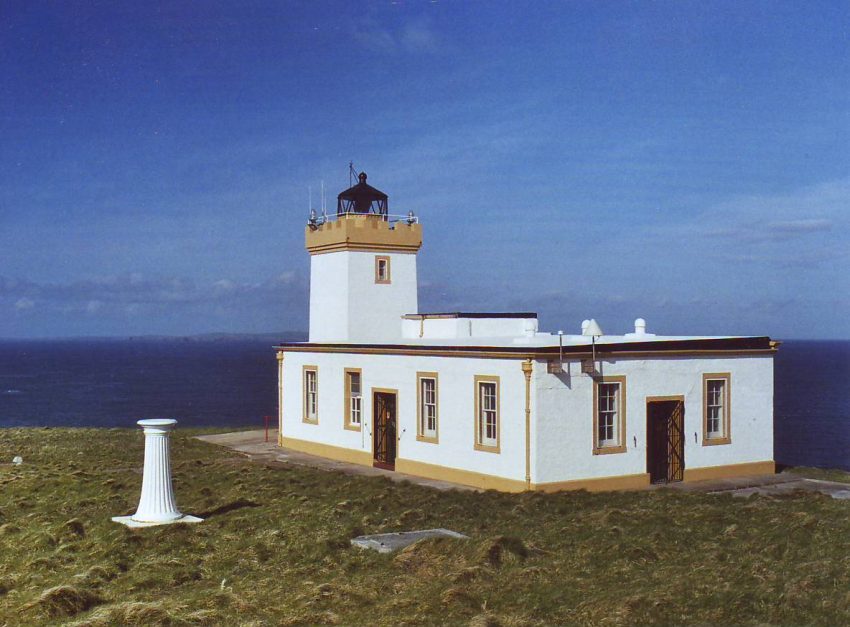
Duncansby Head is one of the top attractions in John o' Groats, a windswept headland where rugged cliffs plunge into the North Sea and seabirds circle above the crashing waves. Located slightly northeast of the famous village and about 20 km east-southeast of Dunnet Head, this dramatic point is the true far northeast of the British mainland. Its raw beauty, abundant wildlife, and the iconic Duncansby Stacks make it a standout destination in Caithness.
A highlight of any tour around John o' Groats and its surrounding coastline, Duncansby Head offers some of the most unforgettable scenery in northern Scotland. From the lighthouse to the towering stacks and the coastal paths stretching south toward Skirza Head, this is a place where the elemental power of nature is on full display.
History and Significance of Duncansby Head
While often overshadowed by Dunnet Head-the northernmost point of mainland Britain-Duncansby Head holds the title of the most north-easterly. Its cliffs face directly onto the North Sea, with the Pentland Firth and Moray Firth converging around its dramatic headlands. The location has been important for navigation for centuries, with the Duncansby Head Lighthouse guiding vessels through treacherous waters since the 1920s.
The coastline surrounding Duncansby Head is designated a Site of Special Scientific Interest (SSSI), highlighting its geological, ecological, and scenic importance. The 6.5-kilometre stretch south to Skirza Head includes seabird nesting cliffs, distinctive rock formations, and fragile habitats shaped by constant wind and wave action.
Things to See and Do in Duncansby Head
The star attraction is the Duncansby Stacks-enormous, needle-like sea stacks rising sharply from the ocean just south of the headland. Formed by millennia of erosion, these dramatic rock towers are among the most iconic natural landmarks in northern Scotland. A short, scenic walk from the lighthouse leads to breathtaking viewpoints over both the stacks and the rugged cliffs that line the coast.
Birdwatching is superb here, with fulmars, kittiwakes, puffins (in season), guillemots, and razorbills nesting along the cliff edges. The lighthouse area provides excellent vantage points, and the coastal paths offer countless opportunities for photography.
The wider headland rewards exploration with sweeping views over the Pentland Firth, the Orkney Islands, and the endlessly changing northern sky.
How to Get There
Duncansby Head is about 2 miles (3 km) from John o' Groats and is best reached by car via a short drive along the coastal road. Visitors arriving by train can travel to Wick Station and reach Duncansby Head by taxi or local bus toward John o' Groats. Train schedules and bookings can be found on Omio. Those flying regionally can use Wick John O'Groats Airport for access to Caithness. For the best deals and a seamless booking experience, check out these flights to Caithness on Booking.com.
Practical Tips on Visiting Duncansby Head
- Best time to visit Duncansby Head: Late spring to early summer for puffins and clear coastal views.
- Entrance fee in Euros: Free.
- Opening hours: Open year-round; daylight visits recommended.
- Official website: VisitScotland provides local information.
- How long to spend: 1-2 hours for the lighthouse and stack viewpoints.
- Accessibility: Exposed clifftop paths; caution essential in windy weather.
- Facilities: Limited; parking available near the lighthouse.
- Photography tip: Walk south of the lighthouse for the best angle on the stacks.
- Guided tours: Occasionally available through northern Scotland tour operators.
- Nearby food options: Cafés and restaurants in nearby John o' Groats.
Where to Stay close to Duncansby Head
John o' Groats and Wick both offer suitable bases for exploring the headland. For comfort and convenience, consider Seaview Hotel within a short drive of the coast. In Wick, Mackays Hotel provides a warm welcome and easy access to regional attractions. For a more dramatic coastal retreat, Ackergill Tower Hotel offers a unique setting along the Caithness shoreline.
Is Duncansby Head Worth Visiting?
Yes-Duncansby Head is absolutely worth visiting. With its sweeping views, dramatic cliffs, and unforgettable sea stacks, it delivers some of the finest coastal scenery in Scotland. Whether you're a photographer, wildlife enthusiast, or coastal walker, this headland offers an experience that feels truly elemental.
What Other Travellers Say...

Duncansby Head Lighthouse sits on a windswept promontory near Wick, offering dramatic cliff-top coastal views and access to walks that continue along the coast toward Keiss and beyond; visitors note a short walk to the light, limited parking at peak times, fenced-off lighthouse grounds with informational signs, the striking Duncansby Stacks nearby, and wildlife sightings including seals, dolphins and occasionally orcas—bring sturdy, waterproof footwear for potentially wet, boggy paths.


FAQs for Visiting Duncansby Head
Nearby Attractions to Duncansby Head
- John o' Groats: A famous northern village with coastal walks and wildlife tours.
- Duncansby Stacks: Iconic sea stacks just south of the headland.
- Castle of Mey: A homely royal residence restored by the Queen Mother.
- Castle Sinclair Girnigoe: Dramatic coastal ruins with deep clan history.
- Dunnet Head: The northernmost point of mainland Britain with sweeping views.
The Duncansby Head appears in our Complete Guide to Visiting Caithness!

Moira & Andy
Hey! We're Moira & Andy. From hiking the Camino to trips around Europe in Bert our campervan — we've been traveling together since retirement in 2020!
This website uses affiliate links which may earn a commission at no additional cost to you!
Planning Your Visit
Nearby Attractions
- Noss Head Lighthouse (0) km
Lighthouse - Castle of Mey (11.6) km
Castle and Historic Building - Castle Sinclair Girnigoe (18.6) km
Castle - Dunnet Head & Dunnet Head Lighthouse (20.6) km
Lighthouse, Nature Reserve and Walk - Wick Harbour (22.9) km
Harbour - Wick Heritage Museum (23.0) km
Museum - Castle of Old Wick (24.8) km
Castle - Grey Cairns of Camster (32.6) km
Historic Site - Whaligoe Haven (34.1) km
Natural Phenomenon - Forsinard Flows National Nature Reserve (60.5) km
Nature Reserve