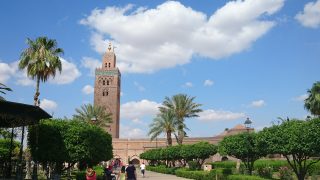
Dar el Bacha, Marrakesh
Historic Building and Museum in Marrakesh
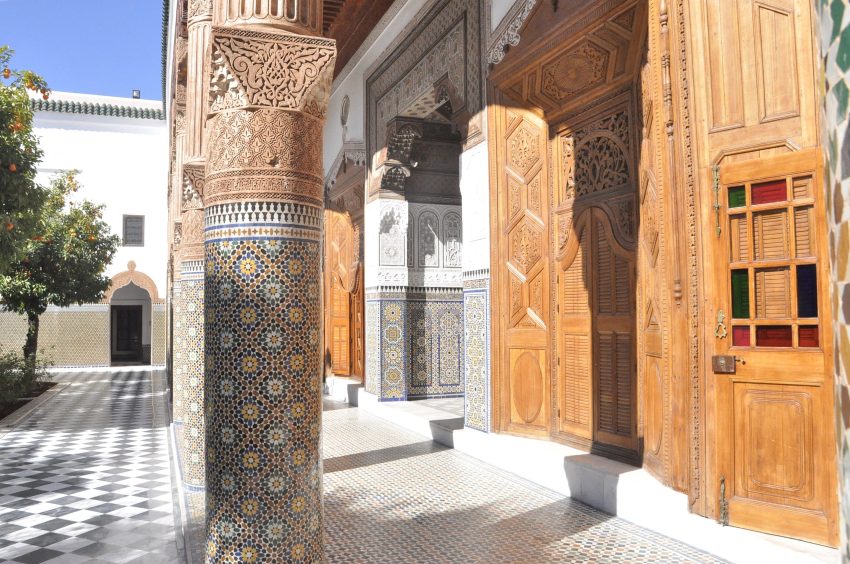
Dar el Bacha - Musée des Confluences is where Marrakech's political, cultural, and social histories quietly intersect. Built in 1910 as the residence of Thami El Glaoui, the powerful pasha of Marrakech under French rule, the palace was designed to impress visiting dignitaries with its orange-tree courtyards, zellij-covered walls, and elegant salons. Today, it has been transformed into a museum that explores Moroccan culture and global connections, while still preserving the atmosphere of a lavish private home. Stepping through its doors, it is easy to see why many consider it one of the top attractions in Marrakech.
The experience, though, is not just about the past. Inside the palace, the celebrated Bacha Coffee House recreates the glamour of period cafés with high ceilings, polished wood, and a menu dedicated to single-origin arabica coffee from around the world. The museum's exhibitions, which have ranged from displays of objects from Jewish, Christian, and Muslim places of worship to thematic journeys through Moroccan craft, mean there is always something more to discover. This combination of architecture, storytelling, and coffee ritual makes Dar el Bacha a great place to visit on a walking tour of Marrakech, especially when you are ready for a slower, more reflective pause between the medina's busier sights.
Table of Contents
History and Significance of the Dar el Bacha
Dar el Bacha was built in 1910 for Thami El Glaoui, who would soon be appointed pasha of Marrakech by Sultan Moulay Youssef in 1912. As the effective ruler of southern Morocco under the French Protectorate, El Glaoui wielded immense power and wealth, and his palace in the medina reflected that status. Its architecture blended traditional Moroccan layout and decoration with subtle European influences, especially in its more ostentatious exterior façades and reception spaces. This was a house meant to impress ambassadors, artists, and politicians alike.
Over the years, Dar el Bacha welcomed a remarkable list of guests. Writers, musicians, and political figures such as Colette, Maurice Ravel, Charlie Chaplin, Josephine Baker, and Winston Churchill all passed through its courtyards and salons. The palace became one of the private stages on which Morocco's 20th-century story played out, with alliances brokered, favours granted, and reputations cemented under painted ceilings and in shaded riads. Even as political winds shifted, the house remained a symbol of the Glaoui family's influence and cosmopolitan reach.
After independence, Dar el Bacha eventually passed out of private hands and into public stewardship. It was renovated by the Fondation nationale des musées (FNM) and reopened in 2017 as Dar El Bacha - Musée des Confluences, in the presence of King Mohammed VI. The name “museum of confluences” reflects its mission: to explore the meeting points between different cultures, religions, and artistic traditions, using both the palace's own history and its curated exhibitions. In this way, Dar el Bacha has transformed from a private seat of power into a public space for dialogue and discovery.
Things to See and Do in the Dar el Bacha
The central courtyard is the heart of Dar el Bacha. Here, a traditional Moroccan garden layout unfolds: orange trees casting dappled shade, a fountain providing soft background sound, and tiled walkways guiding you between seating areas and doorways. This courtyard is an ideal place to pause, breathe, and take in how geometry, colour, and water work together in Moroccan palace design. From here, rooms and halls open in all directions, each revealing a new layer of decoration.
Inside, the palace dazzles with its details. Carved and painted cedar-wood doors lead to salons with black-and-white checkered marble floors, ceilings covered in colourful zellij mosaics, and columns painted with natural pigments like indigo, saffron, and poppy. Some spaces retain a distinctly domestic feel, helping you imagine life here when the pasha and his guests moved between reception rooms, private quarters, and the hammam. Other rooms are now dedicated to temporary exhibitions that highlight aspects of Moroccan culture or place local artefacts in dialogue with objects from other parts of the world.
One of the most memorable experiences at Dar el Bacha is a visit to the Bacha Coffee House. Set within the palace, this café pays homage to the golden age of coffee houses with an emphasis on carefully sourced arabica beans and ritualised preparation. Whether you choose a single-origin coffee served with traditional accompaniments or simply enjoy the surroundings, it is an atmospheric way to end (or punctuate) your visit. Together, the museum and café make Dar el Bacha a place you can savour slowly rather than rush through.
How to Get to the Dar el Bacha
To reach Dar el Bacha, you will first need to travel to Marrakech. Most international visitors arrive via Marrakech Menara Airport, which is just a short drive from the city centre and is served by frequent flights from major European and Moroccan cities. For the best deals and a seamless booking experience, check out these flights to Marrakesh on Booking.com. From the airport, taxis and pre-booked transfers can bring you towards the medina; asking to be dropped near Dar el Bacha or the Dar El Bacha district in the old city is usually understood by drivers.
If you are already in Morocco, Marrakech is well connected by train to cities such as Casablanca, Rabat, and Tangier, with services arriving at the main railway station in the new town.Train schedules and bookings can be found on Omio. From the station, a petit taxi ride of around 10-15 minutes will bring you close to the medina's northern quarters; from there, you navigate on foot through narrow streets towards Dar el Bacha, often following signs or local directions. Long-distance buses from other regions also serve the city, and taxis from the bus terminals can similarly bring you to the edge of the old town for the final walk.
Driving directly to Dar el Bacha is not possible, as the medina's lanes are mostly pedestrian and too narrow for cars. Instead, park in one of the guarded car parks near the city walls or main gates and then walk into the medina. The palace is within a comfortable walking distance of many central riads and is easily combined with nearby sights such as the Marrakech Museum, Ben Youssef Madrasa, and the main souks.
Practical Tips on Visiting the Dar el Bacha
- Suggested tips: Plan your visit to include both the museum and the coffee house; reservations for Bacha Coffee can be helpful in busy periods, and it is wise to allow extra time if you want to linger.
- Best time to visit: Late morning or mid-afternoon offer a good balance of light in the courtyards and slightly fewer crowds than the middle of the day.
- Entrance fee: Adults: 70DH
- Opening hours: Tuesday to Sunday: From 9:30 AM to 6:00 PM
- Official website: https://darbacha.com/tickets/
- How long to spend: Allow 1-2 hours to explore the palace rooms and exhibitions; add extra time if you plan to enjoy coffee or a snack at Bacha Coffee.
- Accessibility: The main courtyard and some rooms are on one level, but there may be steps, uneven floors, and limited access to certain areas for visitors with reduced mobility.
- Facilities: On-site facilities include ticketing, museum rooms with written guides, toilets, and the Bacha Coffee House for refreshments in a refined setting.
- Photography tip: Look for compositions that include the painted columns, tiled floors, and carved doors in a single frame, and be mindful of other visitors when photographing inside smaller rooms.
- Guided tours: Guided tours are available by appointment and can greatly enrich your understanding of the pasha’s life, the building’s symbolism, and the stories behind special exhibits.
- Nearby food options: Beyond Bacha Coffee itself, the surrounding streets in the Dar El Bacha quarter and nearby medina are filled with cafés and restaurants where you can enjoy traditional Moroccan dishes or lighter snacks.
Where to Stay close to the Dar el Bacha
Staying near Dar el Bacha places you in one of the most pleasant corners of the medina, close to the souks but slightly removed from the most hectic lanes around Jemaa el-Fnaa. A refined option just a short walk away is Riad Idra, which combines elegant rooms, a peaceful courtyard, and easy access to the museum and nearby cafés. For a boutique feel with thoughtful design, Riad Adika & Spa offers a calm base with a small pool and spa within walking distance of Dar el Bacha and the main souks. Travellers seeking a photogenic, social atmosphere might choose Riad Yasmine, which sits a little further north but still allows you to stroll down to Dar el Bacha while enjoying a quieter neighbourhood.
Is the Dar el Bacha Worth Visiting?
Dar el Bacha is absolutely worth visiting, especially if you enjoy places where architecture, history, and contemporary culture overlap. The palace itself is a beautifully preserved example of early 20th-century Moroccan design, with every courtyard, ceiling, and doorway offering something to admire. Add to that the thoughtful rotating exhibitions and the indulgent experience of Bacha Coffee, and you have a visit that feels both refined and deeply rooted in Marrakech's story, making Dar el Bacha one of the best places to visit in Marrakech for travellers who appreciate both atmosphere and detail.
What Other Travellers Say...

Dar El Bacha Museum, located on Rue Fatima Zahra in Marrakech, is an elegant former palace you can explore for a modest cash-only entry fee; visitors praise its tiled rooms, quiet courtyards and a fragrant courtyard garden with fruit trees, plus small exhibitions on music, rugs and clothing that make for an easy, colorful stroll. Many guests use the museum as a pleasant way to wait for a table at the linked Bacha Coffee—register at reception to get a buzzer and then wander the rooms or sit in the garden—while others highlight the café itself for its refined setting, attentive service and memorable coffee.


FAQs for Visiting Dar el Bacha
Nearby Attractions to the Dar el Bacha
- Marrakech Museum (Dar Mnebhi): A historic palace turned museum showcasing Moroccan art and artefacts around a spectacular central courtyard.
- Ben Youssef Madrasa: A former Islamic college with an iconic tiled courtyard and intricately carved stucco and woodwork.
- Le Jardin Secret: A restored riad garden complex offering greenery, water features, and rooftop views right in the medina.
- Marrakech Souks: The bustling market streets surrounding Dar el Bacha, perfect for exploring textiles, spices, leather, and everyday local life.
- Jemaa el-Fnaa: Marrakech's famous main square with food stalls, performers, and a lively evening atmosphere, reachable on foot through the medina lanes.
The Dar el Bacha appears in our Complete Guide to Visiting Marrakesh!

Moira & Andy
Hey! We're Moira & Andy. From hiking the Camino to trips around Europe in Bert our campervan — we've been traveling together since retirement in 2020!
This website uses affiliate links which may earn a commission at no additional cost to you!
Planning Your Visit
Tuesday to Sunday: From 9:30 AM to 6:00 PM
Adults: 70DH
Nearby Attractions
- Le Jardin Secret (0.3) km
Gardens and Historic Building - Almoravid Koubba (0.5) km
Historic Building - Ben Youssef Madrasa (0.6) km
Madrasa - Marrakech Museum (0.6) km
Museum - Souks of Marrakesh (0.7) km
Market - Jemaa el-Fnaa (0.7) km
Market and Square - Kasbah Mosque (0.9) km
Mosque - Koutoubia Mosque (0.9) km
Mosque - Koutoubia Gardens (Lalla Hassna Park) (0.9) km
Gardens - Dar Si Said (1.2) km
Historic Building and Museum