Cueva de Salamanca
Attraction, Cave and Historic Site in Salamanca
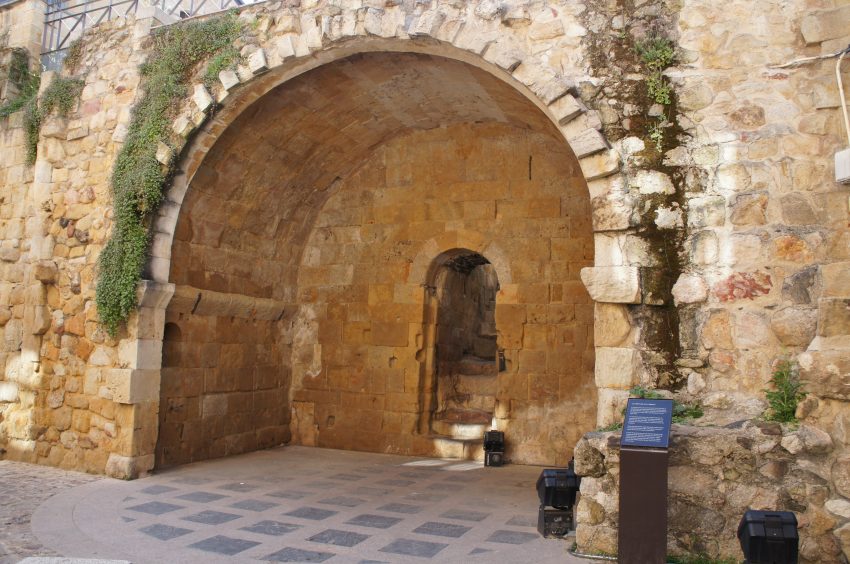
Tucked into Salamanca's historic center, the Cueva de Salamanca is a small underground chamber best known for its legends: locals have long whispered that this was the place where the Devil taught forbidden knowledge. In reality, what you visit today is linked to the remains of the old Church of San Cebrián, giving the site a fascinating mix of folklore and archaeology.
It's an easy stop on a walking tour of Salamanca's Old Town, especially if you're already exploring the riverside lanes near the Roman Bridge and the cathedral area. Pair it with nearby viewpoints and plazas, and you'll get one of the city's most atmospheric “quick visits” with a big story behind it.
Table of Contents
- History and Significance of the Cueva de Salamanca
- Things to See and Do in the Cueva de Salamanca
- How to Get to the Cueva de Salamanca
- Practical Tips on Visiting the Cueva de Salamanca
- Where to Stay Close to the Cueva de Salamanca
- Is the Cueva de Salamanca Worth Visiting?
- For Different Travelers
- FAQs for Visiting Cueva de Salamanca
- Nearby Attractions to the Cueva de Salamanca
History and Significance of the Cueva de Salamanca
The Cueva de Salamanca sits at the crossroads of myth and memory. The enduring legend claims that a mysterious teacher (often identified as the Devil) instructed students in occult arts here, and the tale became so famous that “Salamanca” itself turned into a byword for magical learning in stories far beyond Spain.
Behind the folklore, the site is associated with the former Church of San Cebrián, which no longer stands. What remains is a subterranean space that feels like a fragment of the medieval city preserved beneath street level, making it a compelling stop even if you’re not usually drawn to legends.
The cave’s cultural footprint is surprisingly large for such a small place: it inspired literary references over centuries and still shapes how many visitors experience Salamanca’s “mysterious” side today, especially on evening-themed walking routes.
Things to See and Do in the Cueva de Salamanca
The main draw is the atmosphere: descending into a compact underground chamber and imagining the stories that grew around it. Take a moment to look at the stonework and the sense of enclosure; it’s a quick visit, but it contrasts nicely with Salamanca’s grand, sunlit plazas and cathedral façades.
Outside, the surrounding streets are part of the experience. This is a great place to slow down, wander a little, and connect the dots between Salamanca’s riverside history, its medieval layers, and the storytelling traditions that keep the city’s past feeling alive.
If you enjoy context, consider timing your visit with a guided “legends and mysteries” walking tour. Guides can help you place the cave within Salamanca's broader folklore map and point out nearby corners that most people walk past.
How to Get to the Cueva de Salamanca
The nearest major airports are Madrid-Barajas (MAD) and Valladolid (VLL), with additional options in Porto (OPO) if you're combining Spain and northern Portugal in one trip. For the best deals and a seamless booking experience, check out these flights to Salamanca on Booking.com.
From Madrid and other Spanish cities, Salamanca is straightforward by train; once you arrive, you can reach the historic center by taxi or city bus and then continue on foot. Train schedules and bookings can be found on Omio.
If you're driving, Salamanca is well-connected by highways, and parking is easiest in garages on the edge of the center before walking in to the older streets. If you are looking to rent a car in Spain I recommend having a look at Discover Cars, first, as they compare prices and review multiple car rental agencies for you.
Practical Tips on Visiting the Cueva de Salamanca
- Official website: https://museodesalamanca.org/
- Entrance fee: Adults: €1 (permanent collection); temporary exhibitions: free or €0.60 (when applicable).
- Opening hours: (Summer) July 1 – September 30; Tuesday – Saturday: 10:00–14:00 & 17:00–20:00. Sunday: 10:00–14:00. (Winter) October 1 – June 30; Tuesday – Saturday: 10:00–14:00 & 16:00–19:00. Sunday: 10:00–14:00. Closed on Monday.
- Best time to visit: Go in the morning for quieter lanes and softer light, or near sunset if you’re pairing it with a legends-themed walk.
- How long to spend: Plan 10–20 minutes on-site, plus extra time if you want to wander the nearby streets and viewpoints.
- Accessibility: Expect steps and uneven surfaces typical of an underground historic space; it may be challenging for wheelchairs or anyone who avoids stairs.
- Facilities: Facilities are limited on-site; plan to use cafés and public services in the nearby Old Town.
Where to Stay Close to the Cueva de Salamanca
Base yourself in Salamanca's Old Town (Centro Histórico) so you can walk to the Cueva de Salamanca early or late without relying on transport.
Hotel Rector A small luxury option near the historic core, ideal if you want a quiet, polished stay within easy walking distance of Salamanca’s main monuments.
NH Collection Salamanca Palacio de Castellanos A comfortable, well-located hotel that makes it easy to build a “monuments on foot” itinerary, with a classic Salamanca feel.
Eurostars Las Claras A reliable mid-range choice with good access to the center; great if you want convenience and space after long walking days.
Catalonia Plaza Mayor Salamanca Perfect if you want to stay right by the city’s social heart; step outside and you’re immediately in the best evening atmosphere.
Parador de Salamanca Chosen for its panoramic views and calmer setting; a strong pick if you like scenic mornings and don’t mind a slightly longer walk into the center.
Is the Cueva de Salamanca Worth Visiting?
Yes, it's worth visiting if you like places where a city's stories are as important as its stones. The Cueva de Salamanca is small, but it adds a memorable “legend layer” to your Salamanca itinerary, and it fits perfectly between bigger sights without demanding much time.
Honest Pivot: If you prefer large interiors, extensive exhibits, or dramatic underground caverns, you may find it underwhelming. In that case, prioritize Salamanca’s cathedrals, university landmarks, and viewpoints, and treat the cave as an optional quick stop only if you’re already nearby.
What Other Travellers Say...

Remains of a former crypt where, according to legend, the devil would teach black magic classes.


For Different Travelers
Different travelers will get different value here: for some it’s a fast curiosity, and for others it’s the key that unlocks Salamanca’s folklore. The good news is that it’s easy to tailor the visit to your pace and interests.
Families with Kids
Kids who enjoy spooky-but-not-too-scary stories often love the idea of a “Devil’s classroom,” especially if you frame it as a legend hunt around the Old Town. Keep it short and upbeat, then reward the visit with a nearby plaza stop for snacks.
If you’re traveling with very young children or strollers, plan for the possibility of stairs and tight spaces. Consider swapping the underground portion for an outdoor storytelling walk that passes the site without requiring a full visit.
Couples & Romantic Getaways
For couples, the cave works best as a “small secret” moment between Salamanca’s grander highlights. Pair it with a sunset stroll and a slow dinner nearby, and it becomes part of a more intimate, story-driven itinerary.
If you like atmospheric photos and quiet corners, visit at off-peak times and linger in the surrounding lanes. The contrast between underground shadows and golden stone streets can feel especially cinematic.
Budget Travelers
This is a great budget-friendly stop because it’s quick and easy to combine with other walkable sights, minimizing transport costs. Build a self-guided route that links the cave with riverside viewpoints and the historic plazas.
If you’re watching spending, focus on free outdoor highlights around the Old Town and choose one paid “anchor” attraction elsewhere. The cave then becomes a high-story, low-cost addition to your day.
History Buffs
History lovers will appreciate the site as a surviving fragment of Salamanca’s older layers, especially when you connect it to the vanished Church of San Cebrián and the city’s medieval fabric. It’s less about artifacts and more about place-based continuity.
To get the most out of it, pair the visit with Salamanca’s university area and cathedral surroundings. The cave’s legend becomes more interesting when you see how learning, religion, and rumor all coexisted in a dense historic city.
FAQs for Visiting Cueva de Salamanca
Getting There
Tickets & Entry
Visiting Experience
Tours, Context & Itineraries
Photography
Accessibility & Facilities
Food & Breaks Nearby
Safety & Timing
Nearby Attractions to the Cueva de Salamanca
- Salamanca Cathedral (Old and New): A must-see complex of soaring interiors and rooftop views that anchors any first visit.
- University of Salamanca (historic buildings): Iconic façades and academic courtyards that define the city's identity.
- Casa de las Conchas: A photogenic landmark famed for its shell-covered exterior and central location.
- Puente Romano (Roman Bridge): A scenic riverside walk with classic Salamanca views, especially at sunset.
- Plaza Mayor: One of Spain's most celebrated main squares, perfect for evening atmosphere and people-watching.
The Cueva de Salamanca appears in our Complete Guide to Visiting Salamanca!

Moira & Andy
Hey! We're Moira & Andy. From hiking the Camino to trips around Europe in Bert our campervan — we've been traveling together since retirement in 2020!
This website uses affiliate links which may earn a commission at no additional cost to you!
Planning Your Visit
(Summer) July 1 - September 30; Tuesday - Saturday: 10:00-14:00 & 17:00-20:00. Sunday: 10:00-14:00.
(Winter) October 1 - June 30; Tuesday - Saturday: 10:00-14:00 & 16:00-19:00. Sunday: 10:00-14:00. Closed on Monday.
Adults: €1 (permanent collection); temporary exhibitions: free or €0.60 (when applicable).
Nearby Attractions
- Huerto de Calixto y Melibea (0.1) km
Gardens, Park and Viewing Point - Catedral Viejo y Nueva (0.1) km
Cathedral - Convent of San Esteban (0.2) km
Convent, Historic Building and Historic Site - Convento de las Dueñas (0.2) km
Convent, Historic Building and Religious Building - Palacio de Anaya (0.2) km
Palace - Museo Art Nouveau y Art Déco - Casa Lis (0.2) km
Attraction, Historic Building and Museum - Plaza de Anaya (0.2) km
- Iglesia de San Pablo (0.2) km
Church, Historic Building and Religious Building - Archivo General de la Guerra Civil Española (0.2) km
Archive, Historic Site and Museum - Museum of Automotive History (0.3) km