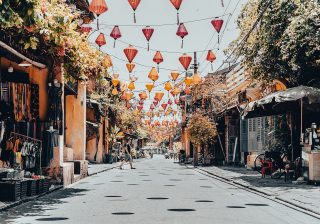
Confucian Temple, Hoi An
Buddhist Temple in Hoi An
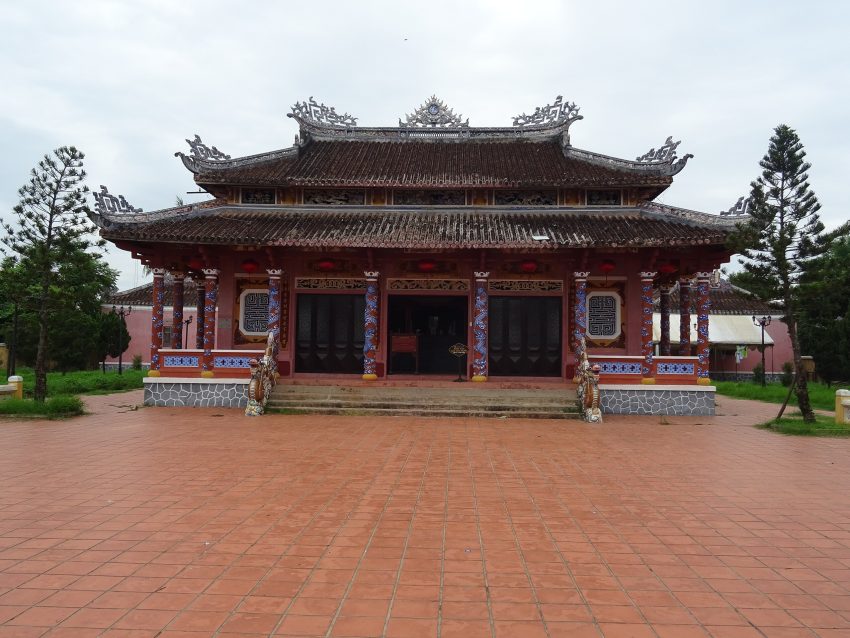
The Confucian Temple in Hoi An is one of the things to do in Hoi An for travellers seeking a quieter, lesser-known heritage landmark. Located at the intersection of Trần Hưng Đạo and Lê Quý Đôn streets on the northwest edge of the Ancient Town, it receives less attention than other temples due to its peripheral location. Yet its peaceful atmosphere, scholarly origins, and elegant architecture make it a great place to visit on a walking tour of Hoi An, especially for those interested in Vietnam's intellectual traditions.
Originally constructed in the mid-19th century-with earlier roots dating back to the 18th century-the temple was founded by local scholars as a space to honour Confucius and celebrate academic achievement. Renovations in 1911 added a hall of ceremonies, enriching the temple’s layout and reinforcing its role as a centre for study and reflection.
Table of Contents
- History and Significance of Confucian Temple
- Things to See and Do in Confucian Temple
- How to Get to Confucian Temple
- Practical Tips on Visiting Confucian Temple
- Where to Stay close to Confucian Temple
- Is Confucian Temple Worth Visiting?
- FAQs for Visiting Confucian Temple
- Nearby Attractions to Confucian Temple
History and Significance of Confucian Temple
The Confucian Temple reflects Hoi An's historical dedication to learning, scholarship, and moral values. Early records suggest that the first Confucian temple here was established in the 18th century by local scholars proud of their accomplishments. The mid-19th-century reconstruction formalised the site, and by 1911 it featured additional structures aligned with Confucian ceremonial practices.
Over time, the temple became a focal point for examinations, teachings, and cultural activities. Its architectural design was inspired by Hanoi’s Văn Miếu Temple of Literature, Vietnam’s most famous centre of Confucian learning. This connection highlights the aspirations of Hoi An’s scholar-gentry, who modelled their local academy after the nation’s foremost institution of classical education.
Though quieter than other temples in the Ancient Town, the Confucian Temple remains significant as a symbol of intellectual heritage and cultural continuity.
Things to See and Do in Confucian Temple
Visitors will find a layout strongly reminiscent of Hanoi’s Temple of Literature. At the temple’s southeastern entrance sits a rectangular pond, echoing the “Well of Celestial Clarity.” This tranquil water feature sets a contemplative tone before you proceed deeper into the compound.
Moving northwest brings you to the House of Ceremonies, designed for official rites and examinations. Beyond it lies the Confucius sanctuary, home to altars honouring the great philosopher and his disciples. Exploring these areas is one of the top attractions in Hoi An for travellers fascinated by Confucian traditions and Vietnamese educational history.
At the rear of the property is a U-shaped courtyard that once served as dormitories and lecture halls for students-mirroring the “College for the Sons of the Homeland” (Quốc Tử Giám) in Hanoi. Today, this space serves a new purpose as the workshop for Smile House, where people with disabilities create and sell handicrafts, blending heritage preservation with modern community support.
How to Get to Confucian Temple
Most visitors reach Hoi An via Da Nang International Airport, located about 45 minutes away and offering frequent domestic and international flights. For the best deals and a seamless booking experience, check out these flights to Hoi An on Booking.com.
For travellers arriving by rail, Da Nang Railway Station is the nearest major stop, with onward travel to Hoi An available by taxi, shuttle, or bus. Train schedules and bookings can be found on Omio.
The Confucian Temple is located just outside the main pedestrian zone of the Ancient Town, making it easy to reach on foot, by bicycle, or by taxi from nearby areas. If travelling by car, visitors should park in designated areas before entering the surrounding streets.
Practical Tips on Visiting Confucian Temple
- Suggested tips: Visit during quieter morning hours to appreciate the peaceful atmosphere.
- Best time to visit: Early morning or late afternoon when the light is soft and the grounds are calm.
- Entrance fee:
- Opening hours:
- Official website:
- How long to spend: Around 30 minutes is ideal for exploring at a relaxed pace.
- Accessibility: Most areas are accessible, though some pathways may be uneven.
- Facilities: Limited on-site facilities, but small shops and cafés are nearby.
- Photography tip: Capture reflections in the rectangular pond for serene compositions.
- Guided tours: Some customised walking tours include this lesser-visited temple.
- Nearby food options: Small eateries along Trần Hưng Đạo Street offer local dishes.
Where to Stay close to Confucian Temple
Staying near the northern edge of the Ancient Town provides easy access to the Confucian Temple while keeping you within walking distance of Hoi An's main sights. Consider Allegro Hoi An for boutique comfort close to the heritage zone. Another convenient option is Vinh Hung Library Hotel, offering modern amenities with a cosy atmosphere. For riverside relaxation, Little Riverside Hoi An is also within a short ride of the temple.
Is Confucian Temple Worth Visiting?
Yes, the Confucian Temple is worth visiting, especially for those who enjoy quiet cultural sites with deep historical roots. Its scholarly legacy, architectural symbolism, and tranquil ambience offer a refreshing contrast to the busier temples in Hoi An. The addition of the Smile House workshop adds a meaningful modern layer to this historic space.
What Other Travellers Say...

Fujian Assembly Hall at 46 Trần Phú in Hoi An is an ornate Chinese assembly hall and place of worship dedicated to the sea goddess Thien Hau (Mazu), built for the Fujian (Fukien) community; visitors praise its intricate Chinese architecture, colourful tiled roofs, detailed wood carvings, bonsai-filled courtyards, incense coils and traditional lanterns that create a peaceful, spiritual atmosphere and strong photo opportunities. Guests say you can light large hanging incense coils and leave written wishes that staff handle ceremonially, and many find a quiet sit-down among the craftsmanship rewarding; entry is included with the Old Town ticket and a quick visit typically takes about 15–20 minutes, with a few small shops nearby selling cold drinks.


FAQs for Visiting Confucian Temple
Nearby Attractions to Confucian Temple
- Cantonese Assembly Hall: A richly decorated heritage temple honouring Quan Cong.
- Fujian Assembly Hall: A vibrant space dedicated to Thien Hau with ornate altars and courtyards.
- Japanese Covered Bridge: A historic symbol of Hoi An's multicultural trading past.
- Old House of Tan Ky: A well-preserved merchant residence showcasing Vietnamese, Chinese, and Japanese architecture.
- Hoi An Night Market: A lively riverside market offering lanterns, snacks, and crafts.
The Confucian Temple appears in our Complete Guide to Visiting Hoi An!

Moira & Andy
Hey! We're Moira & Andy. From hiking the Camino to trips around Europe in Bert our campervan — we've been traveling together since retirement in 2020!
This website uses affiliate links which may earn a commission at no additional cost to you!
Planning Your Visit
Nearby Attractions
- Cam Pho Temple (0.2) km
Buddhist Temple - Phung Hung Ancient House (0.4) km
Historic Building - Phap Bao Temple (0.4) km
Pagoda - Japanese Covered Bridge (0.4) km
Bridge - Ba Mu Temple (0.5) km
Buddhist Temple - Cantonese Assembly Hall (0.5) km
Historic Building - Museum of Sa Huỳnh Culture (0.5) km
Museum - Duc An Ancient House (0.6) km
Historic Building - Ancient House of Tan Ky (0.6) km
Historic Building - Tran Family Chapel (0.6) km
Historic Building