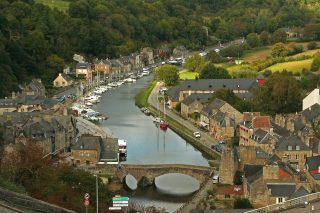
Ville Close de Concarneau
Town near Quimper
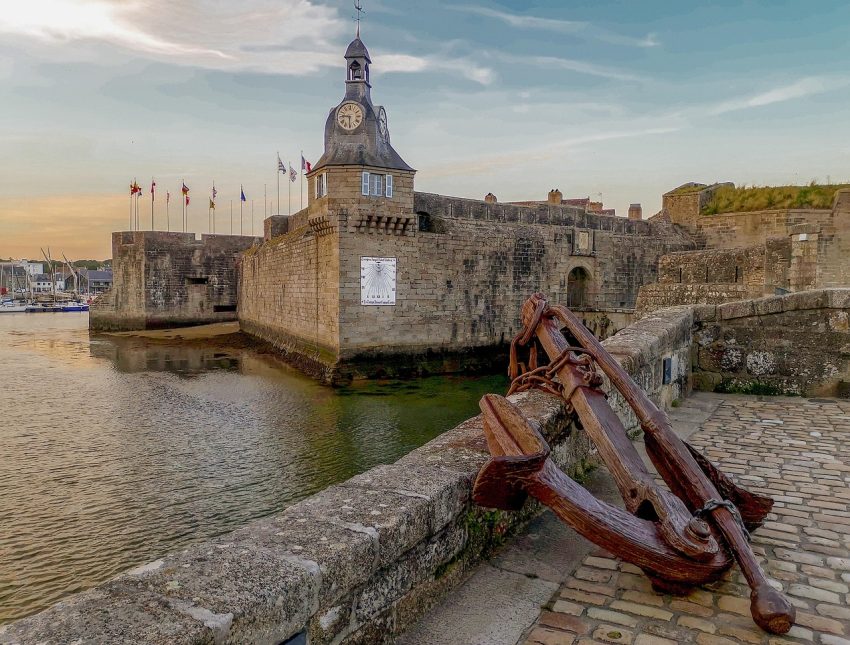
Ville Close de Concarneau is the town's signature sight: a medieval fortress island sitting right in the harbour, wrapped in stone ramparts and reached by a short causeway. Inside the walls you'll find narrow cobbled lanes, small squares, and a mix of cafés and artisan shops that feel made for slow wandering rather than rushing from point to point.
It's one of the top sights in Concarneau because you get history, harbour life, and panoramic views in a single, easy loop, and it's also a natural anchor for a walking tour of Concarneau. Even when the lanes are busy, a quick climb to the ramparts brings you back to sea air, fishing boats, and that constant Brittany light shifting over the water.
Table of Contents
- History and Significance of the Ville Close de Concarneau
- Things to See and Do in the Ville Close de Concarneau
- How to Get to the Ville Close de Concarneau
- Practical Tips on Visiting the Ville Close de Concarneau
- Where to Stay Close to the Ville Close de Concarneau
- Is the Ville Close de Concarneau Worth Visiting?
- For Different Travelers
- FAQs for Visiting Ville Close de Concarneau
- Nearby Attractions to the Ville Close de Concarneau
History and Significance of the Ville Close de Concarneau
The Ville Close began as a strategic stronghold guarding the harbour entrance, and over centuries it grew into the walled heart of Concarneau. Much of what you see today reflects medieval and early modern fortification thinking, later refined as military engineering evolved, with thick walls, controlled access, and a defensive footprint shaped by the sea.
What makes the site especially satisfying is how clearly it still reads as a “working” fortress rather than a ruin. The ramparts are not just a backdrop; they define the experience, turning a casual stroll into a circuit with viewpoints over the fishing port, the marina, and the open coastline beyond.
There’s also a maritime logic to everything here: you feel how Concarneau’s identity was built around fishing, ship traffic, and protected waters. Visiting the Ville Close is a simple way to understand why the port still matters today, because the fortifications and the harbour economy have always been part of the same story.
Things to See and Do in the Ville Close de Concarneau
Start with the ramparts walk while your legs are fresh. The views are the point: fishing boats in the channel, the port working in the background, and the town unfolding around the water like a stage set, especially when the light turns turquoise in calm weather.
Then drop into the lanes for a slower wander, treating the shops and cafés as part of the atmosphere rather than a shopping mission. This is a good place for a relaxed coffee, a crêpe or a galette, and a little unstructured time where you follow whatever looks inviting down the next side street.
If you want to extend the “harbour day,” step back outside the walls and follow the quays toward the fishing port, where mornings are best for market energy and that just-landed feel. For something more coastal, use the Ville Close as your starting point and build outward: beach time at Sables Blancs, a coastal-path stretch on the GR34, or a boat excursion toward the Glénan islands when the sea is calm.
How to Get to the Ville Close de Concarneau
Concarneau is in southern Finistère, and the Ville Close sits directly in the harbour, a short walk from the town centre and quays. The nearest airports are Quimper Bretagne (UIP), Brest Bretagne (BES), and Nantes Atlantique (NTE), with onward travel by car or public transport via Quimper and the coastal towns. For the best deals and a seamless booking experience, check out these flights to Quimper on Booking.com.
For trains, the most practical plan is to take rail to Quimper or Rosporden, then continue by bus or taxi to Concarneau town centre and walk to the harbour. You can use SNCF Connect to check schedules, compare routes, and purchase tickets for National (SNCF ) and regional trains (TER). For a more streamlined experience, we recommend using Omio, which allows you to easily compare prices, schedules, and book tickets for both National and Regional travel across all of Europe, all in one place..
Regional buses link Concarneau with Quimper and nearby coastal communes, and in summer the timetable is often more visitor-friendly, but it’s still worth checking return times before you commit to a late evening.
By car, Concarneau is straightforward via the N165 (the main Nantes-Brest route), then a short drive on local roads into town centre parking areas before you walk to the harbour. If you are looking to rent a car in France I recommend having a look at Discover Cars, first, as they compare prices and review multiple car rental agencies for you.
Practical Tips on Visiting the Ville Close de Concarneau
- Entrance fee: Free
- Opening hours: 24 Hours
- Official website: https://www.deconcarneauapontaven.com/explorer/patrimoine/ville-close-concarneau/
- **Best time to visit:**Arrive early if you want the lanes to feel local and unrushed, then return to the ramparts later when the light is at its best over the harbour.
- How long to spend: Plan 1-2 hours for a relaxed loop with a ramparts walk, and longer if you add a café stop or combine it with the port and market.
- Accessibility: The main routes are walkable, but expect cobbles, occasional uneven surfaces, and narrow lanes that can feel tight in peak season.
- Facilities: You’ll find cafés, shops, and restrooms in the wider harbour area, so it’s easy to treat the visit as a comfortable “base stop” in the middle of your day.
Where to Stay Close to the Ville Close de Concarneau
For a culture-heavy itinerary, base yourself in central Concarneau near the harbour so you can walk to the Ville Close early and late; for a sea-and-swim focused trip, stay around Sables Blancs or the Cabellou area for quick beach access and coastal-path walks.
If you want an easy, walk-everywhere base close to the harbour and old town atmosphere, Hôtel de France et d'Europe is a practical choice with quick access to the waterfront. For a classic harbour-side stay where the Ville Close is part of your everyday view, Hotel Du Port keeps you close to quayside restaurants and morning activity. If your priority is wellness and beach time after sightseeing, Thalasso Concarneau Spa Marin Resort gives you a sea-facing, slow-travel base near the sand.
Is the Ville Close de Concarneau Worth Visiting?
Yes, and it's worth doing properly rather than as a quick pass-through. The real payoff is the combination: ramparts views, harbour energy, and a compact old-town feel that makes Concarneau instantly understandable and surprisingly easy to enjoy.
If you time it well, it also becomes one of those places you experience twice in a day-once for the “first look” loop, and again for a quieter return when the light softens and the harbour feels more atmospheric.
What Other Travellers Say...

Closed City of Concarneau at 5 Rue Vauban is a compact, walled island town of cobbled streets and half‑timbered houses where visitors can stroll the medieval ramparts for sweeping views of the port, sea and adjoining town; inside the walls are three main streets filled with boutiques, cafés, restaurants, a museum and occasional Celtic Breton music, though it can get crowded and parking is easier if you arrive early.


For Different Travelers
Families with Kids
This is a strong family stop because it naturally becomes a mini-adventure: a walled island, ramparts to climb, and lots of “choose your own route” lanes. Keep it simple by turning the visit into a loop challenge-walk the walls, pick a snack stop, then cross back out to watch boats in the harbour.
If you’re travelling with a stroller, plan your route so you prioritise the smoother lanes and don’t force every side street. A short, focused visit works best, especially if you add beach time afterward for an easy reward.
Couples & Romantic Getaways
For couples, the Ville Close is at its best as an unhurried harbour wander with a ramparts stroll and a long café pause. The setting lends itself to slow travel: sea air, stone walls, and a feeling that you can simply drift until you find a view you want to keep.
To make it feel more romantic and less busy, go early, then return later for golden-hour light on the water. Pair it with a seafood dinner on the quays and a short evening walk when the day crowds fade and the harbour feels calmer.
Budget Travelers
This is an excellent value stop because the core experience is free: you can spend a full morning exploring, walking the ramparts, and soaking up the harbour without paying an entry fee. Put your budget into one “local treat” instead-crêpes, a small seafood lunch, or a boat shuttle-so the day still feels special.
If you’re using public transport, build your day around a clear return plan and avoid last-minute taxis by checking bus times before you commit to late evening. The town is walkable enough that you can keep spending low just by staying on foot once you arrive.
History Buffs
The Ville Close rewards history-minded travellers because the fortifications are legible: you can read the city’s defensive logic in the walls, access points, and viewpoints. It’s also a good place to think about how coastal towns balanced trade and protection, with the harbour as both opportunity and vulnerability.
For extra context, combine the ramparts walk with time in the fishing-port area to connect military history with working maritime life. You leave with a more complete sense of why Concarneau developed the way it did, beyond the pretty streets and postcard angles.
FAQs for Visiting Ville Close de Concarneau
Getting There
Tickets & Entry
Visiting Experience
Tours, Context & Itineraries
Photography
Accessibility & Facilities
Food & Breaks Nearby
Safety & Timing
Nearby Attractions to the Ville Close de Concarneau
- Musée de la Pêche - A strong, family-friendly museum that explains Concarneau’s fishing identity with boats and maritime collections.
- Plage des Sables Blancs - A broad sandy beach close to town, ideal for an easy swim-and-walk break after sightseeing.
- Le Cabellou and the coastal path (GR34) - A scenic shoreline route with headlands, small coves, and constant sea views.
- Glénan Archipelago - Boat trips from Concarneau take you to bright water and island beaches often compared to a lagoon.
- Pont-Aven - A nearby riverside town known for art history, galleries, and an easy, pretty stroll between cafés and mills.
The Ville Close de Concarneau appears in our Complete Guide to Visiting Quimper!

Moira & Andy
Hey! We're Moira & Andy. From hiking the Camino to trips around Europe in Bert our campervan — we've been traveling together since retirement in 2020!
This website uses affiliate links which may earn a commission at no additional cost to you!
Planning Your Visit
24 Hours
Free
Nearby Attractions
- Pont-Aven (12.7) km
Town - Château de Lanniron (18.6) km
Historic Building - Theatre Max Jacob (19.2) km
Theatre - Mont Frugy (19.4) km
Viewing Point - Jardin de l’Eveche (19.5) km
Gardens - Musée Départemental Breton (19.5) km
Museum - Quimper Cathedral (19.5) km
Cathedral - Église Notre-Dame de Locmaria (19.5) km
Church - Musée de la Faïence (19.6) km
Museum - Musée des Beaux-Arts de Quimper (19.6) km
Museum