Civico Museo della Risiera di San Sabba, Trieste
Historic Site, Memorial and Museum in Trieste
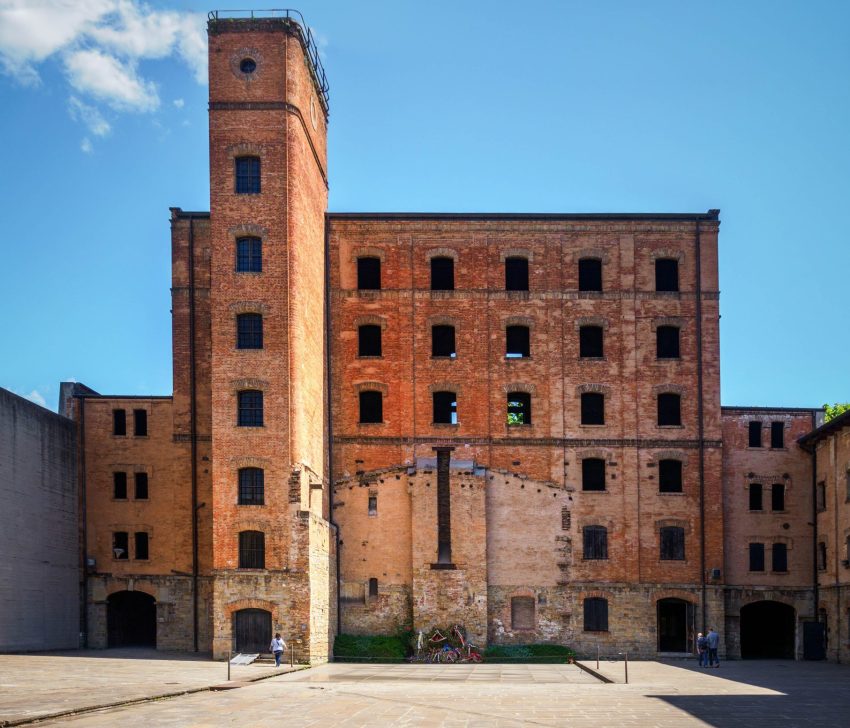
Civico Museo della Risiera di San Sabba is Trieste's stark, essential memorial museum inside a former rice mill that was repurposed during World War II as a Nazi detention and killing site. Today, its preserved spaces and carefully curated exhibits create a quiet, confronting visit that helps you understand Trieste's wartime history and the wider story of persecution and deportation in the region.
It's slightly outside the postcard-pretty center, but it fits well into a half-day plan and can be paired with a walking tour of Trieste's historic core (Piazza Unità d'Italia, the Canal Grande area, and the hilltop viewpoints). Many travelers visit the Risiera first for context, then head back toward the waterfront and cafés to decompress and reflect.
Table of Contents
- History and Significance of the Civico Museo della Risiera di San Sabba
- Things to See and Do in the Civico Museo della Risiera di San Sabba
- How to Get to the Civico Museo della Risiera di San Sabba
- Practical Tips on Visiting the Civico Museo della Risiera di San Sabba
- Where to Stay Close to the Civico Museo della Risiera di San Sabba
- Is the Civico Museo della Risiera di San Sabba Worth Visiting?
- For Different Travelers
- FAQs for Visiting Civico Museo della Risiera di San Sabba
- Nearby Attractions to the Civico Museo della Risiera di San Sabba
History and Significance of the Civico Museo della Risiera di San Sabba
The Risiera di San Sabba began as an industrial rice mill, but during the Nazi occupation it was transformed into a place of imprisonment, interrogation, and violence. It is remembered as a central site in the area’s wartime machinery of repression, tied to deportations and the targeting of political opponents and civilians.
What makes the museum so impactful is how the building itself carries the story: the courtyards, cells, and austere interiors are not “recreated” in a theatrical way, but presented with restraint. The result is a memorial that prioritizes evidence, silence, and dignity over spectacle.
Visiting also helps explain why Trieste’s WWII history feels distinct from many other Italian cities: it sits at a crossroads of cultures and borders, and the museum’s interpretation reflects the region’s complex identities and wartime experiences.
Things to See and Do in the Civico Museo della Risiera di San Sabba
Expect a visit that moves between museum interpretation and the physical spaces of the former complex. The exhibition areas provide historical framing, photographs, documents, and timelines that make the site legible even if you arrive without prior background.
The most memorable moments often come from walking through the stark architectural spaces and pausing in the areas associated with detention and confinement. Take your time, read the bilingual panels, and allow for quiet breaks so the experience doesn’t become a rushed checklist.
If you want deeper context without joining a group, consider using the audio guide for a structured narrative. Many visitors find it helps connect the rooms and courtyards into a coherent story, especially if you’re not already familiar with Trieste’s wartime history.
How to Get to the Civico Museo della Risiera di San Sabba
The nearest airports are Trieste Airport (TRS), Ljubljana Jože Pučnik Airport (LJU), and Venice Marco Polo Airport (VCE). For the best deals and a seamless booking experience, check out these flights to Trieste on Booking.com.
Trieste is well connected by rail, and arriving at Trieste Centrale makes it easy to continue by local bus or taxi to the museum. Use Omnio to easily compare schedules, book train tickets, and find the best prices all in one place for a hassle-free journey across Italy.
If you're driving, the museum is reachable in about 10–15 minutes from central Trieste depending on traffic, and it's a convenient stop if you're continuing toward the Karst plateau or the Slovenian border. If you are looking to rent a car in Italy I recommend having a look at Discover Cars, first, as they compare prices and review multiple car rental agencies for you.
Practical Tips on Visiting the Civico Museo della Risiera di San Sabba
- Official website: https://risierasansabba.it/
- Entrance fee: Free.
- Opening hours: (Winter) October 13 – January 31; Daily: 09:00–17:00. (Summer) February 1 – October 12; Daily: 09:00–19:00.
- Best time to visit: Go early in the day for a quieter, more contemplative experience, or late afternoon if you want to pair it with an evening stroll along the waterfront afterward.
- How long to spend: Plan 60–90 minutes for a focused visit, or up to 2 hours if you read everything and use an audio guide.
- Accessibility: Expect uneven surfaces and a historic layout; if you have mobility needs, it’s worth confirming current access routes at the entrance before starting.
- Facilities: There is an entry/ticket point and basic visitor services; bring water and plan a café stop afterward rather than expecting a long on-site break.
Where to Stay Close to the Civico Museo della Risiera di San Sabba
Base yourself in central Trieste near Piazza Unità d'Italia and the Trieste Centrale area for the easiest mix of sightseeing, dining, and transport connections.
Staying centrally also makes it simple to visit the museum by bus or taxi while keeping your evenings focused on Trieste’s best atmosphere: the waterfront promenades, historic cafés, and the canal district.
Savoia Excelsior Palace Trieste Chosen for its classic waterfront setting and walkable access to Trieste’s landmark sights, ideal if you want comfort and a memorable “grand hotel” feel.
DoubleTree by Hilton Trieste A strong pick for modern amenities in a central location, especially convenient if you want easy transport links and reliable international-hotel comfort.
Hotel Continentale Included for its central, practical base near shops and cafés, great for travelers who want to explore on foot and keep logistics simple.
Urban Hotel Design A good choice if you like boutique style and a quieter-feeling lane just off the center, while still being close to the canal and dining.
NH Trieste Recommended for its proximity to Trieste Centrale station, making day trips and airport transfers smoother while remaining walkable to the center.
Is the Civico Museo della Risiera di San Sabba Worth Visiting?
Yes, it’s worth visiting if you want a truthful, deeply moving understanding of Trieste’s WWII history and the human consequences of occupation and persecution. The museum is well presented, the atmosphere is appropriately restrained, and most travelers leave feeling they learned something important.
Honest Pivot: if you're looking for a light, scenic, or “fun” museum day, this is not the right stop. It can be emotionally heavy, and travelers with very limited time in Trieste may prefer to prioritize the city's central landmarks unless they specifically want historical context.
What Other Travellers Say...

Reviews are overwhelmingly positive, with many visitors describing the museum as powerful, humbling, and essential for understanding Trieste’s WWII history. Common highlights include the informative exhibits (often in multiple languages), the stark architecture that reinforces the memorial atmosphere, and the availability of an audio guide that adds context. A recurring note is that the experience is emotionally heavy rather than “touristy,” and a smaller but repeated complaint mentions limited or confusing signage and wayfinding on arrival.


For Different Travelers
Different travelers take different things from the Risiera: some come for historical understanding, others for remembrance, and many for a more complete picture of Trieste beyond the waterfront.
The key is to match the visit to your pace and emotional bandwidth, then plan something gentler afterward (a café, a walk by the sea, or a viewpoint) to balance the day.
Families with Kids
For families, this visit is best approached as a deliberate educational stop rather than a casual museum. Consider whether your children are ready for difficult themes, and set expectations before you enter.
If you do go, keep the visit shorter and focus on age-appropriate questions about history, choices, and remembrance. Plan a calming activity afterward so the day doesn’t feel overwhelming.
Couples & Romantic Getaways
This is not a “romantic” attraction, but it can be meaningful for couples who like to understand the places they visit beyond the highlights. Sharing a reflective experience can add depth to a Trieste trip.
Balance it with something restorative afterward: a long coffee in a historic café, a sunset walk along the waterfront, or a gentle evening in the canal district.
Budget Travelers
Budget travelers will appreciate that the museum is a high-impact stop that doesn’t require a big spend. It’s also reachable by public transport, so you can keep costs low.
If you want extra context, consider the audio guide as a small upgrade, then spend the rest of your day exploring Trieste’s walkable center and viewpoints for free.
History Buffs
History-focused travelers should consider this a must, especially if you’re interested in WWII, borderland identities, and the Adriatic’s complex 20th-century story. The site’s physical spaces add a dimension that books and plaques can’t replicate.
Pair it with other Trieste context stops such as the city's memorials, museums, and a walk through the historic center to see how layers of empire, war, and culture shaped the city.
FAQs for Visiting Civico Museo della Risiera di San Sabba
Getting There
Tickets & Entry
Visiting Experience
Tours, Context & Itineraries
Photography
Accessibility & Facilities
Food & Breaks Nearby
Safety & Timing
Nearby Attractions to the Civico Museo della Risiera di San Sabba
- Piazza Unità d’Italia: Trieste’s grand main square on the sea, perfect for photos and people-watching.
- Canal Grande: A scenic canal district lined with cafés and elegant façades for an easy stroll.
- Castello di San Giusto: A hilltop castle and viewpoint that adds historical context and panoramic city views.
- Cattedrale di San Giusto Martire: Trieste's historic cathedral with a calm, elevated setting near the castle.
- Molo Audace: A long pier reaching into the Adriatic, ideal for a breezy walk and sunset views.
The Civico Museo della Risiera di San Sabba appears in our Complete Guide to Visiting Trieste!

Moira & Andy
Hey! We're Moira & Andy. From hiking the Camino to trips around Europe in Bert our campervan — we've been traveling together since retirement in 2020!
This website uses affiliate links which may earn a commission at no additional cost to you!
Planning Your Visit
(Winter) October 13 - January 31; Daily: 09:00-17:00.
(Summer) February 1 - October 12; Daily: 09:00-19:00.
Free.
Nearby Attractions
- Museo Civico di Storia Naturale (2.3) km
Museum - Cattedrale di San Giusto (3.1) km
Cathedral, Church and Religious Building - Lapidario Tergestino (3.1) km
Attraction, Museum and Roman Site - Castello di San Giusto (3.1) km
Castle, Museum and Viewing Point - Propylaeum and Roman Basilica (3.2) km
Cathedral, Church and Roman Site - Civic Museum of Antiquities "J.J. Winkelman" (3.2) km
Gardens, Historic Site and Museum - Antiquarium di via del Seminario (3.4) km
Attraction, Historic Site and Roman Site - Arco di Riccardo (3.4) km
City Gate, Monument and Roman Site - Museo Sartorio (3.4) km
Historic Building, Historic Room and Museum - Teatro Romano di Trieste (3.4) km
Roman Site, Ruins and Theatre