Civico Museo d'Arte Orientale, Trieste
Attraction and Museum in Trieste
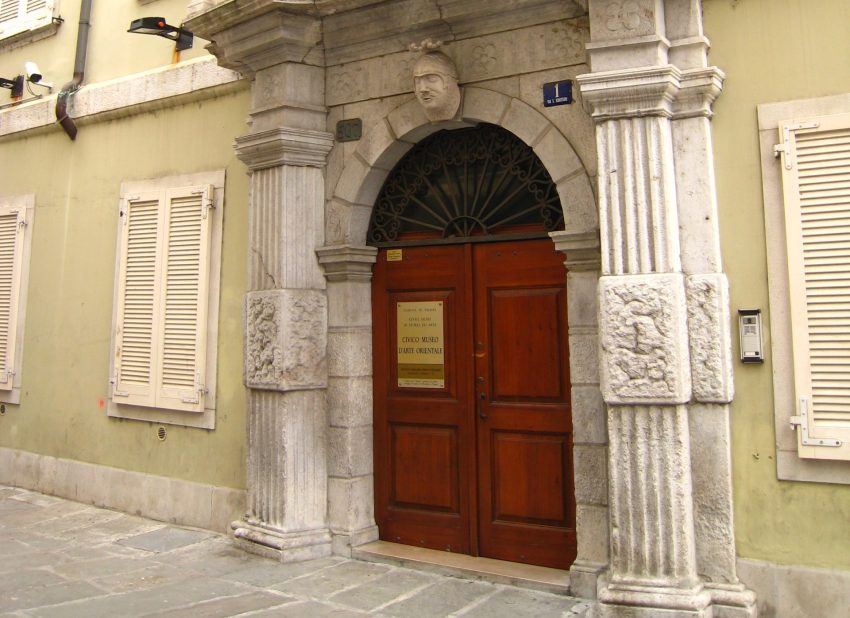
Tucked just off Trieste's grand waterfront core, the Civico Museo d'Arte Orientale is a compact, thoughtfully curated museum dedicated to Asian art, with standout material from Japan and China. It's an easy add-on to a city-center stroll, especially if you're exploring near Piazza Unità d'Italia and want a quieter, more contemplative stop between cafés and viewpoints.
Because it sits in the historic heart of Trieste, the museum fits naturally into a walking tour of the old town: pair it with the nearby main square, the Canal Grande area, and a climb toward San Giusto for a full day of classic Trieste sights. It's also one of those places that rewards a spontaneous visit: you can pop in, see something genuinely memorable, and be back on your route without needing a big time commitment.
Table of Contents
- History and Significance of the Civico Museo d’Arte Orientale
- Things to See and Do in the Civico Museo d’Arte Orientale
- How to Get to the Civico Museo d’Arte Orientale
- Practical Tips on Visiting the Civico Museo d’Arte Orientale
- Where to Stay Close to the Civico Museo d’Arte Orientale
- Is the Civico Museo d’Arte Orientale Worth Visiting?
- For Different Travelers
- FAQs for Visiting Civico Museo d’Arte Orientale
- Nearby Attractions to the Civico Museo d’Arte Orientale
History and Significance of the Civico Museo d’Arte Orientale
The Civico Museo d'Arte Orientale reflects Trieste's long identity as a trading city and a crossroads of cultures. While Trieste is often framed through its Habsburg architecture and coffeehouse tradition, the museum offers a different lens: the city's historical curiosity about, and connections to, the wider world beyond Europe.
The collection is arranged to help visitors understand both the objects themselves and the broader story of how Asian art circulated through collectors, merchants, and travelers. That context matters here: you're not just looking at beautiful pieces, you're also seeing how tastes, trade routes, and collecting habits shaped what ended up in Trieste.
One of the museum’s biggest strengths is that it feels approachable rather than overwhelming. Even if you’re not an expert in Japanese prints or Chinese ceramics, the museum’s scale makes it easy to build a clear mental picture of what you’re seeing, floor by floor.
Things to See and Do in the Civico Museo d’Arte Orientale
Start by taking your time with the Japanese works on paper, where many visitors find the most “wow” moments. Expect to see woodblock prints and a range of imagery that can shift from everyday life to theatrical scenes and stylized landscapes, making it easy to connect with the art even on a quick visit.
Next, look for the displays that bring material culture to life: clothing and textiles, objects connected to performance and ceremony, and the kind of crafted details that read differently up close than they do in photos. Several visitors also highlight arms and armor-related pieces, which add a dramatic counterpoint to the more delicate works.
Finally, don’t skip the Chinese section, where ceramics and decorative arts tend to be the anchor. If you enjoy noticing technique and finish, this is where you can slow down and compare shapes, glazes, and ornamentation across different objects.
How to Get to the Civico Museo d’Arte Orientale
The nearest airports are Trieste Airport (TRS) for the most direct access, with Venice Marco Polo (VCE) as a common alternative if you're building a wider northern Italy itinerary. For the best deals and a seamless booking experience, check out these flights to Trieste on Booking.com.
Trieste is well connected by rail, and arriving by train is one of the simplest ways to reach the city center without worrying about parking; from Trieste Centrale you can continue by bus, taxi, or a pleasant walk depending on your pace. Use Omnio to easily compare schedules, book train tickets, and find the best prices all in one place for a hassle-free journey across Italy.
If you’re traveling by car, aim for a garage or paid parking area outside the tightest old-town lanes and then continue on foot into the center. If you are looking to rent a car in Italy I recommend having a look at Discover Cars, first, as they compare prices and review multiple car rental agencies for you.
Practical Tips on Visiting the Civico Museo d’Arte Orientale
- Official website: https://museoarteorientaletrieste.it/
- Entrance fee: Free.
- Opening hours: Monday: 10:00–17:00. Tuesday: 10:00–17:00. Wednesday: Closed. Thursday: Closed. Friday: 10:00–17:00. Saturday: 10:00–17:00. Sunday: 10:00–17:00.
- Best time to visit: Late morning on a weekday is ideal for a calm experience, especially if you want to linger with the prints and ceramics without feeling rushed.
- How long to spend: Plan for 45–90 minutes for a satisfying visit; art lovers can easily stretch it to 2 hours by reading labels and revisiting favorite rooms.
- Accessibility: Expect a historic-building layout; if you have mobility needs, it’s worth confirming access details in advance and planning for stairs or level changes.
- Facilities: Keep expectations modest: this is a focused museum visit rather than a full-service complex, so plan café breaks before or after in the surrounding center.
Where to Stay Close to the Civico Museo d’Arte Orientale
Base yourself in central Trieste near Piazza Unità d'Italia for the easiest walking access to the museum, the waterfront, and the city's classic café-and-architecture circuit.
For a refined, old-world Trieste stay with a prime location for walking everywhere, consider: Savoia Excelsior Palace Trieste It’s a strong pick for travelers who want a polished waterfront base and a memorable “grand hotel” feel.
If you want a stylish, design-forward hotel right in the historic center, try: DoubleTree by Hilton Trieste It’s convenient for museum-hopping and evenings out, with a contemporary comfort level that suits short city breaks.
For a boutique option with a central address and a more intimate atmosphere, look at: Hotel Continentale It’s a practical choice for travelers who want to be close to shops, cafés, and the main walking routes.
If you prefer a classic, well-known Trieste hotel with an elegant vibe near the center, consider: NH Trieste It’s especially handy if you’re arriving by train and want a straightforward base with reliable amenities.
For a comfortable, good-value stay that still keeps you within easy reach of the old town, try: B&B Hotel Trieste It’s a smart pick for budget-minded travelers who prioritize location and simplicity over extra frills.
Is the Civico Museo d’Arte Orientale Worth Visiting?
Yes, it's worth visiting, especially because it delivers a distinctive slice of Trieste that many travelers miss: a quiet, well-curated look at Japanese and Chinese art in a central location, with an easy, low-commitment visit flow. If you enjoy prints, ceramics, textiles, or simply want a peaceful indoor stop between outdoor sights, it's an excellent addition to your day.
Honest Pivot: if you’re short on time and only want Trieste’s “big postcard” highlights (the main square, waterfront, and a single panoramic viewpoint), you might skip this museum in favor of outdoor landmarks. It’s also less compelling if you’re expecting a huge collection or highly interactive exhibits; the charm here is in the focused displays and the calm pace.
What Other Travellers Say...

Reviews are overwhelmingly positive, with travelers describing a calm, rewarding museum focused on Japanese and Chinese art. Common highlights include woodblock prints (often mentioning famous artists), ceramics, and eye-catching objects like swords, uniforms, and traditional clothing; several people also note friendly staff and that it’s easy to visit in a short time. The most frequent downside is that the collection is relatively small, so it may feel like a quick stop rather than a half-day museum.


For Different Travelers
The Civico Museo d'Arte Orientale is flexible: it works as a quick cultural detour or a slower, detail-oriented visit. Because it's central, it's easy to combine with Trieste's main walking routes without adding logistical stress.
It’s also a good “reset” stop in a busy itinerary. When the city feels lively and you want something quieter, this museum provides a change of rhythm without requiring a long transit.
Families with Kids
For families, the museum can be surprisingly engaging thanks to the variety of objects beyond paintings and prints. Items like clothing, weapons, and theatrical or ceremonial pieces give kids concrete things to notice and talk about.
Keep the visit short and focused: pick a few highlights per floor and turn it into a scavenger-hunt style walk. Pair it with a treat stop afterward in the center to keep energy up.
Couples & Romantic Getaways
Couples will appreciate the museum’s calm, intimate atmosphere, especially as a contrast to the open, windy waterfront. It’s a good “shared discovery” stop where you can take your time and point out details without feeling crowded.
Make it part of a slow day: museum first, then a coffeehouse break, then a sunset walk along the water. The central location makes that kind of romantic pacing easy.
Budget Travelers
Budget travelers get strong value here because it’s a memorable cultural experience that doesn’t require a big time or money investment. It also sits near other top sights, so you can build a full day of walking with minimal transit costs.
To maximize your day, cluster nearby stops: the main square, the canal area, and a viewpoint climb. You’ll get a balanced mix of indoor culture and outdoor scenery without paying for multiple attractions.
History Buffs
History buffs will enjoy the museum’s connection to Trieste’s identity as a port city and its long-standing links to trade and collecting. The objects become more interesting when you view them as part of a wider story of exchange between Europe and Asia.
Take time to notice how different materials and techniques reflect different cultural contexts. Even a small museum can feel “big” when you slow down and read it as a historical narrative rather than a checklist of objects.
FAQs for Visiting Civico Museo d’Arte Orientale
Getting There
Tickets & Entry
Visiting Experience
Tours, Context & Itineraries
Photography
Accessibility & Facilities
Food & Breaks Nearby
Safety & Timing
Nearby Attractions to the Civico Museo d’Arte Orientale
- Piazza Unità d’Italia: Trieste’s iconic main square on the sea, perfect for photos and people-watching.
- Canal Grande di Trieste: A scenic canal lined with cafés and classic city views.
- Teatro Romano di Trieste: Compact Roman-era ruins tucked into the city fabric, easy to visit on foot.
- Cattedrale di San Giusto Martire: A landmark hilltop cathedral with history and panoramic surroundings.
- Castello di San Giusto: A fortress complex with viewpoints and a strong sense of Trieste's layered past.
The Civico Museo d'Arte Orientale appears in our Complete Guide to Visiting Trieste!

Moira & Andy
Hey! We're Moira & Andy. From hiking the Camino to trips around Europe in Bert our campervan — we've been traveling together since retirement in 2020!
This website uses affiliate links which may earn a commission at no additional cost to you!
Planning Your Visit
Monday: 10:00-17:00.
Tuesday: 10:00-17:00.
Wednesday: Closed.
Thursday: Closed.
Friday: 10:00-17:00.
Saturday: 10:00-17:00.
Sunday: 10:00-17:00.
Free.
Nearby Attractions
- Palazzo del Municipio (0.1) km
Historic Building, Square and Town Hall - Fontana dei Quattro Continenti (0.1) km
Fountain, Sculpture and Square - Palazzo del Lloyd Triestino (0.1) km
Attraction, Historic Building and Palace - Palazzo della Luogotenenza Austriaca (0.1) km
Historic Building, Palace and Square - Arco di Riccardo (0.2) km
City Gate, Monument and Roman Site - Teatro Lirico Giuseppe Verdi (0.2) km
Arts Venue, Opera House and Theatre - Antiquarium di via del Seminario (0.3) km
Attraction, Historic Site and Roman Site - Molo Audace (0.3) km
Pier, Viewing Point and Walk - Teatro Romano di Trieste (0.3) km
Roman Site, Ruins and Theatre - Civic Museum of Antiquities "J.J. Winkelman" (0.4) km
Gardens, Historic Site and Museum