Civic Museum of Antiquities "J.J. Winkelman", Trieste
Gardens, Historic Site and Museum in Trieste
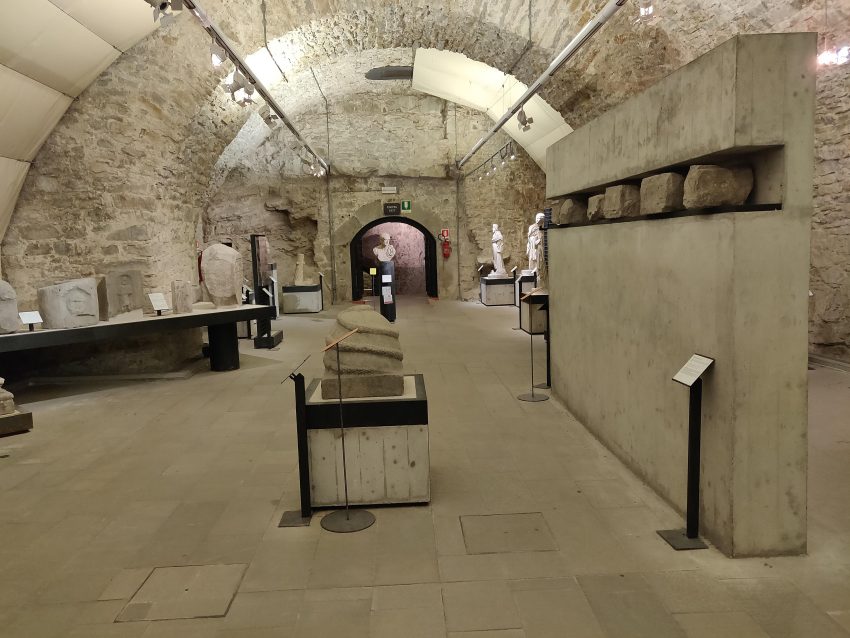
Tucked up on Trieste's historic hill near the Cathedral of San Giusto, the Civic Museum of Antiquities “J.J. Winkelman” is a compact, quietly impressive museum dedicated to the ancient world and the city's deep roots. It's the kind of place many visitors walk past without realizing there's a serious collection inside.
It fits perfectly into a walking tour that links Trieste's Roman and medieval layers: pair it with the Cathedral area, the nearby Roman Theatre, and a stroll back down toward the waterfront. If you enjoy museums that feel like discoveries rather than crowds, this is one of the best places in Trieste to slow down and look closely.
Table of Contents
- History and Significance of the Civic Museum of Antiquities “J.J. Winkelman”
- Things to See and Do in the Civic Museum of Antiquities “J.J. Winkelman”
- How to Get to the Civic Museum of Antiquities “J.J. Winkelman”
- Practical Tips on Visiting the Civic Museum of Antiquities “J.J. Winkelman”
- Where to Stay Close to the Civic Museum of Antiquities “J.J. Winkelman”
- Is the Civic Museum of Antiquities “J.J. Winkelman” Worth Visiting?
- For Different Travelers
- FAQs for Visiting Civic Museum of Antiquities “J.J. Winkelman”
- Nearby Attractions to the Civic Museum of Antiquities “J.J. Winkelman”
History and Significance of the Civic Museum of Antiquities “J.J. Winkelman”
The museum is closely tied to Johann Joachim Winckelmann, the 18th-century scholar often credited with shaping modern art history and scientific approaches to archaeology. Trieste became part of his story, and the museum's setting near San Giusto gives it a fitting sense of place: you're literally standing where the city's long timeline is most visible.
Its origins reach back to the 19th century, when Trieste began gathering local antiquities and building a civic collection that could tell the story of ancient Tergeste and the wider Adriatic world. Over time, donations and acquisitions broadened the scope beyond local finds, creating a museum that moves from regional prehistory and Roman life to the wider Mediterranean.
Today, its significance is twofold: it’s a gateway to Trieste’s Roman-era identity, and it’s also a surprisingly international collection for a small city museum, with objects that connect Trieste’s port history to far-reaching trade, collecting, and scholarship.
Things to See and Do in the Civic Museum of Antiquities “J.J. Winkelman”
Start outdoors in the green garden and lapidary area, where stone fragments and inscriptions set the tone before you even step inside. It’s a calm, atmospheric introduction that makes the museum feel like part archaeological site, part curated gallery.
Inside, the highlights for many travelers are the Egyptian pieces, including striking funerary objects and stonework that feel far more substantial than you’d expect from a “small” museum. The classical collections add variety, with Greek ceramics and objects that help you read the Mediterranean as a connected world rather than separate civilizations.
Don’t rush the Roman material, especially if you’re also seeing Trieste’s Roman Theatre the same day. The museum’s Roman-era objects and inscriptions give context to what you’ll see outdoors around the city, turning scattered ruins into a more complete story.
How to Get to the Civic Museum of Antiquities “J.J. Winkelman”
The nearest major airports are Trieste Airport (Friuli Venezia Giulia), Venice Marco Polo, and Ljubljana Jože Pučnik Airport, all used by travelers depending on flight options and connections. For the best deals and a seamless booking experience, check out these flights to Trieste on Booking.com.
Trieste is easy to reach by train, with Trieste Centrale connecting to major Italian cities and regional routes; from the station you can continue on foot, by bus, or by taxi to the San Giusto area. Use Omnio to easily compare schedules, book train tickets, and find the best prices all in one place for a hassle-free journey across Italy.
If you’re traveling by car, aim for parking options around the San Giusto hill area, keeping in mind that streets can be narrow and spaces limited near the cathedral zone. If you are looking to rent a car in Italy I recommend having a look at Discover Cars, first, as they compare prices and review multiple car rental agencies for you.
Practical Tips on Visiting the Civic Museum of Antiquities “J.J. Winkelman”
- Official website: https://museoantichitawinckelmann.it/
- Entrance fee: Free.
- Opening hours: Wednesday – Sunday: 10:00–17:00. Closed on Monday, Tuesday.
- Best time to visit: Go earlier in the day for the quietest galleries, then continue your walk around San Giusto and down toward the Roman Theatre and the waterfront.
- How long to spend: Plan 45–90 minutes for a satisfying visit, longer if you like reading labels and comparing the Egyptian and classical sections.
- Accessibility: Access can be uneven due to the historic setting; if you need step-free entry, it’s worth planning ahead and confirming the best entrance.
- Facilities: Expect a small-museum setup; combine your visit with a café stop elsewhere in the San Giusto or city-center area.
Where to Stay Close to the Civic Museum of Antiquities “J.J. Winkelman”
Base yourself in central Trieste so you can walk between the San Giusto hill sights, the Roman Theatre, and the waterfront without relying on transport.
Savoia Excelsior Palace Trieste – Starhotels Collezione A classic choice for travelers who want a memorable waterfront stay with easy walks to the old town and a polished, full-service feel.
DoubleTree by Hilton Trieste Great for comfort and reliability in a central location, especially if you like modern rooms in a historic building and quick access to transport.
Hotel Continentale A strong mid-range pick near shopping streets and cafés, ideal if you want to balance sightseeing with an easy, walkable base.
Urban Hotel Design A boutique option with a contemporary style, well-placed for exploring on foot and returning to a quieter, design-forward space.
NH Trieste Convenient for train arrivals and departures, making it a practical choice if Trieste is part of a multi-city itinerary.
Is the Civic Museum of Antiquities “J.J. Winkelman” Worth Visiting?
Yes, especially if you enjoy archaeology, small museums, and places that feel like local secrets. The combination of a peaceful garden setting and genuinely interesting collections (with an especially strong Egyptian section for its size) makes it one of Trieste’s best-value cultural stops.
Honest Pivot: if you’re short on time and only want “big ticket” sights, or if you rely heavily on extensive multilingual interpretation, you may prefer to focus on Trieste’s panoramic viewpoints and landmark architecture instead. This museum rewards curiosity and patience more than quick, headline attractions.
What Other Travellers Say...

Google reviewers describe this as a hidden-gem museum set in a pleasant green garden, praising the unexpectedly rich collections for a small civic site. The Egyptian section is frequently highlighted as a standout, with additional appreciation for Greek vases and Roman-era material that adds context to Trieste’s history. Visitors also like that entry is free, though a recurring downside mentioned is that some interpretive text can be limited or primarily in Italian.


For Different Travelers
This museum works well as a flexible stop: you can keep it brief as part of a broader San Giusto walk, or linger if you love artifacts and inscriptions. It’s also a smart choice when you want something meaningful that doesn’t take half a day.
Families with Kids
Kids who like “mystery objects” and ancient civilizations often respond well here, particularly to Egyptian-themed displays and the sense of discovery in a smaller space. The garden area can also help break up the visit so it doesn’t feel like nonstop indoor looking.
If your family prefers highly interactive exhibits, keep expectations realistic and plan a short, focused loop: pick a few “wow” objects, then move on to nearby open-air sights. Pairing it with a walk to the Roman Theatre can make the day feel more dynamic.
Couples & Romantic Getaways
For couples, the appeal is the atmosphere: a quiet museum near the cathedral, with a green garden setting that feels removed from the busier streets below. It’s an easy way to add a thoughtful, cultural moment to a day of strolling and café stops.
Make it part of a slow itinerary: museum first, then a scenic walk back down toward the waterfront for aperitivo. It's a low-stress plan that still feels distinctly Trieste.
Budget Travelers
This is a standout budget stop because it delivers real substance without requiring a big time commitment. It’s also well-suited to travelers building a full day of walking between free or low-cost sights.
To stretch your budget further, combine it with viewpoints and outdoor landmarks around San Giusto, then head back into the center for inexpensive bakeries and casual cafés. You'll get a full, satisfying Trieste day without paying for multiple major tickets.
History Buffs
History lovers will appreciate how the museum connects local archaeology to the wider Mediterranean, making Trieste feel less like an “edge city” and more like a crossroads. The Roman material is especially rewarding if you're trying to understand ancient Tergeste beyond the headline ruins.
Take your time with inscriptions and context objects, then follow up with a walk to the Roman Theatre and other nearby historic layers. The museum acts like a key that helps you “read” the city more clearly.
FAQs for Visiting Civic Museum of Antiquities “J.J. Winkelman”
Getting There
Tickets & Entry
Visiting Experience
Tours, Context & Itineraries
Photography
Accessibility & Facilities
Food & Breaks Nearby
Safety & Timing
Nearby Attractions to the Civic Museum of Antiquities “J.J. Winkelman”
- Cathedral of San Giusto: Trieste’s hilltop cathedral, ideal for pairing with the museum in one compact historic-area visit.
- Castello di San Giusto: A fortress-like landmark with city views and a strong sense of Trieste's strategic past.
- Roman Theatre of Trieste: A central, open-air Roman-era site that becomes more meaningful after seeing the museum's Roman material.
- Piazza Unità d’Italia: The city’s grand main square facing the sea, perfect for a scenic stroll after your museum visit.
- Canal Grande di Trieste: A photogenic canal area lined with cafés, great for an easy break and people-watching.
The Civic Museum of Antiquities "J.J. Winkelman" appears in our Complete Guide to Visiting Trieste!

Moira & Andy
Hey! We're Moira & Andy. From hiking the Camino to trips around Europe in Bert our campervan — we've been traveling together since retirement in 2020!
This website uses affiliate links which may earn a commission at no additional cost to you!
Planning Your Visit
Wednesday - Sunday: 10:00-17:00.
Closed on Monday, Tuesday.
Free.
Nearby Attractions
- Cattedrale di San Giusto (0.1) km
Cathedral, Church and Religious Building - Propylaeum and Roman Basilica (0.1) km
Cathedral, Church and Roman Site - Castello di San Giusto (0.1) km
Castle, Museum and Viewing Point - Lapidario Tergestino (0.2) km
Attraction, Museum and Roman Site - Antiquarium di via del Seminario (0.2) km
Attraction, Historic Site and Roman Site - Arco di Riccardo (0.2) km
City Gate, Monument and Roman Site - Teatro Romano di Trieste (0.3) km
Roman Site, Ruins and Theatre - Civico Museo d'Arte Orientale (0.4) km
Attraction and Museum - Palazzo del Municipio (0.4) km
Historic Building, Square and Town Hall - Fontana dei Quattro Continenti (0.4) km
Fountain, Sculpture and Square