Como’s Ancient City Walls
City Walls in Como
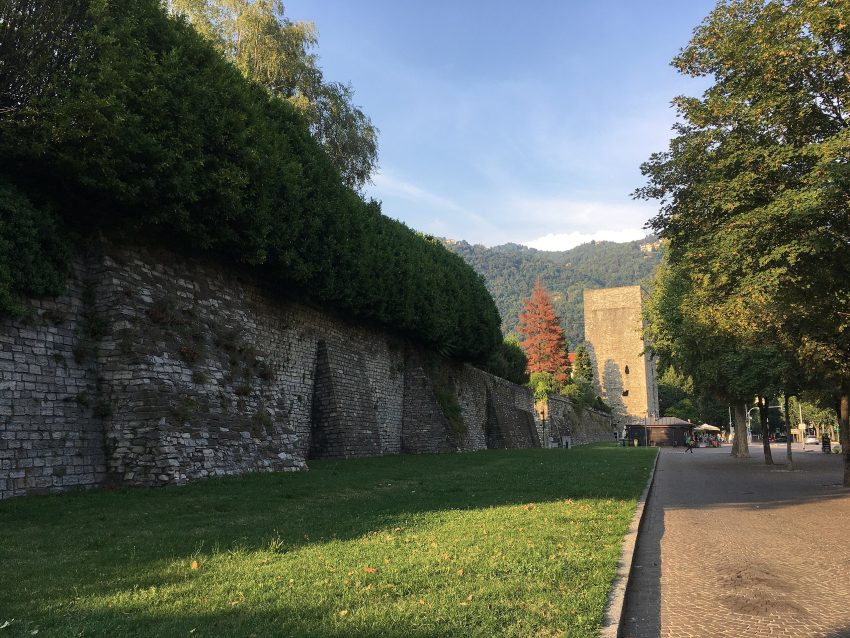
The Walls of Como are among the city's most fascinating historical features, wrapping the old town in layers of Roman, Byzantine, Lombard, and medieval heritage. Though only a few Roman fragments survive, the medieval walls-commissioned in 1158 by Emperor Federico Barbarossa-remain the most striking, forming one of the best-preserved urban fortification systems in Lombardy. They are one of the best places to visit in Como for travelers fascinated by ancient architecture and the military history of northern Italy.
Walking along the perimeter today reveals how these massive defenses once controlled access to Como and protected the city in times of war. The walls are often visited on walking tours of Como, providing a compelling look at centuries of conflict, trade, and strategic power shaped by Como's location at the gateway to the Alps.
Table of Contents
- History and Significance of the Walls of Como
- Things to See and Do Along the Walls of Como
- How to Get to the Walls of Como
- Practical Tips on Visiting the Walls of Como
- Where to Stay close to the Walls of Como
- Is the Walls of Como Worth Visiting?
- FAQs for Visiting the Walls of Como
- Nearby Attractions to the Walls of Como
History and Significance of the Walls of Como
Como’s fortified history began in 51 BCE, when Julius Caesar recognized the city’s strategic location near the Splügen Pass and ordered the construction of defensive walls. Only traces of these Roman fortifications remain, but they laid the foundation for a centuries-long evolution of military architecture. Over time, the city faced waves of threats-from invading armies to political rivals-each leaving its imprint on the walls.
The most prominent surviving defenses were commissioned in 1158 by Holy Roman Emperor Federico Barbarossa. Built slightly beyond the Roman originals, these walls took thirty years to complete and defined the city's medieval identity. Their endurance is remarkable, given that many Lombardy cities dismantled their fortifications; Como preserved its walls because its location remained strategically important.
Under Byzantine influence, the walls gained new towers and a deep defensive ditch. Later, the Lombards and other medieval rulers reinforced them further as prolonged conflicts-including the Ten Years War with Milan-put the city's survival at stake. During Visconti rule in the late medieval period, an internal citadel was added to protect the city's elite, a reflection of shifting power within the region.
By the 17th and 18th centuries, the walls gradually lost their defensive role as Como entered a period of relative peace. The city eventually preserved them as historical monuments, and in 1975 the council declared that no further modifications would be made. Today, these walls stand as open-air witnesses to two millennia of military and urban evolution.
Things to See and Do Along the Walls of Como
A walk along the exterior boulevards near the walls reveals their impressive scale and structure. Visitors can admire the thick stonework, rectangular towers, and the layout that once encircled the medieval city. The most iconic surviving gateway is Porta Torre, an imposing tower built in 1192 that anchors Piazza Vittoria and offers a vivid sense of Como's medieval strength.
Other noteworthy sections include the remains of smaller towers and stretches of curtain wall that trace the city’s defensive perimeter. Though no longer continuous, these fragments provide a fascinating glimpse into Como’s strategic landscape.
Photographers and history lovers will enjoy observing the contrast between ancient stonework and modern city life unfolding just beyond the walls. Traces of the Roman Porta Prætoria near Porta Torre add further depth, highlighting Como's layered heritage.
How to Get to the Walls of Como
The Walls of Como surround the historic center and are easy to reach from anywhere in the city. Most international travelers arrive via Milan Malpensa or Milan Linate airports, both well connected to Como by train and bus. For the best deals and a seamless booking experience, check out these flights to Como on Booking.com.
If arriving by train, Como San Giovanni station is a convenient starting point, offering quick access to the southern and western portions of the walls. Use Omnio to easily compare schedules, book train tickets, and find the best prices all in one place for a hassle-free journey across Italy.
Traveling by car is straightforward, though parking near the walls can be limited. Public garages around the perimeter of the old town provide the best access. If you are looking to rent a car in Italy I recommend having a look at Discover Cars, first, as they compare prices and review multiple car rental agencies for you.
Practical Tips on Visiting the Walls of Como
- Best time to visit the Walls of Como: Mornings or late afternoons for soft light and quieter streets.
- Entrance fee in Euros: Free to explore the exterior.
- Opening hours: Outdoor public access at any time.
- Official website: Search “Como city walls history” for local cultural resources.
- How long to spend: 30-60 minutes, longer if visiting Porta Torre or Roman remains.
- Accessibility: Most areas along the boulevards are accessible; some uneven surfaces near older sections.
- Facilities: Cafés, shops, and restrooms available throughout the old town.
- Photography tip: Capture Porta Torre from Piazza Vittoria to emphasize its height and defensive design.
- Guided tours: Often included in medieval- and Roman-themed city walks.
- Nearby food options: Plenty of trattorias and cafés along the outer and inner edges of the old town.
Where to Stay close to the Walls of Como
Staying near the historic center places the walls within easy reach of your accommodation. Albergo Firenze offers a central and convenient stay near the western portion of the walls. For lakeside elegance and close proximity to major landmarks, Palace Hotel is an excellent choice. A traditional option is Hotel Tre Re, located within walking distance of the walls, Porta Torre, and the cathedral.
Is the Walls of Como Worth Visiting?
Yes. The Walls of Como are one of the must-see places in Como for anyone interested in history, fortifications, or the city's layered evolution from Roman settlement to medieval stronghold. Their impressive scale, survival through centuries of conflict, and unique role in shaping Como's identity make them a rewarding stop for all types of travelers.
What Other Travellers Say...

Porta Torre is Como's famous medieval city gate on Piazza Vittoria, a tall Romanesque tower dating from 1192 that anchors the southern entrance to the old town and is surrounded by shops, restaurants and a lively Saturday market; visitors praise the atmospheric old town and carousel nearby, note the tower's impressive exterior and arched inner openings hinting at former wooden floors, but some say the tower itself isn't accessible and could benefit from better signage or maintenance.


FAQs for Visiting the Walls of Como
Nearby Attractions to the Walls of Como
- Porta Torre: The towering medieval gateway built in 1192.
- Porta Prætoria Ruins: Remnants of the ancient Roman southern gate.
- Basilica di San Fedele: A beautiful Romanesque church inside the old town.
- Como Cathedral: The city's magnificent Gothic-Renaissance landmark.
- Tempio Voltiano: A lakeside neoclassical museum honoring Alessandro Volta.
The Como’s Ancient City Walls appears in our Complete Guide to Visiting Como!

Moira & Andy
Hey! We're Moira & Andy. From hiking the Camino to trips around Europe in Bert our campervan — we've been traveling together since retirement in 2020!
This website uses affiliate links which may earn a commission at no additional cost to you!
Planning Your Visit
Nearby Attractions
- Torre Gattoni (0.2) km
Tower - Porta Torre (0.3) km
Tower - Basilica di San Fedele (0.4) km
Church - Museo Storico Giuseppe Garibaldi (0.4) km
Museum - Museo Archeologico Paolo Giovio (0.4) km
Museum - Torre San Vitale (0.5) km
Tower - Como Cathedral (0.5) km
Cathedral - Terme di Como Romana (0.6) km
Roman Site - Statua di Alessandro Volta (0.6) km
Statue - Broletto di Como (0.6) km
Town Hall