City Museum of Split
Historic Building, Historic Site and Museum in Split
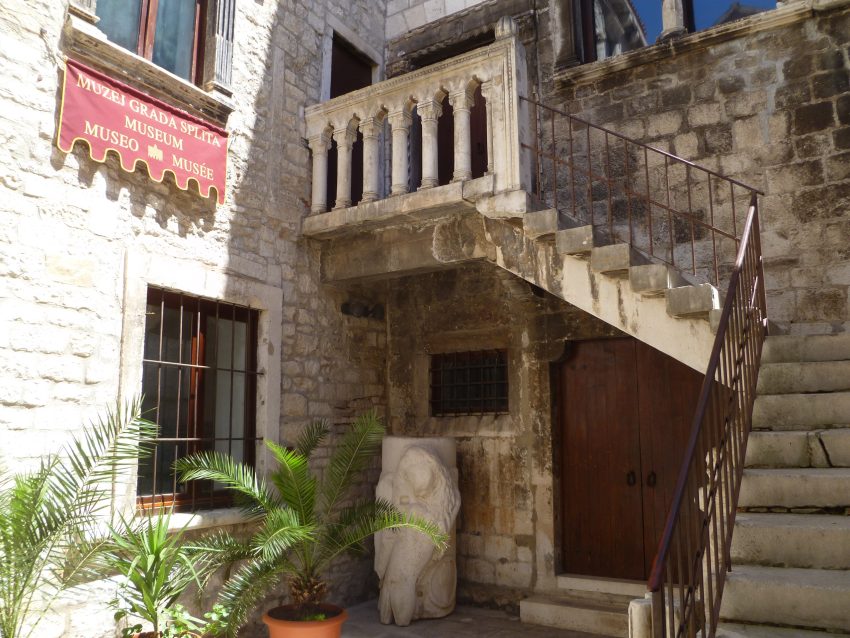
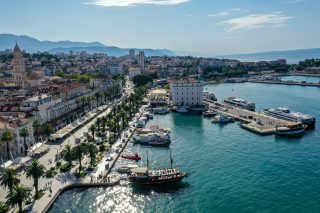
The City Museum of Split sits right in the heart of Split's UNESCO-listed historic core, woven into the living fabric of Diocletian's Palace. It's a small but modern-feeling museum that's especially rewarding if you want more context than a quick stroll through the old town can provide.
Because it's so central, the museum fits perfectly into a self-guided wander or a guided walking tour of the palace area, especially if you're already planning to see key nearby highlights like Peristyle Square, the palace gates, and the waterfront Riva promenade.
Table of Contents
- History and Significance of the City Museum of Split
- Things to See and Do in the City Museum of Split
- How to Get to the City Museum of Split
- Practical Tips on Visiting the City Museum of Split
- Where to Stay Close to the City Museum of Split
- Is the City Museum of Split Worth Visiting?
- For Different Travelers
- FAQs for Visiting City Museum of Split
- Nearby Attractions to the City Museum of Split
History and Significance of the City Museum of Split
The City Museum of Split helps connect the dots between Split's everyday street life and the deep history beneath it. Split didn't simply grow next to Diocletian's Palace; it grew inside it, adapting Roman walls, towers, and corridors into a medieval and later city.
One of the museum's big strengths is how it frames the palace not as a frozen monument, but as a place continuously reused and reshaped. That layered story matters in Split, where Roman stonework, Gothic details, and later urban additions often sit within a few steps of each other.
Recent excavation work and renewed displays have made the museum feel fresh and current, with a focus on tangible finds and clear interpretation. Even if you’re not a hardcore museum-goer, it’s an easy way to turn “beautiful ruins” into a narrative you can actually follow.
Things to See and Do in the City Museum of Split
Start with the excavation-focused areas and any in-situ remains you can view on site. Visitors often mention that seeing the uncovered layers and objects makes Roman-era Split feel immediate, not abstract.
Next, look for displays that explain how the palace functioned and how later residents repurposed it. This is the kind of context that makes your next walk through the palace basements, gates, and courtyards far more meaningful.
Finally, treat this museum as a “smart stop” rather than an all-day commitment. It’s commonly described as compact, so it works well as a focused visit between other old-town sights, or as a rainy-day reset when you still want something cultural without overplanning.
How to Get to the City Museum of Split
The nearest major airports are Split Airport (SPU) for the city itself, and Dubrovnik Airport (DBV) as a longer-distance alternative if flights are significantly cheaper or better timed. For the best deals and a seamless booking experience, check out these flights to Split on Booking.com.
If you're arriving by rail, note that Split is a terminus station and train options can be slower than buses on many routes, but it's still a scenic way to enter the city if it fits your itinerary. Train schedules and bookings can be found on Omio..
Driving can work well for reaching Split from elsewhere in Croatia, but once you're near the old town you'll want to park outside the tight historic core and continue on foot.
Practical Tips on Visiting the City Museum of Split
- Official website: https://mgs.hr/
- Entrance fee: Adults: €10; Concessions: €8; Family: €18; Under 7: free.
- Opening hours: Tuesday – Sunday: 09:00–20:00. Closed on Monday.
- Best time to visit: Go earlier in the day for a calmer experience in the palace area, or late afternoon if you want to pair it with sunset on the Riva afterward.
- How long to spend: Plan around 30–60 minutes for the museum itself, then add extra time if you like reading every label or photographing details.
- Accessibility: Expect historic-building constraints in the old town; if step-free access is important, confirm current access arrangements before you go.
- Facilities: Keep expectations modest; it’s a compact museum in the center, so plan café breaks and restrooms around nearby old-town options.
Where to Stay Close to the City Museum of Split
Base yourself in or right next to Split Old Town if you want to walk everywhere and dip in and out of palace-area sights without relying on transport.
Cornaro Hotel A polished, full-service option close to the historic core, ideal if you want comfort and an easy walk to the museum without sacrificing dining and nightlife nearby.
Hotel Park Split A classic choice near Bačvice Beach, great if you want a beach-and-city balance while still being within a manageable walk or short ride to the old town.
Heritage Hotel Antique Split A boutique stay with a strong sense of place, perfect for travelers who want to wake up inside the atmosphere of the palace area.
Hotel Luxe A practical mid-range base between the port/bus station area and the old town, useful for early ferries or day trips while keeping the museum close.
Radisson Blu Resort & Spa, Split Best for travelers who want resort amenities and a spa after sightseeing, with the tradeoff of being farther from the museum (but easy by taxi or bus).
Is the City Museum of Split Worth Visiting?
Yes, especially if you're curious about what you're actually looking at while wandering Diocletian's Palace. It's a compact, modern-feeling museum that adds real depth to the old town, with excavation-driven highlights and clear storytelling that can upgrade the rest of your Split itinerary.
Honest Pivot: If you're only in Split for a quick photo walk, a swim, and a sunset drink on the Riva, you may prefer to skip it and spend that time exploring the palace lanes freely. It's also not the best pick if you want a large, hours-long museum experience; this one is more of a focused, context-building stop.
What Other Travellers Say...

Reviews are very positive overall, with visitors praising the museum's fresh, recently updated feel and the way it explains Split's history through excavations and Roman-era discoveries. Many people like that it adds clear context to Diocletian's Palace and can be comfortably visited in a short time. The most common downside is that it's relatively small, so travelers expecting a large, multi-hour museum may find it brief.


For Different Travelers
The City Museum of Split is easy to slot into most itineraries because it's central and relatively quick to visit. The key is matching it to your pace: it shines as a “meaning-maker” for the palace rather than a standalone, all-day attraction.
Families with Kids
For families, the biggest win is the short visit time: it’s manageable even with limited attention spans. Pair it with a simple “treasure hunt” idea, like spotting Roman-era details and then finding similar stonework outside in the palace streets.
If your kids are younger, keep expectations flexible and focus on the most visual sections first. Follow up with a treat break in the old town or a run-around on the waterfront to balance indoor time.
Couples & Romantic Getaways
For couples, this museum works well as a low-stress cultural stop between long walks and meals. It’s especially nice on a hot afternoon when you want something enriching without committing to a long excursion.
Make it part of a palace-themed mini-itinerary: museum first for context, then a slow wander through the palace lanes, finishing with sunset along the Riva or dinner in the old town.
Budget Travelers
Budget travelers will appreciate that the museum is compact and delivers a lot of context quickly, which can make free wandering around the palace area feel more rewarding. It’s a smart “pay for one thing, enjoy the rest better” kind of stop.
To keep costs down, build your day around walkable highlights: palace gates, squares, and the waterfront are all nearby. Save paid add-ons (like extra museums or towers) for the sights you’re most excited about.
History Buffs
History buffs should absolutely prioritize this museum because it helps interpret Split as a layered city, not just a Roman monument. The excavation angle and the palace-focused context are exactly what turns casual sightseeing into informed exploration.
After your visit, you'll likely notice more outside: reused columns, altered walls, and the way later centuries adapted the Roman footprint. It's a great springboard for deeper dives into other nearby collections in Split.
FAQs for Visiting City Museum of Split
Getting There
Tickets & Entry
Visiting Experience
Tours, Context & Itineraries
Photography
Accessibility & Facilities
Food & Breaks Nearby
Safety & Timing
Nearby Attractions to the City Museum of Split
- Diocletian's Palace: The UNESCO-listed Roman palace complex that forms the living core of Split's old town.
- Peristyle Square: The palace’s central ceremonial courtyard and one of the most atmospheric gathering spots in the city.
- Cathedral of Saint Domnius: A landmark cathedral with a famous bell tower and layers of Roman-to-medieval history.
- Riva Promenade: Split's iconic waterfront walkway, ideal for a post-museum stroll and people-watching.
- Bačvice Beach: The city’s best-known sandy beach, great for a swim break after sightseeing.
The City Museum of Split appears in our Complete Guide to Visiting Split!

Moira & Andy
Hey! We're Moira & Andy. From hiking the Camino to trips around Europe in Bert our campervan — we've been traveling together since retirement in 2020!
This website uses affiliate links which may earn a commission at no additional cost to you!
Planning Your Visit
Tuesday - Sunday: 09:00-20:00.
Closed on Monday.
Adults: €10; Concessions: €8; Family: €18; Under 7: free.
Nearby Attractions
- Church of Saint Martin (0) km
Church and Historic Site - Golden Gate (0.1) km
City Gate, Historic Site and Roman Site - Cathedral of St. Domnius (0.1) km
Cathedral and Religious Building - Diocletian's Palace (0.1) km
Historic Building, Historic Site and Palace - Grgur Ninski Statue (0.1) km
Attraction, Monument and Statue - Podrum (0.1) km
Historic Room, Historic Site and Roman Site - Temple of Jupiter (0.1) km
Historic Site, Religious Building and Roman Site - Silver Gate (0.1) km
City Gate, City Walls and Historic Site - Vestibule (0.1) km
Courtyard, Historic Room and Historic Site - Iron Gate and Church of Our Lady of the Bell Tower (0.1) km
Church, City Gate and Historic Site