Dubrovnik, Croatia: The Ultimate Travel Guide 2026
The Complete Guide to Dubrovnik

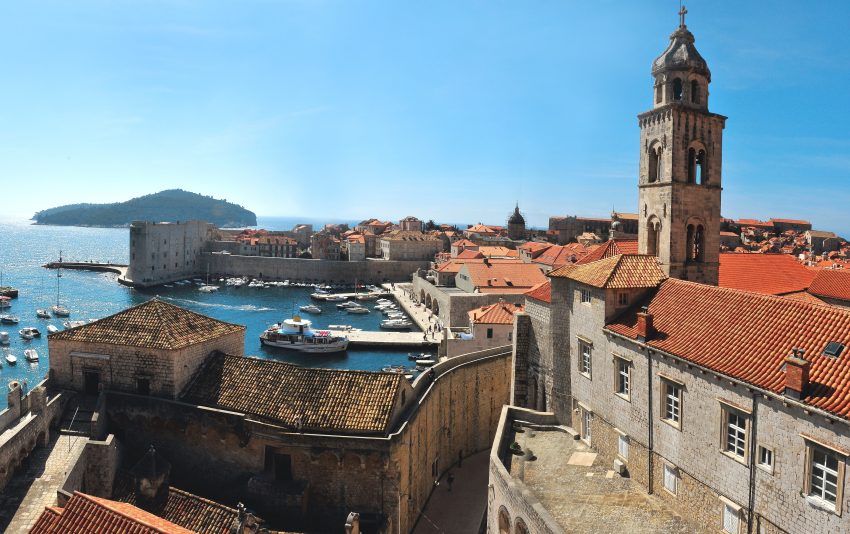
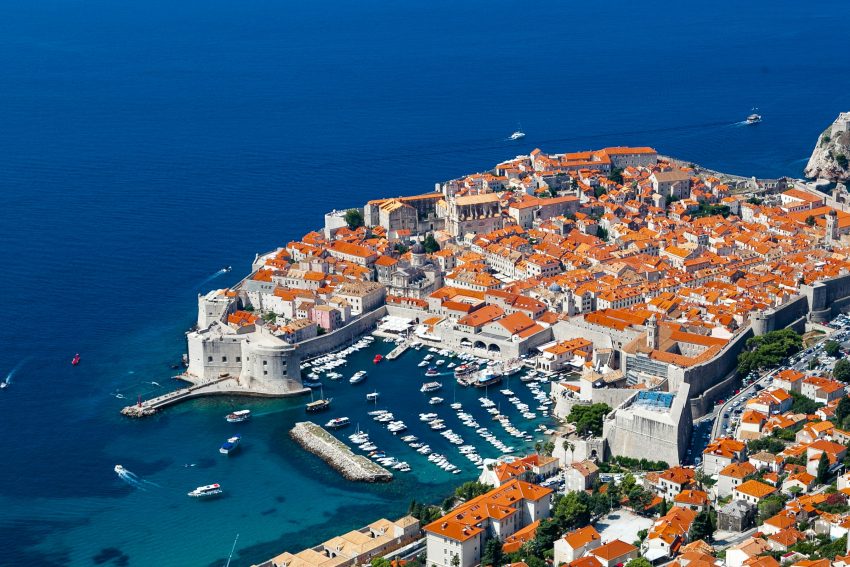
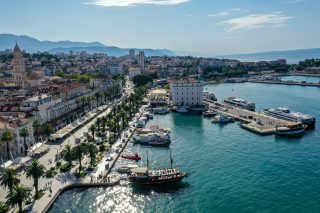
Dubrovnik is one of the Adriatic's most striking coastal cities, set in southern Croatia on the Dalmatian Coast, where limestone streets meet sea views and terracotta rooftops. The Old Town is compact and walkable, so it's easy to spend a day drifting between elegant squares, waterfront promenades, and viewpoints that make the city feel cinematic from almost every angle.

A visit here is best enjoyed at a relaxed pace: start early to catch the light on the stone lanes, pause for coffee on a shaded terrace, then build your day around a few “big moments” like the city walls, a cable-car panorama, or a boat ride to nearby islands. Dubrovnik also rewards simple pleasures-sunset along the harbor, a swim from rocky platforms, and lingering dinners where seafood and local wines take center stage.

While Dubrovnik is famous, it doesn't have to feel rushed if you plan smart. Staying just outside the busiest core, choosing morning or late-afternoon sightseeing, and mixing iconic landmarks with quieter neighborhoods will give you a more balanced experience. Whether you're here for culture, beaches, food, or scenery, the city's scale makes it easy to combine a lot without feeling like you're constantly in transit.

History of Dubrovnik

Dubrovnik in Antiquity and Early Foundations (7th–10th centuries)

Dubrovnik’s origins are commonly linked to the early medieval period, when communities sought safer, defensible ground and maritime trade began shaping local life. Over time, a settlement formed that would grow through seafaring connections, skilled craftsmanship, and a strategic approach to diplomacy.

As the city developed, its identity became increasingly tied to the sea. Early fortifications and organized civic structures laid the groundwork for a polity that would later become known for its autonomy, commercial reach, and administrative sophistication.

Dubrovnik as the Republic of Ragusa (11th–15th centuries)

During the Middle Ages, Dubrovnik evolved into a powerful maritime commune and then the Republic of Ragusa, building wealth through shipping, trade agreements, and a carefully managed network of consulates and merchants. The city’s leaders cultivated a reputation for negotiation and neutrality, often balancing relationships with larger regional powers.

This era saw major investments in public works, defenses, and institutions. Laws, archives, and civic planning helped the republic function efficiently, while shipbuilding and commerce supported a cosmopolitan atmosphere that attracted traders and visitors.

Dubrovnik’s Golden Age (16th century)

The 16th century is often considered Dubrovnik’s high point, when its merchant fleet and diplomatic skill allowed it to thrive despite shifting empires and conflicts around it. The city’s culture and learning flourished alongside its economy, and its urban fabric—palaces, churches, and public spaces—reflected both wealth and civic pride.

Dubrovnik’s leaders emphasized stability, public order, and the maintenance of defenses. The city’s maritime orientation remained central, with trade routes and seafaring expertise sustaining its prominence.

Dubrovnik After the 1667 Earthquake (17th–18th centuries)

A catastrophic earthquake in 1667 caused widespread destruction and loss of life, reshaping Dubrovnik’s architecture and society. Reconstruction followed, and many buildings were rebuilt in the styles and urban patterns that visitors recognize today.

Although the republic continued, the disaster marked a turning point. Economic and political pressures increased, and Dubrovnik’s relative influence gradually diminished compared with earlier centuries.

Dubrovnik Under Napoleonic Rule and the End of the Republic (1806–1815)

In the early 19th century, the republic’s independence came to an end amid the upheavals of the Napoleonic era. French administration introduced reforms and new governance structures, but it also dissolved the old republican system.

After the French period, control shifted again as European borders and authorities were reorganized. Dubrovnik’s political status changed, but its built heritage and civic identity remained deeply rooted.

Dubrovnik in the 20th Century and Modern Era (1918–present)

Across the 20th century, Dubrovnik experienced major political transitions and the pressures of modern tourism. In the early 1990s, the city suffered damage during the Croatian War of Independence, including shelling that impacted historic structures.

Extensive restoration and conservation efforts helped repair and preserve key monuments and streetscapes. Today, Dubrovnik’s global profile is tied to its cultural heritage, its resilient recovery, and its role as a leading destination in the Adriatic.

Moira & Andy
Moira & Andy

Hey! We're Moira & Andy. From hiking the Camino to trips around Europe in Bert our campervan — we've been traveling together since retirement in 2020!

Read our full story here

Visiting Dubrovnik for the first time and wondering what are the top places to see in the city? In this complete guide, I share the best things to do in Dubrovnik on the first visit. To help you plan your trip, I have also included an interactive map and practical tips for visiting!

This website uses affiliate links which earn a small commission at no additional cost to you.
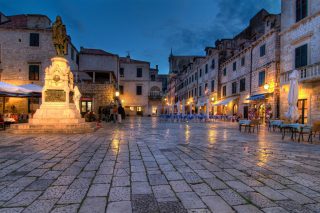
23 Best places to See in Dubrovnik

This complete guide to Dubrovnik not only tells you about the very best sights and tourist attractions for first-time visitors to the city but also provide insights into a few of our personal favorite things to do.

This is a practical guide to visiting the best places to see in Dubrovnik and is filled with tips and info that should answer all your questions!

1. Bogišićev Park

Bogišićev Park is a small green retreat just outside Dubrovnik’s Old Town near Pile Gate, where the city’s stone intensity gives way to shade and quiet. Named for 19th-century jurist and collector Baltazar Bogišić, it quietly nods to local intellectual heritage rather than grand monuments. Short, woodland-like paths wind under mature trees, with Mediterranean planting and benches that make it easy to pause and cool down. Its slightly elevated position creates an airy feel, and a few openings frame glimpses of red rooftops and, at times, the Adriatic. There’s also a simple playground, and the overall mood is calm—more a breather than a destination.
Location: Ul. Baltazara Bogišića, 20000, Dubrovnik, Croatia | Hours: 24 Hours. | Price: Free. | Distance: 1km

Here is a complete selection of hotel options in Dubrovnik. Feel free to review each one and choose the stay that best suits your needs.

2. Gradac Park

Gradac Park
Gradac Park
CC BY-SA 3.0 / Kigsz
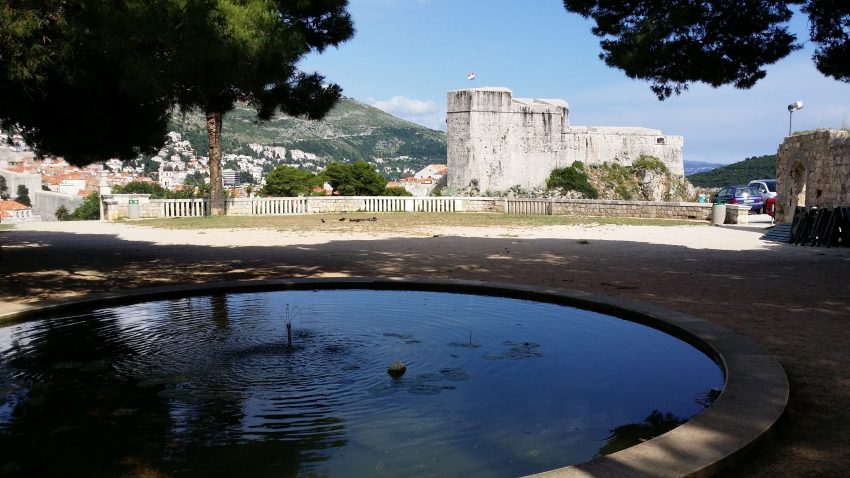
Gradac Park is a hillside green refuge just west of Dubrovnik’s Old Town, laid out in 1898 and long valued as the city’s oldest major public park. Winding paths under mature pines and Mediterranean plants lead to cliff-edge viewpoints where you can frame terracotta rooftops, Fort Lovrijenac, and the Adriatic in one sweep, especially from the terrace near the central fountain. A narrow route drops toward the rocky Danče shoreline, with the nearby Church of Saint Mary tied to a 15th-century Gothic-Renaissance complex. As of 2025 the park is closed for its first major renovation in over a century, planned to reopen in early 2026. Fans may recognize it from Game of Thrones’ “Purple Wedding” scenes.
Location: Ul. don Frana Bulića, 20000, Dubrovnik, Croatia | Hours: 24 Hours. | Price: Free. | Distance: 1.2km

Traveling to a country with a different currency? Avoid ATM transaction fees and pay in local currency with a Wise Card. Having used it for over 5 years, we've saved loads on fees!

3. Dubrovnik West Harbour and Pier

Dubrovnik West Harbour and Pier
CC BY-SA 4.0 / LBM1948
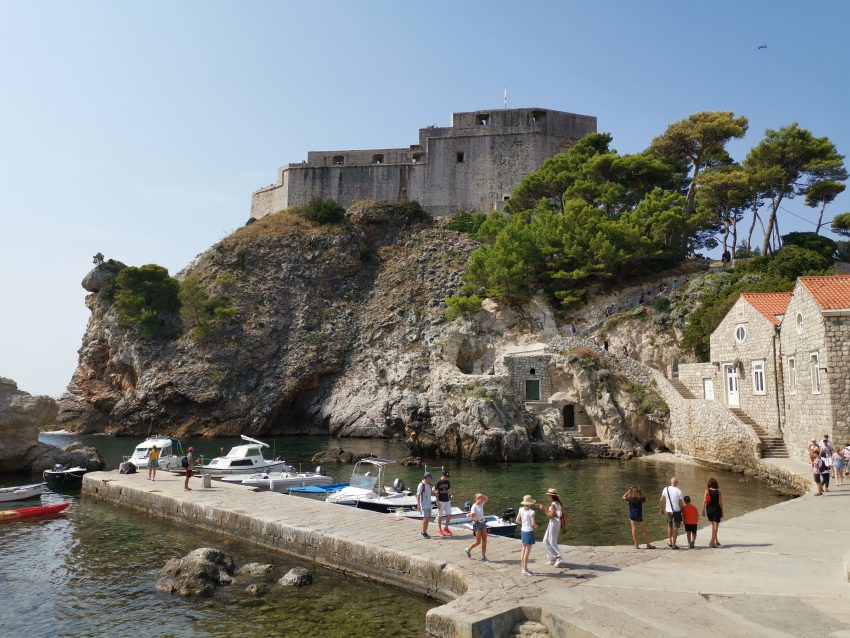
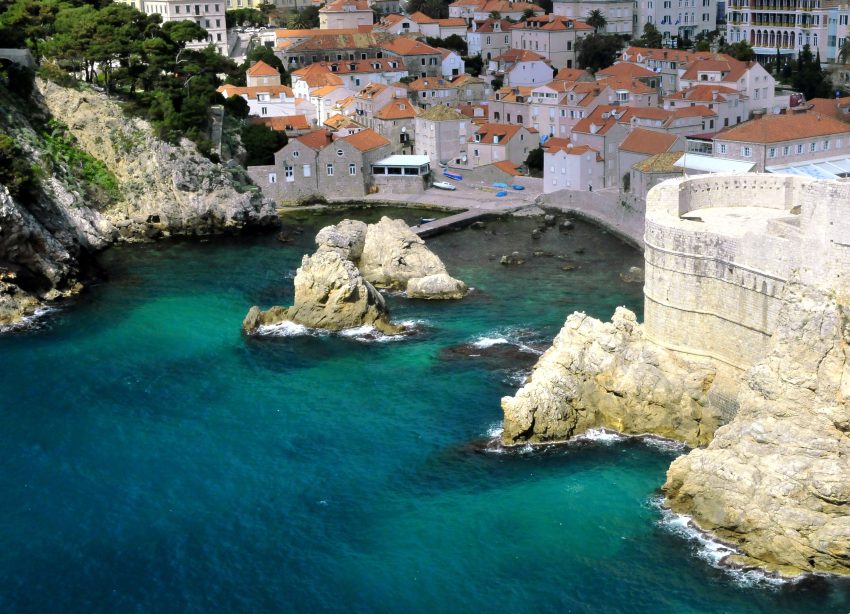
Dubrovnik West Harbour and Pier (Kolorina) is a small stone quay just outside the Old Town walls, tucked beneath Fort Lovrijenac and near Pile Gate, where boats and fishermen still moor in calm water. It matters because this sheltered inlet once functioned as a key sea approach to the fortified city, showing how Dubrovnik’s defenses met everyday maritime life. Standing on the pier, you feel the salt air and hear water tapping the rocks while the western walls rise sharply above the Adriatic. The spot also carries a pop-culture layer: it doubled as Blackwater Bay in Game of Thrones, with scenes like Myrcella’s departure and the Gold Cloaks’ grim roundup filmed here.
Location: Ul. Skalini dr. Marka Foteza 2, 20000, Dubrovnik, Croatia | Hours: 24 Hours. | Price: Free. | Distance: 1.3km

Explore Dubrovnik at your own pace with our self-guided walking tour! Follow our curated route to discover must-see sights and local secrets that makes Dubrovnik one of the best places to visit in Croatia.

4. Fort Lovrijenac

Fort Lovrijenac
Fort Lovrijenac
CC BY-SA 4.0 / Z thomas
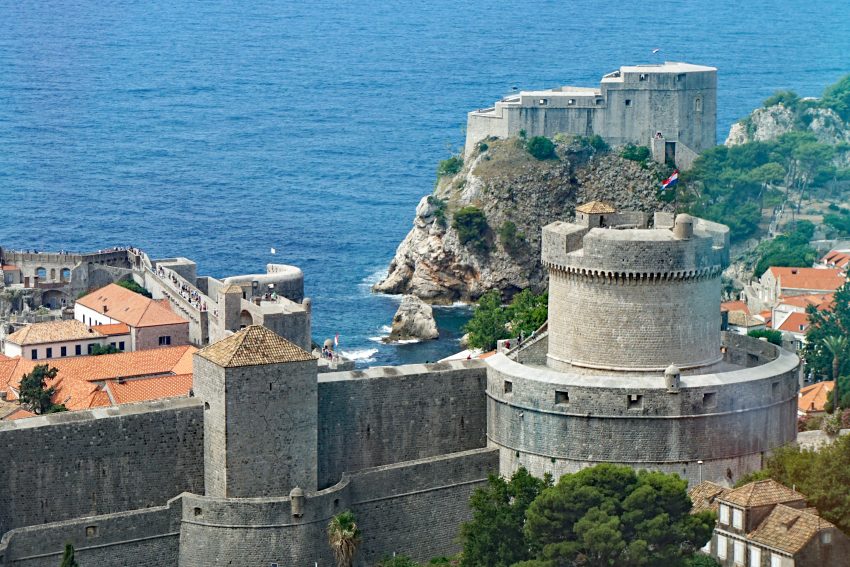
Fort Lovrijenac (St. Lawrence Fortress) is Dubrovnik’s sea-facing citadel, perched on a 37‑meter cliff just outside the western edge of the Old Town. Built in the early 11th century to block Venetian threats, its triangular design makes the strategy visible: up to 12‑meter-thick walls toward the Adriatic and far thinner defenses on the landward side. Above the entrance, the Latin inscription declaring that freedom isn’t for sale sets the tone for the place’s role in Dubrovnik’s independence. Inside, you climb between stone terraces and vaulted spaces that frame sweeping views of the city walls, red roofs, and open water. It also doubles as a stage for Dubrovnik Summer Festival performances and as Game of Thrones’ Red Keep.
Location: Ul. od Tabakarije 29, 20000, Dubrovnik, Croatia | Hours: Check official website. | Price: Check official website. | Website | Distance: 1.3km

5. Minceta Tower

Minceta Tower
Minceta Tower
CC BY-SA 4.0 / Mariordo (Mario Roberto Durán Ortiz)
Minčeta Tower is the highest landward strongpoint of Dubrovnik’s city walls, built in 1463–64 when fears of Ottoman attack shaped every stone of the defenses. Begun as a four-sided fort on land owned by the Menčetić family, it was reworked into a narrow round tower by Michelozzo, then further refined by Giorgio da Sebenico, with walls up to six meters thick and protected gun ports. Climbing to the battlements, you read the Old Town like a plan: terracotta roofs inside the ring of fortifications and the rugged outer works beyond. Beneath it, excavations revealed Gornji ugao, a 16th-century cannon foundry. Fans may recognize its “doorless” exterior from Game of Thrones as the House of the Undying.
Location: Ul. Ispod Minčete 9, 20000, Dubrovnik, Croatia | Hours: Daily: 08:00–18:30. | Price: Adults: €40; Children (7–18): €15. | Website | Distance: 1.4km

6. Fort Bokar
Fort Bokar
Fort Bokar
CC BY-SA 4.0 / Marcin Konsek
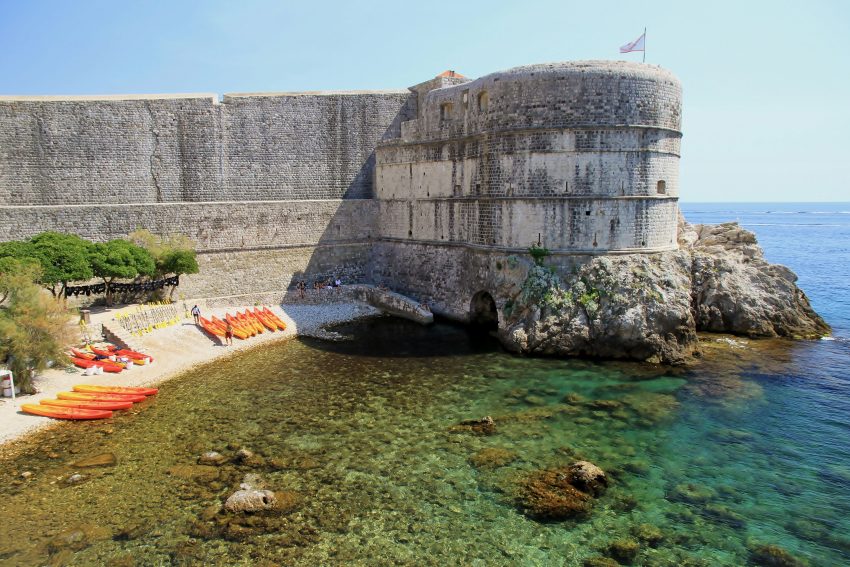
Fort Bokar (Tvrđava Bokar), also called Zvjezdan, is a compact two-level casemate fortress that juts outward from Dubrovnik’s western city walls to guard the Pile Gate and the vulnerable land-and-sea approach. Designed by Florentine architect Michelozzo di Bartolomeo, it was begun in 1461 and strengthened in 1570, with a rounded, artillery-ready form that still reads as pure function. Part of the structure stands on arched supports over jagged rock, with waves washing beneath it, so the sea is as present as the stone. From the ramparts, you feel the sharp contrast between open Adriatic blues and the tight grid of Old Town rooftops. In summer, it also becomes an open-air stage for the Dubrovnik Summer Festival.
Location: Od Puća 20, 20000, Dubrovnik, Croatia | Hours: Daily: 08:00–18:30. | Price: Included with Dubrovnik City Walls ticket or Dubrovnik Pass. | Website | Distance: 1.4km

7. Pile Gate
Pile Gate
Pile Gate
CC BY-SA 3.0 / Sailko
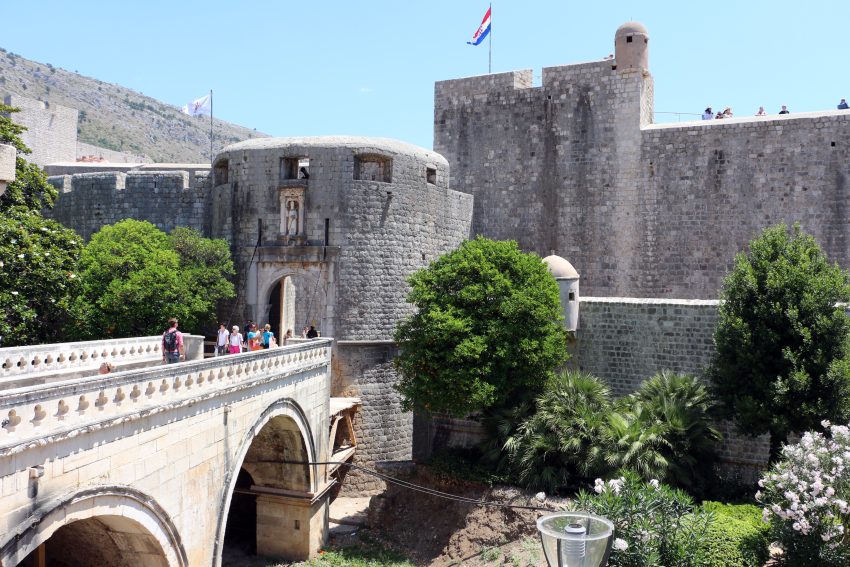
Pile Gate is the main western entrance into Dubrovnik’s walled Old Town, delivering you straight onto Stradun after a deliberately controlled approach. It’s a two-part gateway—an inner gate from 1460 and an outer gate from 1537—set up as a layered defense with a dry moat that’s now a strip of landscaped ground between walls. You cross a stone bridge with Gothic arches (designed in 1471 by Paskoje Miličević) and pass the spot where a wooden drawbridge once rose at night to seal the city. Above the arch, a Romanesque Saint Blaise holds a model of Dubrovnik, a small detail many people miss amid the crowds.
Location: Dubrovačke Gradske Zidine, 20000, Grad, Dubrovnik, Croatia | Hours: 24 Hours. | Price: Free. | Distance: 1.4km

8. Dubrovnik Ethnographic Museum
Dubrovnik Ethnographic Museum
All Rights Reserved / dumus.hr
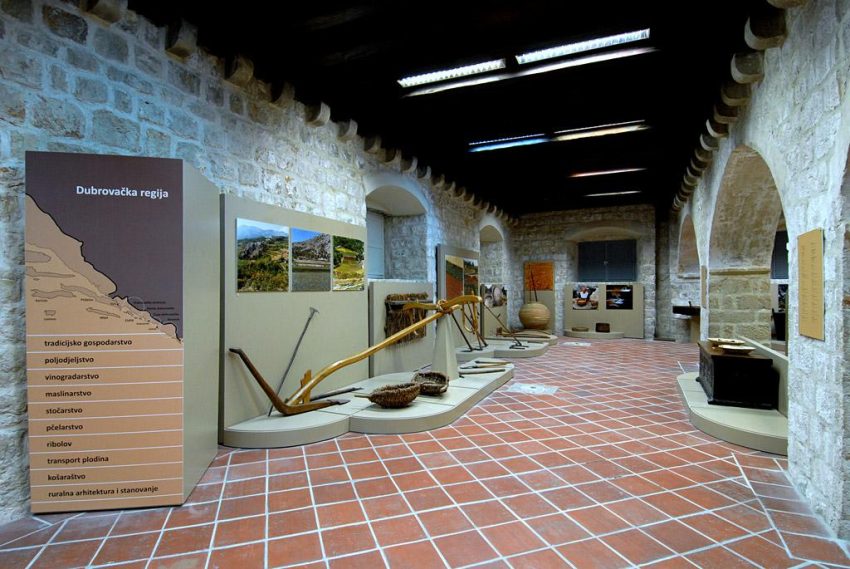
The Dubrovnik Ethnographic Museum (Rupe) is a small museum in Dubrovnik’s Old Town dedicated to the region’s everyday life, crafts, and customs. It occupies a late-16th-century stone granary, where deep rock-cut silos—“rupe”—are still visible, underscoring how the former Republic of Dubrovnik protected grain supplies in hard times. Inside, visitors linger over finely worked traditional costumes, textiles, and embroidery, then move through displays of household tools, farming and fishing equipment, and room-like reconstructions of kitchens and workshops. Black-and-white photographs and small documentary details make the past feel personal, and the uphill setting rewards you with quiet window views across the rooftops.
Location: Ul. od Rupa 3, 20000, Dubrovnik, Croatia | Hours: (Summer) April 1 – October 31; Tuesday: Closed; Monday, Wednesday, Thursday, Friday, Saturday, Sunday: 09:00–18:00. (Winter) November 1 – March 31; Tuesday: Closed; Monday, Wednesday, Thursday, Friday, Saturday, Sunday: 09:00–16:00. | Price: Adults: €8; Students: €5; Family (up to 2 adults with children up to 14): €20; 10 Museums combined ticket: €20 (students €10; family €45). | Website | Distance: 1.5km

9. Saint Saviour's Church
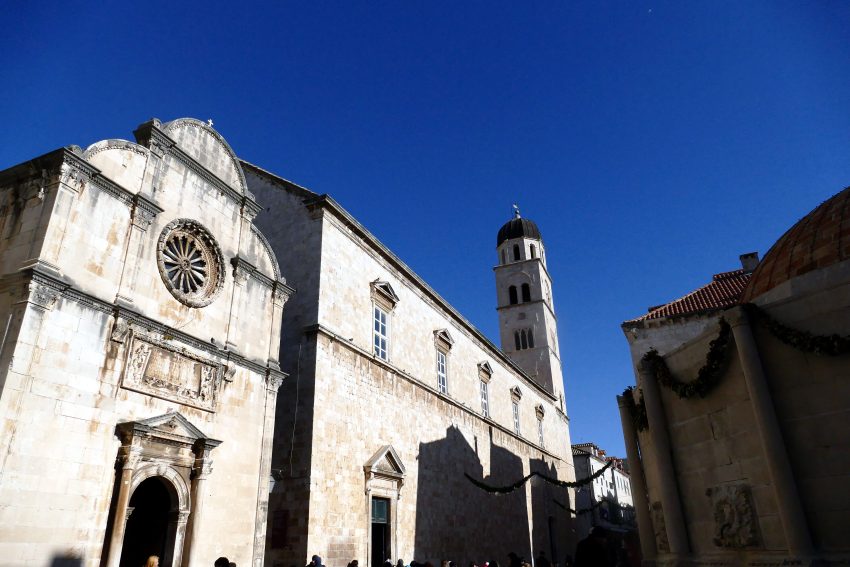
Saint Saviour’s Church
CC BY-SA 2.0 / donald judge
Saint Saviour’s Church is a small votive church just inside Dubrovnik’s Pile Gate, pressed between the city walls and the Franciscan complex, so most visitors notice it within minutes of entering the Old Town. It was commissioned by the Republic of Ragusa after the May 17, 1520 earthquake, as a public vow of thanks that the city was spared worse. Look closely at the mix of styles: a Renaissance front with a curved, trefoil-like top and a portal framed by slim columns and a triangular pediment, set against Gothic touches like pointed side windows and a ribbed vault. An inscription above the entrance records the gratitude, and the rose window famously survived the catastrophic 1667 quake intact.
Location: Poljana Paska Miličevića, 20000, Dubrovnik, Croatia | Hours: Check official website. | Price: Free; donations appreciated. | Distance: 1.5km

10. Franciscan Monastery & Museum
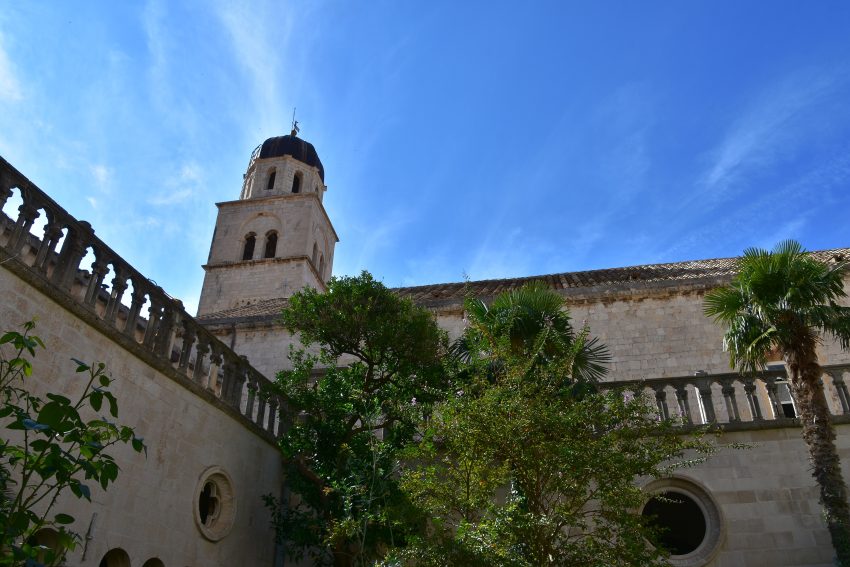
Franciscan Monastery & Museum
CC BY-SA 2.0 / Richard Mortel
The Franciscan Monastery & Museum in Dubrovnik’s Old Town is a centuries-old complex that shows how the city’s religious orders also served learning and early healthcare. Founded outside the walls and moved inside in 1317, it encloses two memorable cloisters—an upper Renaissance arcade and a lower Romanesque-Gothic courtyard ringed by double columns with carved flora and fauna. In the center, a fountain and a statue of St. Francis reinforce the hush that visitors notice after the street noise. The Minor Friars Pharmacy preserves stock records dating to 1317 and displays 15th–16th century cabinetry from Siena and Florence. The museum adds presses, mortars, a 14th-century still, and rare manuscripts; photography is often restricted indoors.
Location: Stradun 30, 20000, Dubrovnik, Croatia | Hours: (Summer) Daily: 09:00–18:00. (Winter) Daily: 09:00–14:00; Closed on Sunday. | Price: Adults: €8; Adults (groups 10+): €6; Pupils/Students: €4; Children (up to 7): free; Free with Dubrovnik Pass. | Website | Distance: 1.5km

11. Large Onofrio's Fountain
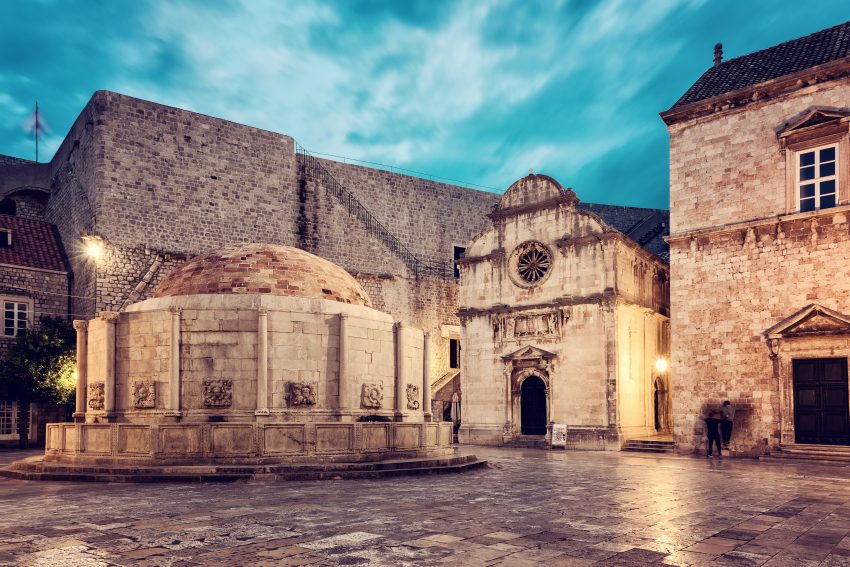
Large Onofrio’s Fountain
CC BY-SA 4.0 / Larisa Uhryn
Large Onofrio’s Fountain stands just inside Pile Gate at the start of Dubrovnik’s Stradun, a hefty sixteen-sided stone basin that still pours cool drinking water. Built in 1438 to cap the city’s aqueduct, it was part of Onofrio di Giordano della Cava’s 7.5-mile system bringing water from Knezica Spring into the walled town—vital infrastructure for a siege-minded republic. Up close, each of the 16 panels carries a carved maskeron spout, and a small “Kuchak” (fountain dog) figure sits on the rim as a replica after the 1667 earthquake damage. Visitors remember the quick bottle refill, the crowd pausing in the shade, and the reddish brick cupola above.
Location: Poljana Paska Miličevića 2000, 20000, Dubrovnik, Croatia | Hours: 24 Hours. | Price: Free. | Distance: 1.5km

12. Stradun Street
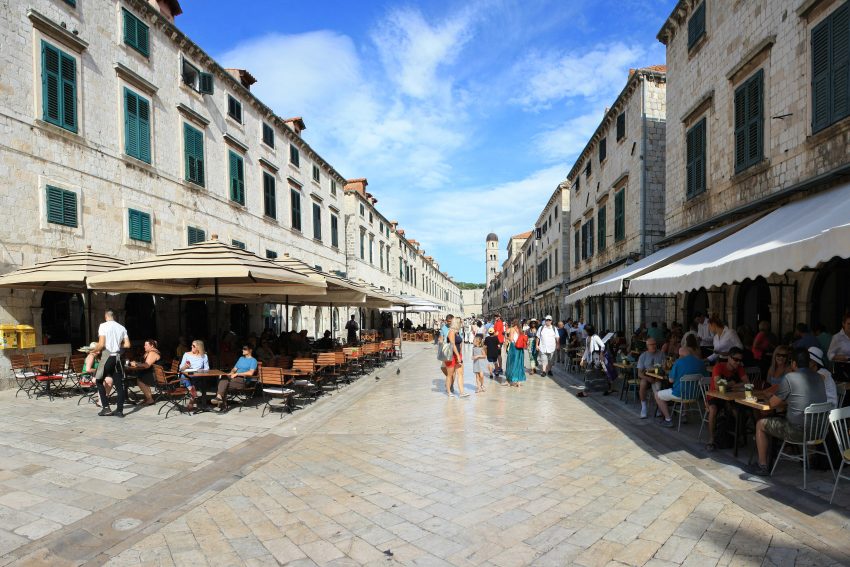
Stradun Street
Stradun Street
CC BY-SA 4.0 / Sopina Ana
Stradun (Placa) is Dubrovnik’s broad, limestone-paved pedestrian main street, running straight through the walled Old Town from Pile Gate in the west to Ploče Gate in the east. It matters because it’s the city’s central public spine, rebuilt into a uniform 17th-century streetscape after the 1667 earthquake and the fire that followed, with regulated façades and shopfronts set under semicircular arches. Underfoot, the pale stone is polished slick by centuries of traffic, shining most after rain and in low evening light. The street still functions as a civic stage, filling for processions and festivals such as the Feast of Saint Blaise on 3 February, and it’s made for slow strolling and café people-watching.
Location: Stradun, 20000, Dubrovnik, Croatia | Hours: 24 Hours. | Price: Free. | Distance: 1.5km

13. Dubrovnik Cable Car
Dubrovnik Cable Car
Dubrovnik Cable Car
CC BY-SA 4.0 / MarcChu
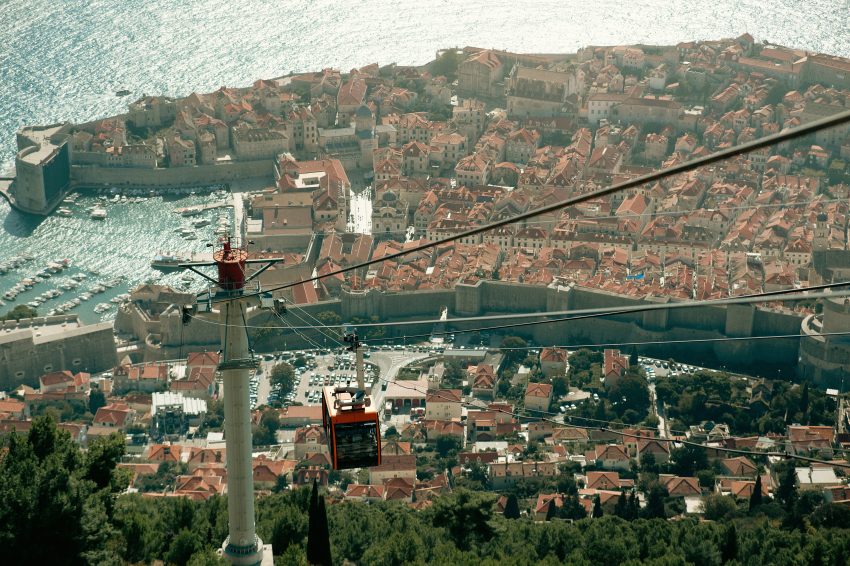
Dubrovnik Cable Car is the quickest way to reach the summit of Mount Srđ (778 m) for a sweeping look down on Dubrovnik’s Old Town, its walls, and the Adriatic with the nearby islands. First built in 1969, the line runs in two cabins carrying up to 30 passengers, climbing to the top in about three to five minutes. On clear days the horizon can stretch roughly 60 km, and sunset draws the biggest crowds for photos. Near the upper station, the early-19th-century Imperial Fortress anchors the ridge, and many visitors also step into the Museum of Homeland War for documents and footage from the 1991–1995 conflict. A restaurant, café, and souvenir shop round out the summit stop.
Location: Ul. Kralja Petra Krešimira IV. 10A, 20000, Dubrovnik, Croatia | Hours: January: Closed. February: Closed. March: Closed. April: 09:00–21:00. May 1 – 14: 09:00–22:00. May 15 – 31: 09:00–23:30. June: 09:00–24:00. July: 09:00–24:00. August: 09:00–24:00. September 1 – 14: 09:00–24:00. September 15 – 30: 09:00–23:00. October 1 – 20: 09:00–21:00. October 21 – 31: 09:00–20:00. November: 09:00–17:00. December: Closed. | Price: Adults: €30 (round-trip) or €17 (one-way). Children (4–12): €8 (round-trip) or €5 (one-way). Under 4: free. | Website | Distance: 1.6km

14. St. Dominic Street
St. Dominic Street
St. Dominic Street
CC BY-SA 2.0 / Nomads Travel Guide
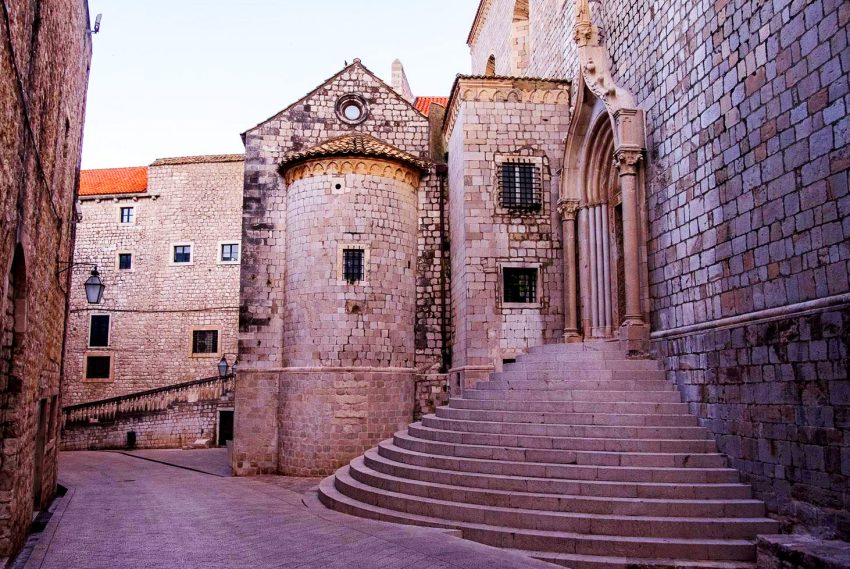
St. Dominic Street (Ulica Svetog Dominika) is a narrow, stone-stepped lane in Dubrovnik’s Old Town that runs between Ploče Gate and Stradun, drawing you away from the main flow toward the Old Port side. It matters less as a destination than as a memorable slice of the city’s medieval “stone labyrinth,” where warm limestone catches the light and the street tightens into a steep corridor. In recent years it’s also become a pop-culture waypoint: Game of Thrones used it for King’s Landing market scenes and City Watch moments, including a protest speech staged on the monastery steps and Cersei’s walk of penance. Travelers often linger for the stairway sightlines and quick photo stops.
Location: Ul. Svetog Dominika 4, 20000, Dubrovnik, Croatia | Hours: 24 Hours. | Price: Free. | Website | Distance: 1.7km

15. Jesuit Stairs
Jesuit Stairs
Jesuit Stairs
CC BY-SA 3.0 / Sailko
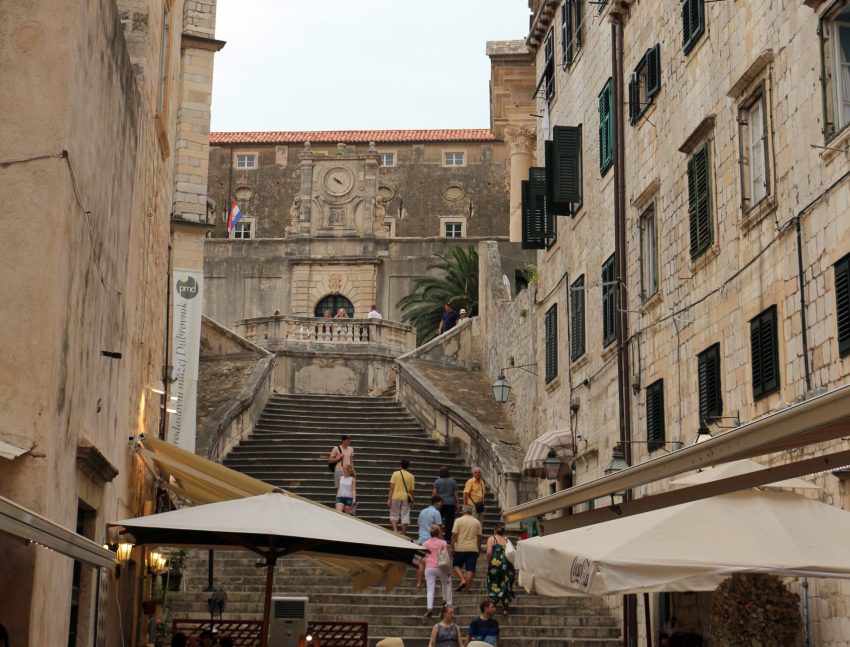
Dubrovnik’s Jesuit Stairs are a grand Baroque stone staircase (built in 1738) designed by Roman architect Pietro Passalacqua, climbing from Gundulić Square up toward the Jesuit complex. Their balanced, Spanish Steps–like sweep turns a simple climb into a theatrical viewpoint, with pale steps rising tightly between Old Town walls. At the top you emerge onto Uz Jezuite Street by the Church of St. Ignatius of Loyola and the former Jesuit College (Collegium Ragusinum), whose elevated position the staircase was meant to emphasize. Down below, the market in Gundulić Square adds daily bustle—and at noon, the sudden swarm of pigeons drawn to scattered grain is a memorable, slightly eerie moment.
Location: Ul. Josipa Jurja Strossmayera 2, 20000, Dubrovnik, Croatia | Hours: 24 Hours. | Price: Free. | Distance: 1.7km

16. Saint Ignatius Church

Saint Ignatius Church
CC BY-SA 3.0 / AwOiSoAk KaOsIoWa
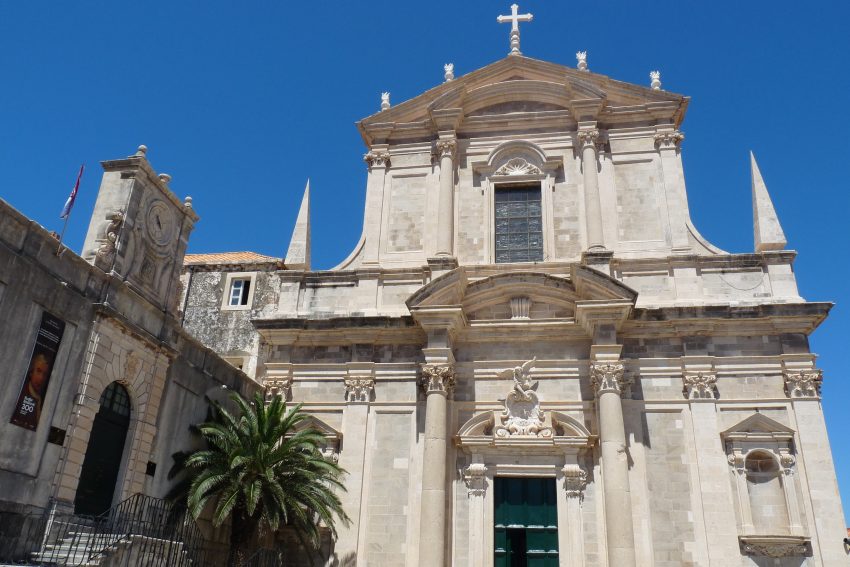
Saint Ignatius Church is a Jesuit Baroque church in Dubrovnik’s Old Town, reached by climbing the dramatic Jesuit Steps that echo Rome’s Spanish Steps. Completed in 1725 as a single-nave church, it pairs a High Baroque façade—free-standing columns, an ornate portal, and sculpted angels—with an interior designed to draw your eye upward. Inside, look for Gaetano Garcia’s frescoes depicting the life of Saint Ignatius and the daylight that filters through a stained-glass roof. A surprising detail is the 1885 Lourdes grotto, painted by Jesuit artist Antonio Moscheni, adding a devotional, almost theatrical corner to the space. The small square at the top of the steps feels like a stage set.
Location: Poljana Ruđera Boškovića 7, 20000, Dubrovnik, Croatia | Hours: Monday: 18:00. Tuesday: 18:00. Wednesday: 18:00. Thursday: 18:00. Friday: 18:00. Saturday: 18:00. Sunday: 08:00 & 11:00 & 18:00. | Price: Free; donations appreciated. | Website | Distance: 1.7km

17. Dominican Monastery and Museum

Dominican Monastery and Museum
CC BY-SA 4.0 / LBM1948
The Dominican Monastery and Museum in Dubrovnik’s Old Town (founded in 1315) is a calm Gothic cloister complex with a shaded courtyard, medieval well, and a bell tower that mixes Romanesque through Baroque elements. Damaged in the 1667 earthquake and later rebuilt, it still feels like a working slice of the city’s monastic past. The small museum and library reward close looking: 216 incunabula, illustrated manuscripts, and religious artworks such as triptychs, church vessels, and a reliquary said to hold the skull of Hungary’s King Stephen I. Visitors often remember the cool stone arcades and the quiet, lightly visited atmosphere.
Location: Ul. Svetog Dominika 4, 20000, Dubrovnik, Croatia | Hours: (Summer) May 1 – October 31; Daily: 09:00–18:00. | Price: Check official website. | Website | Distance: 1.7km

18. Saint Blaise's Church

Saint Blaise’s Church
CC BY-SA 2.0 / Nan Palmero
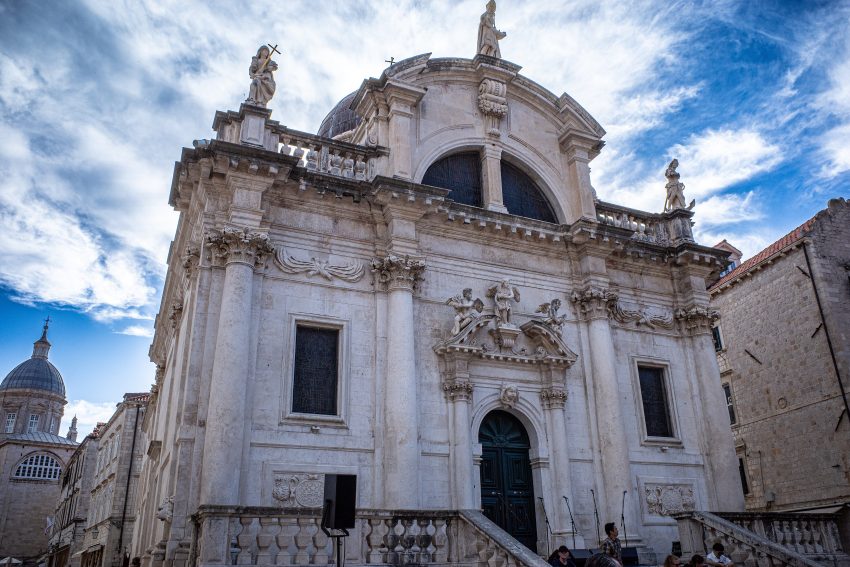
Saint Blaise’s Church (Crkva sv. Vlaha) stands on Luža Square in Dubrovnik’s Old Town, dedicated to Sveti Vlaho, the city’s patron saint credited with warning Dubrovnik of a Venetian attack in 971. Built in 1715 by Venetian architect Marino Groppelli on the foundations of an earlier Romanesque church, it’s a Baroque structure with a single nave and a Greek-cross plan. Visitors notice the pale façade framed by four Corinthian columns, topped by a statue of Saint Blaise with Faith and Hope beside him, and the oblong cupola above. Inside, the barrel-vaulted space leads to a marble main altar and a 15th-century Gothic statue of the saint holding a model of the former church.
Location: Rkt. crkva sv. Vlaha, Luža ul. 2, 20000, Dubrovnik, Croatia | Hours: Monday – Sunday: 08:00–16:00. | Price: Free; donations appreciated. | Distance: 1.7km

19. Rector's Palace

Rector’s Palace
Rector’s Palace
CC BY-SA 4.0 / Z thomas
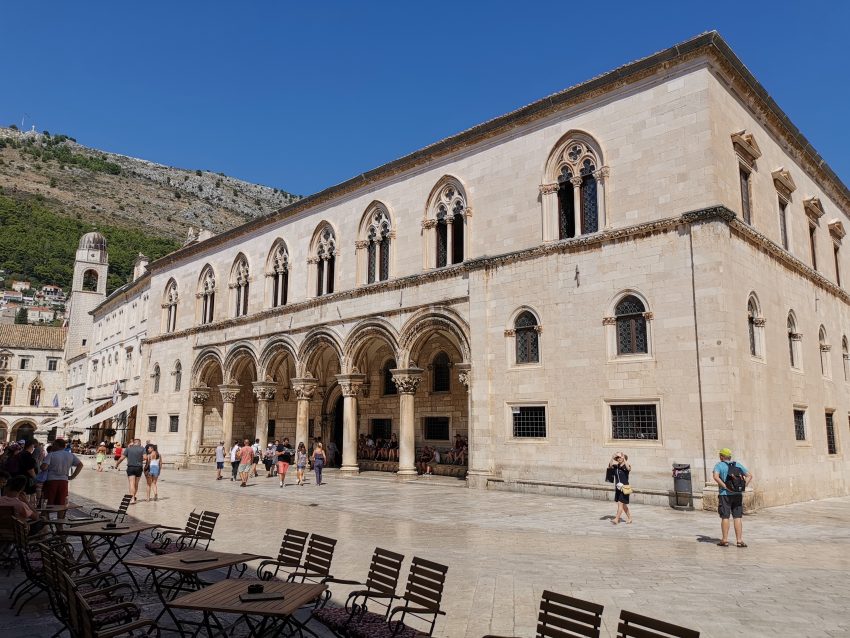
Rector’s Palace (Knežev dvor) in Dubrovnik’s Old Town was the Rector’s temporary residence and the working core of the Republic of Ragusa, also housing councils, an arsenal, a prison, and even the keys to the city gates. Rebuilt repeatedly after disasters—including a 1463 explosion—it blends Gothic structure with later Renaissance and Baroque touches. Visitors linger in the airy atrium, where Corinthian columns frame a small 15th-century fountain and a Baroque staircase rising to the gallery, and the portico’s carved capitals and loggia benches feel made for people-watching. Today it’s the Museum of Dubrovnik, displaying portraits, coins, seals, and council archives that make the city’s civic life tangible.
Location: Ul. Pred Dvorom 3, 20000, Dubrovnik, Croatia | Hours: (Summer) April 1 – October 31; Daily: 09:00–18:00. (Winter) November 1 – March 31; Tuesday – Sunday: 09:00–16:00. Closed on Monday. | Price: Adults: €15; Schoolchildren & students: €8; Family (up to 2 adults with children aged 14 or younger): €35. | Website | Distance: 1.7km

20. Sponza Palace

Sponza Palace
Sponza Palace
CC BY-SA 2.0 / Richard Mortel
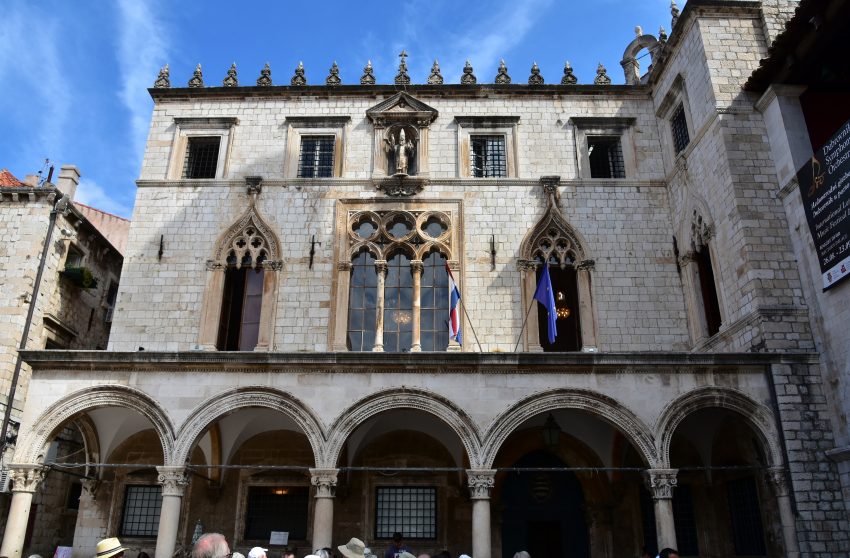
Sponza Palace is a 16th-century civic building in Dubrovnik’s Old Town, originally the customs house (also known as Divona) and later used as a mint, treasury, armory, and bank—evidence of the Republic of Ragusa’s tightly run public life. Its architecture is a deliberate mix: a five-arch Renaissance portico on Luža Square with slender Corinthian columns below, Gothic triforium openings above, and a niche with a statue of Saint Blaise. Look for the moralizing inscription about honest measures carved on an arch, and step into the calm atrium where documents and small exhibits may be shown. Many visitors linger longest in the Memorial Room of Defenders, a stark reminder of the 1990s war.
Location: Stradun 2, 20000, Dubrovnik, Croatia | Hours: Monday – Saturday: 09:00–21:00. Sunday: 09:00–15:00. | Price: Check official website. | Website | Distance: 1.7km

21. Luža Square
Luža Square
Luža Square
CC BY-SA 4.0 / Sopina Ana
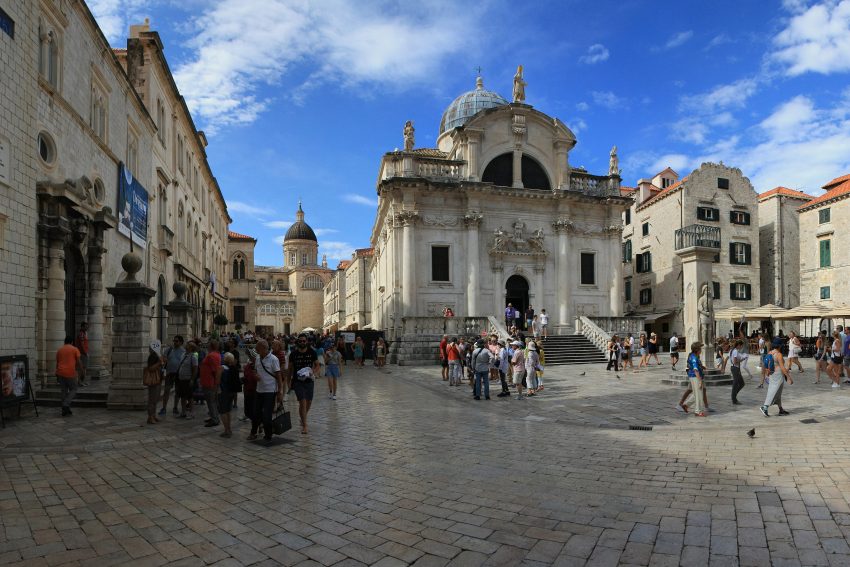
Luža Square (Trg Luža) is a compact plaza at the eastern end of Dubrovnik’s Stradun, where the Old Town’s civic life has long played out. In a tight loop you’ll pass the Sponza Palace beside the Bell Tower and its gateway toward the harbor, plus Orlando’s Column and the Church of Saint Blaise facing the open space. Onofrio’s Small Fountain and the City Guard building add smaller, easy-to-miss details, while the bronze statue of playwright Marin Držić sits near his namesake theatre. Today it’s often crowded with tour groups and events, but step into a church to cool off and watch the steady flow of locals and visitors across the stone.
Location: Luža ul., 20000, Dubrovnik, Croatia | Hours: 24 Hours. | Price: Free. | Distance: 1.7km

22. Gate of Ploče
Gate of Ploče
Gate of Ploče
CC BY-SA 2.0 / donald judge
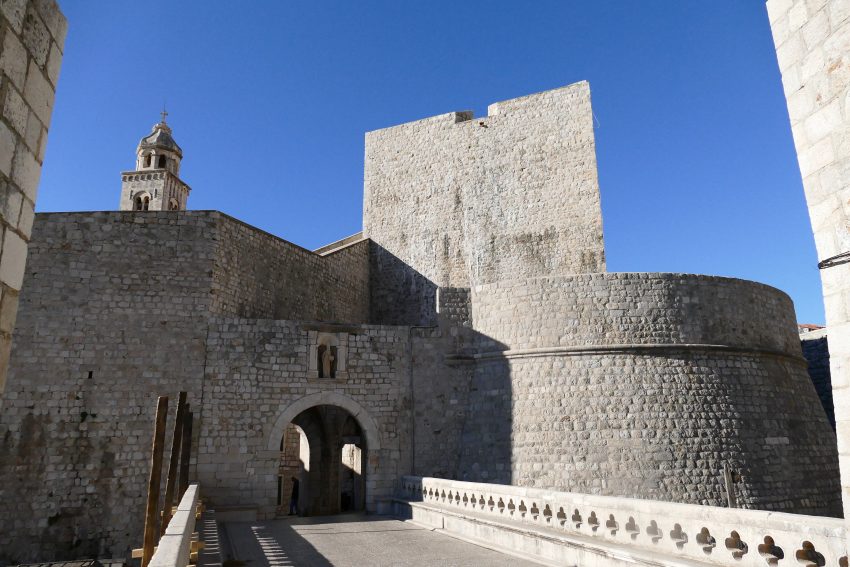
The Gate of Ploče is Dubrovnik’s eastern entrance through the land walls, built as a layered checkpoint with an outer and inner gate. You approach it over a twin-arched stone bridge and a wooden drawbridge spanning a defensive ditch, with the freestanding Revelin Fortress positioned to guard the passage. Look up for the statue of Saint Blaise watching over the gateway, and notice the Romanesque massing mixed with later refinements—architect Mihajlo Hranjac oversaw the outer gate in 1628, while the bridges trace back to 15th-century builder Paskoje Miličević. Visitors tend to pause for the carved openings and the way the walls, rooftops, and sea line up in one frame.
Location: Ul. Frana Supila 2-4, 20000, Dubrovnik, Croatia | Hours: 24 Hours. | Price: Free. | Distance: 1.8km

23. Dubrovnik Cathedral and Treasury
Dubrovnik Cathedral and Treasury
CC BY-SA 4.0 / Américo Toledano
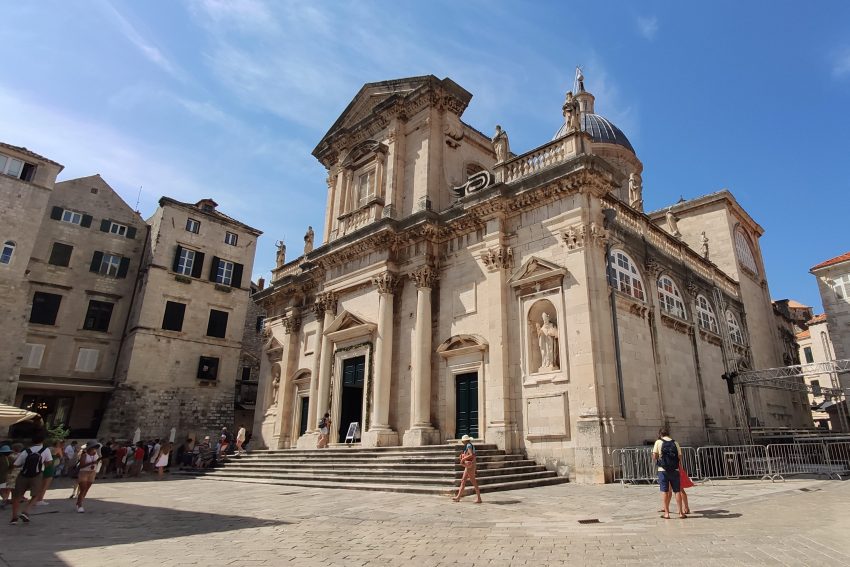
Dubrovnik Cathedral and Treasury is the Baroque Cathedral of the Assumption in Dubrovnik’s Old Town, rebuilt after the 1667 earthquake and long tied to the city’s civic faith. Step inside for a bright nave framed by massive columns and look toward the crossing where the dome rises above the transepts; the façade’s portal is set between Corinthian columns with statues in its niches. The main altar holds Titian’s 1552 polyptych of the Assumption, with additional paintings on side altars by Italian and Dalmatian artists. Next door, the compact Treasury displays 182 reliquaries (11th–18th centuries), including gold-plated relics of Saint Blaise and a fragment of the True Cross—details many visitors linger over in the quieter rooms.
Location: Ul. kneza Damjana Jude 1, 20000, Dubrovnik, Croatia | Hours: (Summer) April 4 – November 1; Monday – Saturday: 09:00–17:00. Sunday: 11:00–17:00. (Winter) Monday – Saturday: 10:00–12:00 & 15:00–17:00. Sunday: 11:00–12:00 & 15:00–17:00. | Price: Cathedral: Free; Treasury: small fee (buy on site). | Website | Distance: 1.8km

Best Day Trips from Dubrovnik

A day trip from Dubrovnik offers the perfect opportunity to escape the urban rhythm and discover the surrounding region's charm. Whether you're drawn to scenic countryside, historic villages, or cultural landmarks, the area around Dubrovnik provides a variety of easy-to-reach destinations ideal for a one-day itinerary.

1. Perast
The Complete Guide to Perast
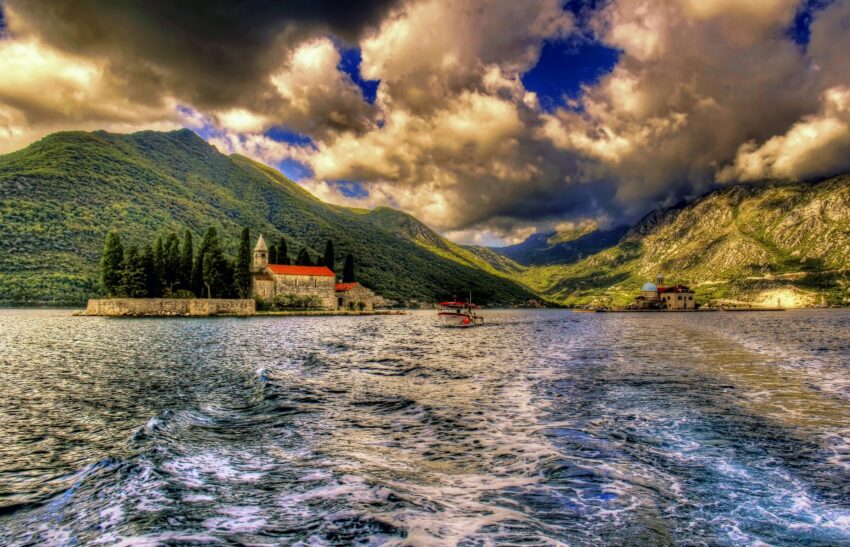
Perast is a tiny, photogenic town on the Bay of Kotor (Boka Kotorska) in Montenegro, known for its calm waterfront, stone palazzi, and postcard views across the water. It’s an easy place to slow down: the main promenade is made for lingering over coffee, watching boats drift by, and taking in the dramatic mountains that rise straight from the bay.…
Visiting Perast

2. Korcula

The Complete Guide to Korcula
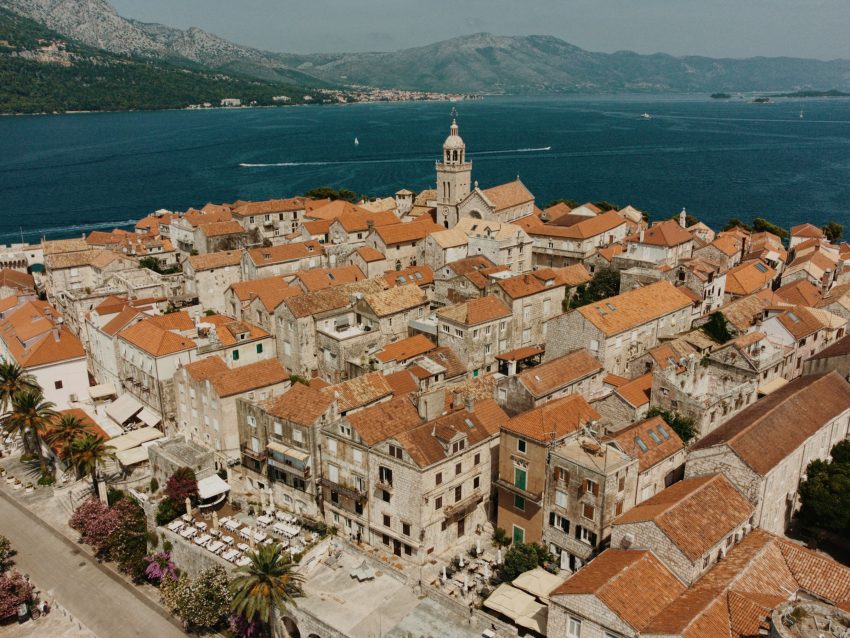
Korčula is a relaxed Adriatic island destination in southern Dalmatia, known for a beautifully preserved old town, clear coves, and a food-and-wine scene that rewards slow travel. The compact medieval core is ideal for wandering on foot, with stone lanes that open onto sea views, small squares, and waterfront promenades. If you want a trip that mixes beach time with…
Visiting Korcula
Powered by GetYourGuide

3. Shkodër

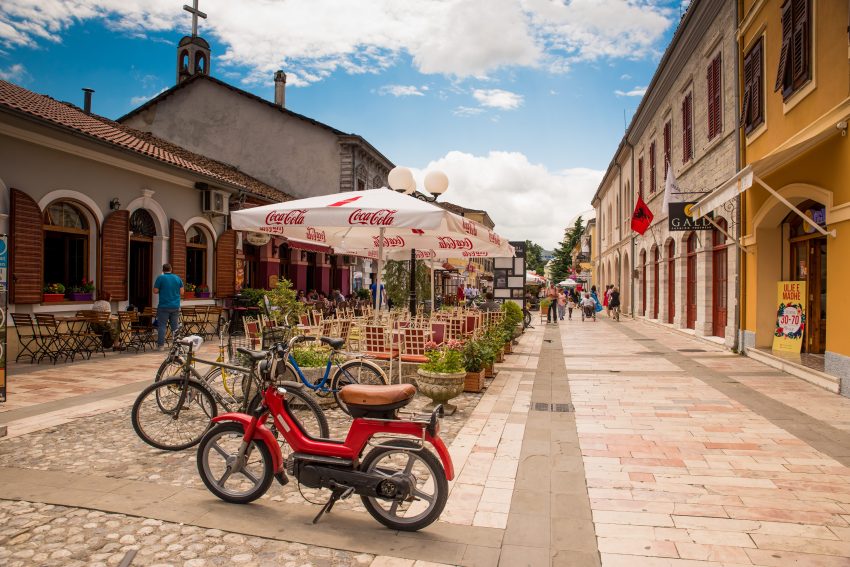
Shetitorja Shkoder
Shetitorja Shkoder
CC BY-SA 4.0 / Sali Jonuzi
Shkodër, situated in the Northwest Albania, is a city brimming with history, culture, and natural beauty.  Shkodër is one of the oldest and most historically significant cities in Albania. It has a rich and diverse history dating back thousands of years, with influences from Illyrian, Roman, Byzantine, and Ottoman civilizations. Visitors can explore landmarks such as Rozafa Castle, a medieval…
Visiting Shkodër
Powered by GetYourGuide

4. Theth

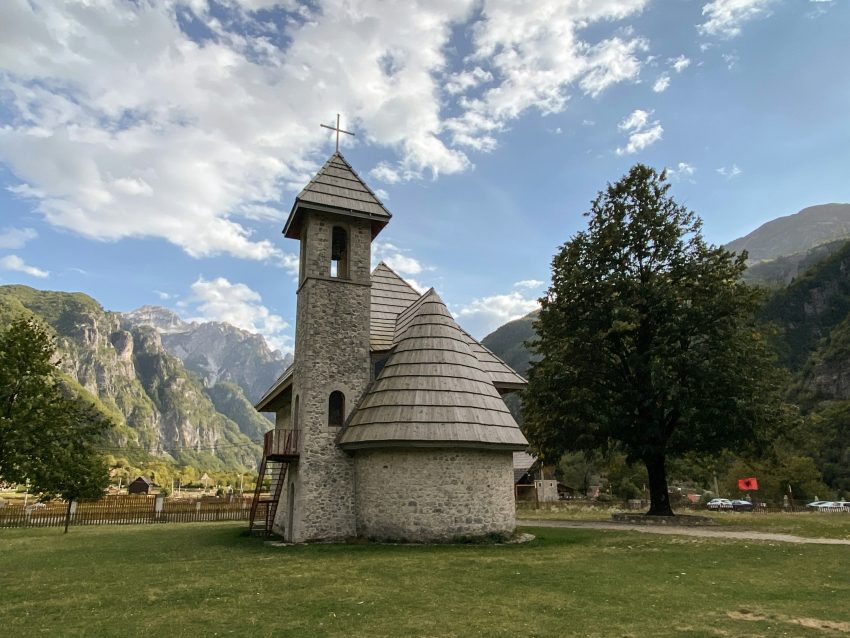
Theth
Theth
Visiting Theth is like stepping into a hidden world of breathtaking alpine beauty and traditional mountain life. Tucked deep within the Albanian Alps, Theth is surrounded by towering peaks, dense forests, and crystal-clear rivers. The journey to get there, whether via the winding road from Shkodër or through hiking routes, is part of the adventure, offering dramatic views at every…
Visiting Theth
Powered by GetYourGuide

5. Hvar

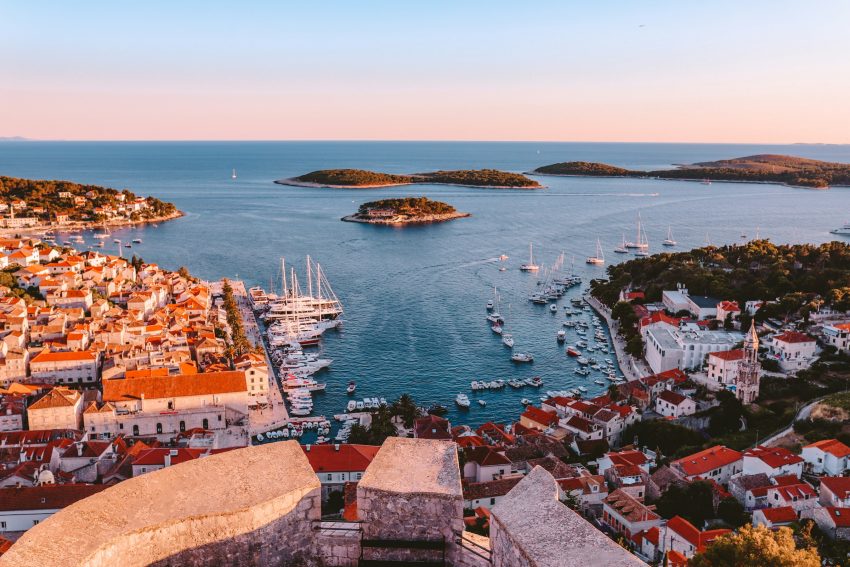
The Complete Guide to Hvar
Hvar is a sun-soaked island town in Croatia’s Dalmatia region, known for its polished waterfront, honey-colored stone streets, and a social scene that shifts effortlessly from lazy café mornings to lively evenings. The old town is compact and walkable, with viewpoints, small museums, and a harbor lined with boats that make it feel both historic and effortlessly modern. If you…
Visiting Hvar
Powered by GetYourGuide

6. Lezhë

view of lezhe albania
CC BY-SA 4.0 / Belgian man
Lezhë, nestled in the Northwest Albania, offers visitors a captivating blend of historical significance, natural beauty, and cultural charm. Steeped in history, Lezhë is renowned as the site of the famous Battle of Lezhë in 1444, where the League of Lezhë, led by Skanderbeg, united Albanian princes in their struggle against the Ottoman Empire. Visitors can explore the historic monument…
Visiting Lezhë

Where to Stay in Dubrovnik

For Dubrovnik, the best area to stay depends on whether you want atmosphere, convenience, or space. Staying inside the Old Town puts you steps from the main sights and the evening buzz, which is ideal if you’re visiting for a short time and want to maximize walking access; choose it if you don’t mind stairs, occasional noise, and limited vehicle access. A strong option here is Hilton Imperial Dubrovnik, which is close to the Pile Gate for easy arrivals while still feeling polished and comfortable after busy sightseeing days.

If you want a more relaxed base with beaches, promenades, and lots of dining choices, Lapad is one of the most comfortable areas to stay, especially for couples and families who want downtime between Old Town visits. It’s well connected by bus and offers a resort-like feel without being isolated. Consider Hotel Dubrovnik Palace, which is known for sea views and a calmer setting, or Hotel Lapad, which suits travelers who want character, good access to transport, and an easy walk to waterfront cafés.

For practical arrivals, ferry connections, and better value—especially if you’re traveling with a car—Gruž is a smart choice. It’s less scenic than Lapad or the Old Town, but it’s convenient and often quieter at night, with straightforward access to buses and boats. A dependable pick is Berkeley Hotel & Day Spa, which works well for travelers who prioritize comfort, logistics, and a smoother start to day trips.

Using the our Hotel and Accomodation map, you can compare hotels and short-term rental accommodations in Dubrovnik. Simply insert your travel dates and group size, and you’ll see the best deals for your stay.

Dubrovnik Accommodation Map

Best Time to Visit Dubrovnik

Dubrovnik in Spring (March–May)

Spring is a strong choice for comfortable sightseeing, with mild days that suit walking the walls, exploring neighborhoods, and taking short boat trips before peak crowds arrive. The sea warms gradually, so swimming is more hit-or-miss early on, but the city feels fresh and lively.

Festival-wise, you’ll often find a growing calendar of cultural events and concerts as the season progresses, with more outdoor programming returning by late spring.

Dubrovnik in Summer (June–August)

Summer brings the hottest weather, the busiest streets, and the most reliable sea conditions for swimming, kayaking, and island-hopping. Expect strong sun, higher prices, and the need to plan popular sights early in the day or later in the evening.

A major highlight is the Dubrovnik Summer Festival, which typically fills the city with open-air theatre, music, and performances in atmospheric historic settings.

Dubrovnik in Autumn (September–November) (Best)

Autumn is often the sweet spot: the sea stays warm into September (and sometimes October), the heat eases, and crowds thin compared with midsummer. It’s ideal for combining beach time with long walks, scenic viewpoints, and relaxed dining.

You may also catch harvest-season food and wine events, and the overall pace feels more local while many services still operate on near-summer schedules in early autumn.

Dubrovnik in Winter (December–February)

Winter is quieter and cooler, with more variable weather and shorter days—better for museums, cafés, and slow exploration than for swimming. Some tours and boat services reduce frequency, but the city can feel wonderfully uncrowded.

Seasonal festivities around December can add atmosphere, with holiday markets and events that make the Old Town feel intimate and festive.

Annual Weather Overview

  • January 11°C
  • February 12°C
  • March 14°C
  • April 17°C
  • May 21°C
  • June 26°C
  • July 28°C
  • August 28°C
  • September 26°C
  • October 20°C
  • November 16°C
  • December 12°C

How to get to Dubrovnik

Getting to Dubrovnik by air

Nearest airports: Dubrovnik Airport (DBV) is the primary gateway. From the airport, you can reach the city by airport shuttle bus, taxi, or pre-booked transfer; travel time is typically around 25–40 minutes depending on traffic.

From other airports: If you're combining destinations, you may also route via Split Airport (SPU) and continue by bus or car along the coast, though it's a longer journey.

Getting to Dubrovnik by train

Dubrovnik does not have a train station, so rail travel requires combining trains with onward bus or car connections. A common approach is to take a train to Split or Ploče and continue by intercity bus.

Useful train operators (links): Croatia’s main rail operator is HŽPP: https://www.hzpp.hr/en. If you’re arriving via neighboring countries, you may also use ÖBB (Austria): https://www.oebb.at/en and Trenitalia (Italy): https://www.trenitalia.com/en.html for parts of your route before connecting onward.

Getting to Dubrovnik by Car

Driving can be scenic, especially along the Adriatic coast, but plan for summer congestion and limited parking near the Old Town. If approaching from the north, you’ll typically follow coastal roads; depending on your route, you may pass through border controls and should carry passports and vehicle documents.

If you’re staying outside the center, choosing accommodation with parking can make a big difference. For day visits, consider parking in designated lots and using local buses or walking into the Old Town.

Travelling around Dubrovnik

The Old Town is best explored on foot, but expect stairs and polished stone underfoot—comfortable shoes help. For beaches, viewpoints, and neighborhoods like Lapad and Gruž, local buses are practical and frequent in peak season.

Taxis and ride-hailing options can be convenient but pricier in summer. For nearby islands and coastal spots, use ferries and boat tours; schedules are most frequent from late spring through early autumn.
More from this area