Château de Kerjean, Brest
Castle near Brest
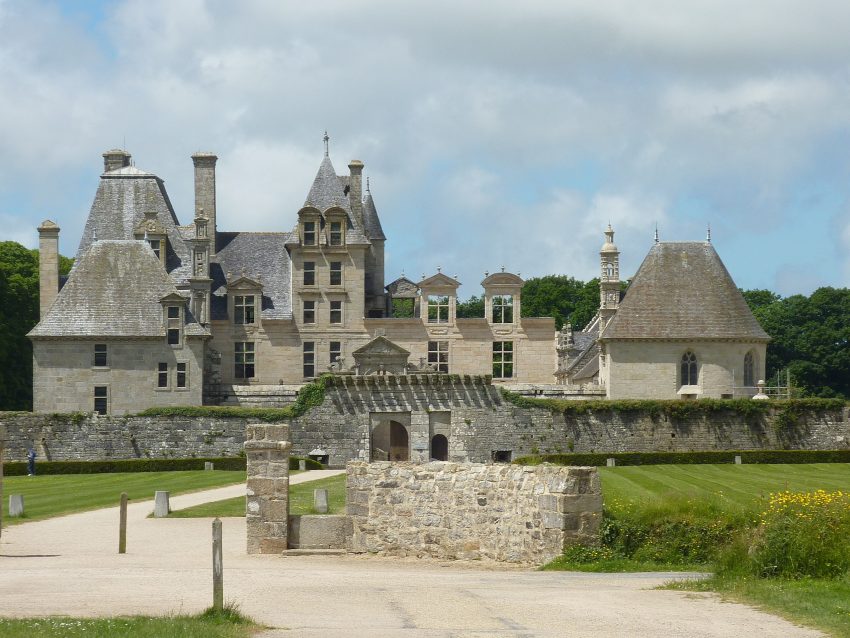
Château de Kerjean is one of the must-see places in Saint-Vougay, an extraordinary Renaissance castle that rises proudly from the rolling Breton countryside. Built between the 1540s and 1590s for the influential Barbier family, it embodies the transition from fortified medieval strongholds to the refined architecture of the French Renaissance. Massive bastions and moats give way to sculpted stonework, elegant façades, and soaring archways, creating a harmonious blend of power and artistry.
Its surviving beauty belies a turbulent past. The château was ravaged during the French Revolution, looted of its treasures, and left partially dismantled. After decades of decline, it was finally recognized in 1911 as a Monument Historique, sparking restoration efforts that preserved its unique character. Today, its vast rooms, ceremonial halls, and peaceful gardens make Château de Kerjean a highlight of any walking tour of Saint-Vougay, especially for travelers tracing the Renaissance heritage of Brittany.
Table of Contents
- History and Significance of Château de Kerjean
- Things to See and Do in Château de Kerjean
- How to Get There
- Practical Tips on Visiting Château de Kerjean
- Where to Stay close to Château de Kerjean
- Is Château de Kerjean Worth Visiting?
- FAQs for Visiting Château de Kerjean
- Nearby Attractions to Château de Kerjean
History and Significance of Château de Kerjean
Château de Kerjean was constructed over five decades during a golden age of Breton prosperity, when maritime trade enriched noble families across the Léon region. Designed for the powerful Barbier lineage, the estate reflects both the lingering need for defense and the growing allure of Renaissance culture. Its bastions and casemates demonstrate concern for security, while its refined ornamentation speaks to a period when learning, travel, and artistic experimentation were flourishing.
The château’s story took a dramatic turn during the French Revolution. Plundered and partially destroyed, many of its most elaborate features were lost, and by the 19th century Kerjean stood largely in ruins. Its fortunes changed in 1911 when the site was officially classified as a Monument Historique. This recognition paved the way for major restoration campaigns, particularly in the late 20th century, that carefully rebuilt interiors, stabilized structures, and revived its historical identity.
Today, Château de Kerjean stands as one of the finest examples of Brittany's Renaissance architecture. It offers visitors a rare opportunity to experience the grandeur of a period when artistic ideas from Italy and France were reshaping the cultural landscape of the Léon region.
Things to See and Do in Château de Kerjean
Inside the château, visitors can explore 25 rooms that illustrate life in a Renaissance noble residence. Highlights include the ceremonial halls, the chapel, the grand kitchen, and reconstructed private apartments furnished to evoke the atmosphere of the 16th century. Each room showcases meticulous craftsmanship, from imposing fireplaces to carved stone detailing.
The monumental gatehouse is one of the château's most striking features, setting the tone for the estate's combination of strength and refinement. Outside, the 20-hectare park offers peaceful walking paths lined with ancient trees, manicured lawns, and scenic views across the Breton countryside. Seasonal exhibitions introduce themes ranging from Renaissance culture to regional history, while immersive guided-tours and reenactments bring the site to life for visitors of all ages.
Whether wandering its gardens or exploring its grand rooms, the château provides a vivid sense of Brittany’s Renaissance golden age.
How to Get There
Château de Kerjean is located in Saint-Vougay, in northern Finistère, roughly 45 minutes from Brest. Visitors arriving by air can reach the area from Brest Bretagne Airport in about 50 minutes. For the best deals and a seamless booking experience, check out these flights to Brest on Booking.com.
Traveling by car is the easiest and most direct option, with parking available near the château’s entrance. If you are looking to rent a car in France I recommend having a look at Discover Cars, first, as they compare prices and review multiple car rental agencies for you.
If you arrive by train, the closest major station is in Brest, where you can connect to regional buses that travel toward the Léon countryside. You can use SNCF Connect to check schedules, compare routes, and purchase tickets for National (SNCF ) and regional trains (TER). For a more streamlined experience, we recommend using Omio, which allows you to easily compare prices, schedules, and book tickets for both National and Regional travel across all of Europe, all in one place.
Practical Tips on Visiting Château de Kerjean
- Best time to visit Château de Kerjean: Late spring to early autumn for pleasant weather and full access to gardens.
- Entrance fee in Euros: Prices vary; reduced rates available for families and students.
- Opening hours: Open seasonally; check schedules as hours change throughout the year.
- Official website: Search for Château de Kerjean for current details.
- How long to spend: One to two hours for the château; longer if exploring exhibitions and grounds.
- Accessibility: Some areas have stairs and uneven surfaces; partial accessibility.
- Facilities: Restrooms, a gift shop, and informational displays on-site.
- Photography tip: Capture the château’s façade from the park for a perfect Renaissance perspective.
- Guided-tours: Offered seasonally, providing deeper insight into architecture and history.
- Nearby food options: Cafés and restaurants can be found in nearby villages such as Plounevez-Lochrist and Lesneven.
Where to Stay close to Château de Kerjean
For a comfortable stay within easy reach of the château, consider Hôtel Center Brest, offering convenient access to regional sites. Another option is Oceania Brest Centre, ideal for combining your visit with time in the city. Travelers seeking a peaceful base in the countryside may prefer Hôtel l'Amirauté, which provides good regional connections.
Is Château de Kerjean Worth Visiting?
Yes, Château de Kerjean is absolutely worth visiting. Its striking blend of military architecture and Renaissance elegance, combined with beautifully restored interiors and expansive grounds, makes it one of the finest historic sites in Brittany. Whether you enjoy castles, architectural history, or peaceful countryside settings, it offers a rewarding and memorable experience.
What Other Travellers Say...

Château de Kerjean in Saint-Vougay sits in a large park and offers a compact but atmospheric historic house to explore, with helpful staff, a café (noted for chilled fruit drinks) and well signposted tours; visitors praise seasonal events like medieval music, fire and light shows, and an exhibition of recovered local furniture, while others warn some rooms feel sparse and parts of the buildings and outbuildings are overgrown, so allow time to stroll the moat and grounds.


FAQs for Visiting Château de Kerjean
Nearby Attractions to Château de Kerjean
- Roscoff: A charming coastal town with historic streets and sea views.
- Île de Batz: A peaceful island known for its botanical garden and scenic trails.
- Saint-Pol-de-Léon: A historic town with a stunning cathedral and heritage architecture.
- Lesneven: A small market town with local shops and weekly markets.
- Menez Dregan Archaeological Site: Prehistoric remains overlooking the Atlantic coast.
The Château de Kerjean appears in our Complete Guide to Visiting Brest!

Moira & Andy
Hey! We're Moira & Andy. From hiking the Camino to trips around Europe in Bert our campervan — we've been traveling together since retirement in 2020!
This website uses affiliate links which may earn a commission at no additional cost to you!
Planning Your Visit
From April 26 to July 11 and from August 18 to November 2
Wednesday to Sunday from 1:30 p.m. to 6 p.m.
From July 12 to August 17
Every day from 10 a.m. to 7 p.m.
€10
Nearby Attractions
- Abbaye de Daoulas (25.8) km
Abbey - Oratoire du Rocher de la Sentinelle (27.7) km
Historic Site - Pont de l'Iroise (28.3) km
Bridge - Conservatoire Botanique du Vallon du Stang-Alar (29.6) km
Gardens - Océanopolis (29.9) km
Aquarium - Rue de Siam (33.2) km
Street - Cours Dajot (33.3) km
Walk - Musée des Beaux-Arts de Brest (33.3) km
Gallery - Port of Brest (33.4) km
Port - Capucins Cable Car (33.4) km
Cable Car