Cat Cat Village, Sapa
Village in Sapa
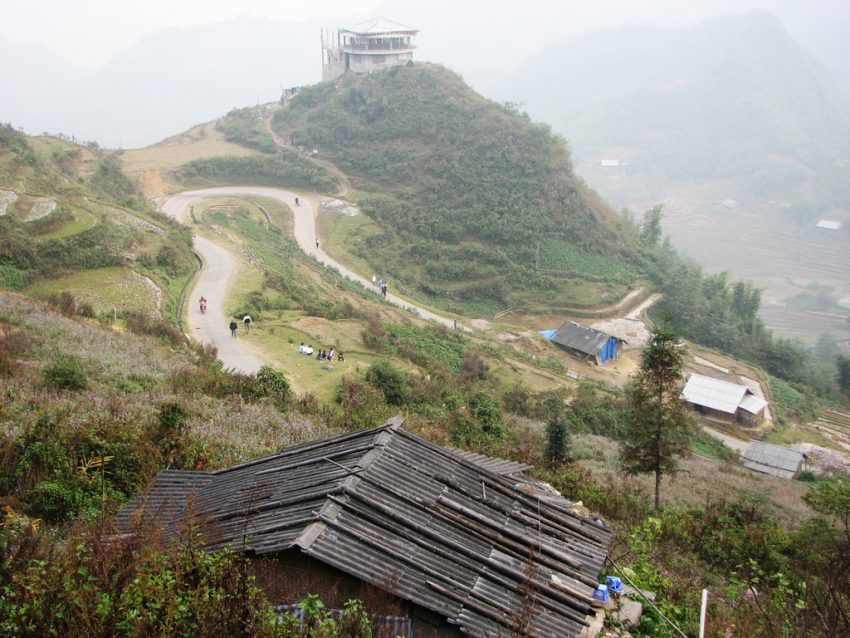
Cat Cat Village is a famous Hmong community just outside Sapa, set in a steep green valley where paths drop past houses, craft stalls, and terraces toward a fast-running river. It's undeniably touristy, but it's also one of the top sights in Sapa for a reason: the scenery on the way down is genuinely beautiful, and the route is straightforward enough to fit into a relaxed day without planning a full trek.
The best way to experience Cat Cat Village is to treat it like a scenic walk with cultural moments along the way, rather than a deep ethnographic visit. Start from town, follow the downhill road, and let the views do the heavy lifting-then linger at the river, waterwheels, and waterfall before heading back. It also pairs neatly with a walking tour of Sapa because you can do the church and town square first, then escape the busy centre for fresh air and a valley view.
Table of Contents
- History and Significance of the Cat Cat Village
- Things to See and Do in the Cat Cat Village
- How to Get to the Cat Cat Village
- Practical Tips on Visiting the Cat Cat Village
- Where to Stay Close to the Cat Cat Village
- Is the Cat Cat Village Worth Visiting?
- For Different Travelers
- FAQs for Visiting Cat Cat Village
- Nearby Attractions to the Cat Cat Village
History and Significance of the Cat Cat Village
Cat Cat Village was established in the 19th century and is strongly associated with different branches of the Hmong ethnic group, whose livelihoods traditionally revolved around farming, weaving, and practical craftwork. The village's setting-tucked into a valley below Sapa-suited a self-sustaining way of life, with water, slopes, and small plots shaping how people lived and worked.
In modern times, Cat Cat has shifted toward tourism, and that change is visible in the village’s layout and economy. Many households now earn primarily through food, drinks, textiles, costume rentals, and souvenirs, which can make the experience feel curated. Even so, the visit still offers a useful snapshot of regional craft traditions, especially when you focus on the process and materials rather than the shopping.
What keeps Cat Cat Village relevant for travelers is that it's one of the easiest ways to see Sapa's valley landscapes without committing to a long trek or a multi-day itinerary. For first-time visitors, it's often the “gateway” village: close, accessible, and visually rewarding.
Things to See and Do in the Cat Cat Village
Start with the walk down from Sapa via Fansipan Road, because the descent is where the best views open up-layered hills, pockets of terrace, and the sense of dropping from a busy mountain town into a quieter valley. Take it slowly on wet days, as the steep sections can be slippery, and you'll enjoy the approach far more if you treat it as a scenic stroll rather than a commute.
Inside the village area, follow the main flow toward the river, where the atmosphere changes from shop-lined streets to water, stone steps, and greenery. The decorative waterwheels are the classic photo moment here, and even if they’re staged for visitors now, they still look great against the rushing water and mountain backdrop.
Just outside the village, Tien Sa Waterfall (often called Cat Cat Waterfall) is the natural finish line. In the rainy season it’s at its best-louder, fuller, and more dramatic-while in drier months it’s calmer but still a pleasant place to pause before turning back or catching a motorbike taxi uphill.
If you have time, look for small demonstrations or workshops where weaving and textile work is visible, and choose one or two items to understand up close rather than browsing everything. The visit feels more meaningful when you focus on craft and landscape, then leave the “shopping street” sections as a quick pass-through.
How to Get to the Cat Cat Village
Most travelers reach Sapa via Hanoi, with Nội Bài International Airport (HAN) as the main gateway for international flights. For the best deals and a seamless booking experience, check out these flights to Sapa on Booking.com.
From Hanoi, a popular route is the overnight train to Lào Cai followed by a road transfer up to Sapa, which can be more comfortable than a long bus ride if you prefer to sleep en route.Train schedules and bookings can be found on Omio.
Direct sleeper buses and limousine vans also run between Hanoi and Sapa, and once you're in town you can reach Cat Cat Village on foot, by taxi, or by motorbike in a matter of minutes.
If you’re traveling by private car or motorbike, the approach is simple via Fansipan Road toward the checkpoint gates, then you continue on foot down into the valley.
Practical Tips on Visiting the Cat Cat Village
- Entrance fee: Adults: 150,000 VND
- Opening hours: Daily: 06:00–21:00.
- Best time to visit: Go early for clearer views and a calmer descent, or late afternoon for softer light and fewer big groups.
- How long to spend: Plan 2-3 hours if you want to walk the loop slowly, stop at the river, and linger at the waterfall.
- Accessibility: Expect steep slopes, stone steps, and uneven surfaces; if mobility is a concern, consider a motorbike taxi for part of the route.
- Facilities: Bring small cash for snacks and purchases, and wear shoes with grip because the path can be slick after rain.
Where to Stay Close to the Cat Cat Village
For most travelers, the best base is central Sapa Town if you want to stay close to the main sights and evening atmosphere, while the Muong Hoa Valley is better if your trip's main focus is trekking and waking up to quieter scenery.
Staying in town makes Cat Cat Village an easy outing that you can do without committing to a full day on the road, and it also keeps you close to restaurants, cafés, and transport. For a stylish, central base that's ideal for early starts, consider Hotel de la Coupole - MGallery. If you want a comfortable, well-run hotel that works neatly for independent sightseeing days, Sapa Horizon Hotel is a reliable choice. For a more resort-like stay with space to unwind between excursions, Silk Path Grand Sapa Resort & Spa suits travelers who prefer comfort and views.
Is the Cat Cat Village Worth Visiting?
Yes, if you go in with the right expectations. Cat Cat Village is polished for tourism, but it's still a scenic, satisfying half-day that delivers classic Sapa landscapes with minimal logistics, and the downhill walk alone can justify the visit.
It’s most worthwhile when you prioritize the valley views, river path, and waterfall, then treat the souvenir-heavy sections as a quick pass-through. If you want a quieter, more remote village feel, you may prefer longer treks to less-developed valleys, but Cat Cat remains a strong “first village” option.
What Other Travellers Say...

Cat Cat Tourism Village in Sa Pa is a scenic, tourism-focused village tucked into mountain terrain where you can see traditional houses, waterfalls, cultural performances and many photo spots; expect lots of stairs and walking, small coffee stops with views, and numerous vendors offering souvenirs and costume rentals (prices for entrance and rentals are noted by visitors), while some travelers warn of solicitation for motorbike rides to the entrance and of animal welfare concerns around horses.


For Different Travelers
Families with Kids
Cat Cat Village can work very well for families because the route naturally breaks into small goals: viewpoints on the descent, the river area, then the waterfall. Keep the pace slow and build in plenty of stops so the walk feels like a series of mini adventures rather than one long downhill.
If you’re traveling with smaller kids, consider using a taxi or motorbike for part of the return uphill, and focus on the most enjoyable stretches rather than completing every loop segment. The experience is still strong even if you shorten the route.
Couples & Romantic Getaways
For couples, Cat Cat Village is at its best when you treat it as a gentle scenic walk with a few quiet pauses at the river and waterfall. Go early or later in the day so you can find calmer corners, then let the landscape set the mood without rushing.
Pair it with a relaxed café stop back in Sapa and you have an easy, low-stress half-day that still feels distinctive. The valley light can be especially flattering in late afternoon, which is ideal if you like photography together.
Budget Travelers
Cat Cat Village is a solid budget outing because you can do the main approach on foot and keep transport costs low. The biggest expense is entry, so it's worth making the most of the route-slow down, follow the river, and treat it as a full scenic loop rather than a quick in-and-out.
To avoid extra spending, skip costume rentals unless it’s a genuine priority, and bring water so you’re not forced into multiple small purchases. The scenery is the main value here, and it doesn’t cost anything once you’re inside.
FAQs for Visiting Cat Cat Village
Getting There
Tickets & Entry
Visiting Experience
Tours, Context & Itineraries
Photography
Accessibility & Facilities
Food & Breaks Nearby
Safety & Timing
Nearby Attractions to the Cat Cat Village
- Sapa Stone Church: The town's central landmark and a natural starting point for exploring Sapa on foot.
- Ham Rong Mountain: A short climb with viewpoints that give you a clear overview of Sapa and the surrounding peaks.
- Muong Hoa Valley: Terraced landscapes and village trails that show a quieter, more expansive side of the region.
- Silver Waterfall (Thác Bạc): A dramatic roadside cascade on the O Quy Ho Pass route, easy to visit from town.
- Fansipan Cable Car: A high-altitude ride and summit-area experience that delivers big scenery without a full trek.
The Cat Cat Village appears in our Complete Guide to Visiting Sapa!

Moira & Andy
Hey! We're Moira & Andy. From hiking the Camino to trips around Europe in Bert our campervan — we've been traveling together since retirement in 2020!
This website uses affiliate links which may earn a commission at no additional cost to you!
Planning Your Visit
Daily: 06:00-21:00.
Adults: 150,000 VND
Nearby Attractions
- Sapa Museum (1.0) km
Museum - Sapa Stone Church (1.2) km
Church - Sapa Lake (1.6) km
Lake - Sapa Market (2.2) km
Market - Fansipan Mountain (6.6) km
Cable Car, Mountain and Viewing Point - Thac Bac (Silver) Waterfall (6.6) km
Waterfalls - Hoang Su Phi Rice Terraces (95.4) km
Viewing Point - Quản Bạ Heaven Gate (143.4) km
Pass - H'Mong King's Palace (179.1) km
Historic Building and Palace - Lũng Cú Flag Tower (190.6) km
Viewing Point