Castillo de San Cristobal, Las Palmas de Gran Canaria
Castle, Historic Site and Monument in Las Palmas de Gran Canaria
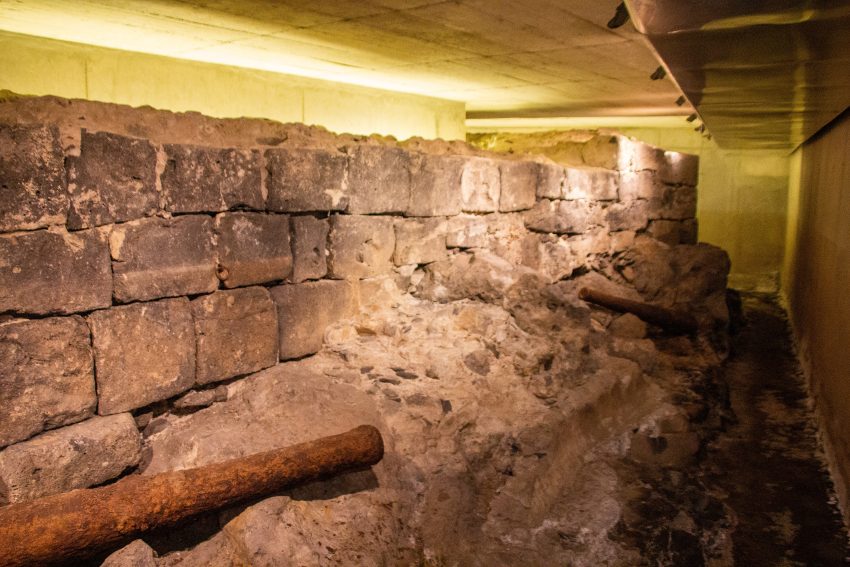
Castillo de San Cristobal is a small but historically important defensive site on the seafront of Las Palmas de Gran Canaria, tied to the city's long relationship with the Atlantic and maritime trade. Today, it works best as a short, atmospheric stop while you're exploring the coast and nearby old-town sights.
Because it sits right by the water, the appeal is as much about the setting as the structure itself: ocean breezes, wide views, and a sense of how the city once protected its harbor approaches. It’s easy to pair with a walk, a coffee stop, and a few nearby landmarks in the same outing.
Table of Contents
- History and Significance of the Castillo de San Cristobal
- Things to See and Do in the Castillo de San Cristobal
- How to Get to the Castillo de San Cristobal
- Practical Tips on Visiting the Castillo de San Cristobal
- Where to Stay Close to the Castillo de San Cristobal
- Is the Castillo de San Cristobal Worth Visiting?
- For Different Travelers
- FAQs for Visiting Castillo de San Cristobal
- Nearby Attractions to the Castillo de San Cristobal
History and Significance of the Castillo de San Cristobal
Castillo de San Cristobal formed part of Las Palmas' coastal defenses, created to protect the city from naval threats and raids during periods when Atlantic routes were strategically vital. Like many fortifications in port cities, its role was practical first: controlling approaches from the sea and reinforcing the security of the shoreline.
Over time, changes in military technology and urban development reduced the need for small coastal forts, and what remains today is more of a heritage marker than a full-scale castle experience. Even so, it helps explain why Las Palmas grew where it did and how the city’s identity has long been shaped by the ocean.
Things to See and Do in the Castillo de San Cristobal
Start by taking in the seafront setting: the best “feature” here is the perspective it gives you over the coastline and the sense of being right on the edge of the Atlantic. It’s a good spot for a slow stroll, a few photos, and a pause to imagine the defensive line that once guarded this stretch.
Look for any remaining structural elements and interpretive context in the immediate area, then use the visit as a springboard to explore nearby neighborhoods and viewpoints. This is the kind of place that shines when combined with a broader walking route rather than as a standalone, long visit.
How to Get to the Castillo de San Cristobal
The nearest airport is Gran Canaria Airport (LPA), with frequent connections to mainland Spain and other European cities. For the best deals and a seamless booking experience, check out these flights to Las Palmas de Gran Canaria on Booking.com.
Gran Canaria does not have an intercity passenger rail network, so you'll reach Las Palmas de Gran Canaria by bus, taxi, or car rather than by train. Train schedules and bookings can be found on Omio.
If you’re driving, aim for central Las Palmas and use public parking near the seafront; street parking can be limited, especially at peak hours. If you are looking to rent a car in Spain I recommend having a look at Discover Cars, first, as they compare prices and review multiple car rental agencies for you.
Practical Tips on Visiting the Castillo de San Cristobal
- Entrance fee: Free
- Opening hours: 24 hours
- Best time to visit: Go early morning or late afternoon for softer light, fewer people, and a more comfortable walk along the coast.
- How long to spend: Plan 15-30 minutes on-site, or longer if you’re folding it into a waterfront walk and nearby stops.
- Accessibility: The area is generally easy to approach from the promenade, but surfaces can be uneven and conditions can be windy by the water.
- Facilities: Expect limited on-site services; rely on nearby cafés, shops, and public amenities in the surrounding central areas.
Where to Stay Close to the Castillo de San Cristobal
Base yourself in central Las Palmas (around Vegueta/Triana or the seafront) for the easiest mix of walkability, dining, and transport.
AC Hotel Gran Canaria by Marriott A reliable, well-located option near the water with strong views and an easy base for exploring both the coast and the city center.
Boutique Hotel Cordial La Peregrina A stylish boutique stay in the historic core, great if you want character, architecture, and quick access to old-town sights.
Hotel Parque A practical mid-range choice close to transit links, useful if you’re planning day trips and want straightforward convenience.
Sercotel Hotel Parque Another dependable central option that works well for short stays where location and ease matter more than resort-style amenities.
Santa Catalina, a Royal Hideaway Hotel A classic, higher-end pick with a landmark feel, ideal if you want a more special stay while still being well connected to the city.
Is the Castillo de San Cristobal Worth Visiting?
Yes, if you enjoy coastal history and like collecting small, meaningful landmarks while walking a city-Castillo de San Cristobal is a quick, low-effort stop with a strong sense of place thanks to its waterfront setting.
Honest Pivot: if you’re expecting a fully preserved castle with extensive interiors, exhibits, or a long, structured visit, you may find it underwhelming; prioritize larger museums or major historic sites in Las Palmas instead.
What Other Travellers Say...


For Different Travelers
Castillo de San Cristobal is best approached as a short add-on rather than a main event. It fits nicely into a day of strolling, sightseeing, and stopping for food along the coast or in the historic center.
Families with Kids
For families, the main win is the open-air setting and the chance to burn off energy on a walk by the sea. Keep expectations simple: it’s more about the outing than a hands-on attraction.
Bring sun protection and a snack, and plan a nearby playground or beach stop afterward to round out the day. Wind can pick up fast on the waterfront, so a light layer helps.
Couples & Romantic Getaways
Couples will appreciate the sea views and the easy, unhurried pace-ideal for a short stroll and photos without committing to a big itinerary. It’s especially pleasant around golden hour.
Pair it with a café or dinner nearby and treat it as a scenic waypoint rather than a destination. The atmosphere is more relaxed than dramatic, but it’s charming in a low-key way.
Budget Travelers
This is a good budget-friendly stop because it doesn't require a big time investment and works well as part of a self-guided walking route. You can build a full day around free viewpoints and neighborhoods nearby.
Use public buses to get around Las Palmas and focus on walkable clusters of sights to keep costs down. A refillable water bottle and sun protection go a long way here.
History Buffs
History lovers will enjoy placing the site within the broader story of Atlantic defense and port-city development. Even small remnants can be meaningful when you know what you’re looking at.
To deepen the experience, combine it with nearby historic areas and museums so you get both the physical setting and the narrative context. Think of it as one chapter in a larger coastal-defense story.
FAQs for Visiting Castillo de San Cristobal
Getting There
Tickets & Entry
Visiting Experience
Tours, Context & Itineraries
Photography
Accessibility & Facilities
Food & Breaks Nearby
Safety & Timing
Nearby Attractions to the Castillo de San Cristobal
- Vegueta: The atmospheric old town with historic streets, landmarks, and classic Canarian architecture.
- Triana: A lively shopping and café district that’s great for strolling and people-watching.
- Catedral de Santa Ana: The city's iconic cathedral area, ideal for history and photography.
- Playa de Las Canteras: Las Palmas' famous urban beach with a long promenade and sunset views.
- Parque de Santa Catalina: A central hub for events and a convenient starting point for exploring the modern city.
The Castillo de San Cristobal appears in our Complete Guide to Visiting Las Palmas de Gran Canaria!

Moira & Andy
Hey! We're Moira & Andy. From hiking the Camino to trips around Europe in Bert our campervan — we've been traveling together since retirement in 2020!
This website uses affiliate links which may earn a commission at no additional cost to you!
Planning Your Visit
24 hours
Free
Nearby Attractions
- Santo Domingo of Guzmán Parish (1.8) km
Church, Historic Building and Religious Building - Museo Canario (1.9) km
Historic Building, Historic Site and Museum - Plaza de Santa Ana (2.0) km
Historic Building, Historic Site and Square - Los Perros de La Plaza de Santa Ana (2.0) km
Sculpture, Square and Statue - Catedral Metropolitana de Santa Ana de Canarias (2.0) km
Cathedral, Museum and Tower - Plaza del Pilar Nuevo (2.1) km
Area, Attraction and Square - CAAM - Atlantic Center of Modern Art (2.1) km
Arts Venue, Gallery and Museum - Casa de Colón (2.1) km
Historic Building and Museum - Plaza de las Ranas (2.2) km
Area, Fountain and Square - Mercado De Vegueta (2.3) km
Area, Bazaar and Market