Castelo de Lamego
Castle in Lamego
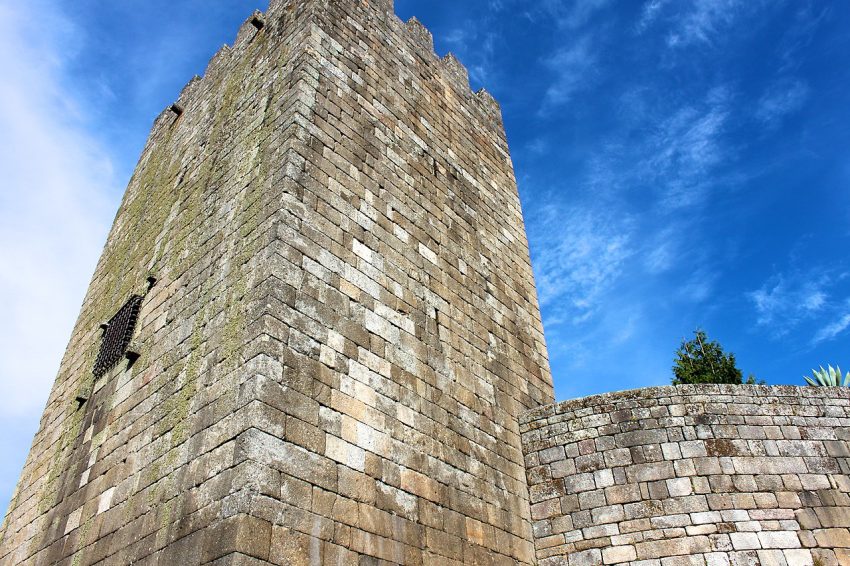
Castelo de Lamego stands proudly at the highest point of the city, offering a commanding view of the Douro landscape and revealing the strategic importance it once held. Built in the 12th century to defend the region, it remains one of the top attractions in Lamego for travelers who love medieval architecture and sweeping panoramas. Reaching it via Rua da Olaria adds an atmospheric touch, winding through historic streets before the fortress suddenly appears above the rooftops.
Today, Castelo de Lamego is often visited on walking tours of Lamego, thanks to its ancient walls, imposing keep, and evocative sense of history. Exploring its battlements, gates, and subterranean cistern offers a journey through centuries of conflict, resilience, and urban development. It is a site where the medieval world still feels close at hand.
Table of Contents
- History and Significance of Castelo de Lamego
- Things to See and Do in Castelo de Lamego
- How to Get to Castelo de Lamego
- Practical Tips on Visiting Castelo de Lamego
- Where to Stay close to Castelo de Lamego
- Is Castelo de Lamego Worth Visiting?
- FAQs for Visiting Castelo de Lamego
- Nearby Attractions to Castelo de Lamego
History and Significance of Castelo de Lamego
Castelo de Lamego was constructed during the 12th century as part of the Christian reconsolidation of the region. Its position atop the city's highest point made it an ideal lookout and defensive structure, especially against threats arising during a turbulent period of territorial struggles. The castle's robust keep dominates the walled enclosure of what was once the parade ground, emphasizing the fortress's strategic design.
Historical accounts, including references in the General Chronicle of Spain, recount how Ferdinand the Great seized the city from Moorish control, facing difficult terrain and strong resistance. The castle’s elevated position explains these challenges, as defenders could easily monitor and resist advances from the valley below.
Despite many centuries of change, several sections of the early 13th-century town wall still survive. Some modern houses are built directly against the ancient stonework, blending past and present in a striking way. Two of the medieval gates-Porta dos Fogos and Porta do Sol-remain important architectural highlights, preserving the layout of the old fortified city.
Things to See and Do in Castelo de Lamego
Visitors will immediately notice the towering keep, which offers one of the best vantage points over the Douro landscape. Climbing to the top provides breathtaking views and helps you understand how soldiers once surveyed the surrounding valleys. This spot is one of the best places to see in Castelo de Lamego for both history lovers and photographers.
Exploring the surviving town walls reveals sections of medieval defensive architecture still in excellent condition. The Porta dos Fogos and Porta do Sol are especially memorable. Near the first gate, a medieval tower once served as the Town Hall during the 16th and 17th centuries, showing how the fortress continued to play a civic role long after its military relevance began to fade.
One of the most remarkable features is the enormous cistern beneath the castle grounds. Considered the largest ever discovered in Portugal, its vaulted ceiling and thick stone pillars create the atmosphere of an underground cathedral. A visit here reveals how essential water storage was for survival during sieges and long periods of isolation.
How to Get to Castelo de Lamego
Castelo de Lamego is located at the top of the historic center and is accessible via Rua da Olaria or other nearby pedestrian paths. The nearest major airport is Porto Airport, which serves most international arrivals to northern Portugal. For the best deals and a seamless booking experience, check out these flights to Lamego on Booking.com.
The closest railway station is in Régua, from where buses or taxis reach Lamego in a short journey. Once in the city, the castle can be reached on foot from most central locations. Train schedules and bookings can be found on Omio.
Traveling by car is convenient for those exploring the Douro Valley, and parking is available near the lower parts of the historic center before walking up to the castle. The ascent includes steep streets but rewards visitors with excellent views. If you are looking to rent a car in Portugal I recommend having a look at Discover Cars, first, as they compare prices and review multiple car rental agencies for you.
Practical Tips on Visiting Castelo de Lamego
- Suggested tips: Wear sturdy shoes for climbing the steep streets and exploring uneven castle grounds.
- Best time to visit: Late spring and early autumn for pleasant conditions and clear views.
- Entrance fee: Free
- Opening hours: Generally accessible during daylight hours.
- Official website: Not available
- How long to spend: Around 45 minutes to 1 hour.
- Accessibility: The steep approach and uneven surfaces can be challenging for visitors with mobility issues.
- Facilities: Limited facilities at the castle itself; cafés and shops are located in the lower town.
- Photography tip: Capture the keep at sunset when the stone glows with warm light.
- Guided tours: Local guides in Lamego may offer castle-focused tours or combined visits with the cathedral.
- Nearby food options: Numerous restaurants in central Lamego serve traditional Douro dishes.
Where to Stay close to Castelo de Lamego
Staying near the castle allows easy access to Lamego’s historic sites. Travelers seeking charm can stay at Muralha Charm House, located within walking distance of both the castle and cathedral. A more modern option is Lamego Hotel & Life, offering comfort and panoramic views. For a countryside escape while remaining close to the city, consider Quinta da Portela.
Is Castelo de Lamego Worth Visiting?
Absolutely. Castelo de Lamego is one of the top sights in Lamego, offering a memorable blend of medieval architecture, sweeping views, and atmospheric ruins. Whether you're exploring the Douro Valley or wandering through Lamego's historic quarter, the castle provides a compelling insight into the city's origins and defenses.
What Other Travellers Say...

Castelo de Lamego sits above the city in Bairro do Castelo and offers free access to panoramic, unobstructed views after a short but steep walk from the centre; visitors note a small inhabited area around the castle, restored cisterns worth exploring, climbable tower stairs (though outward wall access may be closed), limited parking and no disabled path, and a sometimes loud dog near the cistern.


FAQs for Visiting Castelo de Lamego
Nearby Attractions to Castelo de Lamego
- Sé de Lamego: The city's magnificent cathedral with Romanesque and Manueline elements.
- Museu de Lamego: Home to Renaissance panels by Grão Vasco and rich regional collections.
- Sanctuary of Nossa Senhora dos Remédios: A grand hilltop sanctuary reached by monumental staircases.
- Ucanha Tower and Bridge: A medieval toll complex spanning the Varosa River.
- Douro Valley vineyards: World-famous wine estates offering tastings and scenic views.
The Castelo de Lamego appears in our Complete Guide to Visiting Lamego!

Moira & Andy
Hey! We're Moira & Andy. From hiking the Camino to trips around Europe in Bert our campervan — we've been traveling together since retirement in 2020!
This website uses affiliate links which may earn a commission at no additional cost to you!
Planning Your Visit
10am-12.30pm & 2-5.30pm
Nearby Attractions
- Museu de Lamego (0.3) km
Museum - Lamego Cathedral (0.3) km
Cathedral - Santuário de Nossa Senhora dos Remédios (1.1) km
Church - Capela de São Pedro de Balsemão (2.3) km
Church - Museu do Douro (7.1) km
Museum - Mosteiro de Santa Maria de Salzedas (8.6) km
Monastery - Casa de Mateus (23.4) km
Palace - Castelo de Numão (43.3) km
Castle - Monte da Penha (53.3) km
Religious Building and Viewing Point - Centro Cultural Vila Flor (55.3) km
Gardens and Historic Building