Casa de la Pólvora, Santa Cruz de Tenerife
Historic Building, Historic Site and Monument in Santa Cruz de Tenerife
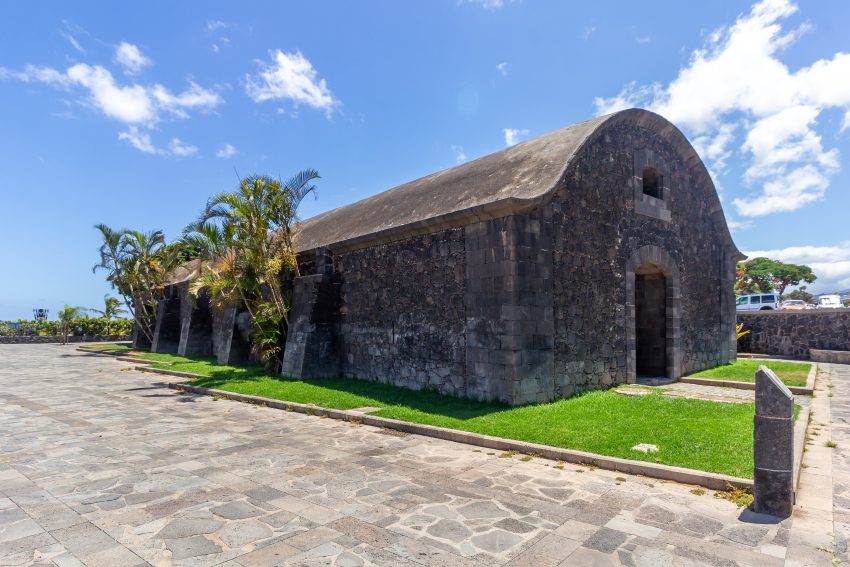
Casa de la Pólvora is a small 18th-century gunpowder storehouse in Santa Cruz de Tenerife, tucked into the Cabo-Llanos area near the waterfront. It's one of those places you'll likely pass on foot while linking bigger sights like the Auditorio de Tenerife, Parque Marítimo César Manrique, and the nearby Castillo de San Juan Bautista.
Because it's compact and often viewed from the outside, it works best as a quick, atmospheric stop on a self-guided walking tour of Santa Cruz's coastal defenses. Pair it with the castle next door and a stroll along the modern seafront for a satisfying mix of old military history and contemporary city scenery.
Table of Contents
- History and Significance of the Casa de la Pólvora
- Things to See and Do in the Casa de la Pólvora
- How to Get to the Casa de la Pólvora
- Practical Tips on Visiting the Casa de la Pólvora
- Where to Stay Close to the Casa de la Pólvora
- Is the Casa de la Pólvora Worth Visiting?
- For Different Travelers
- FAQs for Visiting Casa de la Pólvora
- Nearby Attractions to the Casa de la Pólvora
History and Significance of the Casa de la Pólvora
Built between 1756 and 1758, Casa de la Pólvora was designed as a dedicated powder magazine to support the artillery defenses that protected Santa Cruz's port and fortified coastline. Its purpose was practical and strategic: safely store gunpowder close enough to the batteries and castles to be useful, but built robustly to reduce risk.
Architecturally, it’s a classic military utility building: thick masonry walls, a low rectangular footprint, and a barrel-vaulted interior designed for strength and stability. The restrained design is part of the appeal, especially if you enjoy reading a city through its defensive infrastructure rather than just its grand civic monuments.
Over time, as Santa Cruz expanded and military needs changed, the building’s original function faded. Today, its significance is as a rare surviving piece of the city’s fortification network and a tangible reminder that this now-relaxed Atlantic capital once had to think seriously about coastal attack.
Things to See and Do in the Casa de la Pólvora
Start by taking in the exterior form: the squat, sturdy silhouette is the point, and it's easiest to appreciate from a slow loop around the building. Look for the heavy construction details and the way the structure sits in relation to the nearby Castillo de San Juan Bautista, which helps you understand how the defenses worked as a system.
If you’re into military history, this is a great place to pause and imagine the logistics of a fortified port: storage, supply, and readiness. Even if there’s limited on-site interpretation, the context becomes clearer when you visit it as part of a broader route that includes the castle and the seafront.
For most travelers, the best “activity” is using Casa de la Pólvora as a waypoint: combine it with the Auditorio for architecture, the Parque Marítimo for a break by the water, and the Palmetum for greenery. It's a small stop, but it adds historical texture to a day that might otherwise be all modern Santa Cruz.
How to Get to the Casa de la Pólvora
The nearest airport is Tenerife North Airport (TFN), with Tenerife South Airport (TFS) also serving the island; from either, you can reach Santa Cruz by bus, taxi, or car depending on your schedule and budget. For the best deals and a seamless booking experience, check out these flights to Santa Cruz de Tenerife on Booking.com.
Trains aren’t part of Tenerife’s intercity transport network, so you won’t arrive in Santa Cruz by rail; instead, plan on intercity buses (guaguas) or driving from other towns on the island.Train schedules and bookings can be found on Omio.
By car, Casa de la Pólvora is easiest to reach via the Cabo-Llanos area near the Auditorio and Parque Marítimo, but parking can be limited at peak times, so a garage or a short walk from a larger lot is often the smoothest plan.If you are looking to rent a car in Spain I recommend having a look at Discover Cars, first, as they compare prices and review multiple car rental agencies for you.
Practical Tips on Visiting the Casa de la Pólvora
- Entrance fee: Check official website.
- Opening hours: Check official website.
- Best time to visit: Go in the morning or late afternoon for softer light and a quieter walk between the nearby waterfront sights.
- How long to spend: Plan 10–20 minutes as a standalone stop, or 45–90 minutes if you’re pairing it with the Castillo de San Juan and the seafront promenade.
- Accessibility: The area around Cabo-Llanos is generally flat and walkable, but access to the interior (if available) may be limited depending on openings or guided visits.
- Facilities: There are no guaranteed on-site facilities, so use nearby cafés, the Auditorio area, or waterfront amenities for restrooms and breaks.
Where to Stay Close to the Casa de la Pólvora
Base yourself in central Santa Cruz near Plaza de España and the main shopping streets for the easiest mix of walkability, dining, and transport connections.
Iberostar Heritage Grand Mencey A classic, upscale option with a resort-like feel in the city; great if you want a polished stay and easy access to parks and central Santa Cruz.
Hotel Taburiente A reliable mid-range pick that’s convenient for getting around; a good balance of comfort, location, and value for a city base.
AC Hotel Tenerife by Marriott Modern styling and a central location that makes it easy to build walking days; ideal for travelers who like predictable, business-class comfort.
Silken Atlántida Santa Cruz Well-placed for Cabo-Llanos sights like the Auditorio and waterfront; a smart choice if you want to be closer to the modern seafront zone.
NH Tenerife A practical, central base near shops and restaurants; good for short stays where you’ll be out exploring most of the day.
Is the Casa de la Pólvora Worth Visiting?
Yes, if you like small historical remnants that make a city feel layered. Casa de la Pólvora won't take long, but it adds meaning to the nearby castle and waterfront, and it's an easy “bonus sight” on a walking route through Cabo-Llanos.
Honest Pivot: if you prefer big interiors, detailed exhibits, or highly curated visitor experiences, you may find it underwhelming. In that case, prioritize the Auditorio, Palmetum, or a major museum and treat Casa de la Pólvora as a quick photo stop only if you're already passing by.
What Other Travellers Say...

Overall, reviews suggest Casa de la Pólvora is a worthwhile quick stop for travelers interested in Santa Cruz's military past, especially because it sits close to other key fortification sites. Visitors commonly appreciate its historical value and the fact it's one of the few surviving defensive structures in the city, making it easy to add to a waterfront walk. The most frequent downside is that it feels small and can be underwhelming if you expect a lot to see or detailed information on-site.


For Different Travelers
Casa de la Pólvora is a flexible stop: it can be a fast tick on a sightseeing loop or a more thoughtful pause if you're tracing Santa Cruz's defensive coastline. The key is to pair it with nearby highlights so the visit feels complete.
Families with Kids
For families, it works best as a short “castle-and-cannons” style stop, especially if you also visit the Castillo de San Juan nearby. Keep expectations simple: it’s more about the idea of an old powder storehouse than hands-on displays.
Afterward, plan a reward nearby like the waterfront promenade or a snack stop, so the outing stays fun and low-effort. If your kids like wide open spaces, combining it with the seafront areas makes the day much easier.
Couples & Romantic Getaways
Couples will enjoy Casa de la Pólvora most as part of a relaxed walk between the Auditorio and the waterfront, especially around golden hour. It's a quiet, slightly hidden-feeling spot that adds a sense of discovery to a city stroll.
Make it romantic by turning it into a slow itinerary: architecture at the Auditorio, a coastal walk, then drinks or dinner back in the center. The attraction itself is brief, but it’s a nice punctuation mark in a scenic route.
Budget Travelers
Budget travelers will appreciate that it’s a quick, low-commitment sight that fits naturally into a walking day. You can build a full itinerary around nearby public spaces and viewpoints without needing a big-ticket entry.
If you're watching spending, focus on a self-guided route: central Santa Cruz to the waterfront, with Casa de la Pólvora and the nearby castle as historical anchors. Bring water and snacks so you're not forced into pricier seafront cafés.
History Buffs
History buffs should treat Casa de la Pólvora as part of a wider fortifications story rather than a standalone “museum visit.” The real payoff is understanding how Santa Cruz defended its port and how these structures related to each other.
If you can align your visit with a guided context (or at least pair it with the Castillo de San Juan and other defensive sites), the building becomes much more meaningful. Look for construction details and placement: it’s military logic made visible.
FAQs for Visiting Casa de la Pólvora
Getting There
Tickets & Entry
Visiting Experience
Tours, Context & Itineraries
Photography
Accessibility & Facilities
Food & Breaks Nearby
Safety & Timing
Nearby Attractions to the Casa de la Pólvora
- Castillo de San Juan Bautista: A small coastal fortress next door that helps you understand the defensive story Casa de la Pólvora supported.
- Auditorio de Tenerife Adán Martín: Santa Cruz's iconic modern building and a must-see for architecture lovers.
- Parque Marítimo César Manrique: A popular waterfront leisure complex that's great for a relaxing break.
- Palmetum de Santa Cruz de Tenerife: A palm-focused botanical garden with paths and viewpoints over the sea.
- Plaza de España: The city's central landmark square, ideal for starting or ending a walking day.
The Casa de la Pólvora appears in our Complete Guide to Visiting Santa Cruz de Tenerife!

Moira & Andy
Hey! We're Moira & Andy. From hiking the Camino to trips around Europe in Bert our campervan — we've been traveling together since retirement in 2020!
This website uses affiliate links which may earn a commission at no additional cost to you!
Planning Your Visit
Check official website.
Check official website.
Nearby Attractions
- Castillo de San Juan Bautista (0.1) km
Castle, Historic Building and Historic Site - Las Torres De Santa Cruz (0.1) km
Attraction, Notable Building and Tower - Parque Marítimo César Manrique (0.2) km
Baths, Park and Pool - Ermita de Nuestra Señora de Regla (0.2) km
Church and Religious Building - Auditorio de Tenerife (0.3) km
Arts Venue, Opera House and Theatre - Palmetum (0.4) km
Attraction and Gardens - Centro Comercial Meridiano (0.5) km
Shopping Centre - Mercado Nuestra Señora de Africa (0.9) km
Market - TEA Tenerife Espacio de las Artes (0.9) km
Arts Venue, Gallery and Museum - Museum of Nature and Archaeology (1.0) km
Attraction and Museum