Cantonese Assembly Hall, Hoi An
Historic Building in Hoi An
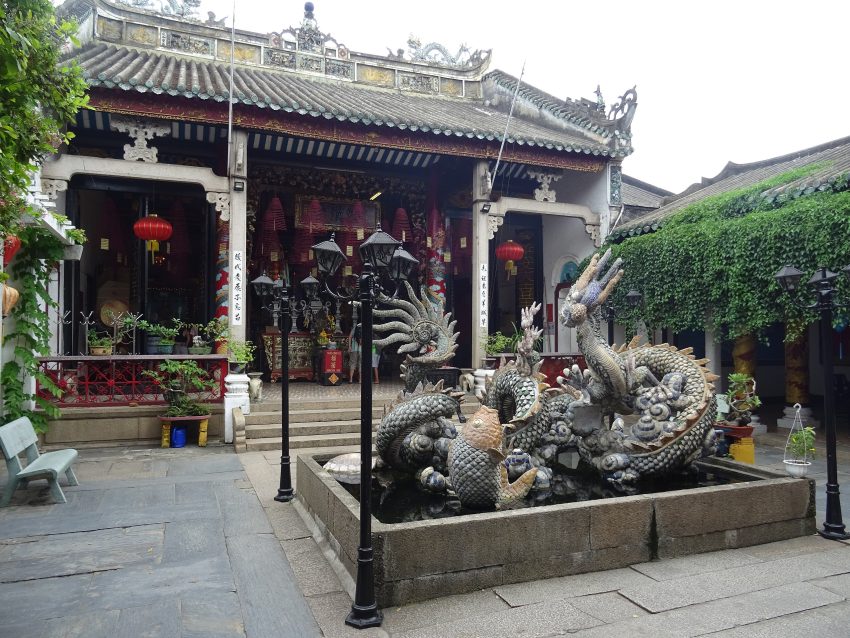
The Cantonese Assembly Hall is one of the top attractions in Hoi An, standing prominently on Tran Phu Street in the heart of the Ancient Town. Built in 1885 by Cantonese merchants, it once served as a place to worship Confucius and Thien Hau Thanh Mau before being rededicated in 1911 to honour Tien Hien and the revered general Quan Cong. Its historical significance and ornate architecture make it one of the must-see places in Hoi An for travellers interested in Chinese-Vietnamese heritage and longstanding community traditions.
Stepping through its gate, you are welcomed into a space where craftsmanship and symbolism take centre stage. Its layout, shaped like the character “quoc,” flows gracefully from the garden courtyard to the east and west wings and toward the richly decorated main hall. Since it is often visited on walking tours of Hoi An, the hall offers a fascinating glimpse into merchant life, religious practice, and local cultural values that shaped the Ancient Town's vibrant identity.
Table of Contents
- History and Significance of Cantonese Assembly Hall
- Things to See and Do in Cantonese Assembly Hall
- How to Get to Cantonese Assembly Hall
- Practical Tips on Visiting Cantonese Assembly Hall
- Where to Stay close to Cantonese Assembly Hall
- Is Cantonese Assembly Hall Worth Visiting?
- FAQs for Visiting Cantonese Assembly Hall
- Nearby Attractions to Cantonese Assembly Hall
History and Significance of Cantonese Assembly Hall
Founded by Cantonese merchants who settled in Hoi An during its commercial peak, the assembly hall originally served as both a temple and a meeting place. It played a major role in preserving cultural traditions, providing social support, and maintaining strong ties among the Cantonese community. The hall's early dedication to Confucius and the sea goddess Thien Hau reflected the merchants' respect for wisdom, protection, and fortune in trade.
The shift in 1911 to honouring Tien Hien and the powerful general Quan Cong signified a new chapter, as the hall became more closely tied to ideals of loyalty, justice, and moral integrity. Over the years, it continued to host festivals, ceremonies, and community events, helping sustain cultural continuity across generations.
Today, the Cantonese Assembly Hall remains a treasured heritage landmark. Its preservation offers invaluable insight into Hoi An's multicultural past, reflecting the influence of Chinese merchant guilds on the town's architecture, rituals, and social landscape.
Things to See and Do in Cantonese Assembly Hall
One of the most captivating aspects of the hall is its intricate architecture. Visitors will notice stunning carved woodwork, dragon sculptures, mural-like panels, and richly coloured motifs that illustrate legends and virtues. The courtyard, with its decorative fountain and statues, sets a serene tone before you approach the inner chambers.
Inside the main hall, altars dedicated to Quan Cong and other revered figures are surrounded by incense coils, lacquered carvings, and symbolic décor. You can admire ceremonial objects, communal relics, and large wooden beams decorated with Chinese characters that speak to the hall’s cultural roots.
Take time to wander the wings, explore the quiet corners, and appreciate how traditional beliefs blend seamlessly with everyday community life. The assembly hall's balance of artistry and spirituality makes it one of the things to do in Hoi An for anyone curious about local heritage.
How to Get to Cantonese Assembly Hall
Most travellers arrive in Hoi An via Da Nang International Airport, the nearest major hub with domestic and international connections. For the best deals and a seamless booking experience, check out these flights to Hoi An on Booking.com. From the airport, it takes around 45 minutes to reach the Ancient Town by car or taxi.
Hoi An does not have its own train station, but Da Nang Railway Station is the closest option for those travelling by rail from other Vietnamese cities. Train schedules and bookings can be found on Omio.
Reaching the assembly hall once in Hoi An is very easy. It is located directly on Tran Phu Street, accessible on foot, by bicycle, or by taxi from anywhere in the Ancient Town. Travelling by car into the historic core requires using designated parking areas.
Practical Tips on Visiting Cantonese Assembly Hall
- Suggested tips: Dress comfortably and respectfully, as this is an active place of worship.
- Best time to visit: Early morning or late afternoon for quieter moments and softer light.
- Price: Hoi An Old Town Ticket Required (120,000 VND)
- Opening Hours: Typically 8:00–17:00
- How long to spend: Around 30-45 minutes is usually enough to explore thoroughly.
- Accessibility: The courtyard is spacious, but some interior thresholds may be raised.
- Facilities: Nearby cafés, rest areas, and public conveniences are available in the Ancient Town.
- Photography tip: Capture the ornate gate and courtyard dragon sculptures before crowds arrive.
- Guided tours: Many Hoi An walking tours include the hall as a featured cultural stop.
- Nearby food options: Tran Phu Street and adjacent alleys offer plenty of local eateries and cafés.
Where to Stay close to Cantonese Assembly Hall
Staying within or near the Ancient Town allows quick access to the Cantonese Assembly Hall and many other heritage sites. Consider Little Riverside Hoi An, offering river views and stylish boutique comfort. Another excellent choice is Allegro Hoi An, known for its warm hospitality and traditional architectural design. For those wanting a quieter stay within walking distance, Vinh Hung Heritage Hotel offers charming historic-style rooms in the heart of the Ancient Town.
Is Cantonese Assembly Hall Worth Visiting?
The Cantonese Assembly Hall is absolutely worth visiting, especially if you enjoy discovering the cultural layers that make Hoi An such a unique destination. Its exquisite architecture, deep historical roots, and ongoing role in community life create a meaningful and visually engaging experience. Whether you wander through independently or join a guided stroll, the hall offers a rich and memorable glimpse into the town's multicultural heritage.
What Other Travellers Say...

Cantonese Assembly Hall, at 176 Trần Phú in Hội An, is a colourful, China-influenced meeting hall for the Cantonese community known for its vibrant architecture, dragon entrances and koi ponds; visitors note ornate design throughout, a main altar dedicated to Quan Cong, and that many building parts were reportedly made in China and assembled in Hoi An—entry is covered by a city ticket that allows limited visits to several monuments, so plan which sites to use it on.


FAQs for Visiting Cantonese Assembly Hall
Nearby Attractions to Cantonese Assembly Hall
- Japanese Covered Bridge: A beautifully preserved symbol of Hoi An with unique architectural details.
- Fujian Assembly Hall: Another historic Chinese hall featuring ornate altars and lush courtyards.
- Hoi An Ancient Town Market: A lively spot for local produce, handicrafts, and food.
- Tan Ky House: A traditional merchant home offering insight into Hoi An's old trading families.
- Museum of Folklore: A small but fascinating museum showcasing crafts, daily life, and local traditions.
The Cantonese Assembly Hall appears in our Complete Guide to Visiting Hoi An!

Moira & Andy
Hey! We're Moira & Andy. From hiking the Camino to trips around Europe in Bert our campervan — we've been traveling together since retirement in 2020!
This website uses affiliate links which may earn a commission at no additional cost to you!
Planning Your Visit
Typically 8:00-17:00
Hoi An Old Town Ticket Required (120,000 VND)
Nearby Attractions
- Museum of Sa Huỳnh Culture (0.0) km
Museum - Japanese Covered Bridge (0.1) km
Bridge - Duc An Ancient House (0.1) km
Historic Building - Phung Hung Ancient House (0.1) km
Historic Building - Ba Mu Temple (0.1) km
Buddhist Temple - Ancient House of Tan Ky (0.1) km
Historic Building - Phap Bao Temple (0.2) km
Pagoda - Tran Family Chapel (0.3) km
Historic Building - Cam Pho Temple (0.3) km
Buddhist Temple - Museum of Trade Ceramics (0.3) km
Museum