Campo dei Miracoli, Pisa
Historic Site and Square in Pisa

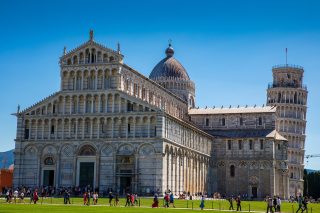
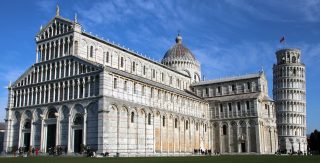
The Campo dei Miracoli (Square of Miracles) is where Pisa reveals its most theatrical side: a sweep of intense green lawn broken by gleaming white marble, medieval towers and domes, and that famous, improbable Leaning Tower that everyone has come to see. Set on the northwestern edge of the city rather than in its centre, the square once lay just inside the fortified walls, where there was enough space in 1094 to begin the grand project of building the Cathedral of Santa Maria Assunta. Today it is one of the best places to visit in Pisa, and no trip to Tuscany feels complete without at least a few hours spent wandering between its monuments.
More than just a pretty postcard, the Campo dei Miracoli is a carefully composed spiritual landscape. The Baptistery stands for birth, the cathedral for life and the monumental cemetery, the Camposanto, for death, echoing beliefs that long pre-date Christianity and reach back to the Etruscans. Even the famous Leaning Tower is, technically, simply the cathedral's bell tower, a functional piece of architecture that has become a global icon. Between these structures, the lush grass invites people to lie down, chat and sunbathe, even as discreet signs ask visitors not to tread on it, and the whole space feels both sacred and surprisingly relaxed, a highlight of any walking tour of Pisa that follows the old walls and gateways.
Table of Contents
- History and Significance of the Campo dei Miracoli
- Things to See and Do in the Campo dei Miracoli
- How to Get to the Campo dei Miracoli
- Practical Tips on Visiting the Campo dei Miracoli
- Where to Stay close to the Campo dei Miracoli
- Is the Campo dei Miracoli Worth Visiting
- FAQs for Visiting Campo dei Miracoli
- Nearby Attractions to the Campo dei Miracoli
History and Significance of the Campo dei Miracoli
Although the square feels like the heart of Pisa, it actually occupies a position on the northwest edge of the historic city, close to the defensive walls. That choice was driven by practical needs: the cathedral project, begun at the end of the 11th century, required a large open site for foundations, processional routes and associated buildings, and there was simply more room here than in the medieval centre. Over time, the area evolved into a self-contained sacred precinct, with its own visual language distinct from the cramped streets nearby.
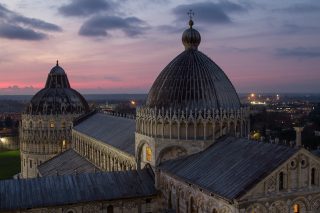
The three core monuments of the Campo dei Miracoli embody a powerful symbolic narrative. The circular Baptistery marks birth into the Christian community; the vast nave of the Cathedral of Santa Maria Assunta stands for life and worship; and the cloistered Camposanto, filled with tombs and earth brought, according to tradition, from the Holy Land, represents death and the hope of resurrection. This tripartite pattern echoes older Etruscan ideas about sacred space and the journey of the soul, reminding you that the site has carried spiritual weight since long before the current buildings rose. The Leaning Tower, though it tends to steal the show, is “only” the campanile of the cathedral, yet its visible tilt has turned it into the most photographed fragment of the whole ensemble.
The name Campo dei Miracoli is a relatively recent romantic flourish. For centuries, this was simply Piazza del Duomo, the Cathedral Square. Only in 1910 did writer Gabriele d'Annunzio famously describe it as a “meadow of miracles” in his novel “Forse che sì forse che no,” a phrase that stuck and gradually became the square's popular name. In the 19th century, architect Alessandro Gherardesca undertook major restoration and unification works, giving the piazza much of its current form and helping to frame the monuments against the expanse of lawn we see today. In 1987, UNESCO recognised the entire square as a World Heritage Site, underlining its global importance as a masterpiece of medieval art and architecture.
Things to See and Do in the Campo dei Miracoli
Most visitors start with the Leaning Tower, and it is worth taking time to circle it slowly before you think about climbing. From different angles you notice not only the dramatic lean but also the delicately stacked arcades and the subtle curve introduced by medieval builders trying to correct the tilt as they worked their way up. If you decide to climb the 294 steps, booking ahead is strongly recommended, and the experience of walking inside a slanting stone cylinder is as memorable as the view from the top.
Next, step into the Cathedral of Santa Maria Assunta, the building that gave the piazza its original name. Inside, the striped marble columns, glittering apse mosaic and rich pulpit work together to create a space that feels both grand and intimate. This is where Pisa displayed its wealth during the height of its maritime republic days, importing materials and artistic ideas from across the Mediterranean. Take a moment to sit in one of the pews and look back towards the entrance to appreciate the full length of the nave and how it anchors the whole square.
The Baptistery, representing birth, is especially striking from the outside with its mix of Romanesque solidity below and more Gothic flourish above. Step inside and you find a simple yet powerful space, where the font and acoustics take centre stage; if you are lucky, a guide or custodian may demonstrate how a single voice echoes around the dome. The Camposanto, often quieter than the other monuments, is the place to slow down. Its cloistered walkways frame a central lawn, and its chapels and galleries once displayed extensive frescoes; many were badly damaged in wartime, but restorations and fragments still hint at their former glory. Walking the cloister, knowing that the soil is traditionally said to come from Golgotha, brings the “birth-life-death” symbolism of the square into sharp focus.
Between monument visits, allow yourself some time simply to be in the space: watch students lounging on the grass, listen to the swirl of languages around you, and frame your own photos of marble and sky. Even when busy, the Campo dei Miracoli has a surprisingly serene, almost detached atmosphere, as if it has stepped slightly aside from the rest of the city to preserve a slice of its medieval soul.
How to Get to the Campo dei Miracoli
If you are flying into the region, you will arrive at Pisa International Airport Galileo Galilei, from where you can reach the Campo dei Miracoli by taxi in about 15-20 minutes or by a combination of the people-mover, local buses and a short walk through the historic centre. For the best deals and a seamless booking experience, check out these flights to Pisa on Booking.com.
By train, travel first to Pisa Centrale, the city's main station, which is well connected to Florence, Lucca and other Tuscan towns; from there you can walk for around 20-25 minutes through the centre, or take a local bus that drops you a short stroll from the square's main entrance. Use Omnio to easily compare schedules, book train tickets, and find the best prices all in one place for a hassle-free journey across Italy.
If you are driving, follow signs to Pisa and then to the “Piazza dei Miracoli” parking areas on the edge of the restricted traffic zone; leave your car in one of the paid car parks or designated lots nearby and walk the final few minutes to the square along well-signposted streets. If you are looking to rent a car in Italy I recommend having a look at Discover Cars, first, as they compare prices and review multiple car rental agencies for you.
Practical Tips on Visiting the Campo dei Miracoli
- Suggested tips: Book timed tickets in advance for the Leaning Tower and, if possible, combine cathedral, baptistery and Camposanto in a single visit so you experience the full “birth-life-death” story of the square.
- Best time to visit: Early morning or late afternoon offers softer light, fewer crowds and cooler temperatures, while night-time visits (when available) give a magical view of the illuminated monuments.
- Entrance fee: Expect separate or combined tickets for the tower and monuments; tower climbs are the most expensive, with combined monument passes offering better value.
- Opening hours: Hours vary by season and monument, but the square is generally accessible throughout the day; check current times for the cathedral, tower, baptistery and Camposanto before you go.
- Official website: https://www.opapisa.it/
- How long to spend: Allow at least 2-3 hours if you plan to climb the tower and visit at least two of the other monuments, plus extra time if you like to linger for photos or a break on a nearby café terrace.
- Accessibility: The square itself is level and accessible, but tower climbs involve many steps with no lift; check individual monument policies if you have mobility concerns or need step-free access.
- Facilities: You will find ticket offices, information points, restrooms and souvenir shops close to the monuments; cafés and restaurants sit just outside the main enclosure along the surrounding streets.
- Photography tip: Try wide-angle shots that capture the contrast between green grass and white marble, and do not forget to photograph the Leaning Tower from different corners of the square, not just the classic “holding it up” pose.
- Guided tours: Joining a guided tour, whether group or private, can help you understand the symbolism of the three main buildings and pick out details you might otherwise miss.
- Nearby food options: Avoid only the closest tourist traps by wandering a few streets away from the square; you will quickly find more relaxed trattorias and bars where locals mix with visitors.
Where to Stay close to the Campo dei Miracoli
If you want to wake up within a short stroll of the Leaning Tower and the Campo dei Miracoli, look for accommodation in the northern part of the historic centre. Grand Hotel Duomo places you very close to the square, so you can enjoy early morning or late evening visits when day-trip crowds thin out. Just beyond the immediate tourist zone, Hotel Il Giardino offers a quieter base within easy walking distance of the monuments and nearby residential streets. Travellers arriving by train might prefer Hotel Pisa Tower, which combines practical access to main roads and transport with a pleasant walk along local streets to reach the Campo dei Miracoli.
Is the Campo dei Miracoli Worth Visiting
The Campo dei Miracoli is unquestionably worth visiting, even if you have seen countless photos of the Leaning Tower. In person, the impact comes not just from the tilt but from the way all four main monuments share the same brilliant marble, the same open lawn and the same carefully planned composition. The symbolic journey from Baptistery to cathedral to Camposanto adds depth to what might otherwise be a simple checklist stop, and the square's position by the old walls reminds you that Pisa was once a powerful maritime republic whose wealth and faith are carved into every arc and column. Whether you climb the tower or simply wander the grounds, the Campo dei Miracoli brings together history, architecture and atmosphere in a way that feels both grand and strangely intimate.
What Other Travellers Say...

Piazza del Duomo in Pisa is a grassy, picture‑perfect square anchored by the famous leaning tower and the grand marble‑striped cathedral; visitors praise the impressive, large‑scale architecture and intricate interior details like stained glass and sculptures, recommend buying a ticket to climb for great exterior views, and note the peaceful, dreamlike atmosphere, easy walking around the site, and nearby eateries for refreshments.


FAQs for Visiting Campo dei Miracoli
Nearby Attractions to the Campo dei Miracoli
- Orto Botanico dell'Università di Pisa: Europe's first university botanical garden, a peaceful green space with historic greenhouses and plant collections just a short walk away.
- National Museum of San Matteo: A former convent turned museum showcasing medieval Tuscan sculpture, painting and illuminated manuscripts in calm cloistered rooms.
- Museum of the Ancient Ships: Housed in the old arsenals, this museum displays remarkably preserved ancient boats and artefacts from Pisa's maritime past.
- Torre Guelfa and Cittadella Vecchia: A reconstructed riverside tower and former citadel offering panoramic views over the Arno and a glimpse of the city's military history.
- Piazza dei Cavalieri: An elegant Renaissance square dominated by Palazzo dei Cavalieri and the Church of Santo Stefano, illustrating Pisa's civic and academic traditions.
The Campo dei Miracoli appears in our Complete Guide to Visiting Pisa!

Moira & Andy
Hey! We're Moira & Andy. From hiking the Camino to trips around Europe in Bert our campervan — we've been traveling together since retirement in 2020!
This website uses affiliate links which may earn a commission at no additional cost to you!
Planning Your Visit
Hours vary by season and monument, but the square is generally accessible throughout the day; check current times for the cathedral, tower, baptistery and Camposanto before you go.
Expect separate or combined tickets for the tower and monuments; tower climbs are the most expensive, with combined monument passes offering better value.
Nearby Attractions
- Battistero di San Giovanni (0.0) km
Historic Building - Camposanto Monumentale (0.1) km
Historic Building - Cathedral of Santa Maria Assunta (0.1) km
Cathedral - Leaning Tower of Pisa (0.2) km
Historic Building and Tower - Museo dell'Opera del Duomo (0.2) km
Museum - Orto Botanico dell’Università di Pisa (0.4) km
Gardens - Baths of Nero (0.6) km
Historic Site - Palazzo dei Cavalieri (0.6) km
Palace - Santo Stefano dei Cavalieri (0.7) km
Church - Lungarni of Pisa (0.8) km