Botanischer Garten der Universität Würzburg
Gardens in Würzburg
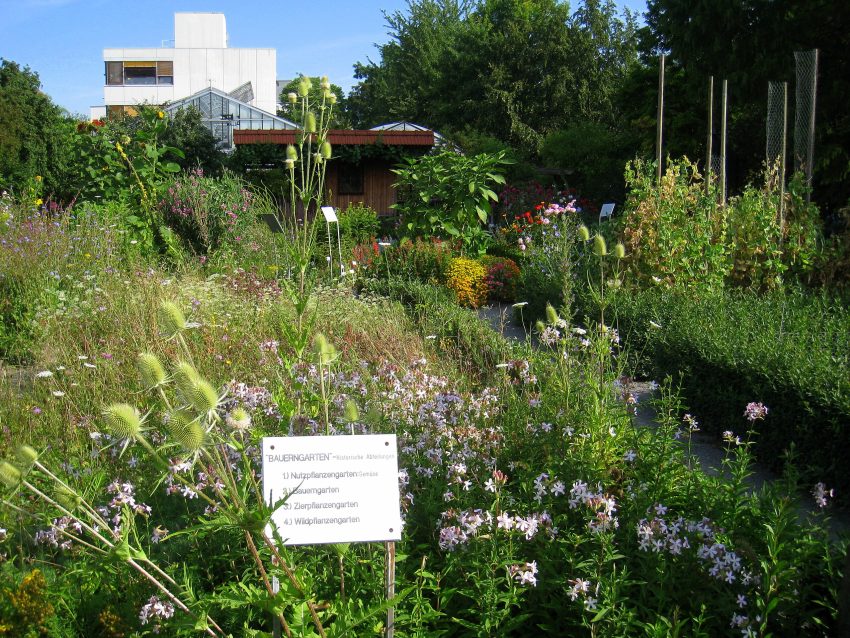
The Botanischer Garten der Universität Würzburg is the city's most refreshing reset button: a living, research-driven garden on the southern edge of town where Würzburg's wine-country light meets a surprisingly global plant collection. It's not a manicured “park” in the formal sense so much as a series of outdoor habitats and specialist beds, stitched together by paths that make you slow down and look closer.
What I love most is how it fits into a real sightseeing day without feeling like you're “adding another museum.” You can come here to breathe, learn a little without trying, and still leave with time for the Old Town, which is why it's one of the things to do in Würzburg if you're building a balanced route. It also slips neatly into a walking tour of Würzburg when you want a green interlude between architecture-heavy stops.
Table of Contents
- History and Significance of the Botanischer Garten der Universität Würzburg
- Things to See and Do in the Botanischer Garten der Universität Würzburg
- How to Get to the Botanischer Garten der Universität Würzburg
- Practical Tips on Visiting the Botanischer Garten der Universität Würzburg
- Where to Stay Close to the Botanischer Garten der Universität Würzburg
- Is the Botanischer Garten der Universität Würzburg Worth Visiting?
- For Different Travelers
- FAQs for Visiting the Botanischer Garten der Universität Würzburg
- Nearby Attractions to the Botanischer Garten der Universität Würzburg
History and Significance of the Botanischer Garten der Universität Würzburg
Founded in 1696, the garden is one of Germany’s long-running university botanical collections, created first and foremost to support teaching and research. That academic DNA still shapes the experience today: labels are informative, plant groupings often tell a story about ecology or use, and the layout feels like a place that’s actively maintained for learning rather than staged purely for visitors.
Over time, the garden evolved from a medicinal plant focus into a broader scientific collection, reflecting how botany shifted from pharmacy and classification into ecology, conservation, and global biodiversity. In practical terms, that means you’ll see everything from useful everyday plants to rare species that help explain climate, habitats, and adaptation.
It's also a very “Würzburg” kind of attraction: a calm, local place where students, researchers, and residents overlap. Visiting gives you a glimpse of the city beyond the postcard highlights, and it's an easy way to add depth to your time here.
Things to See and Do in the Botanischer Garten der Universität Würzburg
Start with the glasshouses if the weather is cold or damp, because they deliver instant atmosphere. Stepping from a grey winter day into warm, humid tropical greenery feels like travel inside travel, and the plant variety is the sort that keeps you pausing for details-leaf shapes, orchids, cacti, and the small surprises that thrive in controlled climates.
Outside, the joy is in the variety of “mini landscapes.” Look for sections that mimic natural habitats-rocky alpine-style plantings, dry and sun-loving beds, and themed collections that shift as you move uphill or downhill. It’s the kind of place where a slow loop is more rewarding than trying to “tick off” everything.
If you enjoy gardening or local culture, pay special attention to the beds that connect plants to people, such as medicinal and useful species, because they make the visit feel grounded rather than abstract. And if you’re here in the warmer months, it’s worth timing part of your visit for late afternoon, when the light softens and the garden becomes a genuinely relaxing place to linger.
How to Get to the Botanischer Garten der Universität Würzburg
The nearest major airports are Frankfurt Airport (FRA) and Nuremberg Airport (NUE). For the best deals and a seamless booking experience, check out these flights to Würzburg on Booking.com.
Würzburg Hauptbahnhof is well connected, and arriving by train is typically the simplest way to reach the city without worrying about parking or traffic. Train schedules and bookings can be found on Omio.
From the centre, the easiest public-transport option is to take tram line 3 or 5 toward the Dallenbergbad stop, then follow the signed walking route for a short approach to the main entrance. If you prefer buses, aim for routes that bring you toward the southern edge of town around the Dallenberg/Heidingsfeld side, then switch to a short walk.
If you’re driving, plan around limited on-site spaces and consider using a central car park and continuing by tram if the garden car park is full. If you are looking to rent a car in Germany I recommend having a look at Discover Cars, first, as they compare prices and review multiple car rental agencies for you.
Practical Tips on Visiting the Botanischer Garten der Universität Würzburg
- Entrance fee: Free
- Opening hours: (Summer) April – September; Daily: 08:00–18:00. (Winter) October – March; Daily: 08:00–16:00.
- Official website: https://www.uni-wuerzburg.de/einrichtungen/bgw/
- Best time to visit: Late morning is great for warm glasshouses in cooler seasons, while late afternoon is ideal in summer for softer light and a calmer atmosphere.
- How long to spend: Allow 1-2 hours for a relaxed loop, or 2-3 hours if you want to explore glasshouses, themed areas, and read labels as you go.
- Accessibility: Some paths and gradients can be uneven or hilly, so it’s best approached at an unhurried pace; check the site guidance if you need step-free routing.
- Facilities: Treat it as a walk-first attraction and plan café time before or after in the city, bringing water if you’re visiting on a warm day.
Where to Stay Close to the Botanischer Garten der Universität Würzburg
For a culture-heavy itinerary, base yourself in Würzburg’s Altstadt near the Main River and the main sights; if your trip leans toward green spaces and easy access to the garden approach, the quieter Steinbachtal/Heidingsfeld side is a practical alternative.
If you want a classic, highly walkable Old Town base with strong access to major sights, consider Best Western Premier Hotel Rebstock. For a convenient riverfront stay that’s easy for rail arrivals and quick city access, Maritim Hotel Würzburg is a dependable choice. If you prefer a central full-service option that keeps you close to the Old Town and onward transport links, Dorint Hotel Würzburg is another solid base.
Is the Botanischer Garten der Universität Würzburg Worth Visiting?
Yes, especially if you want a break from stone-and-street sightseeing without leaving the city. It's calming, quietly interesting, and offers a different lens on Würzburg through science, seasons, and living collections.
It’s also one of the easiest “quality of trip” upgrades you can make: a place to slow down, reset, and come back to the Old Town feeling fresher rather than more hurried.
What Other Travellers Say...

Botanical Garden at Julius-von-Sachs-Platz 4 is a compact, well maintained green space with a wide variety of plants and informative greenhouses representing different climates; visitors enjoy strolling through the grounds to see exotic species, appreciate displays like insect hotels and honey bees, and can access a promoted mobile guided tour for extra context—many recommend it as a pleasant spot for an afternoon visit though it may be closed at times.


For Different Travelers
Families with Kids
For families, the glasshouses are the easiest win: warm, vivid, and full of plants that feel dramatic and unfamiliar. Keep the visit playful by choosing a short loop and turning it into a “spot the biggest leaf / strangest cactus” kind of hunt rather than aiming to see every section.
If you’re visiting in summer, it’s a great place for a low-stress break between bigger attractions. Bring snacks and plan the garden as a calmer hour in the middle of the day rather than the grand finale.
Couples & Romantic Getaways
For couples, this is a simple, low-pressure date-style stop that feels local and unforced. Pair it with a river walk and a wine bar later, and it becomes a gentle contrast to Würzburg’s grand architecture.
If you enjoy photography or just wandering without an agenda, go later in the day and take the paths slowly. The best moments here are often the quiet corners rather than the headline features.
Budget Travelers
Budget travelers should absolutely consider it, because it’s a high-quality visit that doesn’t cost anything and still feels distinctive. Use it as a “free anchor” in your day, then spend your budget on one paid highlight elsewhere, like a palace interior or museum.
It also works well in shoulder season when you want an indoor-outdoor mix without buying multiple tickets. If the weather turns, the glasshouses can rescue the day.
FAQs for Visiting the Botanischer Garten der Universität Würzburg
Getting There
Tickets & Entry
Visiting Experience
Tours, Context & Itineraries
Photography
Accessibility & Facilities
Food & Breaks Nearby
Safety & Timing
Nearby Attractions to the Botanischer Garten der Universität Würzburg
- Würzburg Residence: The city's baroque showpiece with grand interiors and formal gardens that feel like Würzburg at its most theatrical.
- Alte Mainbrücke (Old Main Bridge): A classic viewpoint and strolling spot where you can take in the skyline and river life in one stop.
- Festung Marienberg: The hilltop fortress with panoramic city views and an imposing sense of Würzburg's long history.
- Würzburg Cathedral (Kiliansdom): A major landmark church that anchors the Old Town and rewards a quick interior look.
- Juliusspital: A historic complex with strong local wine culture, ideal for a relaxed tasting or meal after sightseeing.
The Botanischer Garten der Universität Würzburg appears in our Complete Guide to Visiting Würzburg!

Moira & Andy
Hey! We're Moira & Andy. From hiking the Camino to trips around Europe in Bert our campervan — we've been traveling together since retirement in 2020!
This website uses affiliate links which may earn a commission at no additional cost to you!
Planning Your Visit
(Summer) April - September; Daily: 08:00-18:00.
(Winter) October - March; Daily: 08:00-16:00.
Free
Nearby Attractions
- The Little Chapel: Kappele Würzburg (2.2) km
Church - Marienberg Fortress (2.9) km
Castle - Würzburg Court Gardens (Hofgarten) (3.0) km
Gardens - Martin von Wagner Museum (3.1) km
Museum - Würzburg Residenz (3.1) km
Palace - Alte Mainbrücke (Old Main Bridge) (3.1) km
Bridge - Würzburg Cathedral (3.2) km
Cathedral - Rathaus Würzburg (3.2) km
Town Hall - Neumünster Würzburg (3.2) km
Church - Marienkapelle, Würzburg (3.3) km
Church