Biblioteca Piccolomini, Siena
Cathedral, Historic Room and Library in Siena
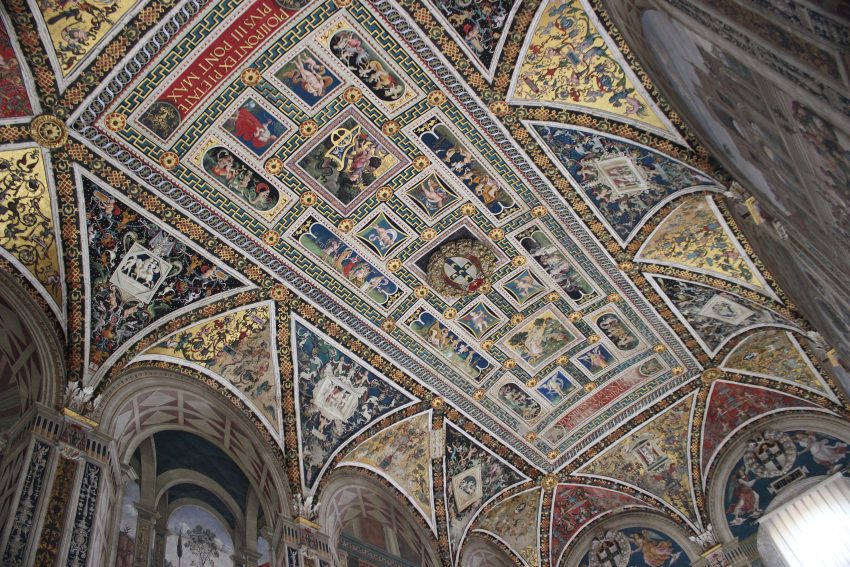
Tucked inside Siena's magnificent Cathedral (Duomo di Siena), the Biblioteca Piccolomini is a compact but jaw-dropping Renaissance library room celebrated for its intensely colorful fresco cycle, gilded details, and display cases of precious illuminated manuscripts. Even if you think you're “not a museum person,” this space tends to stop visitors in their tracks the moment they step through the doorway.
Because it's part of the Duomo complex, the Biblioteca Piccolomini fits perfectly into a walking tour of Siena's historic center, especially if you're already exploring Piazza del Campo and the cathedral area. Many people consider it one of the best places in Siena to see high-impact Renaissance art in a short amount of time.
Table of Contents
- History and Significance of the Biblioteca Piccolomini
- Things to See and Do in the Biblioteca Piccolomini
- How to Get to the Biblioteca Piccolomini
- Practical Tips on Visiting the Biblioteca Piccolomini
- Where to Stay Close to the Biblioteca Piccolomini
- Is the Biblioteca Piccolomini Worth Visiting?
- For Different Travelers
- FAQs for Visiting Biblioteca Piccolomini
- Nearby Attractions to the Biblioteca Piccolomini
History and Significance of the Biblioteca Piccolomini
The Biblioteca Piccolomini was commissioned as a tribute to Enea Silvio Piccolomini, who became Pope Pius II, and it's closely tied to the Piccolomini family's prestige in Siena. Although it's called a “library,” it functions as a ceremonial showpiece as much as a scholarly space, designed to project learning, legacy, and civic pride.
Its fame today rests largely on the frescoes (often the first thing visitors talk about afterward), which narrate key episodes connected to Pius II’s life and achievements. The room’s lavish decoration, paired with the manuscript displays, makes it feel like a concentrated snapshot of Renaissance ambition: art, religion, and politics all woven into one unforgettable interior.
Visiting the Biblioteca Piccolomini also deepens your understanding of the Duomo itself. It's not a separate attraction across town; it's an integral “hidden highlight” within the cathedral visit, rewarding travelers who slow down and look beyond the main nave.
Things to See and Do in the Biblioteca Piccolomini
Start by taking in the fresco cycle as a whole before zooming in on details. The scenes are packed with movement, architecture, and richly dressed figures, and the colors remain strikingly vivid, especially under good daylight. Look up as well: the ceiling and upper decorative elements are part of the spectacle, not an afterthought.
Next, spend time with the illuminated choir books and manuscript displays. Even if you don’t read Latin, the artistry is the point: intricate borders, miniature scenes, and the sense of scale you only appreciate when you’re standing right in front of them.
Finally, treat the room as a “pause point” during your Duomo route. Because visitor flow can be single-file at busy times, it helps to be ready: keep your camera settings sorted in advance, and plan to linger afterward in quieter corners of the cathedral complex (like the museum or viewpoints) if you want a less rushed pace.
How to Get to the Biblioteca Piccolomini
The nearest major airports are Florence (Amerigo Vespucci), Pisa (Galileo Galilei), and Rome (Fiumicino), then continue onward to Siena by ground transport. For the best deals and a seamless booking experience, check out these flights to Siena on Booking.com.
Siena is well-connected by train via routes that typically involve a change (often in Empoli or Florence), and from Siena train station you can reach the historic center by local bus, taxi, or a brisk uphill walk. Use Omnio to easily compare schedules, book train tickets, and find the best prices all in one place for a hassle-free journey across Italy.
If you’re driving, note that Siena’s historic center has ZTL limited-traffic zones, so it’s best to park in an official lot outside the core and walk or take an escalator/bus up toward the Duomo area. If you are looking to rent a car in Italy I recommend having a look at Discover Cars, first, as they compare prices and review multiple car rental agencies for you.
Practical Tips on Visiting the Biblioteca Piccolomini
- Official website: https://operaduomo.siena.it/en/piccolomini-library/
- Entrance fee: Included with Siena Cathedral/OPA SI complex admission; reduced ticket (children 7–11): €3; children up to 6: free.
- Opening hours: Monday – Saturday: 10:30–17:30. Sunday: 13:30–17:30.
- Best time to visit: Aim for earlier in the day to reduce queues and enjoy clearer views of the frescoes before peak tour groups arrive.
- How long to spend: Plan 10–20 minutes for the library itself, then add time for the rest of the Duomo complex if you want the full experience.
- Accessibility: Access is through the cathedral route; surfaces around the complex can be uneven, and crowd flow may be controlled in single-file during busy periods.
- Facilities: Facilities are those of the wider Duomo complex (ticketing, visitor services, and nearby cafés in the cathedral area), rather than inside the library room itself.
Where to Stay Close to the Biblioteca Piccolomini
The best area to base yourself is Siena's historic center near Piazza del Campo and the Duomo, so you can visit early, return for sunset strolls, and avoid transport hassles.
Grand Hotel Continental Siena – Starhotels Collezione A classic, high-end choice in the center with an elegant, old-world feel that matches Siena’s atmosphere; ideal if you want a special-occasion stay within easy walking distance of the Duomo.
Hotel Athena A reliable favorite for comfort and views, with a location that’s convenient for walking into the old town while still feeling a bit calmer than the busiest lanes.
Palazzo Ravizza A charming, character-filled hotel with a garden and a more residential vibe, great for travelers who want historic ambiance and a quieter return after sightseeing.
NH Siena A practical, modern option near the edge of the center, handy if you’re arriving by bus/train and want straightforward access without dragging luggage deep into the medieval streets.
Hotel Chiusarelli Good value for the location, with an easy walk to the Duomo area and a solid balance of comfort and price for short stays.
Is the Biblioteca Piccolomini Worth Visiting?
Yes, it's absolutely worth visiting, and for most travelers it's one of the highest “wow-factor per minute” stops in Siena. The room is visually overwhelming in the best way: frescoes, color, and craftsmanship that feel almost unreal, especially when you remember you're still inside an active cathedral.
Honest Pivot: If you're skipping the Duomo complex entirely, the Biblioteca Piccolomini alone isn't a standalone detour across town—it's a highlight because it's bundled into the cathedral visit. Also, if you strongly dislike controlled visitor flow or brief, crowded viewing conditions, you may find it less enjoyable at peak times.
What Other Travellers Say...

Reviews are overwhelmingly enthusiastic, with visitors describing the library as one of the most beautiful and memorable parts of the Siena Cathedral visit. Common highlights include the vivid frescoes, the ornate ceiling and walls, and the rare illuminated books on display, which many find fascinating even on a quick pass-through. The main drawbacks mentioned are practical: you must enter via the cathedral (so you need a cathedral/complex ticket), and there can be a short, managed line with single-file movement during busy periods.


For Different Travelers
The Biblioteca Piccolomini works well for a wide range of visitors because it's short, central, and immediately impressive. It's also easy to combine with Siena's other essentials, making it a flexible stop whether you have half a day or a full weekend.
Families with Kids
Kids who enjoy bright colors and “story pictures” often respond well to the frescoes, especially if you turn it into a quick spot-the-details game. Because the room is relatively small, it’s also manageable for shorter attention spans.
That said, the visit can feel a bit controlled when it’s busy, so families may prefer going earlier to avoid bottlenecks. Pair it with a gelato stop afterward to keep the pace fun and low-stress.
Couples & Romantic Getaways
For couples, this is one of those places that feels like a shared discovery: you step in, look up, and both instantly get why Siena is special. It's a great “anchor moment” on a slow day of wandering the historic center.
To make it more romantic, plan a gentle route: Duomo and library first, then a long walk through Siena's lanes toward Piazza del Campo for a drink or dessert. The contrast between the quiet intensity of the frescoes and the lively piazza is perfect.
Budget Travelers
Budget travelers will appreciate that the Biblioteca Piccolomini is accessed as part of the cathedral visit, so you're getting a major highlight without needing a separate ticket just for this room. It's also in a walkable area, so you can keep transport costs close to zero once you're in the center.
To stretch value further, plan your day around free viewpoints and neighborhood walks before and after the Duomo complex. Siena rewards wandering, and the library is a concentrated “big hit” that complements low-cost exploring.
History Buffs
History lovers will enjoy how the room functions as a curated statement of power, learning, and legacy, not just decoration. The imagery ties into Renaissance politics and papal history in a way that’s easy to feel even without a deep art background.
For extra context, connect the library visit with the cathedral’s broader story and Siena’s civic identity. If you like tracing narratives, you’ll find plenty to unpack in the scenes and symbolism.
FAQs for Visiting Biblioteca Piccolomini
Getting There
Tickets & Entry
Visiting Experience
Tours, Context & Itineraries
Photography
Accessibility & Facilities
Food & Breaks Nearby
Safety & Timing
Nearby Attractions to the Biblioteca Piccolomini
- Siena Cathedral (Duomo di Siena): The main cathedral interior is a masterpiece of Gothic design and the essential context for the library.
- Museo dell'Opera del Duomo: A must for major artworks and for understanding the cathedral's artistic “backstory.”
- Facciatone viewpoint: A dramatic terrace with some of the best panoramic views over Siena's rooftops.
- Baptistery of San Giovanni: Known for its artistic interior and as part of the cathedral complex route.
- Piazza del Campo: Siena's iconic shell-shaped square, perfect for people-watching and soaking up the city's energy.
The Biblioteca Piccolomini appears in our Complete Guide to Visiting Siena!

Moira & Andy
Hey! We're Moira & Andy. From hiking the Camino to trips around Europe in Bert our campervan — we've been traveling together since retirement in 2020!
This website uses affiliate links which may earn a commission at no additional cost to you!
Planning Your Visit
Monday - Saturday: 10:30-17:30.
Sunday: 13:30-17:30.
Included with Siena Cathedral/OPA SI complex admission; reduced ticket (children 7-11): €3; children up to 6: free.
Nearby Attractions
- Cripta del Duomo di Siena (0.0) km
Attraction, Cathedral and Museum - Museo dell'Opera del Duomo & Facciatone (0.0) km
Museum, Tower and Viewing Point - Duomo di Siena (0.0) km
Cathedral, Church and Religious Building - Battistero di San Giovanni (0.1) km
Baptistery, Cathedral and Religious Building - Santa Maria of Scala Hospital Museum (0.1) km
Historic Building, Historic Site and Museum - Palazzo Chigi Saracini (0.1) km
Arts Venue, Historic Building and Palace - Via di Città (0.1) km
Area, Street and Walk - Fonte Gaia (0.2) km
Attraction, Fountain and Square - Piazza del Campo (0.2) km
Attraction, Historic Site and Square - Museo Civico (0.2) km
Historic Building, Museum and Palace