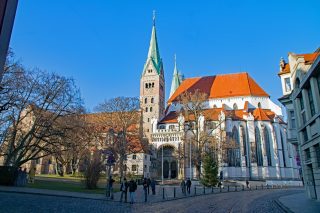
Benediktinerkloster St. Mang, Füssen
Monastery and Museum in Füssen

Benediktinerkloster St. Mang stands proudly along the River Lech, shaping the skyline of Füssen with its elegant Baroque church and grand monastery buildings. Founded in the 9th century and deeply tied to the legacy of Saint Magnus, this complex has remained one of the must-see places in Füssen for those seeking a blend of history, spirituality, and culture. Its riverside location and striking façade make it an easy and rewarding stop for travelers wandering the old town.
Inside, visitors find a rich tapestry of art and tradition, from frescoed ceilings and ornate stuccowork to centuries-old manuscripts and rare books. The Municipal Museum of Füssen, housed in the former monastery school, offers a fascinating look into local history and is often visited on tours of Füssen, making the monastery complex one of the top attractions in Füssen. Whether stepping into the quiet church or browsing historical exhibits, the site offers a peaceful yet engaging experience.
Table of Contents
- History and Significance of Benediktinerkloster St. Mang
- Things to See and Do in Benediktinerkloster St. Mang
- How to Get to Benediktinerkloster St. Mang
- Practical Tips on Visiting Benediktinerkloster St. Mang
- Where to Stay close to Benediktinerkloster St. Mang
- Is Benediktinerkloster St. Mang Worth Visiting?
- FAQs for Visiting Benediktinerkloster St. Mang
- Nearby Attractions to Benediktinerkloster St. Mang
History and Significance of Benediktinerkloster St. Mang
The monastery traces its origins to the early Middle Ages, when Magnus of Füssen founded a small monastic community that eventually grew into a spiritual center of regional importance. Over time, Magnus was venerated as Saint Magnus and became a focal figure in Füssen's religious history. The monastery also honours Saint Mang, an influential missionary monk whose legacy helped shape early Christian culture in the Bavarian Alps.
Throughout the centuries, the complex expanded in size and influence. Its present Baroque church, constructed in the 18th century, reflects a period of artistic and religious renewal, with frescoes, stucco decoration, and architectural flourishes typical of southern Germany’s flourishing monastic culture. The tombs of Saint Magnus and Saint Mang add further significance, drawing pilgrims and visitors alike.
In later periods, sections of the monastery were adapted for civic use, most notably the establishment of the Municipal Museum of Füssen in the former monastery school. This shift from purely religious functions to cultural preservation has helped keep St. Mang at the heart of Füssen's identity. Its library, filled with manuscripts and medieval texts, remains one of the most valuable intellectual legacies in the region.
Things to See and Do in Benediktinerkloster St. Mang
The Baroque church is the highlight of the complex, with its soaring interior, richly decorated ceiling frescoes, and ornate stuccowork. Visitors often spend time admiring the craftsmanship while enjoying a moment of quiet reflection. The presence of the saintly tombs further enhances the sense of historic reverence within the space.
The Municipal Museum of Füssen is another major attraction, presenting a well-curated collection of artifacts that trace the town's development from medieval times to more recent centuries. Exhibits include sacred art, musical instruments, and cultural objects that reveal how life evolved around the monastery. For many visitors, this makes the complex one of the things to do in Füssen when exploring local heritage.
The monastery library is a fascinating stop, especially for those who appreciate intellectual history. Shelves lined with manuscripts and early printed books reveal the scholarly life that once thrived here. Works by influential thinkers such as Augustine of Hippo and Thomas Aquinas provide a rare glimpse into the theological and philosophical interests of the monks who lived and studied within these walls.
How to Get to Benediktinerkloster St. Mang
The nearest major airport is Munich International Airport, offering international connections and easy onward travel toward Füssen. For the best deals and a seamless booking experience, check out these flights to Füssen on Booking.com.
Füssen's train station is located within walking distance of the monastery, with frequent services from Munich making the journey straightforward and scenic. Train schedules and bookings can be found on Omio.
If traveling by car, take the A7 motorway toward Füssen before following local roads into the old town, where public parking areas allow for convenient access to the monastery. If you are looking to rent a car in Germany I recommend having a look at Discover Cars, first, as they compare prices and review multiple car rental agencies for you.
Practical Tips on Visiting Benediktinerkloster St. Mang
- Suggested tips: Explore both the church and the museum for a complete understanding of the site’s historical layers.
- Best time to visit: Spring through autumn for comfortable weather and pleasant riverside walks.
- Entrance fee in Euros: The church is typically free; the museum charges around €6-€8.
- Opening hours: Hours vary seasonally; the museum usually closes earlier than the church.
- Official website: Search “St. Mang Monastery Füssen” for updated information.
- How long to spend: Around 1 to 1.5 hours is ideal.
- Accessibility: Some sections have stairs or uneven flooring; accessibility may vary.
- Facilities: Restrooms, small exhibition spaces, and museum services.
- Photography tip: Capture the exterior from the riverbank for the best angle of the façade.
- Guided tours: Available seasonally and often arranged through the museum.
- Nearby food options: Füssen’s center offers numerous cafés, Bavarian restaurants, and riverside spots within minutes.
Where to Stay close to Benediktinerkloster St. Mang
Füssen has several inviting accommodations close to the monastery. Travelers looking for a stylish and central option may enjoy Hotel Sonne, offering modern comfort near the old town. Those seeking Bavarian charm could opt for Hotel Hirsch, known for its warm interiors and traditional design. For a quieter setting near the river, Hotel Fantasia provides a peaceful retreat with scenic surroundings.
Is Benediktinerkloster St. Mang Worth Visiting?
Benediktinerkloster St. Mang is definitely worth visiting for its combination of religious history, Baroque architecture, and cultural exhibits. Its tranquil church, engaging museum, and historic library provide a varied experience that appeals to travelers interested in both art and regional heritage. Its location along the River Lech and proximity to Füssen's old town add even more charm, making it a rewarding stop for anyone exploring the area.
What Other Travellers Say...

Benediktinerkloster St. Mang at Lechhalde 3 in Füssen is a centrally located former Benedictine monastery now housing a history museum; visitors praise its impressive architecture and symmetry, a spacious interior with highlights such as a beautiful library, a Dance Macabre exhibit, and a pleasant inner courtyard, though some visitors note limited English translations inside.


FAQs for Visiting Benediktinerkloster St. Mang
Nearby Attractions to Benediktinerkloster St. Mang
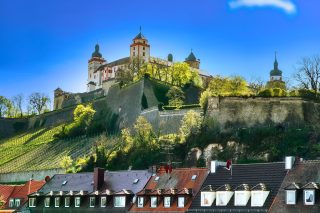
- Hohes Schloss: A striking hilltop castle with art collections and panoramic views over Füssen.
- Lechfall: A dramatic waterfall and viewpoint just outside the old town.
- Neuschwanstein Castle: Bavaria's iconic fairy-tale castle a short drive from Füssen.
- Hohenschwangau Castle: Historic residence of King Ludwig II's family set above Alpsee.
- Altstadt Füssen: The charming medieval old town with shops, cafés, and scenic alleyways.
The Benediktinerkloster St. Mang appears in our Complete Guide to Visiting Füssen!

Moira & Andy
Hey! We're Moira & Andy. From hiking the Camino to trips around Europe in Bert our campervan — we've been traveling together since retirement in 2020!
This website uses affiliate links which may earn a commission at no additional cost to you!
Planning Your Visit
April to October: Tuesday to Sunday from 11 a.m. to 5 p.m.
November to March: Friday to Sunday from 1 p.m. to 4 p.m
Adults €6
Nearby Attractions
- Hohes Schloß (0.1) km
Castle and Gallery - Hohenschwangau Castle (3.0) km
Castle - Museum of the Bavarian Kings (3.1) km
Museum - Neuschwanstein Castle (3.9) km
Castle - Linderhof Palace (19.6) km
Palace - Schlosspark Nymphenburg (89.0) km
Gardens, Palace and Park - Botanical Garden Munich-Nymphenburg (89.3) km
Attraction, Gardens and Park - Rotes Tor (89.5) km
City Gate and City Walls - Augsburger Puppenkiste (89.5) km
Theatre - St. Ulrich's and St. Afra's Church (89.6) km
Church