Bakewell Bridge
Bridge in Bakewell
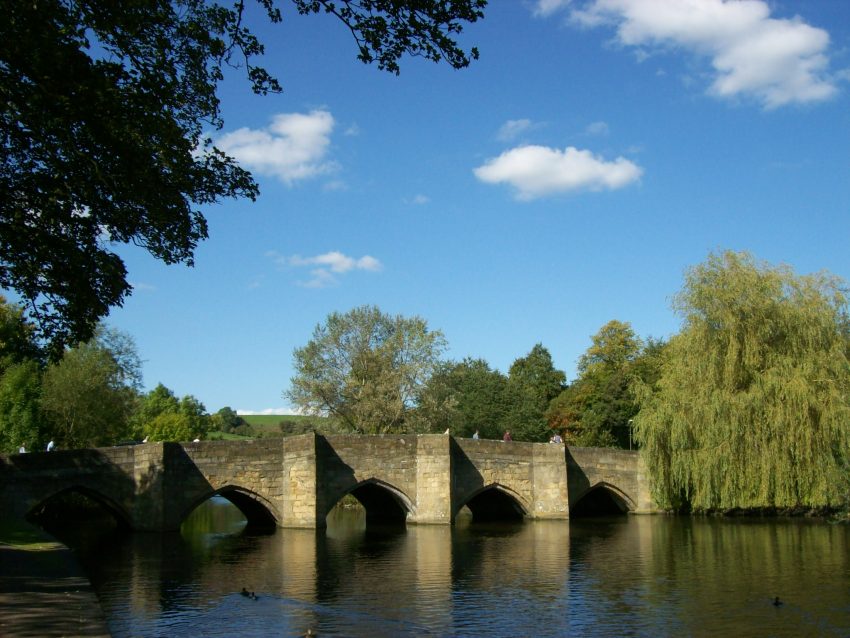
Bakewell Bridge is one of the top attractions in Bakewell, especially for those who appreciate the rare traces of medieval history still standing in the town today. Crossing the gentle River Wye, this five-arched stone bridge is thought to date to the early 14th century and remains one of the finest medieval river crossings in the Peak District. With its pointed Gothic arches and broad stone parapets, it offers both beauty and historical significance.
A stroll south along the Wye from the bridge reveals some of the prettiest scenery in Bakewell, with willow trees dipping into the water, ducks paddling near the shore, and open views across the surrounding hills. The bridge's triangular cutwaters form alcoves perfect for pausing to enjoy the river-an atmospheric reminder of the people who walked here centuries ago.
History and Significance of Bakewell Bridge
Very little of medieval Bakewell survives today, which makes the preservation of this bridge especially important. Built from ashlar sandstone, it is believed to have been constructed in the early 1300s, during a period when river crossings played a crucial role in trade, travel, and the growth of rural market towns.
The bridge’s Gothic pointed arches reflect the architectural style of the time, while its triangular cutwaters-designed to break the flow of water-extend upwards to create small pedestrian refuges. These alcoves would have offered safety to foot travellers when carts or livestock crossed the narrow roadway.
In the 19th century, the rise of road traffic prompted major modifications. The bridge was widened to accommodate carriages and, later, motor vehicles. Despite these alterations, much of the medieval structure remains intact, making Bakewell Bridge one of the most evocative historic crossings in Derbyshire and a beloved symbol of the town.
Things to See and Do in Bakewell Bridge
Walking across the bridge is a simple but rewarding experience. Stand in one of the stone alcoves to admire the arches, river reflections, and nearby countryside. The gentle curve of the Wye here makes it a favourite spot for photographers.
From the south side of the bridge, follow the riverside path for a leisurely and scenic stroll. This area is especially lovely in spring and early autumn when the trees frame the water in vibrant colour. Look out for wildlife, from ducks and wagtails to the occasional trout gliding beneath the surface.
Because the bridge sits close to Bakewell's centre, it can easily be combined with visits to nearby landmarks, cafés, and shops. It's also a popular place to pause with an ice cream or Bakewell pudding while watching the flow of the river.
How to Get There
Bakewell Bridge is located at the southern edge of Bakewell town centre and is easily reached on foot from anywhere in town. Visitors arriving by car can use one of the public car parks in Bakewell, all within a short walk of the bridge.
Local buses from Matlock, Buxton, and Chesterfield stop in Bakewell, allowing easy access to the bridge and surrounding river paths.
Practical Tips on Visiting Bakewell Bridge
- Best time to visit Bakewell Bridge: Early morning or late afternoon for soft light and peaceful river views.
- Entrance fee in Euros: Free.
- Opening hours: Always open.
- Official website: No official site, though local tourism pages offer information.
- How long to spend: 10-30 minutes for the bridge itself, longer if strolling along the river.
- Accessibility: The bridge has a slight incline; paths are suitable for most visitors.
- Facilities: Public toilets, cafés, and shops are available nearby in Bakewell.
- Photography tip: Capture the Gothic arches from the riverbank for the best angle.
- Guided tours: Occasionally included in local heritage walks.
- Nearby food options: Plenty of cafés and bakeries in Bakewell’s centre.
Where to Stay close to Bakewell Bridge
For easy access to the bridge and Bakewell’s riverside walks, The Rutland Arms Hotel offers a central and historic base. Travellers seeking countryside tranquillity may enjoy The Peacock at Rowsley, just a short drive away. Another nearby option is East Lodge Country House Hotel, ideal for exploring the wider Peak District.
Is Bakewell Bridge Worth Visiting?
Yes. Bakewell Bridge is a beautiful and atmospheric landmark that offers a rare glimpse into the medieval past of the town. Its riverside setting, historic architecture, and scenic walking paths make it a lovely stop for anyone exploring Bakewell or the Peak District.
What Other Travellers Say...

Bakewell Bridge is a scenic arched stone bridge over the River Wye (Derwent) in the town centre that carries both traffic and pedestrians; visitors recommend strolling along the river, stopping to relax and watch wildlife, browsing nearby shops and bakeries for local treats, and using nearby car parks—such as the Bakewell Bridge car park—as a handy starting point, with viewpoints built into the bridge that let you enjoy the views without blocking passersby.


FAQs for Visiting
Nearby Attractions to Bakewell Bridge
- Bakewell Parish Church: A historic church with Saxon crosses, Norman arches, and medieval tombs.
- Bakewell Town Centre: Filled with shops, cafés, and traditional pudding bakeries.
- Old House Museum: Bakewell's oldest home, showcasing local history across centuries.
- Haddon Hall: A remarkably preserved medieval manor house a short drive away.
- Monsal Trail: A popular walking and cycling route with dramatic Peak District scenery.
The Bakewell Bridge appears in our Complete Guide to Visiting Bakewell!

Moira & Andy
Hey! We're Moira & Andy. From hiking the Camino to trips around Europe in Bert our campervan — we've been traveling together since retirement in 2020!
This website uses affiliate links which may earn a commission at no additional cost to you!
Nearby Attractions
- All Saints' Church (0.4) km
Church - Old House Museum (0.5) km
Historic Building and Museum - Thornbridge Hall Gardens (2.6) km
Historic Building - Haddon Hall (2.7) km
Historic Building - Chatsworth House (4.3) km
Historic Building - Monsal Trail (4.6) km
Walk - Magpie Mine, Sheldon (4.7) km
Historic Site - Arbor Low (7.8) km
Historic Site - Buxton Museum and Art Gallery (16.7) km
Museum - Cavendish Arcade (16.8) km
Baths and Shop