Ba Mu Temple, Hoi An
Buddhist Temple in Hoi An
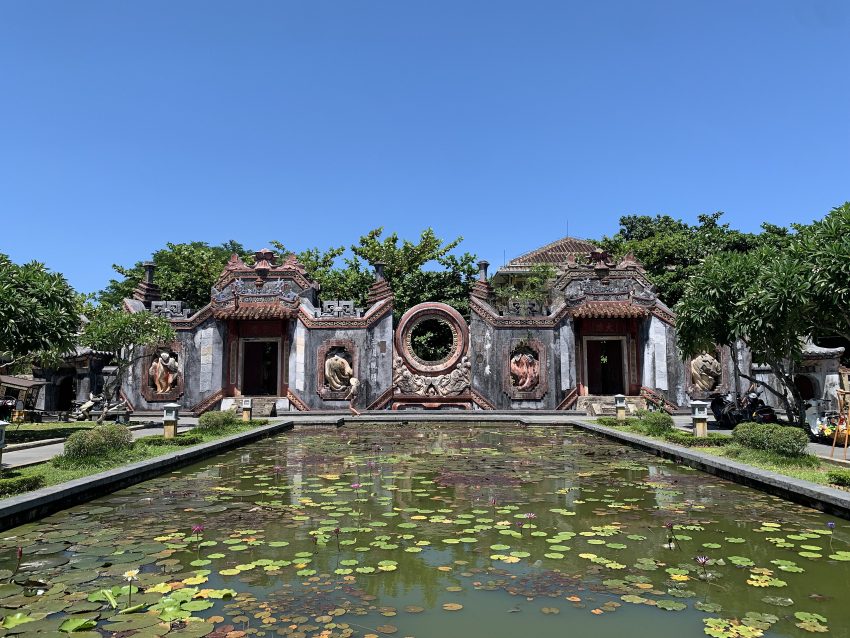
Ba Mu Temple is one of the must-see places in Hoi An for travellers seeking a blend of history, spirituality, and photogenic charm. Originally known as Cam Ha Palace and Hai Binh Palace, the temple has evolved over the centuries, with only fragments of its early structures remaining today. The most iconic of these is the ancient gate, a beautifully restored architectural treasure that now stands as a highlight of any walking tour of Hoi An.
Constructed in 1626 and relocated to its present location, Ba Mu Temple has undergone major renovations in 1848 and 1922. Despite weather damage and the impacts of war, local conservation efforts have transformed the site into a serene and culturally rich oasis, complete with elegant landscaping and reflective water features.
History and Significance of Ba Mu Temple
Ba Mu Temple’s origins reflect Hoi An’s long tradition of spiritual devotion and multicultural influences. Initially functioning as Cam Ha Palace and Hai Binh Palace, it served as an important religious centre dedicated to the Holy Mother Thien Hau, the Twelve Midwives, and other protective deities.
Its unique architectural style earned it recognition as one of Hoi An's top heritage sites as early as 1930, ranked alongside the Japanese Covered Bridge and the Trieu Chau Assembly Hall. Over time, the temple endured natural disasters and wartime damage, leaving only the gate and selected structures standing.
Thanks to extensive restoration and revitalisation by local authorities, the temple today represents both continuity and renewal. Its preserved gate and landscaped courtyard invite visitors to step back into Hoi An’s spiritual history.
Things to See and Do in Ba Mu Temple
The temple's ancient gate is among the top attractions in Hoi An for photography enthusiasts. With its East Asian design influences, detailed bas-reliefs, and warm tones of red, orange, and yellow, it creates a visually compelling backdrop framed by lotus ponds and lush greenery.
Hai Binh Palace, dedicated to Thien Hau and the Twelve Midwives, contains statues of Qianliyan (Thousand-Mile Eye) and Shunfeng’er (Wind-Following Ear), both central figures in East Asian mythology. Visitors can also explore the left wing, formerly Cam Ha Palace, which houses statues of 36 deities and shrines honouring Tho Ky and Minh Huong.
The peaceful lotus-filled pond and landscaped walkways make wandering through the temple grounds one of the things to do in Hoi An for travellers seeking a calm and culturally immersive experience. The site offers a beautiful balance of spiritual significance, historical identity, and aesthetic appeal.
How to Get to Ba Mu Temple
Travellers typically reach Hoi An via Da Nang International Airport, located about 45 minutes away and serving both domestic and international flights. For the best deals and a seamless booking experience, check out these flights to Hoi An on Booking.com.
Those arriving by rail can use Da Nang Railway Station, the closest major stop, before continuing to Hoi An by taxi, shuttle, or local bus. Train schedules and bookings can be found on Omio.
Located just outside the main pedestrian area of the Ancient Town, Ba Mu Temple is easily accessible on foot or by bicycle. Visitors travelling by car will need to use designated parking areas nearby before walking to the temple.
Practical Tips on Visiting Ba Mu Temple
- Suggested tips: Visit early in the morning for soft light and fewer crowds, ideal for photography around the gate and pond.
- Best time to visit: Late afternoon and early morning provide the most atmospheric lighting.
- How long to spend: 20 to 30 minutes is usually enough to explore the gate, pond, and shrines.
- Accessibility: The grounds are generally accessible, though some steps and uneven surfaces may be present.
- Facilities: Limited on-site facilities; nearby cafés and shops offer refreshments.
- Photography tip: The reflection of the gate in the lotus pond creates one of the best places to see in Ba Mu Temple for memorable photos.
- Guided tours: Private walking tours often stop here for historical background and photography.
- Nearby food options: Cafés and small eateries in the surrounding area provide convenient dining options.
Where to Stay close to Ba Mu Temple
Staying near the edges of the Ancient Town offers a peaceful base with easy access to Ba Mu Temple. Consider Hoian Central Hotel for modern comfort close to cultural sites. Another excellent option is Vinh Hung Heritage Hotel, which immerses guests in historic ambience. For stylish riverside relaxation, Little Riverside Hoi An is also within easy reach.
Is Ba Mu Temple Worth Visiting?
Yes, Ba Mu Temple is absolutely worth visiting. Its restored gate, tranquil lotus ponds, and beautifully landscaped setting make it one of the best places to visit in Hoi An for photography, spiritual reflection, and cultural appreciation. The temple's history and visual charm offer a rewarding stop for travellers exploring the town's heritage.
What Other Travellers Say...

Ba Mù Temple Gate on Hai Bà Trưng in Hội An is a richly carved monumental gate set before a shimmering pond; visitors describe a quiet, contemplative spot where sunlight plays on the water, birdsong and a gentle breeze soften city noise, and the gate and pond — with an old wooden building or schoolyard beyond — make a peaceful backdrop for photos or a restful pause while exploring old town; nearby there's a tucked-away restaurant praised for authentic Hoi An dishes and a tranquil atmosphere.


FAQs for Visiting Ba Mu Temple
Nearby Attractions to Ba Mu Temple
- Japanese Covered Bridge: One of Hoi An's most iconic landmarks, rich with historical symbolism.
- Old House of Phung Hung: A beautifully preserved merchant residence showcasing mixed cultural influences.
- Cantonese Assembly Hall: A colourful heritage site honouring Quan Cong with detailed carvings.
- Fujian Assembly Hall: A lively temple dedicated to Thien Hau with striking altars and courtyards.
- Hoi An Night Market: A bustling riverside market offering lanterns, snacks, and handmade crafts.
The Ba Mu Temple appears in our Complete Guide to Visiting Hoi An!

Moira & Andy
Hey! We're Moira & Andy. From hiking the Camino to trips around Europe in Bert our campervan — we've been traveling together since retirement in 2020!
This website uses affiliate links which may earn a commission at no additional cost to you!
Planning Your Visit
Nearby Attractions
- Phap Bao Temple (0.1) km
Pagoda - Cantonese Assembly Hall (0.1) km
Historic Building - Duc An Ancient House (0.1) km
Historic Building - Museum of Sa Huỳnh Culture (0.1) km
Museum - Japanese Covered Bridge (0.1) km
Bridge - Phung Hung Ancient House (0.1) km
Historic Building - Ancient House of Tan Ky (0.2) km
Historic Building - Tran Family Chapel (0.2) km
Historic Building - Cam Pho Temple (0.3) km
Buddhist Temple - Museum of Trade Ceramics (0.3) km
Museum