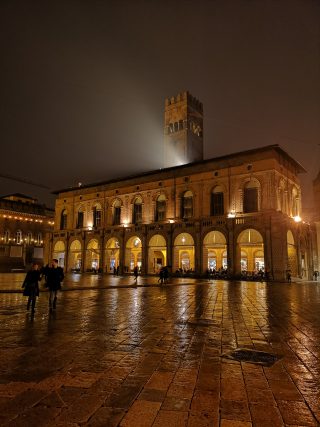
Rimini Caput Viarum
Visitor Centre in Rimini
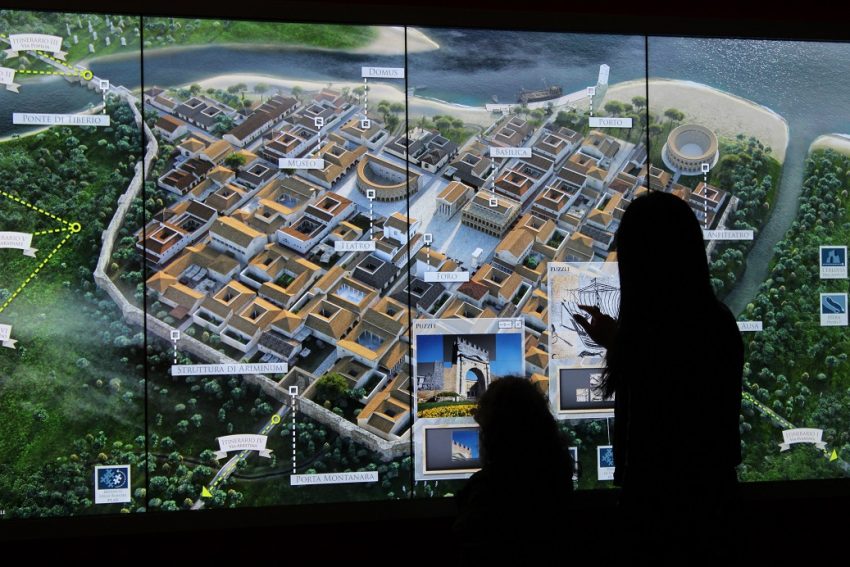
aRimini Caput Viarum is an interactive visitor center in Rimini’s historic core that uses multimedia storytelling to introduce you to Ariminum, the Roman city that once anchored this stretch of the Adriatic. It’s designed as a lively, accessible “primer” rather than a traditional museum: you move through an audiovisual narrative that connects Roman foundations to the medieval and Renaissance layers you’ll see on the streets outside.
Because it blends context, orientation, and practical visitor help in one place, it's one of the top attractions in Rimini for travelers who want their sightseeing to feel coherent rather than random. It also works perfectly as a first stop on a walking tour of Rimini, especially if you like having a clear story in your head before you start ticking off monuments and piazzas.
Table of Contents
- History and Significance of the aRimini Caput Viarum
- Things to See and Do in the Rimini Caput Viarum
- How to Get to the Rimini Caput Viarum
- Practical Tips on Visiting the Rimini Caput Viarum
- Where to Stay Close to the Rimini Caput Viarum
- Is the Rimini Caput Viarum Worth Visiting?
- For Different Travelers
- FAQs for Visiting aRimini Caput Viarum
- Nearby Attractions to the Rimini Caput Viarum
History and Significance of the aRimini Caput Viarum
Rimini's Roman identity is unusually readable in the modern city, and aRimini Caput Viarum exists to make that readability easier for visitors. Instead of treating Roman Rimini as a scatter of separate ruins, it frames the city as a connected system of roads, gates, civic spaces, and everyday life, helping you understand why certain streets and landmarks sit where they do.
The center's “Caput Viarum” idea is about Rimini as a node of movement and exchange, not just a seaside destination. That matters because it encourages you to look beyond the obvious highlights and notice how the city's older layers still shape today's routes: how main streets align, why key buildings cluster, and how the coastal setting and hinterland relationship influenced Rimini's growth.
It also serves a civic role as a visitor-oriented hub, pointing you toward events, places of interest, and the kinds of local details that can turn a good day into a great one. In practice, it's the bridge between history and real travel planning: the story helps, but the real value is how it sends you back out into Rimini with sharper curiosity.
Things to See and Do in the Rimini Caput Viarum
The main experience is the multimedia route itself: immersive visuals, interactive elements, and a narrative approach that’s engaging even if you’re not a “read every plaque” traveler. It’s particularly effective if you’ve just arrived, because it gives you an instant mental map of Rimini’s timelines and neighborhoods.
Use it as a route-builder. As you move through the storytelling, take note of the Roman and later landmarks that keep recurring, then plan a compact loop that strings them together logically rather than by proximity alone. This is the kind of place that helps you decide what to prioritize if you only have a day or two.
If you’re traveling with mixed interests in your group, it’s also a smart compromise stop. History lovers get context and narrative, while everyone else gets a visually engaging experience that doesn’t feel heavy or slow, and you all walk out with a clearer plan for the rest of the day.
How to Get to the Rimini Caput Viarum
Federico Fellini International Airport (Rimini Airport) is the closest airport, while Bologna Guglielmo Marconi Airport is a common alternative with more flight options. For the best deals and a seamless booking experience, check out these flights to Rimini on Booking.com. From either airport, continue into central Rimini by bus, taxi, or train connections depending on your schedule.
Rimini’s main train station is a straightforward starting point, and you can reach the historic center with a simple walk or a short local bus/taxi hop. Use Omnio to easily compare schedules, book train tickets, and find the best prices all in one place for a hassle-free journey across Italy. Once you’re on the main central streets, the visitor center area is easy to fold into an old-town route.
If you’re driving, it’s usually best to park on the edge of the centro storico and walk in, since central access and parking can be limited or slow at peak times. If you are looking to rent a car in Italy I recommend having a look at Discover Cars, first, as they compare prices and review multiple car rental agencies for you.
Practical Tips on Visiting the Rimini Caput Viarum
- Entrance fee: Free
- Opening hours: Winter: Wednesday: 9:30 - 12:30; Thursday and Friday: from 15.30 to 18.30; Saturday and Sunday: 10:00 to 13:00 & 15:30- 18:30. Closed Monday & Tuesday Summer: Tuesday - Saturday 10:00 to 13:00 & 16:00 - 19:00; Sunday 10:00-13:00. Closed Monday.
- Official website:
- Best time to visit: Go early in your Rimini itinerary so the storytelling can shape everything you do afterwards, especially if you want to understand the Roman layout before you see the ruins. It also works well in the middle of the day as a break from walking, when you want something engaging but less physically demanding.
- How long to spend: Plan 45-75 minutes for the full experience at a comfortable pace, with a little extra time if you like revisiting sections or asking staff for route suggestions. If you’re tight on time, you can still get solid value in around 30 minutes by focusing on the main narrative flow.
- Accessibility: The visitor-center format is generally friendly for a wide range of travelers because the experience is designed around viewing and moving through a curated path rather than climbing or long-distance walking. If you have mobility needs, aim for quieter times so you can move at your own pace without feeling rushed.
- Facilities: Expect a visitor-oriented setup rather than a full museum complex, with staff support and information that can help you plan your day. For cafés, restrooms, and longer breaks, you’ll have plenty of options within a short walk in the surrounding historic-center streets.
Where to Stay Close to the Rimini Caput Viarum
For a culture-heavy itinerary, base yourself in Rimini’s historic center near Corso d’Augusto so you can walk to the main sights; if your trip is mainly about beach time and nightlife, Marina Centro is usually the better base for seafront energy and evening promenade life.
For a stylish, central stay that makes old-town sightseeing effortless, consider DuoMo Hotel. If you want strong transport links while keeping the center walkable, Card International Hotel is a practical choice. For a classic option that pairs well with evenings by the waterfront while keeping the historic core within easy reach, Grand Hotel Rimini is a standout.
Is the Rimini Caput Viarum Worth Visiting?
Yes, especially if you like understanding a place before you “collect” its highlights. The center turns Rimini from a set of individual stops into a story-driven city, which makes everything you see afterwards feel more meaningful and easier to remember.
It's also worth it for itinerary efficiency. A short visit here can save you time later by helping you choose a logical walking loop, avoid unnecessary backtracking, and focus on the parts of Rimini that match your interests.
What Other Travellers Say...

aRimini Caput Viarum on Corso d'Augusto in Rimini is a visitor center housed in a former church where friendly staff guide visitors through an engaging, mostly audiovisual presentation about the city's past; exhibitions have included free photography displays with an introductory film and interactive materials, and printed historical and tourist information is available on request.


For Different Travelers
Families with Kids
This is a strong family stop because the format is interactive and visual, which usually lands better than long text-heavy museums. It’s also easy to set a natural pace: you can move quickly through sections that don’t grab attention and linger where the visuals are most engaging.
To make it work smoothly, treat it as your “setup” for the day. Once kids have a basic story in their heads, the outdoor sights that follow often feel more like a treasure hunt than a history lesson.
Couples & Romantic Getaways
For couples, aRimini Caput Viarum is a smart first stop because it helps you turn a simple stroll into a themed day. It’s the kind of place that sparks good conversations, where you leave with a shared plan and a clearer sense of what you want to see next.
It also pairs well with an evening rhythm: do the visitor center, wander to a piazza for a drink, then choose a few highlights to see in softer light. The storytelling gives your walk a sense of intention without making it feel overplanned.
Budget Travelers
This is a budget-friendly way to get high value from Rimini because it helps you build a strong itinerary that relies heavily on walking and free outdoor landmarks. A bit of context upfront often makes free sights feel richer, which is exactly what you want when you're balancing spending.
Use it to prioritize. If you only pick a few paid entries in Rimini, this stop can help you decide what's truly worth your money and what you can enjoy just as much from the outside.
History Buffs
History-focused travelers will appreciate that this experience is built around interpretation rather than just display. It connects Roman Rimini to what came after, making it easier to understand continuity and change across centuries instead of treating each period as a separate chapter.
To get the most from it, visit early and then follow through with a Roman-focused loop. When you see arches, streets, and ruins afterwards, you’ll notice more, because you’ll already know what you’re looking at and why it mattered.
FAQs for Visiting aRimini Caput Viarum
Getting There
Tickets & Entry
Visiting Experience
Tours, Context & Itineraries
Photography
Accessibility & Facilities
Food & Breaks Nearby
Safety & Timing
Nearby Attractions to the Rimini Caput Viarum
- Piazza Cavour: Rimini's main civic square for cafés, people-watching, and a quick architectural loop among major public buildings.
- Piazza Tre Martiri: A central square layered with Roman street-plan roots and modern commemorative history.
- Domus del Chirurgo: A glass-roofed archaeological site with mosaics and a compelling story of everyday life in Roman Rimini.
- Tempio Malatestiano: A landmark church that adds a strong Renaissance layer to your understanding of Rimini's identity.
- Arch of Augustus: A signature Roman gateway that anchors a compact “ancient Rimini” walking loop.
The Rimini Caput Viarum appears in our Complete Guide to Visiting Rimini!

Moira & Andy
Hey! We're Moira & Andy. From hiking the Camino to trips around Europe in Bert our campervan — we've been traveling together since retirement in 2020!
This website uses affiliate links which may earn a commission at no additional cost to you!
Planning Your Visit
Winter: Wednesday: 9:30 – 12:30; Thursday and Friday: from 15.30 to 18.30; Saturday and Sunday: 10:00 to 13:00 & 15:30- 18:30. Closed Monday & Tuesday
Summer: Tuesday – Saturday 10:00 to 13:00 & 16:00 – 19:00; Sunday 10:00-13:00. Closed Monday.
Free
Nearby Attractions
- Palazzo del Fulgor (0.1) km
Museum - Ponte di Tiberio (0.2) km
Bridge and Historic Site - Museo della Città di Rimini (0.2) km
Historic Building and Museum - Palazzo Garampi (0.2) km
Palace - Domus del Chirurgo (0.2) km
Historic Site - Piazza Cavour (0.2) km
Square - Porta Galliana (0.3) km
City Gate - Castel Sismondo (0.3) km
Castle and Museum - Piazza Tre Martiri (0.5) km
Historic Site and Square - Tempio Malatestiano (0.5) km
Church