Archaeological Museum of Zadar
Attraction and Museum in Zadar
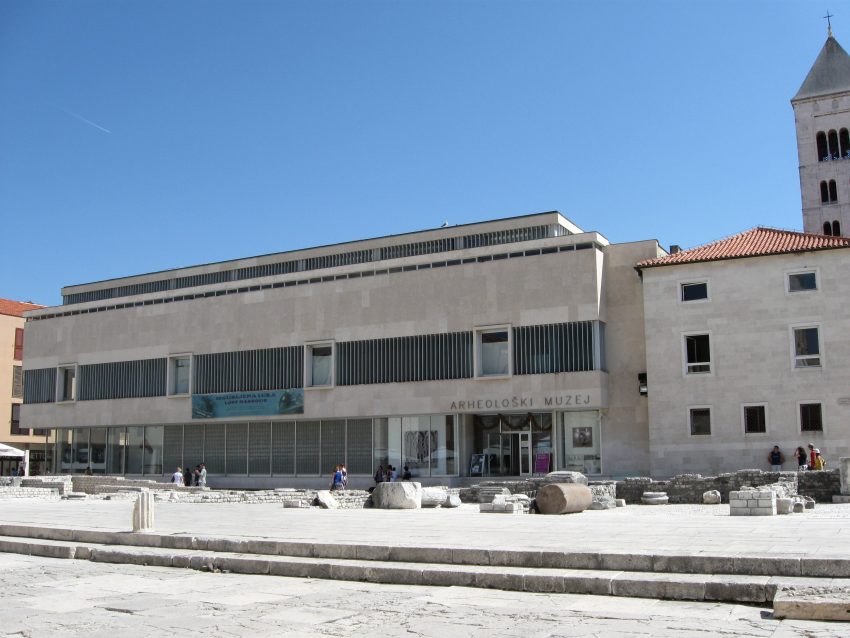
The Archaeological Museum of Zadar sits right on the Old Town peninsula, facing the Roman Forum and just steps from landmark sights like the Church of St. Donatus. It's a compact, three-level museum that makes an easy, high-impact stop when you want context for everything you're seeing outdoors in Zadar's historic core.
If you're exploring the Old Town on a walking tour, this museum is one of the best places to “connect the dots” between the Forum stones under your feet and the stories of the people who lived here—from prehistoric communities to Roman Iader and the early Croatian medieval period.
Table of Contents
- History and Significance of the Archaeological Museum of Zadar
- Things to See and Do in the Archaeological Museum of Zadar
- How to Get to the Archaeological Museum of Zadar
- Practical Tips on Visiting the Archaeological Museum of Zadar
- Where to Stay Close to the Archaeological Museum of Zadar
- Is the Archaeological Museum of Zadar Worth Visiting?
- For Different Travelers
- FAQs for Visiting Archaeological Museum of Zadar
- Nearby Attractions to the Archaeological Museum of Zadar
History and Significance of the Archaeological Museum of Zadar
Founded in the 19th century, the Archaeological Museum of Zadar is one of Croatia's oldest museum institutions and a key keeper of northern Dalmatia's archaeological record. Its collections draw from Zadar and the surrounding region, including nearby islands and historic settlements, giving the museum a strong sense of place rather than a generic “ancient history” overview.
What makes it especially significant is how clearly it frames Zadar as a long-lived crossroads: prehistoric cultures, the Liburnians, Roman urban life, and the early medieval world all appear in one visit. That layered timeline mirrors the city itself, where Roman-era remains and medieval churches share the same compact streets.
Because the museum is positioned beside the Forum, it also works as a “before and after” experience: see the artifacts and inscriptions inside, then step back outside to recognize architectural fragments, street alignments, and the scale of Roman public space in real life.
Things to See and Do in the Archaeological Museum of Zadar
Start by thinking in floors: the museum is often most enjoyable when you begin at the top and work your way down, following time forward into the Roman and medieval periods. Expect a mix of stone sculpture, inscriptions, architectural fragments, and smaller personal objects that bring daily life into focus.
Many visitors single out the Roman-era material as a highlight, especially items that illustrate how people lived in the city and its hinterland—trade, household life, adornment, and burial customs. Keep an eye out for finely worked jewelry, ceramics, and small tools; these “human-scale” pieces tend to be the most memorable.
Don’t rush the medieval stonework and carved panels: even if you’re not a specialist, the craftsmanship and motifs are striking, and they help explain why Zadar’s churches and monasteries look the way they do. If you’re museum-hopping, pairing this stop with St. Donatus and a Forum walk makes for a satisfying half-day loop.
How to Get to the Archaeological Museum of Zadar
The nearest airport is Zadar Airport (ZAD), with Split Airport (SPU) as a larger alternative if you're building a wider Dalmatia itinerary. For the best deals and a seamless booking experience, check out these flights to Zadar on Booking.com.
Zadar does not have extensive international rail connections like some European hubs, so most travelers arrive by bus; if you're coming by train, you'll typically route via larger Croatian cities and then connect onward to Zadar by bus or local transport. Train schedules and bookings can be found on Omio.
If you’re driving, aim for parking outside the Old Town peninsula and walk in, since the historic center is best explored on foot and vehicle access can be limited.
Once you’re in the Old Town (Poluotok), the museum is an easy walk from the Forum, St. Donatus, and the waterfront promenade.
Practical Tips on Visiting the Archaeological Museum of Zadar
- Official website: https://www.amzd.hr/en/
- Entrance fee: Adults and children (10+): €5; Students & seniors (groups): €2; Under 10: free.
- Opening hours: January 1 – March 31: Monday – Friday: 09:00–14:00; Saturday: 09:00–13:00. April 1 – April 30: Monday – Saturday: 09:00–15:00. May 1 – May 31: Monday – Saturday: 09:00–17:00. June 1 – June 30: Daily: 09:00–20:00. July 1 – August 31: Daily: 09:00–21:00. September 1 – September 30: Daily: 09:00–20:00. October 1 – October 15: Daily: 09:00–19:00. October 16 – October 31: Daily: 09:00–17:00. November 1 – December 31: Monday – Friday: 09:00–14:00; Saturday: 09:00–13:00.
- Best time to visit: Go earlier in the day for a quieter experience and cooler walking weather, especially in summer when the Old Town gets busy.
- How long to spend: Plan 60–90 minutes for a comfortable visit; history lovers can easily stretch it to 2 hours by reading the labels and lingering at the Roman displays.
- Accessibility: The building has multiple floors; if you have mobility needs, it’s worth confirming current access arrangements before you go.
- Facilities: There’s typically a small museum shop; bring some cash just in case, as not all visitors report card payment being available.
Where to Stay Close to the Archaeological Museum of Zadar
Base yourself in Zadar Old Town (Poluotok) for the easiest walking access to the museum, the Forum, and evening waterfront strolls.
If you want to step out your door and be at the museum in minutes, choose a central Old Town stay; you’ll trade some car convenience for unbeatable atmosphere and the ability to explore early and late when day-trippers thin out. For a calmer night’s sleep with quick access to the peninsula, look just across the pedestrian bridge or along the waterfront edges.
Bastion Heritage Hotel A polished heritage option near the Old Town sights, ideal if you want a classic, upscale base within easy walking distance of the museum.
Hotel Kolovare A reliable full-service hotel near the beach, good for travelers who want swimming time plus straightforward access to the Old Town.
Almayer Art & Heritage Hotel A boutique-style pick with character, great if you like design details and a location that makes museum-hopping simple.
Hotel Niko A quieter waterfront stay that suits travelers who want a relaxed neighborhood feel while still being a short ride from the historic center.
Falkensteiner Hotel & Spa Iadera A resort-style splurge for spa and sea views; include it if you’re pairing Zadar’s culture with a restorative coastal break.
Is the Archaeological Museum of Zadar Worth Visiting?
Yes—especially if you're spending time around the Roman Forum and want the “why it matters” layer that turns stones and ruins into a coherent story. It's well-organized, information-rich for its size, and the Roman and early medieval material adds real depth to a Zadar visit.
Honest Pivot: If you’re short on time and not particularly interested in artifacts, you might prefer to focus on Zadar’s outdoor highlights (Forum, waterfront, city streets) and skip the museum. Also, if you’re expecting a huge, blockbuster-style collection, this one is smaller and more regional—best enjoyed as a focused, context-building stop.
What Other Travellers Say...

Google reviewers rate the museum highly overall, praising it as a worthwhile, well-organized stop with clear explanations and a strong spread of artifacts across multiple floors, especially for Roman-era interests. Visitors often highlight impressive statues, inscriptions, and smaller personal objects like jewelry and pottery, plus the convenience of its Old Town location. Common drawbacks include that it feels small for the number of floors, some displays may seem less substantial than others, and a few visitors note practical quirks like limited protection for certain items or shop payment limitations.


For Different Travelers
The Archaeological Museum of Zadar works well as a flexible add-on: you can do a quick highlights loop or slow down and treat it as your “anchor” for understanding the Old Town. Here's how it tends to fit different travel styles.
Families with Kids
For families, the museum is easiest when you turn it into a scavenger-hunt style visit: statues, carved stones, and “spot the animal” motifs keep attention moving. The compact layout helps, because you can leave after one or two floors without feeling like you’ve missed an entire day.
Pair it with an outdoor break right after—Forum exploring or a waterfront walk—so kids can reset. If your children are into myths, warriors, or ancient cities, the Roman material is usually the most engaging.
Couples & Romantic Getaways
Couples often enjoy this museum as a calm, air-conditioned pause between Old Town wandering and sunset by the sea. It’s a good “shared discovery” stop: you’ll find plenty of conversation starters in the inscriptions, jewelry, and everyday-life artifacts.
Make it part of a simple date-like loop: museum first, then coffee near the Forum, then a slow walk toward the waterfront for golden hour. It's low-stress, close together, and very Zadar.
Budget Travelers
For budget travelers, this is a strong value stop because it adds meaning to the free sights around it—especially the Forum area. Even a short visit can make the rest of your walking tour feel more informed.
If you’re watching spending, consider prioritizing this museum over more “photo-only” attractions, since you’ll get real context and a structured narrative. Keep an eye out for combined-ticket options if you’re also visiting nearby heritage sites.
History Buffs
History buffs should absolutely go, and plan enough time to read labels and compare periods across floors. The museum’s strength is its regional specificity: it helps you understand northern Dalmatia on its own terms, not just as a footnote to Rome.
Treat it as your primer before exploring churches, city walls, and the broader Zadar region (including nearby historic towns and archaeological landscapes). You'll leave with better pattern-recognition for stonework, motifs, and settlement timelines.
FAQs for Visiting Archaeological Museum of Zadar
Getting There
Tickets & Entry
Visiting Experience
Tours, Context & Itineraries
Photography
Accessibility & Facilities
Food & Breaks Nearby
Safety & Timing
Nearby Attractions to the Archaeological Museum of Zadar
- Roman Forum: Zadar's open-air Roman heart, perfect for seeing the city's ancient street plan and public-space remains.
- Church of St. Donatus: An iconic circular church and one of the most recognizable landmarks in the Old Town.
- St. Anastasia's Cathedral (Zadar Cathedral): A major religious site with a prominent presence near the historic core.
- Sea Organ: A waterfront installation that turns waves into sound, best enjoyed at sunset.
- Greeting to the Sun: A solar-powered light installation on the promenade, especially atmospheric after dark.
The Archaeological Museum of Zadar appears in our Complete Guide to Visiting Zadar!

Moira & Andy
Hey! We're Moira & Andy. From hiking the Camino to trips around Europe in Bert our campervan — we've been traveling together since retirement in 2020!
This website uses affiliate links which may earn a commission at no additional cost to you!
Planning Your Visit
January 1 - March 31: Monday - Friday: 09:00-14:00; Saturday: 09:00-13:00.
April 1 - April 30: Monday - Saturday: 09:00-15:00.
May 1 - May 31: Monday - Saturday: 09:00-17:00.
June 1 - June 30: Daily: 09:00-20:00.
July 1 - August 31: Daily: 09:00-21:00.
September 1 - September 30: Daily: 09:00-20:00.
October 1 - October 15: Daily: 09:00-19:00.
October 16 - October 31: Daily: 09:00-17:00.
November 1 - December 31: Monday - Friday: 09:00-14:00; Saturday: 09:00-13:00.
Adults and children (10+): €5; Students & seniors (groups): €2; Under 10: free.
Nearby Attractions
- Church of St. Donatus (0) km
Church, Historic Building and Historic Site - Bell Tower (0.1) km
Historic Site, Tower and Viewing Point - The Roman Forum (0.1) km
Historic Site, Roman Site and Ruins - Zadar Cathedral (0.1) km
Cathedral, Tower and Viewing Point - Church of St. Chrysogonus (0.1) km
Basilica, Church and Religious Building - Monastery of St. Francis of Assisi (0.2) km
Historic Building, Monastery and Religious Building - City Sentinel (0.2) km
Attraction, City Walls and Viewing Point - People's Square (0.3) km
Square - The Promenade (0.4) km
City Walls, Promenade and Viewing Point - Sea Organ (0.4) km
Arts Venue, Attraction and Promenade