Archaeological Museum of Istria, Pula
Historic Site, Museum and Viewing Point in Pula
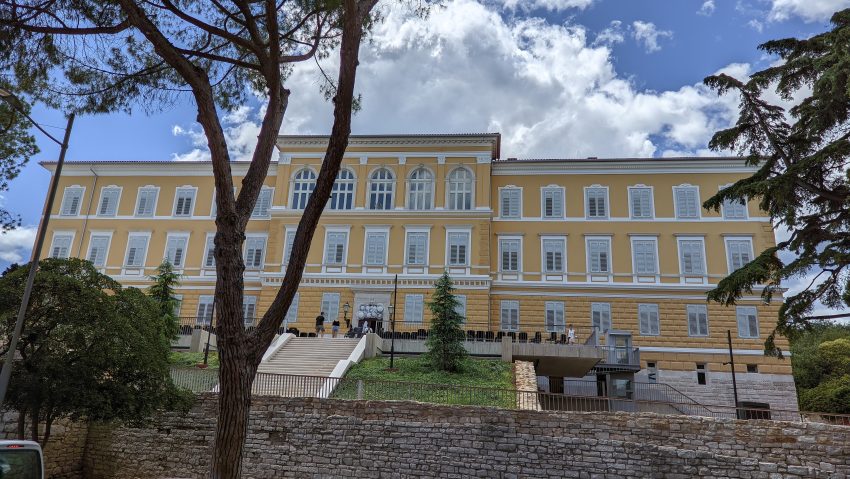
The Archaeological Museum of Istria (Arheološki muzej Istre) sits just outside Pula's core Roman sights, making it an easy add-on when you're already exploring the Old Town. It's best known as the region's key archaeological institution, with collections that trace Istria's story across millennia.
In practice, many travelers pair the museum with nearby must-sees like the Pula Arena, the Temple of Augustus, and the Small Roman Theatre, linking them together on a self-guided walking tour through the historic center. Even if you're short on time, the area around the museum is a convenient “between-stops” stretch for history lovers who want context beyond the monuments.
Table of Contents
- History and Significance of the Archaeological Museum of Istria
- Things to See and Do in the Archaeological Museum of Istria
- How to Get to the Archaeological Museum of Istria
- Practical Tips on Visiting the Archaeological Museum of Istria
- Where to Stay Close to the Archaeological Museum of Istria
- Is the Archaeological Museum of Istria Worth Visiting?
- For Different Travelers
- FAQs for Visiting Archaeological Museum of Istria
- Nearby Attractions to the Archaeological Museum of Istria
History and Significance of the Archaeological Museum of Istria
Founded in the early 20th century, the Archaeological Museum of Istria serves as the main guardian of archaeological heritage across the Istrian peninsula. Its role goes beyond a single building: it's the institution behind several of Pula's headline ancient sites, helping preserve, interpret, and present them to the public.
That wider footprint is part of what makes the museum significant for visitors. Even if you spend most of your time at the Arena or the Temple of Augustus, you're still engaging with places under the museum's care—so understanding AMI helps you understand how Pula's Roman and pre-Roman layers are managed today.
It’s also worth knowing that the museum’s main building can be affected by long-term exhibition work. When the permanent displays are being renewed, the museum’s “experience” shifts toward its satellite locations and exhibitions around the city.
Things to See and Do in the Archaeological Museum of Istria
If the main museum building is open during your trip, expect an object-led visit: artifacts and finds that illuminate everyday life, belief, trade, and burial practices in Istria from prehistory onward. This is the kind of museum that rewards slow looking—especially if you enjoy reading labels and piecing together timelines.
Even when the central galleries are limited, the Archaeological Museum of Istria is still highly relevant to your Pula itinerary because it connects directly to major sites you'll likely visit anyway. Plan to combine it with the Amphitheatre (Arena) and the Temple of Augustus for a compact “ancient Pula” circuit.
For a great city moment, build in time for viewpoints and golden-hour light around Pula’s historic core. Several reviewers highlight the appeal of coming for the setting and views as much as the exhibits, especially near sunset.
How to Get to the Archaeological Museum of Istria
The nearest airports are Pula Airport (the closest), plus Rijeka Airport and Trieste Airport as alternatives depending on routes and season. For the best deals and a seamless booking experience, check out these flights to Pula on Booking.com.
To reach Pula by train, you'll typically connect via regional rail routes within Istria/Croatia, then continue from Pula's station to the Old Town by local bus, taxi, or a walk depending on your luggage and accommodation. Train schedules and bookings can be found on Omio.
If you're traveling by car, Pula is straightforward to reach via Istria's main road network, and you can use paid public parking near the center before continuing on foot to the museum area.
Practical Tips on Visiting the Archaeological Museum of Istria
- Official website: https://www.ami-pula.hr/
- Entrance fee: Check official website.
- Opening hours: The museum is currently closed for the preparation of a new permanent exhibition.
- Best time to visit: Go in the morning for quieter rooms and easier reading of exhibits; aim for late afternoon only if you're pairing it with a sunset stroll around central Pula.
- How long to spend: Plan 45–90 minutes for a focused visit, or 2–3 hours if you're combining multiple AMI-managed sites like the Arena and Temple of Augustus.
- Accessibility: Step-free access may be available via ramps/lifts depending on the specific venue you’re entering; confirm on arrival if you’re visiting with a wheelchair or stroller.
- Facilities: Expect basic visitor amenities rather than a large, modern complex; it’s smart to plan your café stop in the Old Town before or after.
Where to Stay Close to the Archaeological Museum of Istria
Base yourself in central Pula (Old Town) so you can walk to the museum area, the Arena, and evening restaurants without needing a car.
For a polished, full-service stay close to the waterfront promenade, Park Plaza Histria Pula is a strong pick for travelers who want resort-style comfort and easy access to beaches as well as the city. Park Plaza Histria Pula
If you want a reliable, modern hotel with a convenient location for quick taxi rides into the center, Park Plaza Arena Pula is a practical option that balances comfort with a holiday feel. Park Plaza Arena Pula
For travelers who prioritize a central address and a classic city-hotel base, Hotel Amfiteatar is popular for being close to Pula’s headline sights and easy to return to between stops. Hotel Amfiteatar
If you’re after a smaller, quieter boutique vibe while still staying close to the historic core, Hotel Galija is a good choice for couples and short-stay city breaks. Hotel Galija
For a more design-forward, boutique experience with a central feel, Hotel Milan is a smart pick when you want something a bit more special than a standard chain stay. Hotel Milan
Is the Archaeological Museum of Istria Worth Visiting?
Yes—if you're even mildly interested in Roman-era Pula and the deeper story of Istria, it's worth prioritizing the Archaeological Museum of Istria as part of a wider “ancient sites” day. The museum adds context that makes the Arena, temples, and ruins feel less like standalone photo stops and more like chapters of one long timeline.
Honest Pivot: if you prefer highly interactive museums, rely on audio guides, or don’t enjoy reading exhibit text, you may find the experience less engaging—especially if parts of the museum are limited or closed for exhibition work. In that case, focus your time on Pula’s big open-air monuments and viewpoints, which deliver impact quickly.
What Other Travellers Say...

Travelers rate the experience highly overall, praising the hilltop setting, panoramic views, and the chance to connect with Pula’s layered history. Many enjoy pairing the museum with the citadel/fort area and timing a visit around sunset. Common drawbacks include limited guidance on-site (with some wishing for an audio guide), exhibits that can feel text-heavy, and occasional closures or event-related disruptions.


For Different Travelers
Pula is compact, and the Archaeological Museum of Istria fits neatly into a walkable day of Roman sights. The key is matching your visit style—deep-dive museum time versus a quick context stop—so it complements the rest of your itinerary.
Families with Kids
For families, this works best as a shorter visit with a clear “treasure hunt” goal: pick a few standout objects to look for rather than trying to cover every room. Pair it with an outdoor break at nearby landmarks so kids can reset between indoor stops.
If your children are more into big structures than display cases, plan the Arena first, then use the museum as a calmer follow-up for context. Keeping the day flexible helps if attention spans run out early.
Couples & Romantic Getaways
Couples can turn this into a relaxed cultural stop between long lunches and sunset viewpoints. The best move is to treat it as part of a walking loop through the Old Town, with time built in for photos and a drink afterward.
If you're visiting in warmer months, consider timing your route so you end the day at a scenic overlook or along the waterfront. The mix of history and golden-hour atmosphere is where Pula really shines.
Budget Travelers
Budget travelers will like that you can build a strong “history day” in Pula by combining a few high-value sites and doing the rest on foot. Keep costs down by choosing one paid entry and filling the rest of the day with free viewpoints, streets, and ruins.
If the main museum building isn’t offering what you hoped for, pivot to the city’s outdoor Roman heritage and spend your money on a single standout ticket (often the Arena) instead.
History Buffs
History buffs should see the Archaeological Museum of Istria as the institutional backbone of Pula's ancient story. Even a brief visit can help you connect artifacts to the places you're walking through.
To go deeper, plan a themed route: start with museum context, then visit the Temple of Augustus and the Arena to see how objects, inscriptions, and architecture reinforce each other. You'll get a more coherent narrative than visiting monuments in isolation.
FAQs for Visiting Archaeological Museum of Istria
Getting There
Tickets & Entry
Visiting Experience
Tours, Context & Itineraries
Photography
Accessibility & Facilities
Food & Breaks Nearby
Safety & Timing
Nearby Attractions to the Archaeological Museum of Istria
- Pula Arena: The city's iconic Roman amphitheatre and the centerpiece of most first-time visits.
- Temple of Augustus: A compact but memorable Roman temple on the Forum, easy to pair with a city walk.
- Forum Square: Pula's historic main square, ideal for cafés and people-watching between monuments.
- Arch of the Sergii: A photogenic Roman triumphal arch that anchors a lively pedestrian area.
- Small Roman Theatre: Atmospheric ruins near the Old Town that add depth to Pula's ancient layout.
The Archaeological Museum of Istria appears in our Complete Guide to Visiting Pula!

Moira & Andy
Hey! We're Moira & Andy. From hiking the Camino to trips around Europe in Bert our campervan — we've been traveling together since retirement in 2020!
This website uses affiliate links which may earn a commission at no additional cost to you!
Planning Your Visit
The museum is currently closed for the preparation of a new permanent exhibition.
Check official website.
Nearby Attractions
- Gate of Hercules (0) km
City Gate, Historic Site and Monument - Twin Gates (0.1) km
Attraction, City Gate and Historic Site - Small Roman Theatre (0.1) km
Arts Venue, Roman Site and Theatre - Triumphal Arch of the Sergii (0.2) km
Attraction, Historic Site and Monument - Pula Castle (0.2) km
Castle, Museum and Viewing Point - Roman Amphitheater (0.3) km
Amphitheatre, Attraction and Roman Site - Pula Cathedral (0.3) km
Cathedral, Church and Historic Building - Floor Mosaic The Punishment of Dirce (0.4) km
Attraction, Historic Site and Roman Site - Franciscan Church and Monastery (0.4) km
Church, Monastery and Religious Building - City Farmers' Market (0.4) km
Market