Antiquarium di via del Seminario, Trieste
Attraction, Historic Site and Roman Site in Trieste
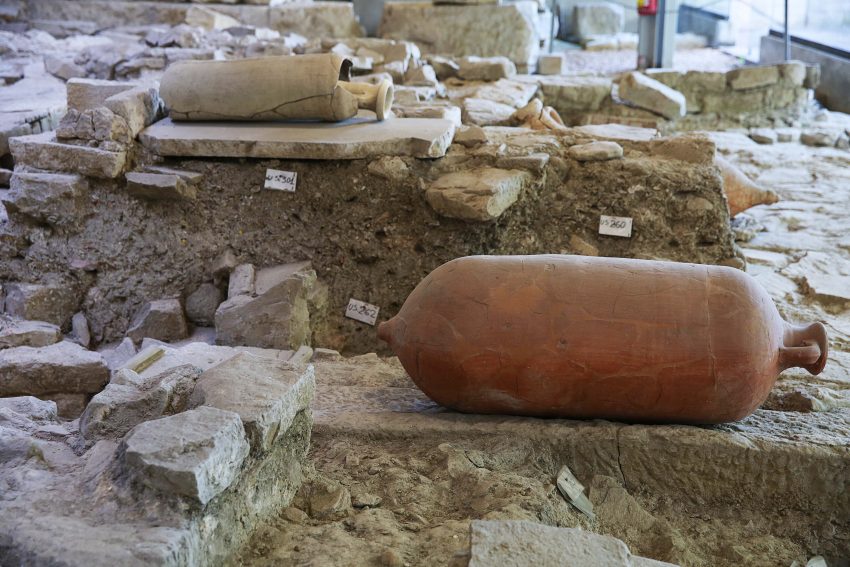
Tucked into the lower slopes of San Giusto hill, the Antiquarium di via del Seminario is one of Trieste's most intriguing “blink-and-you'll-miss-it” archaeological stops: a compact site that preserves a short but impressive stretch of Roman masonry linked to the ancient colony of Tergeste.
Because it sits right in the historic center, it's easiest to visit as part of a walking tour that also includes the Roman Theatre, the climb toward San Giusto, and the nearby old-town lanes—perfect for travelers who love finding big history in small, unexpected places.
Table of Contents
- History and Significance of the Antiquarium di via del Seminario
- Things to See and Do in the Antiquarium di via del Seminario
- How to Get to the Antiquarium di via del Seminario
- Practical Tips on Visiting the Antiquarium di via del Seminario
- Where to Stay Close to the Antiquarium di via del Seminario
- Is the Antiquarium di via del Seminario Worth Visiting?
- For Different Travelers
- FAQs for Visiting Antiquarium di via del Seminario
- Nearby Attractions to the Antiquarium di via del Seminario
History and Significance of the Antiquarium di via del Seminario
The antiquarium safeguards remains tied to Trieste’s earliest Roman urban defenses. The preserved section is associated with late Republican-era fortifications commissioned in the years when Octavian (the future Augustus) was consolidating control and strengthening key coastal settlements.
What makes the site especially meaningful is how it shows the city evolving over time: defensive structures that once mattered militarily later became part of the “infrastructure” of daily life, reused and incorporated into terraces and later building phases on the hillside.
In a city where many visitors focus on the grand Habsburg-era streetscapes, this small archaeological pocket is a reminder that Trieste’s story runs far deeper—down to the foundations under your feet.
Things to See and Do in the Antiquarium di via del Seminario
The main highlight is the Roman wall segment itself, where you can get close enough to appreciate the construction technique and the practical engineering details that helped the structure endure. Look for how the wall reads as both a barrier and a building element, hinting at later reuse.
You may also spot traces connected to later Roman-period activity on the slope, including features interpreted as part of terracing and work areas. Even if you’re not an archaeology specialist, the site is small enough that you can absorb it quickly while still feeling the thrill of seeing authentic ancient fabric in situ.
To make the visit more rewarding, pair it with a short self-guided “Roman Trieste” loop: start at the Roman Theatre, swing by the antiquarium, then continue uphill toward San Giusto for broader context and city views.
How to Get to the Antiquarium di via del Seminario
The nearest major airport is Trieste – Friuli Venezia Giulia Airport (TRS); Venice Marco Polo (VCE) is a common alternative for more flight options. For the best deals and a seamless booking experience, check out these flights to Trieste on Booking.com.
Trieste is well connected by rail, and arriving at Trieste Centrale makes it easy to continue on foot or by local bus toward the historic center. Use Omnio to easily compare schedules, book train tickets, and find the best prices all in one place for a hassle-free journey across Italy.
If you’re driving, aim for a central garage and continue on foot, since streets around the old town can be narrow and parking is limited. If you are looking to rent a car in Italy I recommend having a look at Discover Cars, first, as they compare prices and review multiple car rental agencies for you.
Practical Tips on Visiting the Antiquarium di via del Seminario
- Official website: https://sabapfvg.cultura.gov.it
- Entrance fee: Free.
- Opening hours: Check official website.
- Best time to visit: Go when there’s a scheduled opening or guided slot, and consider pairing it with a morning of Roman sites before the old town gets busier.
- How long to spend: Plan 15–30 minutes on site, or longer if you’re visiting with a guide and want deeper context.
- Accessibility: Expect a compact, archaeological setting with potentially uneven surfaces; if you have mobility needs, contact the managing authority ahead of time to confirm current conditions.
- Facilities: Facilities are limited on-site, so plan for restrooms, water, and longer breaks in nearby cafés in the center.
Where to Stay Close to the Antiquarium di via del Seminario
Base yourself in Trieste’s central historic area so you can walk to Roman sites, cafés, and evening aperitivo without relying on transport.
For a classic, elegant stay close to the waterfront and within easy walking distance of the old town, consider Savoia Excelsior Palace Trieste for its grand-hotel atmosphere and location.
If you want a refined boutique feel right in the center, Hotel Continentale is a strong pick for comfort and a walkable base.
For a stylish, design-forward option near key sights, DoubleTree by Hilton Trieste stands out for its polished rooms and central positioning.
If you prefer a smaller, characterful property with a local vibe, Forvm boutique Hotel is a convenient choice for travelers who like intimate stays.
And for a dependable, mid-range option that’s practical for exploring on foot, NH Trieste works well for straightforward comfort and easy logistics.
Is the Antiquarium di via del Seminario Worth Visiting?
Yes—if you enjoy archaeology, Roman history, or “hidden” city layers, it's absolutely worth the detour, especially because it fits neatly into a broader walking route through central Trieste. The experience is short but memorable: a concentrated glimpse of ancient Tergeste that contrasts nicely with the city's later architectural eras.
Honest Pivot: if you’re on a tight schedule, dislike very small sites, or you’re visiting on a day when access is limited, you may be better off prioritizing the Roman Theatre and San Giusto, then returning to the antiquarium only if you can align with an opening or guided visit.
What Other Travellers Say...


For Different Travelers
Trieste rewards travelers who like to mix big landmarks with small discoveries, and the Antiquarium di via del Seminario is firmly in the “small discovery” category. It's best approached as a quick, context-rich stop rather than a standalone destination.
Families with Kids
Kids who like “real ruins” may enjoy the idea of finding ancient walls hidden in the city, especially if you frame it as a short treasure-hunt stop on the way to a bigger viewpoint. Keep expectations simple: it’s a brief visit, not a hands-on museum.
To keep energy up, pair it with a snack break and a more open-ended follow-up like the Roman Theatre or the climb toward San Giusto. A short loop with frequent stops usually works better than trying to turn the antiquarium into a long visit.
Couples & Romantic Getaways
For couples, this is a great “quiet moment” attraction: quick, atmospheric, and easy to fold into a day of strolling, coffee, and scenic viewpoints. It adds a sense of discovery—like you've found a secret chapter of Trieste.
Make it part of a slow itinerary: antiquarium first, then a walk through the old town toward the waterfront for sunset. The contrast between ancient stonework and the city’s elegant streets can make the day feel more layered and special.
Budget Travelers
This is a smart stop for budget travelers because it can be combined with other walkable sights, minimizing transport costs. It’s also ideal if you like building a day around free or low-cost historical points of interest.
Plan your route so you’re not backtracking: connect it with the Roman Theatre and the San Giusto area, then finish in the center where you can find affordable bakeries and casual cafés.
History Buffs
History lovers will appreciate how the site illustrates continuity and reuse—defensive walls that later become part of a changed urban landscape. It's a compact but meaningful piece of evidence for how Roman Trieste was structured.
To deepen the experience, read up on Tergeste's late Republican period and then look closely at the masonry and setting. Even a short visit can feel substantial when you treat it as a field note in a larger “Roman Trieste” itinerary.
FAQs for Visiting Antiquarium di via del Seminario
Getting There
Tickets & Entry
Visiting Experience
Tours, Context & Itineraries
Photography
Accessibility & Facilities
Food & Breaks Nearby
Safety & Timing
Nearby Attractions to the Antiquarium di via del Seminario
- Roman Theatre of Trieste: A well-preserved Roman-era performance space that's easy to visit on foot from the old town.
- San Giusto Hill and Cathedral: The city’s historic high point, combining major monuments with panoramic views.
- Castello di San Giusto: A fortress complex that adds medieval and early modern layers to your Trieste history walk.
- Piazza Unità d’Italia: Trieste’s iconic main square, opening dramatically toward the sea.
- Canal Grande: A scenic canal area lined with cafés and photogenic bridges, great for a relaxed stroll.
The Antiquarium di via del Seminario appears in our Complete Guide to Visiting Trieste!

Moira & Andy
Hey! We're Moira & Andy. From hiking the Camino to trips around Europe in Bert our campervan — we've been traveling together since retirement in 2020!
This website uses affiliate links which may earn a commission at no additional cost to you!
Planning Your Visit
Check official website.
Free.
Nearby Attractions
- Teatro Romano di Trieste (0.1) km
Roman Site, Ruins and Theatre - Arco di Riccardo (0.2) km
City Gate, Monument and Roman Site - Civic Museum of Antiquities "J.J. Winkelman" (0.2) km
Gardens, Historic Site and Museum - Propylaeum and Roman Basilica (0.2) km
Cathedral, Church and Roman Site - Palazzo del Municipio (0.2) km
Historic Building, Square and Town Hall - Cattedrale di San Giusto (0.2) km
Cathedral, Church and Religious Building - Castello di San Giusto (0.2) km
Castle, Museum and Viewing Point - Civico Museo d'Arte Orientale (0.3) km
Attraction and Museum - Fontana dei Quattro Continenti (0.3) km
Fountain, Sculpture and Square - Lapidario Tergestino (0.3) km
Attraction, Museum and Roman Site