Trogir, Croatia: The Ultimate Travel Guide 2026
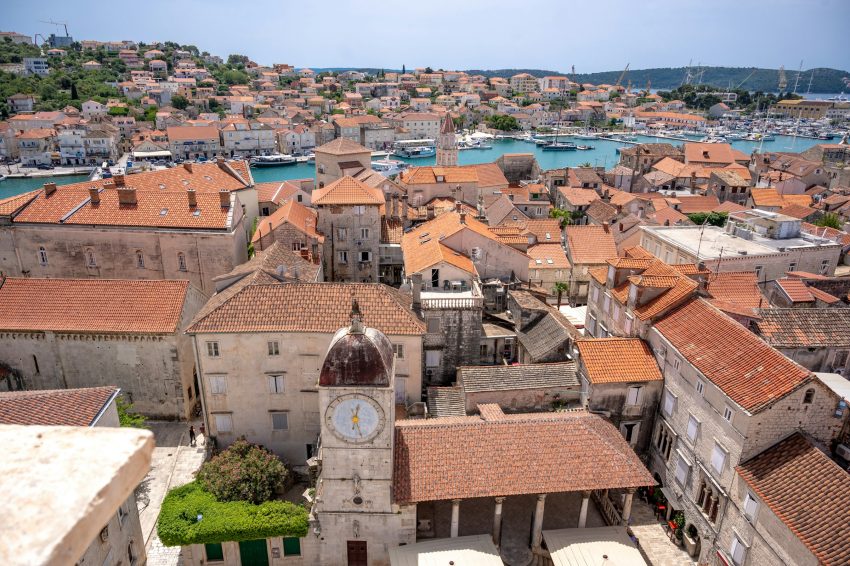
Trogir is a compact, walkable coastal town that rewards slow wandering: stone lanes, lively waterfront cafés, and viewpoints that seem to appear around every corner. The old town sits on a small island connected by bridges, so it's easy to combine sightseeing with relaxed breaks by the sea. It's especially enjoyable in the early morning and at sunset, when the light softens the limestone and the promenade fills with locals.
Set in Central Dalmatia on the Adriatic coast, Trogir makes an excellent base for short trips-whether you want beaches, boat time, or nearby historic towns. You can keep things simple by staying within the old town and the seafront, or branch out to nearby islands and bays for swimming and snorkeling. Even a short stay feels full because so much is close together.
For visitors, the best approach is to plan one “anchor” activity per day-such as a boat outing, a beach afternoon, or a nearby day trip-then leave the rest open for spontaneous discoveries. The town’s scale makes it easy to dip in and out of museums and churches, linger over seafood, and end the night with a waterfront stroll. If you like photography, bring a wide-angle lens for narrow streets and a zoom for harbor scenes.
Table of Contents
- History of Trogir
- 20 Best places to See in Trogir
- Crkva Sv. Sebastijan
- Crkva Sv. Petar
- Crkva Sv. Barbara
- Radovan's Portal
- Knezev Dvor
- Kapela Sv. Ivan Trogirski
- Gradska Loza Trogir
- Palaca Cipiko
- Saint Dominic Monastery
- Sjeverna Vog
- Benedictine Monastery of St. Nicholas
- Muzej Grada Trogira
- Trogir Cathedral and Bell Tower
- Trogirska Riva
- Trogir Main Square
- Trogirska Trznica
- Gloriet of Marshal Marmont
- Kula Sv. Marka
- Kula Kamerlengo
- Hafen Trogir
- 4 Best Day Trips from Trogir
- Where to Stay in Trogir
- Best Time to Visit Trogir
- How to get to Trogir
History of Trogir
Trogir in Antiquity (Greek and Roman eras)
Trogir’s story begins in the classical world, when a Greek settlement was established on the Adriatic trading routes. Its early prosperity was tied to maritime commerce and the natural advantages of a sheltered harbor, which helped it develop as a small but strategically valuable urban center.
Under Roman influence, the settlement’s urban character deepened, with administrative and commercial functions that connected it to wider regional networks. Over time, layers of classical life were absorbed into later building phases, leaving a long-lived urban footprint that would shape the city’s layout for centuries.
Trogir in the Early Middle Ages
As political power shifted after the fall of the Western Roman Empire, Trogir adapted to new rulers and changing security conditions. The city’s continuity as a fortified, inhabited place was crucial: it remained a node of local governance, trade, and church life.
During this period, ecclesiastical institutions gained influence, and the city’s identity became increasingly tied to Christian traditions and local autonomy. The foundations of later civic structures—both physical and administrative—were strengthened as Trogir navigated a complex medieval landscape.
Trogir in the High Middle Ages (Civic growth and stone-building boom)
The medieval centuries brought significant urban development, with major religious and civic projects that defined the city’s skyline and streetscape. Skilled stonemasonry and artisan workshops flourished, and the city’s public spaces became more formalized around key institutions.
This era is associated with the consolidation of communal life: councils, guilds, and merchant activity shaped daily rhythms. The built environment expanded in a way that blended practicality with prestige, setting the stage for the architectural richness visitors associate with Trogir today.
Trogir under Venetian Influence (Late Middle Ages to 18th century)
For centuries, Venetian power left a strong imprint on Trogir’s administration, defenses, and cultural life. Maritime priorities influenced fortifications and harbor management, while artistic tastes and trade connections brought new styles and materials into local construction.
The city’s elites and institutions participated in Adriatic commercial networks, and the urban fabric continued to evolve with palaces, churches, and public works. This long period helped stabilize the city’s role as a coastal center while also embedding it in broader Mediterranean currents.
Trogir in the 19th and 20th Centuries (Modern transitions)
The modern era brought political change, new administrative systems, and shifts in economic focus. As traditional maritime and local trades adjusted to industrial-era realities, the city increasingly recognized the value of its heritage and townscape.
In the 20th century, tourism grew in importance, encouraging preservation and adaptive reuse of historic buildings. The city’s living character—residents, services, and everyday life within historic streets—remained central to its identity even as visitor numbers increased.
Trogir Today (Heritage city in the contemporary era)
Today, Trogir balances conservation with the needs of a working town. Restoration projects, cultural programming, and careful management of the old core aim to protect its architectural layers while keeping it accessible and vibrant.
The result is a place where history is not confined to a single monument: it’s embedded in the street plan, waterfront, and the rhythm of daily life, offering visitors an immersive sense of continuity across many centuries.

Moira & Andy
Hey! We're Moira & Andy. From hiking the Camino to trips around Europe in Bert our campervan — we've been traveling together since retirement in 2020!
Visiting Trogir for the first time and wondering what are the top places to see in the city? In this complete guide, I share the best things to do in Trogir on the first visit. To help you plan your trip, I have also included an interactive map and practical tips for visiting!
This website uses affiliate links which earn a small commission at no additional cost to you.
20 Best places to See in Trogir
This complete guide to Trogir not only tells you about the very best sights and tourist attractions for first-time visitors to the city but also provide insights into a few of our personal favorite things to do.
This is a practical guide to visiting the best places to see in Trogir and is filled with tips and info that should answer all your questions!
1. Crkva Sv. Sebastijan
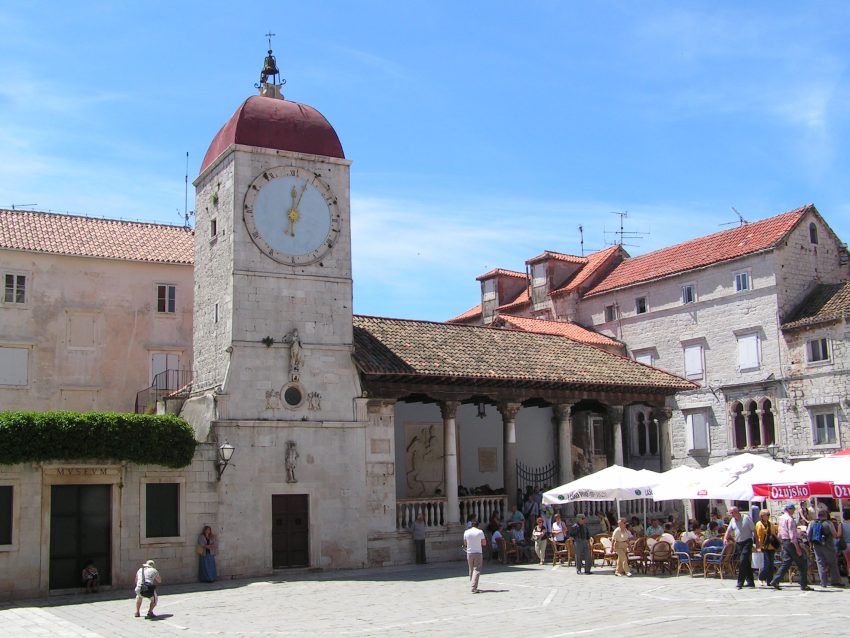
Location: Trg Ivana Pavla II 2, 21220, Trogir, Croatia | Hours: Check official website. | Price: Free; donations appreciated. | Distance: 0.1km

2. Crkva Sv. Petar
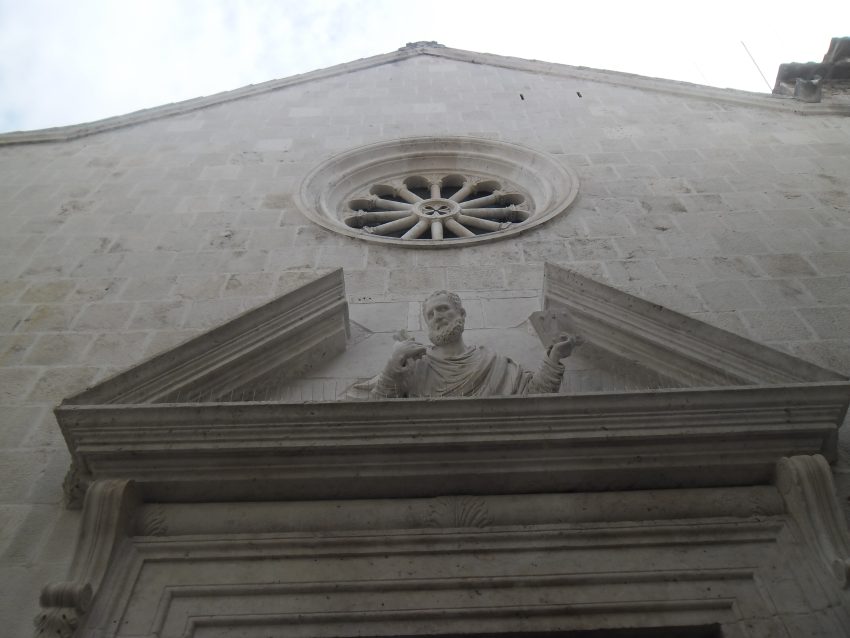
Location: Mornarska ul. 6, 21220, Trogir, Croatia | Hours: Check official website. | Price: Free; donations appreciated. | Distance: 0.1km
3. Crkva Sv. Barbara
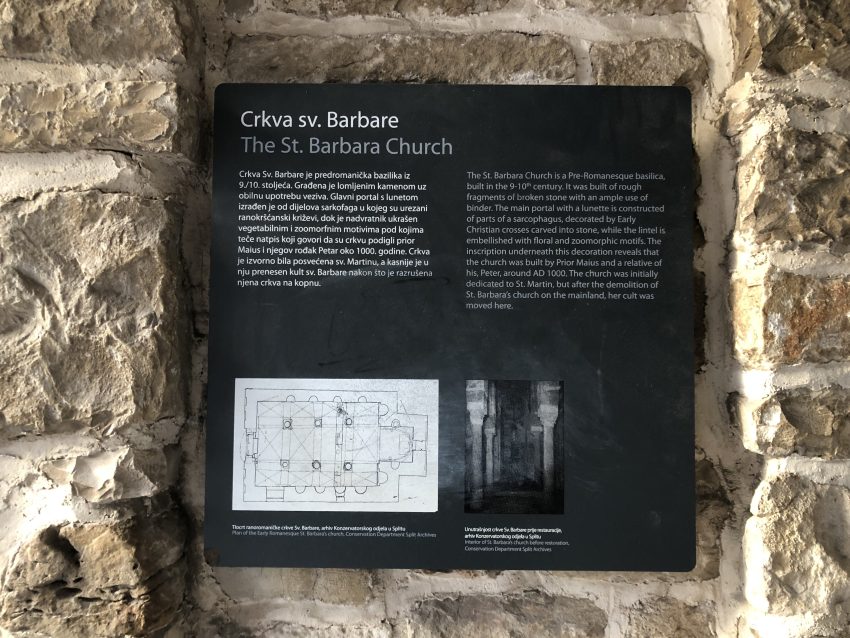
Location: Gradska ul. 24, 21220, Trogir, Croatia | Hours: Check official website. | Price: Free; donations appreciated. | Distance: 0.1km
4. Radovan's Portal
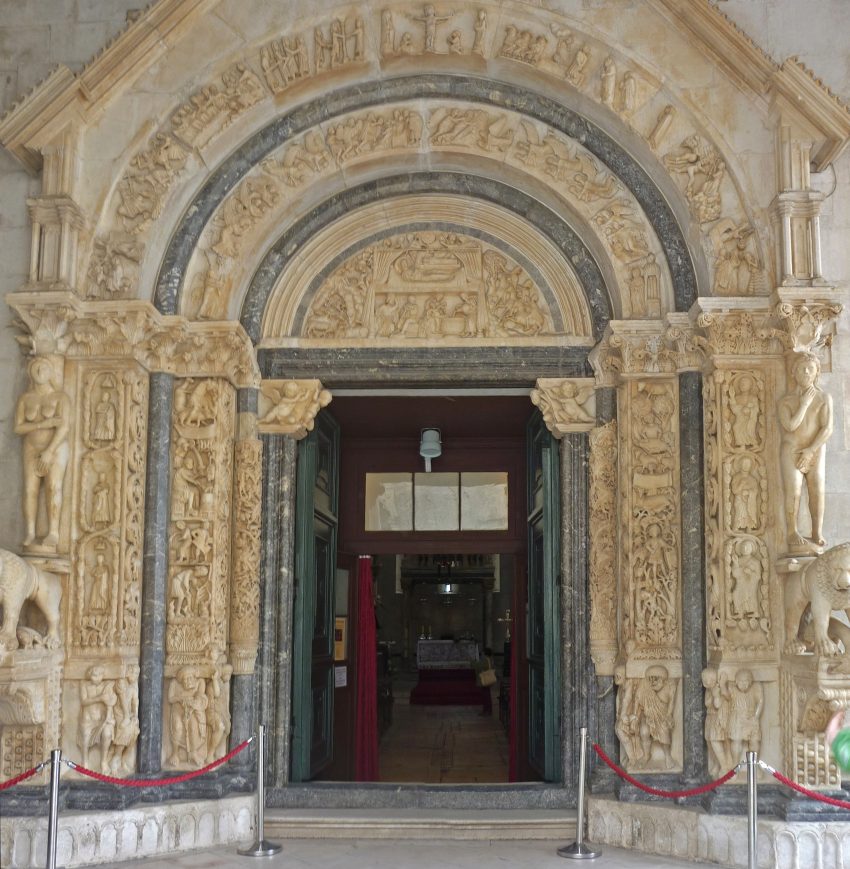
Location: 21220, OpćinaTrogir, Croatia | Hours: Monday – Sunday: 09:00–14:00. | Price: Cathedral of Saint Lawrence: €6. | Distance: 0.1km
5. Knezev Dvor
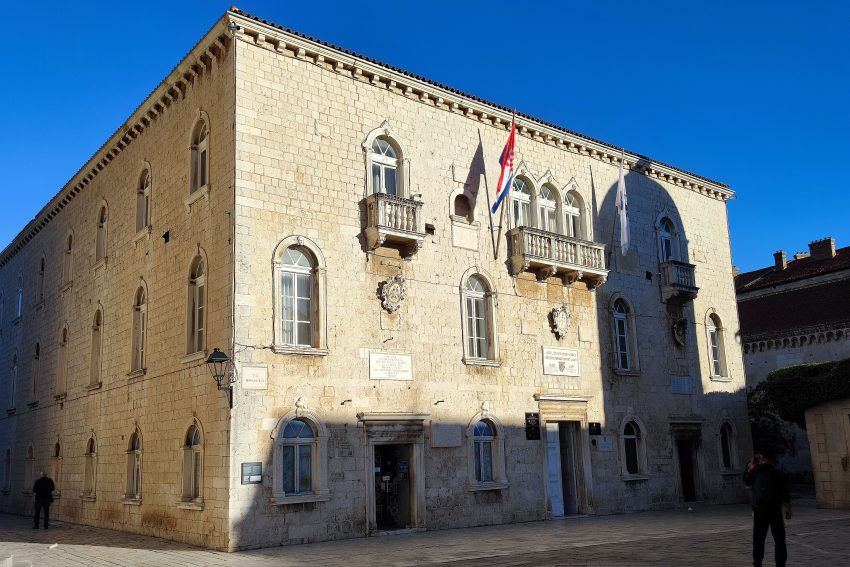
Location: Trg Ivana Pavla II 1, 21220, Trogir, Croatia | Hours: Check official website. | Price: Free. | Website | Distance: 0.1km
6. Kapela Sv. Ivan Trogirski
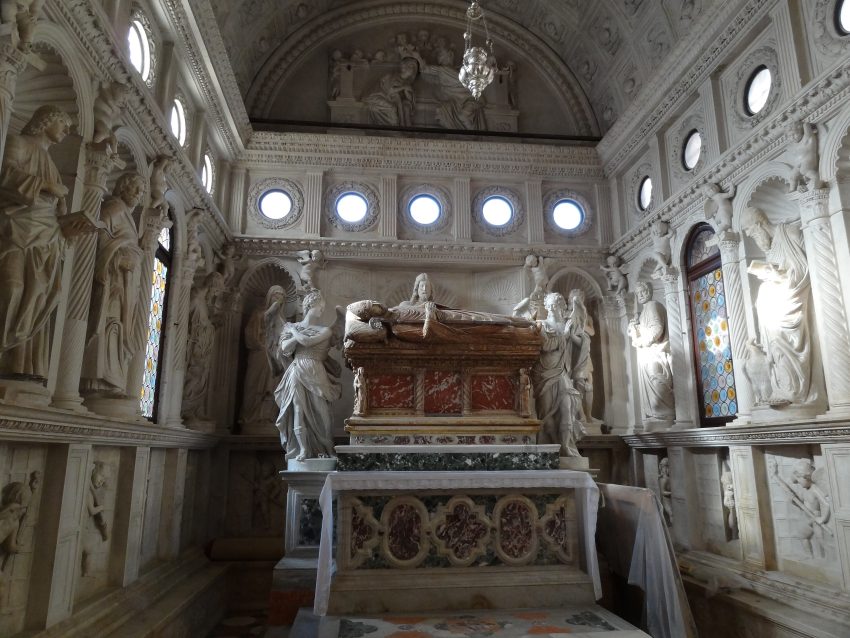
Location: 21220, Trogir, Croatia | Hours: Monday – Sunday: 10:00–14:00. | Price: Adults: €6. | Distance: 0.1km
7. Gradska Loza Trogir
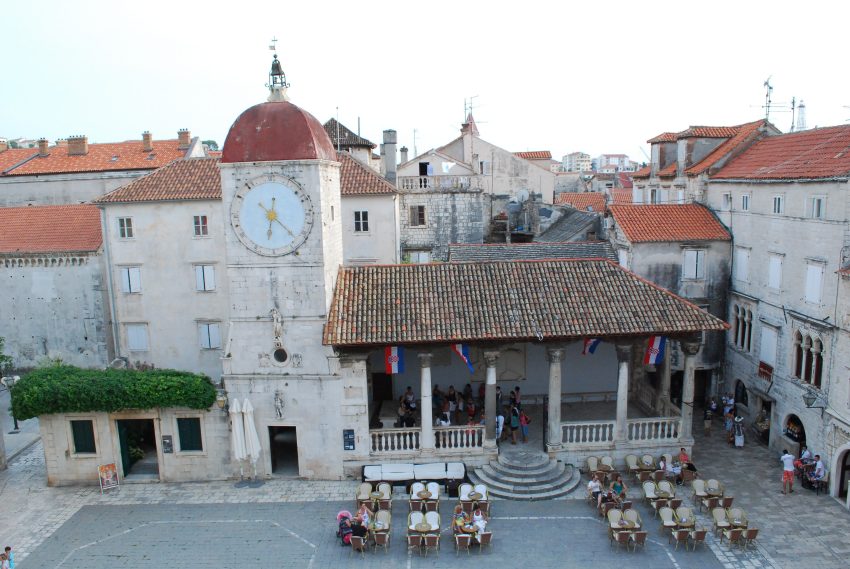
Location: Trg Ivana Pavla II 7, 21220, Trogir, Croatia | Hours: 24 Hours. | Price: Free. | Distance: 0.1km
8. Palaca Cipiko
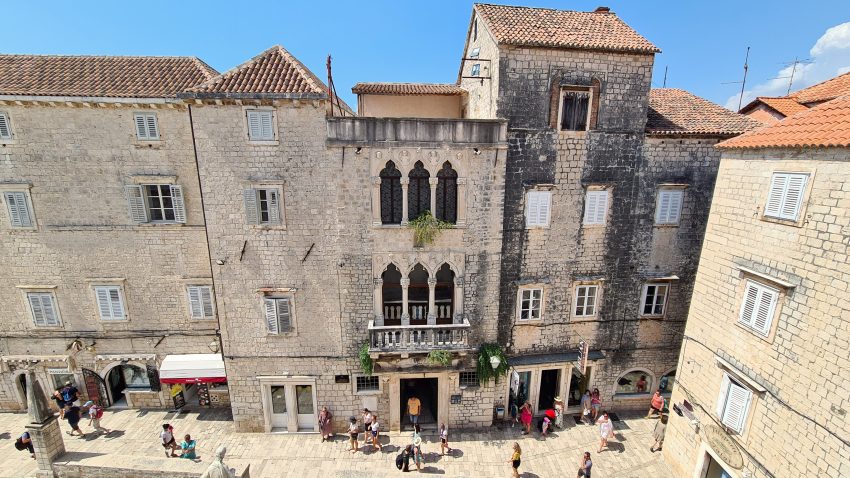
Location: Croatia, Radovanov trg 10, 21220, Trogir, Croatia | Hours: 24 Hours. | Price: Free. | Distance: 0.1km
9. Saint Dominic Monastery
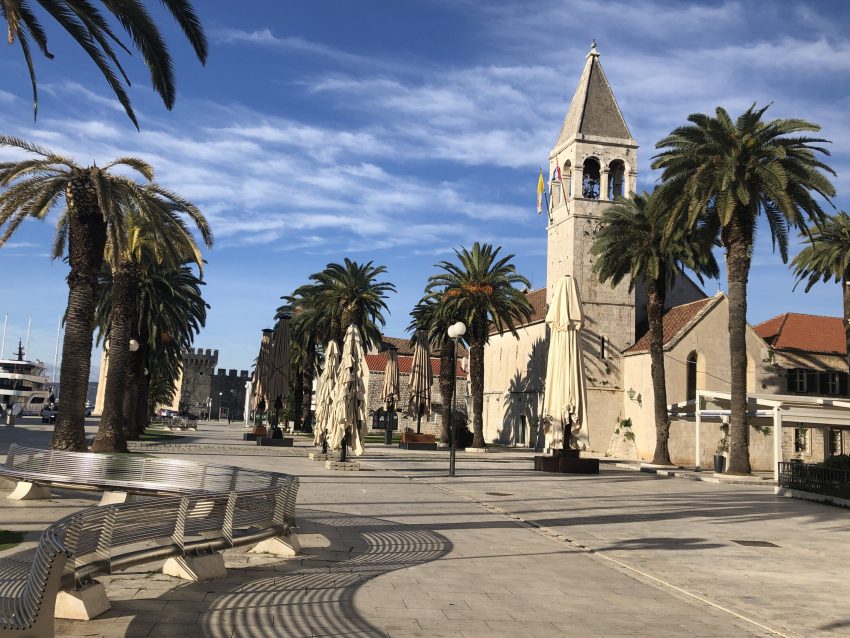
Location: Obala bana Berislavića 17, 21220, Trogir, Croatia | Hours: (Summer) April: 09:30–20:00; May: 09:30–21:00; June: 09:30–22:30; July: 09:30–22:30; August: 09:30–22:30; September: 09:30–21:00; October: 09:30–21:00. | Price: €2. | Website | Distance: 0.1km
10. Sjeverna Vog
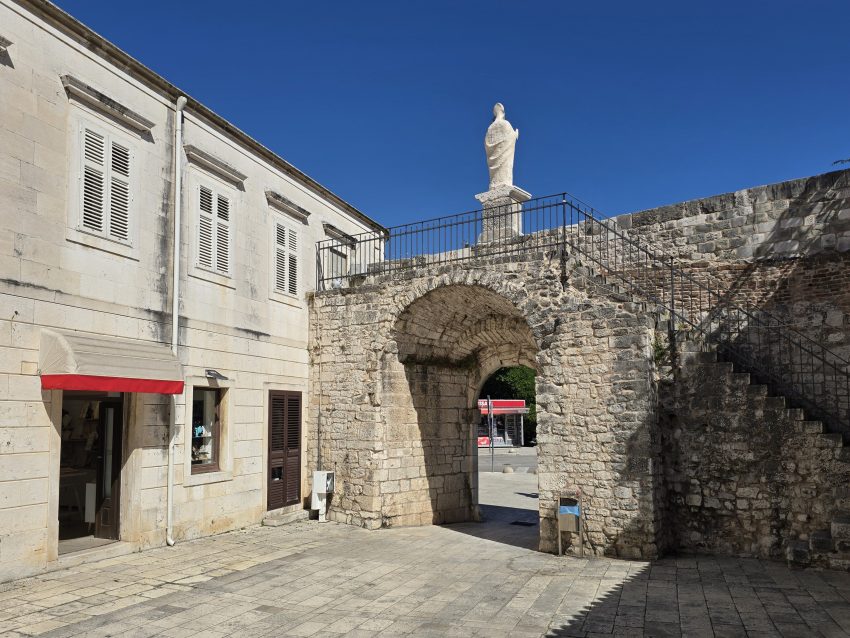
Location: Unnamed Road, Ul. Gradska vrata 6, 21220, Trogir, Croatia | Hours: 24 Hours. | Price: Free. | Distance: 0.1km
11. Benedictine Monastery of St. Nicholas
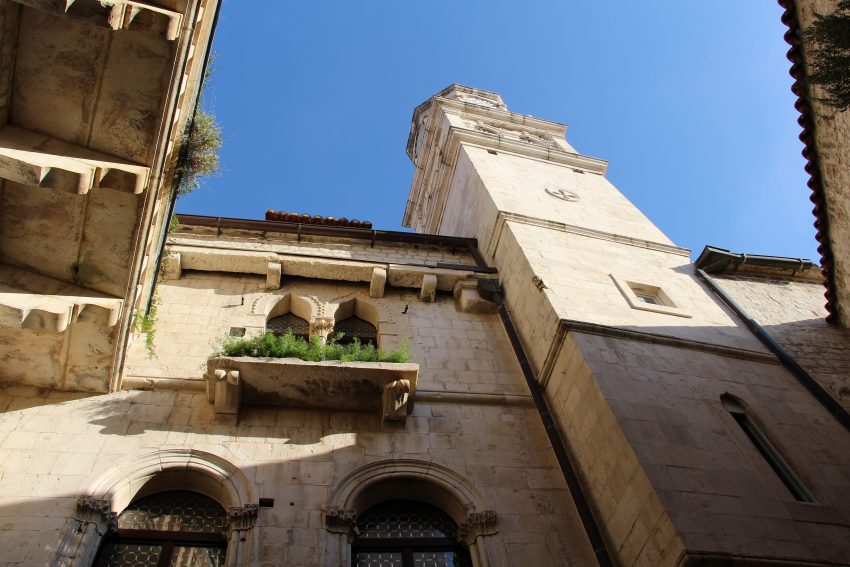
Location: Obala bana Berislavića 10, 21220, Trogir, Croatia | Hours: Monday – Saturday: 09:00–13:00 & 15:00–19:00. Sunday: Closed. Closed on public holidays. | Price: Adults: €5; Groups (10+): €4. | Website | Distance: 0.1km
12. Muzej Grada Trogira
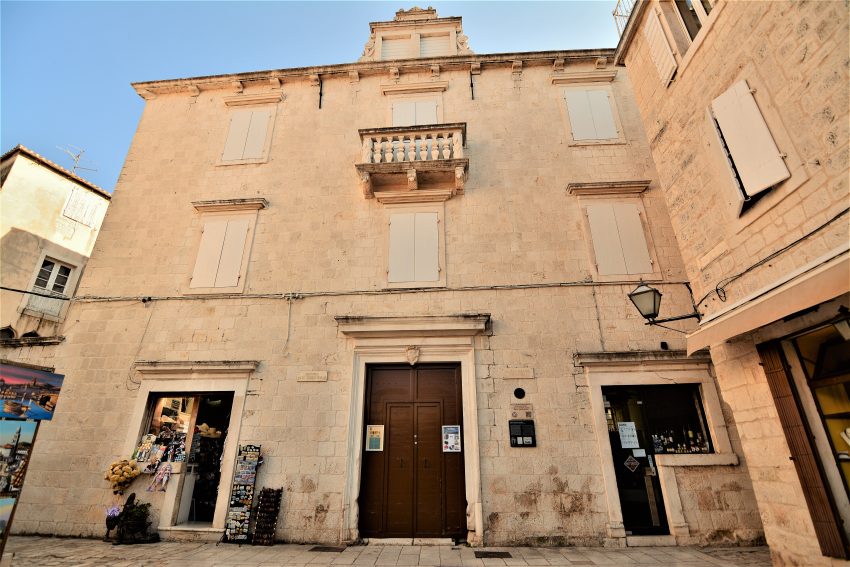
Location: Ul. Gradska vrata 4, 21220, Trogir, Croatia | Hours: (June & September) Monday – Saturday: 10:00–13:00 & 17:00–20:00; Closed on public holidays. (July & August) Daily: 10:00–13:00 & 18:00–21:00. (October – May) Monday, Tuesday, Thursday, Friday, Saturday: 10:00–14:00; Wednesday: 15:00–19:00; Closed on public holidays. | Price: Adults: €4; Children/Students/Seniors/Groups (10+): €3; Students (local schools): €2; Free entry for visitors with disabilities and a companion. | Website | Distance: 0.1km
13. Trogir Cathedral and Bell Tower
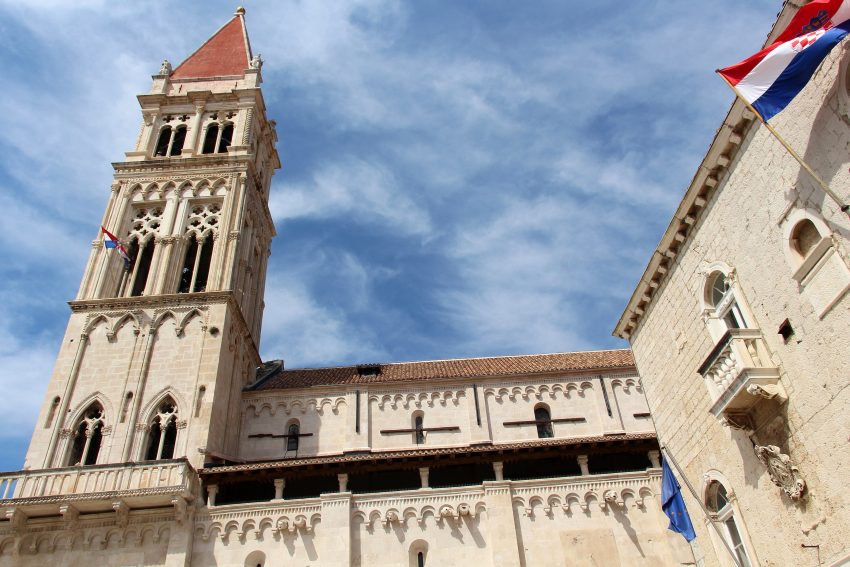
Location: Trg Ivana Pavla II, 21220, Trogir, Croatia | Hours: Check official website. | Price: Check official website. | Distance: 0.1km
14. Trogirska Riva
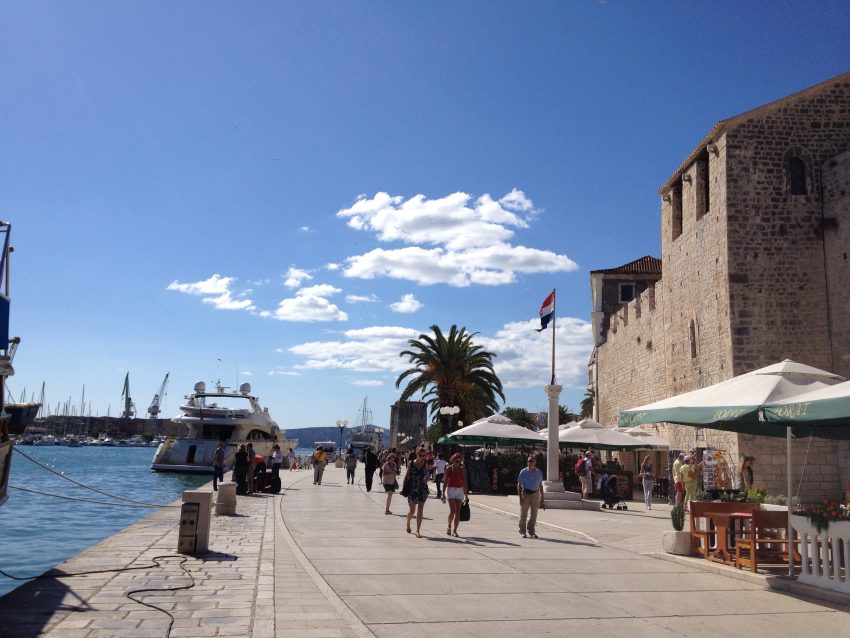
Location: Obala bana Berislavića 11, 21220, Trogir, Croatia | Hours: 24 Hours. | Price: Free. | Distance: 0.1km
15. Trogir Main Square
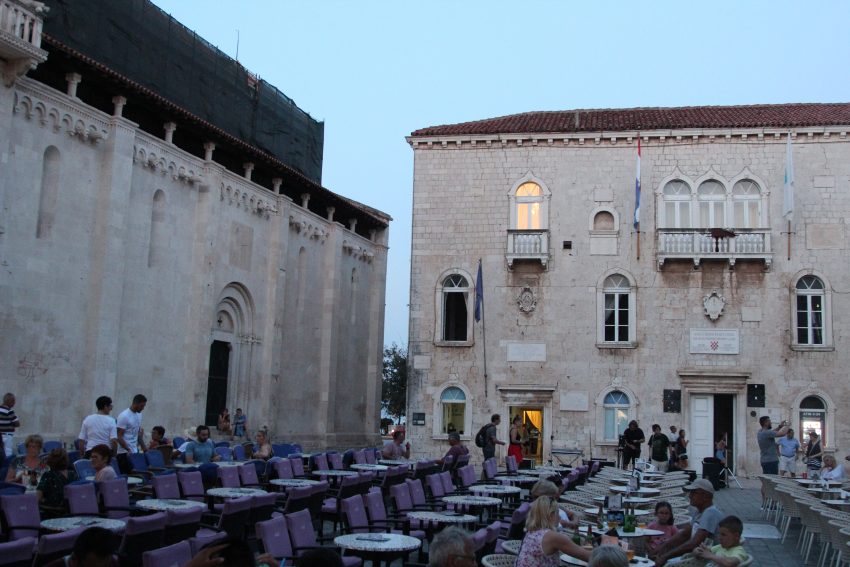
Location: Trg Ivana Pavla II 1, 21220, Trogir, Croatia | Hours: 24 Hours. | Price: Free. | Distance: 0.1km
16. Trogirska Trznica
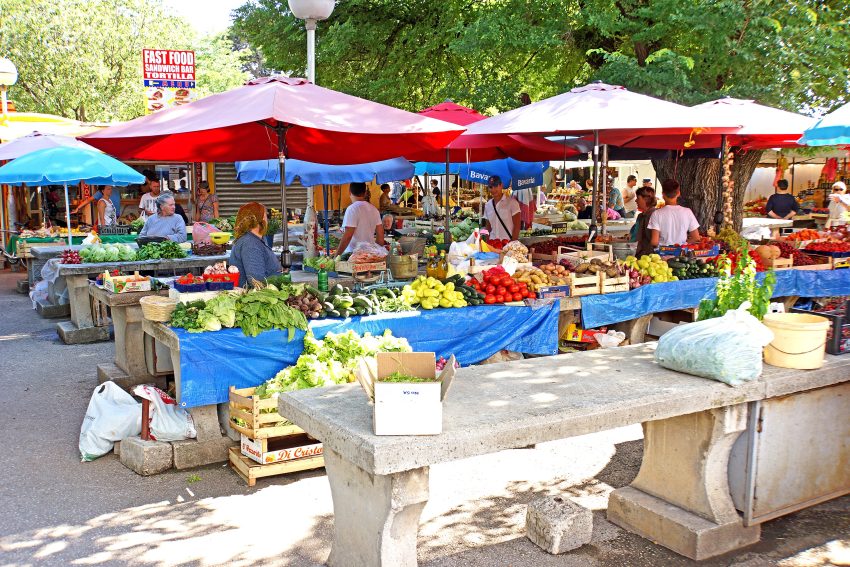
Location: Tržnica, 21220, Trogir, Croatia | Hours: (Summer) May 1 – September 30: 06:00–13:00 & 15:00–22:00. (Winter) October 1 – April 30: 07:00–14:00. | Price: Free. | Website | Distance: 0.2km
17. Gloriet of Marshal Marmont
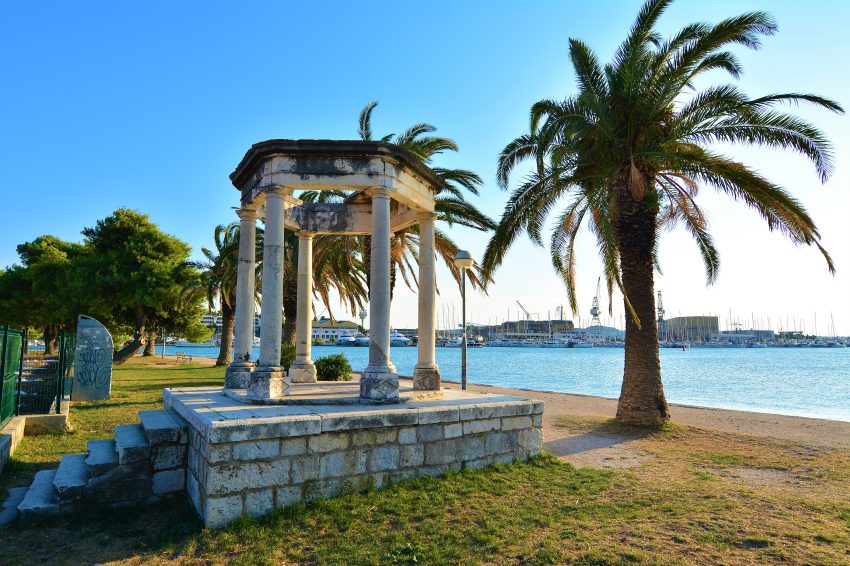
Location: Ul. Hrvatskih mučenika 30, 21220, Trogir, Croatia | Hours: 24 Hours. | Price: Free. | Distance: 0.3km
18. Kula Sv. Marka
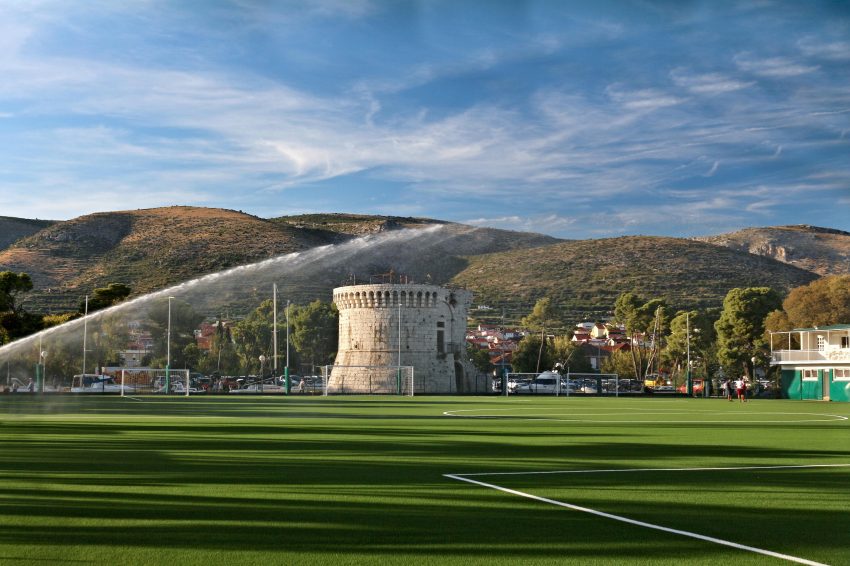
Location: Ul. Hrvatskog proljeća 1971. 14, 21220, Trogir, Croatia | Hours: Check official website. | Price: Check official website. | Distance: 0.3km
19. Kula Kamerlengo
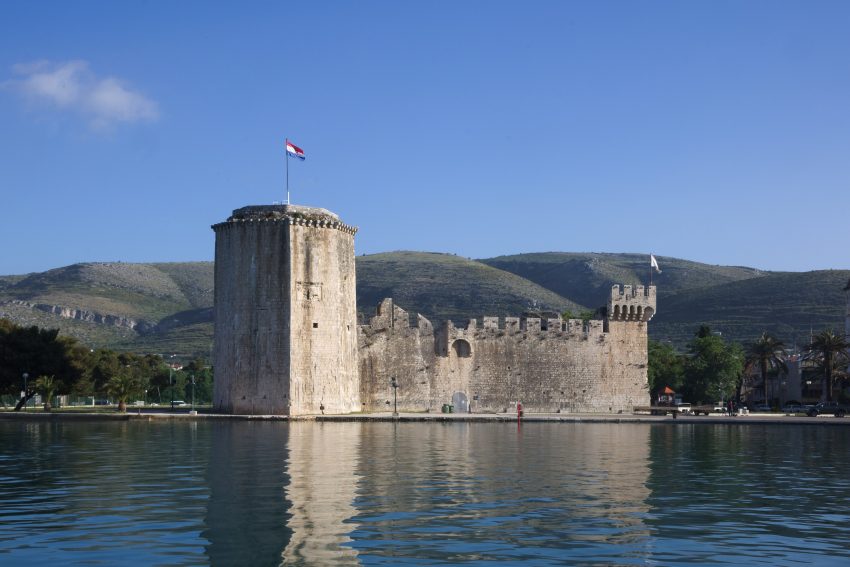
Location: Obala bana Berislavića, 21220, Trogir, Croatia | Hours: (April) Daily: 10:00–18:00. (May) Daily: 09:00–20:00. (June – August) Daily: 09:00–22:00. (September) Daily: 09:00–20:00. (October – November) Daily: 10:00–18:00. | Price: Adults: €5; Students/Children (7–18): €3; Groups (min. 10): €2.5. | Website | Distance: 0.3km
20. Hafen Trogir
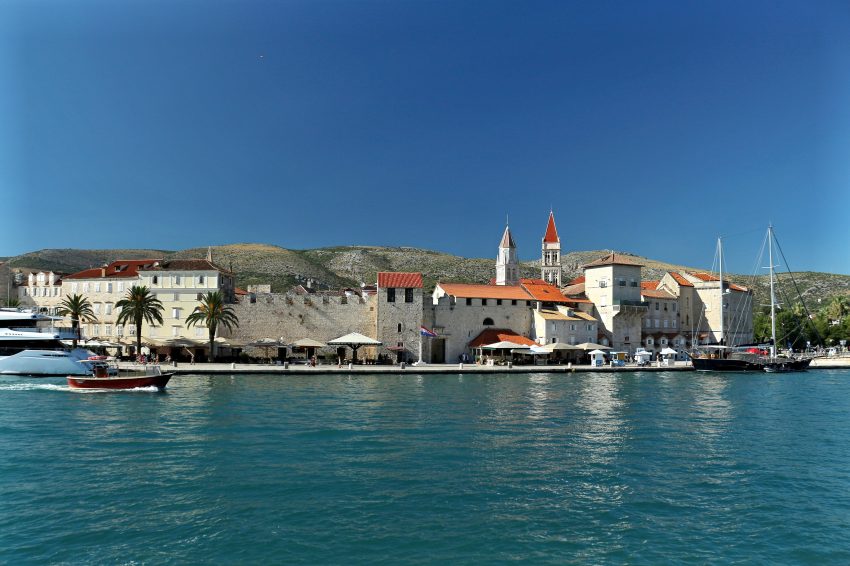
Location: Adriatisches Meer, 21220, Croatia | Hours: 24 Hours. | Price: Free. | Distance: 1.3km
Best Day Trips from Trogir
A day trip from Trogir offers the perfect opportunity to escape the urban rhythm and discover the surrounding region's charm. Whether you're drawn to scenic countryside, historic villages, or cultural landmarks, the area around Trogir provides a variety of easy-to-reach destinations ideal for a one-day itinerary.
1. Split
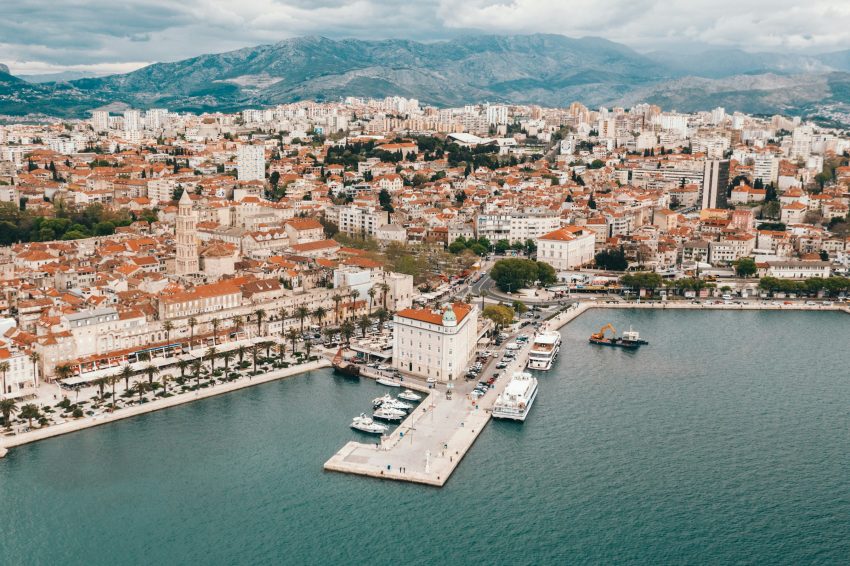
Visiting Split
2. Hvar
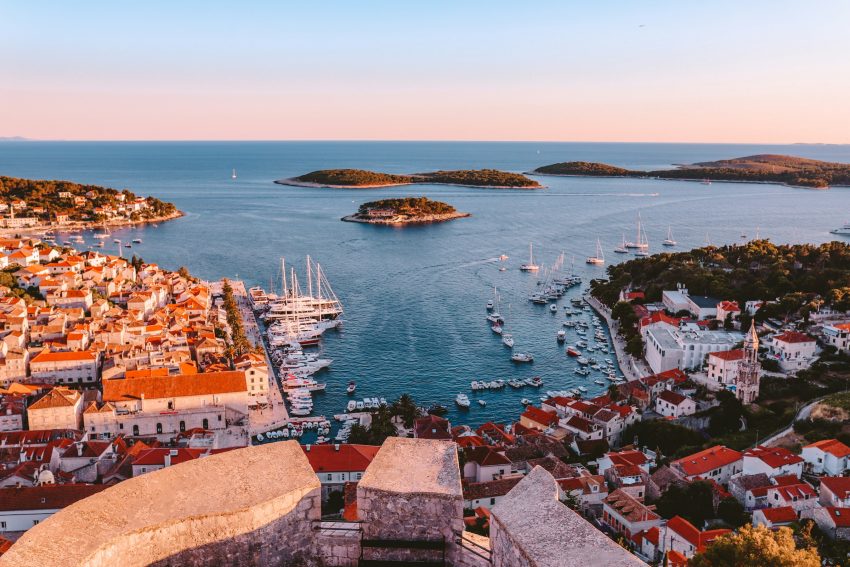
Visiting Hvar
3. Korcula
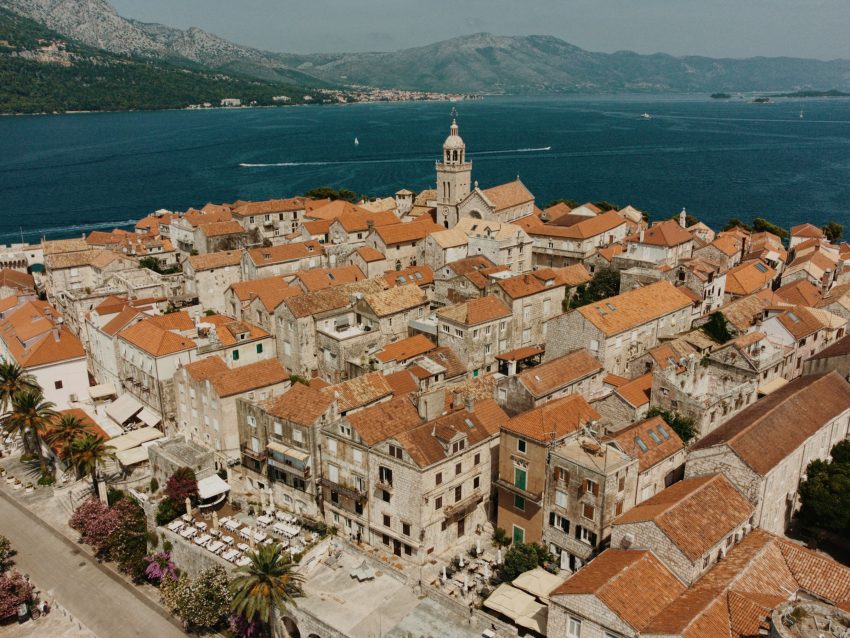
Visiting Korcula
4. Zadar
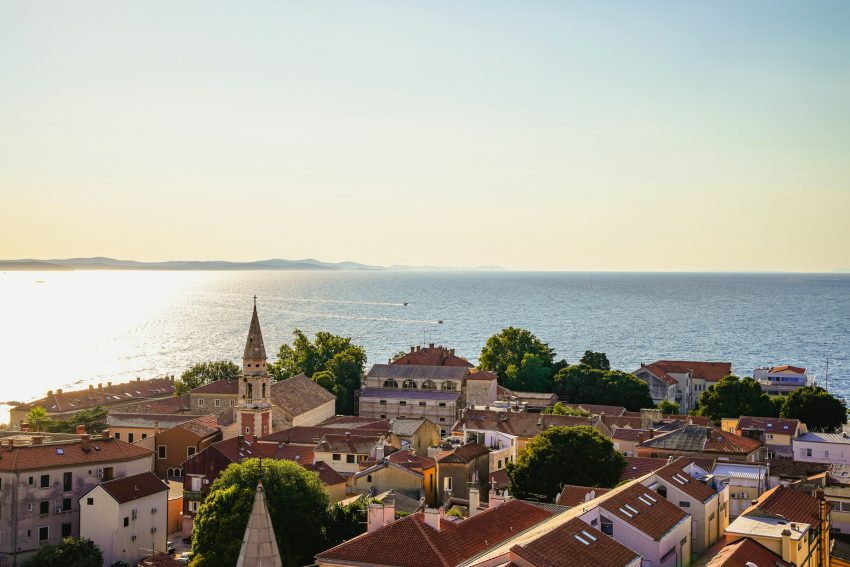
Visiting Zadar
Where to Stay in Trogir
For most visitors, the best area to stay is Trogir’s old town if you want maximum atmosphere and the ability to walk everywhere—perfect for short breaks and evenings on the promenade, though you should confirm luggage access and parking in advance. A strong choice in the heart of the historic core is Hotel Trogir Palace, which suits travelers who want comfort close to the old town while keeping logistics simple. If you prefer a more boutique, heritage feel where you can step straight into the lanes and squares, Hotel Monika is well-placed for romantic stays and easy evening strolls.
If you want more space, easier parking, and quick access to beaches, consider staying on Čiovo (especially around Okrug Gornji), where you’ll get a more resort-like rhythm and can still reach the old town quickly. For a higher-end, marina-side experience with a modern feel and great views, Hotel Brown Beach House & Spa is a good fit for travelers prioritizing pool time and a stylish base. If you’d like a quieter, upscale option with a focus on comfort and service near the waterfront, Hotel Bellevue works well for couples and anyone who wants a calm retreat while staying close to the action.
Using the our Hotel and Accomodation map, you can compare hotels and short-term rental accommodations in Trogir. Simply insert your travel dates and group size, and you’ll see the best deals for your stay.
Trogir Accommodation Map
Best Time to Visit Trogir
Trogir in Spring (March–May)
Spring is one of the most comfortable times to visit: mild temperatures, longer days, and fewer crowds make it ideal for walking the old town, climbing viewpoints, and taking short boat trips when seas are calm. Restaurants and tours ramp up through April and May, but the atmosphere stays relaxed.
If you enjoy cultural calendars, late spring often brings the first wave of concerts and local events as the season opens, with more outdoor dining and evening promenade life.
Trogir in Summer (June–August)
Summer is peak season, with hot days, warm sea temperatures, and the fullest schedule of boat excursions, beach time, and nightlife. Expect the most energy along the waterfront and the busiest conditions in the old town during midday—early mornings and late evenings are best for sightseeing.
Festival highlights are strongest in summer, when open-air performances and cultural events are most common, and the town feels at its liveliest.
Trogir in Autumn (September–November) (Best)
Early autumn combines warm sea temperatures with softer light and fewer crowds, making it excellent for swimming, photography, and unhurried dining. September in particular often feels like an extension of summer, but with a calmer pace and easier reservations.
As October and November arrive, the town quiets down, which suits travelers who prefer a slower, more local feel and don’t mind a higher chance of rain.
Trogir in Winter (December–February)
Winter is the quietest season, with cooler temperatures and a more residential atmosphere. Many tourism-focused businesses reduce hours, but the upside is a peaceful old town experience and a chance to see daily life without crowds.
It’s a good choice if you’re combining Trogir with a broader itinerary and want a low-key stop focused on walks, cafés, and atmosphere rather than beach time.
Annual Weather Overview
- January 10°C 54°F
- February 12°C 57°F
- March 14°C 61°F
- April 18°C 68°F
- May 22°C 75°F
- June 27°C 83°F
- July 29°C 88°F
- August 29°C 88°F
- September 26°C 82°F
- October 21°C 73°F
- November 15°C 63°F
- December 12°C 57°F
How to get to Trogir
Getting to Trogir by air
Nearest airports: Split Airport (SPU) is the closest and most convenient.
From Split Airport to Trogir: Use local bus services, taxis, or rideshare; the transfer is short and straightforward. In summer, allow extra time for road traffic.
Getting to Trogir by train
Nearest practical rail hub: Split is the main rail gateway for onward road connections.
Train operators and tickets: Use Croatian Railways for domestic services: https://www.hzpp.hr/en
How to connect onward: From Split, continue by bus, taxi, or car to reach Trogir.
Getting to Trogir by Car
Driving routes: Approaching from Split and the A1 motorway corridor is common; follow signs toward the coastal road connections. In peak summer, congestion can build near bridges and along the seafront.
Parking tips: The old town is best explored on foot; use designated parking areas outside the tight historic core when possible, and confirm whether your accommodation offers reserved parking.
Travelling around Trogir
On foot: The old town and waterfront are ideal for walking, with short distances between major sights.
Local buses and taxis: Useful for reaching nearby beaches and neighboring towns.
Boats and excursions: In season, boat trips are one of the easiest ways to reach nearby islands, lagoons, and swimming spots without dealing with road traffic.