Tivoli, Italy: The Ultimate Travel Guide 2026
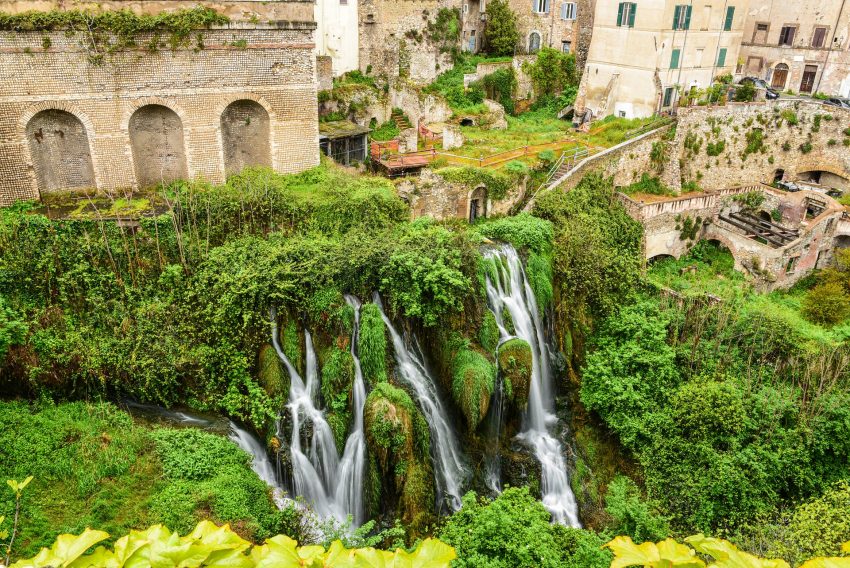
While Tivoli's allure as a day trip from Rome is undeniable, those who opt for a longer stay are rewarded with a deeper exploration of this enchanting hill town's rich history and vibrant culture. Beyond its renowned UNESCO World Heritage Sites like Hadrian's Villa and the Villa d'Este gardens, Tivoli boasts a tapestry of historical treasures, from Roman ruins to a medieval castle and captivating churches. For those seeking outdoor adventures, the surrounding countryside offers picturesque viewpoints and scenic walking paths to immerse oneself in the natural beauty of the area.
However, the true magic of Tivoli reveals itself after the day-trippers have departed, as the town regains its serene charm and the locals reclaim their streets. Staying overnight allows visitors to experience Tivoli at a leisurely pace, savoring the tranquil ambiance and indulging in the culinary delights offered by its array of excellent restaurants. Whether wandering through its maze-like medieval streets or simply basking in the warm glow of Italian hospitality, an extended stay in Tivoli promises an unforgettable journey into the heart of this timeless hill town.
History of Tivoli
Tivoli boasts a rich and storied history dating back millennia, with traces of human settlement found as far back as the Bronze Age. Over the centuries, it has been inhabited by various civilizations, each leaving their mark on the town’s cultural heritage.
Ancient Times:
- Tivoli’s history traces back to ancient times when it was known as Tibur. It was originally settled by the Sabines, an Italic tribe, around the 13th century BC.
- The town flourished under Roman rule, becoming a popular retreat for wealthy Romans seeking respite from the hustle and bustle of the capital. Emperor Hadrian, known for his love of architecture and grand projects, constructed his lavish retreat, Hadrian’s Villa, in Tivoli during the 2nd century AD. This sprawling complex served as a summer residence and imperial palace, showcasing the opulence and sophistication of Roman architecture and design.
Medieval Era:
- Following the fall of the Western Roman Empire, Tivoli came under the control of various ruling entities, including the Lombards and the Papal States.
- During the Middle Ages, Tivoli experienced periods of prosperity and decline, with the town often caught in the crossfire of regional conflicts and power struggles.
- The town’s strategic location atop a hill made it an important defensive stronghold, leading to the construction of defensive walls, towers, and fortifications to protect against invading forces.
Renaissance and Baroque Periods:
- Tivoli experienced a cultural and artistic renaissance during the Renaissance and Baroque periods, with the construction of magnificent palaces, churches, and gardens.
- One of the most iconic landmarks of this era is the Villa d’Este, a UNESCO World Heritage Site renowned for its stunning gardens, elaborate fountains, and Renaissance architecture. Built in the 16th century for Cardinal Ippolito II d’Este, the villa remains a testament to the opulence and grandeur of the Italian Renaissance.
Modern Times:
- In the 19th and 20th centuries, Tivoli underwent significant urban development and expansion, while still preserving its historic charm and architectural heritage.
- Today, Tivoli is a popular tourist destination, attracting visitors from around the world with its rich history, cultural attractions, and picturesque landscapes.
From its ancient roots as a Roman retreat to its Renaissance splendor and modern-day allure, Tivoli’s history is a tapestry of civilizations, cultures, and architectural wonders that continue to captivate visitors to this day.

Moira & Andy
Hey! We're Moira & Andy. From hiking the Camino to trips around Europe in Bert our campervan — we've been traveling together since retirement in 2020!
Visiting Tivoli for the first time and wondering what are the top places to see in the city? In this complete guide, I share the best things to do in Tivoli on the first visit. To help you plan your trip, I have also included an interactive map and practical tips for visiting!
This website uses affiliate links which earn a small commission at no additional cost to you.
6 Best places to See in Tivoli
This complete guide to Tivoli not only tells you about the very best sights and tourist attractions for first-time visitors to the city but also provide insights into a few of our personal favorite things to do.
This is a practical guide to visiting the best places to see in Tivoli and is filled with tips and info that should answer all your questions!
1. Rocca Pia

Location: Rocca Pia, Vicolo Barchetto, Tivoli, Metropolitan City of Rome Capital, Italy | Hours: (Summer) Friday – Sunday & Public holidays: 09:00–19:00. (Winter) Friday – Sunday & Public holidays: 10:00–16:00. Closed Monday – Thursday. | Price: Adults: €6 (full); €3 (reduced). Free entry for children aged 0–12 with an adult and eligible categories. | Website | Distance: 0.3km

2. Villa Gregoriana
Location: Villa Gregoriana, Largo Sant'Angelo, Tivoli, Metropolitan City of Rome Capital, Italy | Hours: 22 February – 21 March: Daily: 09:30–17:00; 22 March – 29 June: Daily: 09:30–18:30; 30 June – 31 August: Daily: 09:00–19:00; 1 September – 5 October: Daily: 09:30–18:30; 6 October – 25 October: Daily: 09:30–18:00; 26 October – 9 November: Daily: 09:30–16:30; 10 November – 14 December: Daily: 09:30–16:00. | Price: Adults: €10; Children (6–18): €3; Children (0–5): Free. | Website | Distance: 0.6km
3. Villa d'Este Gardens

Location: Villa D'Este, Piazza Trento, Tivoli, Metropolitan City of Rome Capital, Italy | Hours: Tuesday – Sunday: 08:45–17:15. Monday: 14:00–17:15 | Price: € 15.00 | Website | Distance: 0.7km
4. Tempio di Vesta and Tempio della Sibilla

Location: Tempio di Vesta, Tivoli, Metropolitan City of Rome Capital, Italy | Hours: Daily: 10:00–16:00. | Price: Free. | Website | Distance: 0.8km
5. Sanctuary of Hercules Victor

Location: Sanctuary of Hercules Victor, Via degli Stabilimenti, Tivoli, Metropolitan City of Rome Capital, Italy | Hours: Daily: 09:30–17:00. | Price: Adults: €10.00 | Website | Distance: 0.9km
6. Villa Adriana (Hadrian's Villa)

Location: Villa Adriana, Hadrian's Villa, Largo Marguerite Yourcenar, Tivoli, Metropolitan City of Rome Capital, Italy | Hours: Winter: 8.15am – 5.00pm (last entry 3.45pm); Museum 9.15am – 4.30pm Summer: 8.15am – 7.30pm (last entry 6.15pm); Mouseia 9.15am – 7.00pm | Price: Adults: €15.00 | Website | Distance: 3.0km
Best Day Trips from Tivoli
A day trip from Tivoli offers the perfect opportunity to escape the urban rhythm and discover the surrounding region's charm. Whether you're drawn to scenic countryside, historic villages, or cultural landmarks, the area around Tivoli provides a variety of easy-to-reach destinations ideal for a one-day itinerary. If you are looking to rent a car in Italy I recommend having a look at Discover Cars, first, as they compare prices and review multiple car rental agencies for you.
1. Rome

Visiting Rome
2. Barrea

Visiting Barrea
3. Orvieto
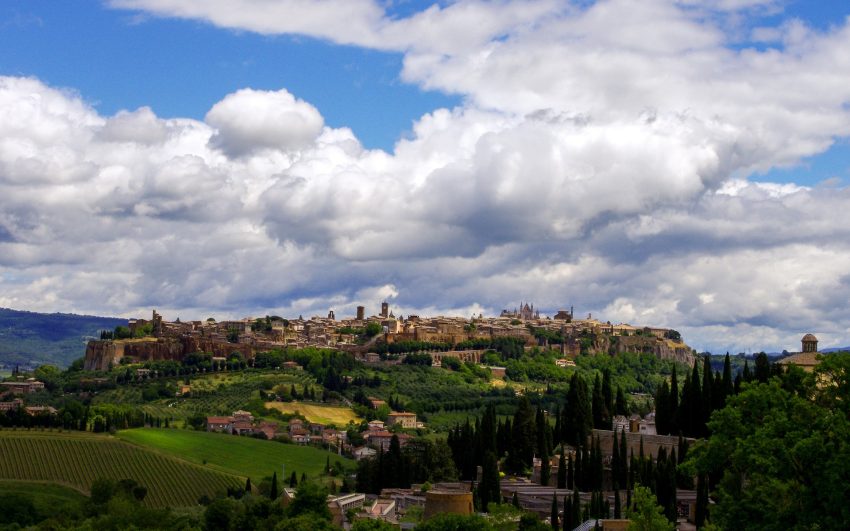
Visiting Orvieto
4. Assisi

Visiting Assisi
5. Perugia
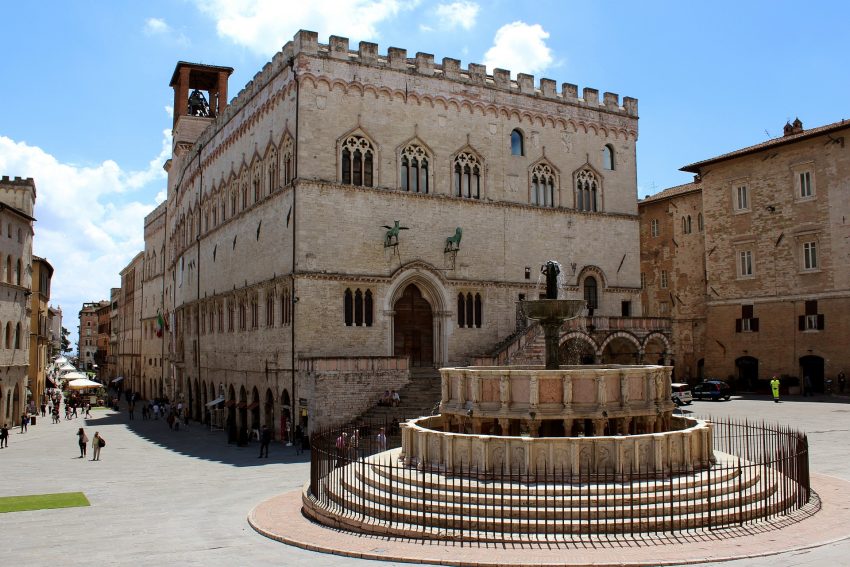
Visiting Perugia
6. Gubbio

Visiting Gubbio
Where to Stay in Tivoli
Staying in the historic center provides access to Villa d’Este, charming local restaurants, and the town’s medieval streets. For a more peaceful retreat, accommodations in the surrounding hills offer stunning views and proximity to Villa Adriana.
A 2 to 3-day stay is ideal for visiting both Villa d’Este and Villa Adriana, as well as enjoying the town’s relaxed atmosphere. A 4-day stay allows for hiking in the nearby natural parks or exploring the Lazio countryside.
Using the our Hotel and Accomodation map, you can compare hotels and short-term rental accommodations in Tivoli. Simply insert your travel dates and group size, and you’ll see the best deals for your stay.
Tivoli Accommodation Map
Best Time to Visit Tivoli
Each season offers a unique charm and experience when visiting Tivoli:
Spring (March to May):
Spring is a delightful time to visit Tivoli, as the town bursts to life with vibrant colors and blossoming flowers. The weather is mild and pleasant, perfect for exploring Tivoli’s charming medieval streets and historic sites. Visitors can also enjoy the breathtaking beauty of the Villa d’Este gardens in full bloom, with cascading fountains and fragrant blooms adding to the enchantment. Additionally, spring is an ideal time for outdoor activities such as hiking in the surrounding countryside, where the landscape is lush and verdant.
Summer (June to August):
Summer is peak tourist season in Tivoli, as visitors flock to the town to escape the heat of Rome and explore its cultural treasures. The days are long and sunny, perfect for strolling through the town’s bustling streets and enjoying alfresco dining in one of its many charming cafes and restaurants. However, it’s important to note that summer can be quite hot, so be sure to stay hydrated and seek shade when needed. Despite the crowds, summer is also a great time to visit the Villa d’Este gardens and enjoy the refreshing spray of its iconic fountains.
Autumn (September to November):
Autumn is a magical time to visit Tivoli, as the town is bathed in golden hues and the air is crisp and invigorating. The summer crowds begin to thin out, allowing visitors to enjoy a more relaxed and intimate experience. The changing colors of the surrounding countryside create a stunning backdrop for exploring Tivoli’s historic sites and scenic viewpoints. Additionally, autumn is harvest season, meaning visitors can indulge in the delicious flavors of the region, including freshly harvested produce and local wines.
Winter (December to February):
Winter is a quieter time to visit Tivoli, offering a peaceful retreat from the hustle and bustle of the city. While the weather may be cooler, the town retains its charm and beauty, with festive decorations adorning its streets and squares. Visitors can cozy up in one of Tivoli’s quaint cafes or restaurants, savoring hearty Italian cuisine and warming beverages. Winter is also a great time to visit Tivoli’s historic sites, such as Hadrian’s Villa, without the crowds, allowing for a more intimate exploration of its ancient ruins and archaeological treasures.
Annual Weather Overview
- January 10°C 54°F
- February 12°C 57°F
- March 15°C 63°F
- April 19°C 69°F
- May 25°C 80°F
- June 31°C 92°F
- July 31°C 96°F
- August 29°C 93°F
- September 26°C 83°F
- October 22°C 74°F
- November 15°C 62°F
- December 11°C 56°F
How to get to Tivoli
Getting to Tivoli is relatively straightforward, as it's conveniently located near Rome and easily accessible by various modes of transportation:
By Train:
- From Rome: Tivoli can be reached by train from Rome’s Tiburtina station. Trains operated by Trenitalia depart regularly, with the journey taking approximately 30-50 minutes, depending on the type of train. Once you arrive at Tivoli’s train station, it’s a short walk or taxi ride to the town center.
By Bus:
- From Rome: Several bus companies operate services between Rome and Tivoli. Buses depart from various locations in Rome, including the Tiburtina bus station and the Ponte Mammolo metro station. The journey typically takes around 1 hour, depending on traffic conditions.
By Car:
- From Rome: Tivoli is easily accessible by car via the A24 motorway. The journey from Rome takes approximately 30-45 minutes, depending on traffic. Upon reaching Tivoli, there are parking facilities available in the town center, although parking may be limited during peak times.
By Guided Tours:
- Guided tours: Many tour operators in Rome offer guided day trips to Tivoli, providing transportation from Rome to Tivoli and back, as well as guided tours of the town's attractions such as Hadrian's Villa and the Villa d'Este gardens. This option is convenient for those who prefer a hassle-free travel experience with expert guidance.
Local Transportation in Tivoli:
- Once in Tivoli, the town is best explored on foot due to its narrow medieval streets and pedestrian-friendly layout. However, local buses and taxis are also available for transportation to specific attractions or for exploring the surrounding countryside.
Whether by train, bus, car, or guided tour, reaching Tivoli is a simple and rewarding journey, offering visitors the chance to explore its rich history, stunning gardens, and picturesque surroundings.