Taormina, Italy: The Ultimate Travel Guide 2026
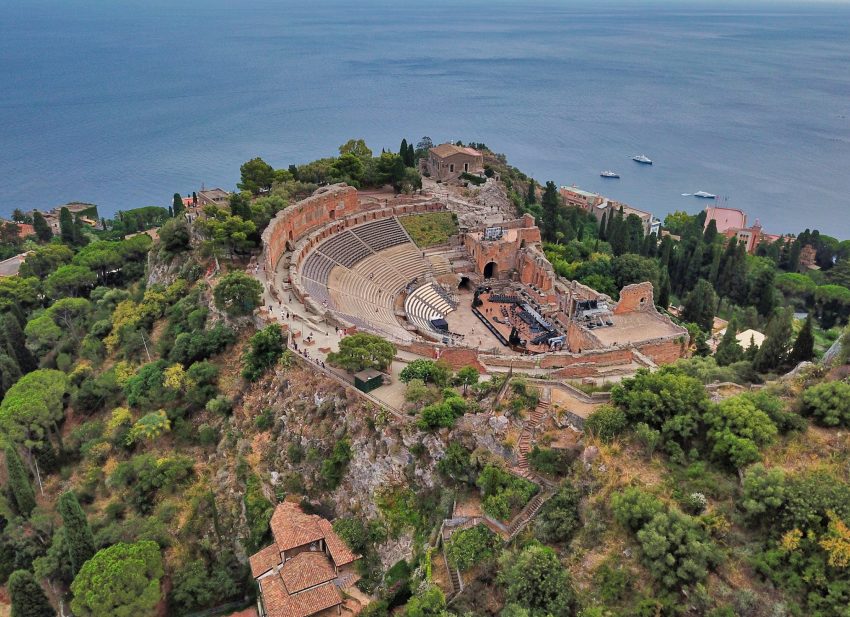
Taormina is one of Sicily’s most rewarding bases for a short break: compact enough to explore on foot, yet packed with viewpoints, gardens, and café-lined lanes that make wandering feel like the main event. The town’s pedestrian-friendly core is ideal for slow travel-start with an easy stroll along Corso Umberto, dip into side streets for small boutiques and gelaterie, then pause on terraces that open onto sea-and-mountain panoramas.
What makes visiting Taormina especially enjoyable is how quickly you can switch settings. In the morning you can be up in the historic center for shopping and people-watching, then be down at the water for a swim or boat time by lunchtime. Even if you're not planning a packed itinerary, it's worth timing your days around the light: early mornings are calm for photos and viewpoints, while late afternoons are perfect for aperitivo as the coast turns golden.
Taormina also works brilliantly as a hub for day trips in eastern Sicily. Without going deep into the past, you'll still feel layers of culture in the architecture and the way the town is laid out, and you can easily add nearby highlights like seaside coves, hilltop villages, and volcanic landscapes. If you want a trip that balances scenery, food, and easy logistics, Taormina delivers with very little effort.
Table of Contents
- History of Taormina
- Best things to do and See in Taormina
- Taormina: Explore the Ancient Theatre
- Taormina: Stroll Corso Umberto and Piazza IX Aprile
- Taormina: Visit Isola Bella and the Nature Reserve
- Taormina: Ride the Cable Car to Mazzarò Beach
- Taormina: Swim and Snorkel at Spisone Beach
- Taormina: See the Views from Castelmola
- Taormina: Walk the Gardens of Villa Comunale
- Taormina: Visit Palazzo Corvaja and the Old Town’s Medieval Corners
- Taormina: Take a Boat Trip to the Blue Grotto and Sea Caves
- Taormina: Day Trip to Mount Etna
- 4 Best Day Trips from Taormina
- Where to Stay in Taormina
- Best Time to Visit Taormina
- How to get to Taormina
History of Taormina
Taormina: Sicel Roots and the Greek Foundation (Before 3rd Century BCE)
Long before it became a celebrated resort town, Taormina’s story began with indigenous Sicel communities in the wider area. A decisive turning point came when Greek influence reshaped the region’s urban life and culture. The settlement that would evolve into Taormina gained prominence as Greek city-building, language, and trade networks expanded.
Taormina: Hellenistic and Roman Eras (3rd Century BCE–5th Century CE)
As power shifted across the Mediterranean, Taormina moved through Hellenistic rule and then into the Roman sphere. The town benefited from the stability and connectivity of Roman administration, which encouraged commerce and public building. Over time, Roman tastes and civic life left a lasting imprint, with entertainment architecture and urban amenities reflecting the era’s priorities.
Taormina: Byzantine Continuity and Early Medieval Change (5th–9th Centuries)
After the Western Roman Empire’s decline, Taormina experienced the complex transitions of late antiquity. Under Byzantine influence, the town remained a strategic and populated center, adapting to new political realities while maintaining elements of earlier civic traditions. Fortification and defensive concerns became increasingly important as the wider region faced repeated pressures.
Taormina: Arab and Norman Transformations (9th–12th Centuries)
Medieval Taormina was shaped by successive rulers who brought new administrative systems, architectural styles, and cultural practices. The Arab period introduced changes in land use, craftsmanship, and daily life, while the Norman era later consolidated power and integrated the town into broader European political structures. These centuries helped define the medieval character that still echoes in parts of the urban fabric.
Taormina: Late Medieval to Early Modern Period (13th–18th Centuries)
Through the late medieval and early modern eras, Taormina lived through cycles of prosperity and hardship typical of many Mediterranean towns—shifting feudal control, economic fluctuations, and periodic crises. Religious institutions and local governance played central roles, and the town’s built environment continued to evolve with renovations, new churches, and defensive works.
Taormina: The Grand Tour, Tourism, and Modern Identity (19th Century–Today)
Taormina’s modern fame accelerated in the 19th century as writers, artists, and travelers popularized it as a picturesque destination. The rise of leisure travel and improved transport turned the town into an international stop, encouraging hotel development and cultural events. In the contemporary era, Taormina balances heritage conservation with the demands of global tourism, maintaining a strong identity rooted in landscape, architecture, and performance culture.

Moira & Andy
Hey! We're Moira & Andy. From hiking the Camino to trips around Europe in Bert our campervan — we've been traveling together since retirement in 2020!
Visiting Taormina for the first time and wondering what are the top places to see in the city? In this complete guide, I share the best things to do in Taormina on the first visit. To help you plan your trip, I have also included an interactive map and practical tips for visiting!
This website uses affiliate links which earn a small commission at no additional cost to you.
Best things to do and See in Taormina
1. Taormina: Explore the Ancient Theatre (Teatro Antico di Taormina)
The Ancient Theatre is the signature sight and the place where Taormina’s dramatic setting really lands—stone tiers framing the sea and the volcanic skyline. Visit in the morning for softer light and fewer crowds, then linger for the views even if you’re not rushing through every corner.
Expect to spend at least 60–90 minutes, longer if you like photography. The site often hosts evening performances in season, which can be a memorable way to experience the venue.
Cost & hours: Typical entry is around €10–€14; opening hours commonly run daily from morning to early evening, with last entry varying by season.
2. Taormina: Stroll Corso Umberto and Piazza IX Aprile
Corso Umberto is Taormina’s main promenade—an easy, scenic walk lined with boutiques, pastry shops, and small craft stores. The joy here is unplanned discovery: step into side lanes, browse ceramics, and stop for granita or espresso.
Piazza IX Aprile is the natural pause point, with a terrace-like feel and one of the most iconic viewpoints in town. Come twice if you can: once in daylight for the panorama and again at dusk for the atmosphere.
3. Taormina: Visit Isola Bella and the Nature Reserve
Isola Bella is Taormina’s postcard cove: clear water, a pebbly shoreline, and a tiny island connected by a thin strip of beach when conditions allow. It’s excellent for swimming and snorkeling, especially on calmer mornings.
If you prefer a mix of nature and culture, you can also visit the small historic house on the island (when open) and enjoy short walks around the reserve area.
Cost & hours: Beach access is free; the island house/museum (seasonal) is typically around €4–€6, usually open daytime hours.
4. Taormina: Ride the Cable Car to Mazzarò Beach
The cable car is the easiest way to switch from hilltop lanes to seaside time without dealing with parking. It’s quick, scenic, and practical—especially in summer when road traffic can be slow.
Once down, you can choose between beach clubs (with loungers and service) or simpler public stretches. It’s also a good base for a short boat outing along the coast.
Cost & hours: Fares vary by ticket type (single/return, multi-ride); service generally runs from morning into evening, with longer hours in peak season.
5. Taormina: Swim and Snorkel at Spisone Beach
Spisone is a popular nearby beach with a mix of lidos and public areas, often with calmer water than more exposed stretches. It’s a good choice if you want a straightforward beach day with facilities close by.
Arrive earlier in summer to secure space, especially if you want a front-row lounger. Bring water shoes if you’re sensitive to pebbles.
Cost & hours: Public beach is free; lido sunbeds/umbrella sets typically start around €20–€40 per day depending on season and row.
6. Taormina: See the Views from Castelmola
Just above Taormina, Castelmola is a small hilltop village known for sweeping viewpoints and a slower pace. It’s ideal for a short half-day: wander the tiny lanes, pause at a panoramic bar, and enjoy the feeling of being above the coastline.
Go late afternoon for cooler temperatures and a golden-hour look over Taormina below. If you’re not driving, taxis and local buses can make this an easy add-on.
7. Taormina: Walk the Gardens of Villa Comunale
Villa Comunale is Taormina’s green escape—shaded paths, ornamental features, and benches positioned for sea views. It’s perfect when you want a break from shopping streets or need a cooler spot during warmer months.
The gardens are also a great low-effort activity for families and anyone who prefers gentle sightseeing. Pair it with a nearby café stop for a relaxed hour.
Cost & hours: Entry is typically free; hours are generally daytime, with seasonal variations.
8. Taormina: Visit Palazzo Corvaja and the Old Town’s Medieval Corners
Palazzo Corvaja is one of the most notable historic buildings in Taormina, and it’s a good anchor for understanding how the town’s architecture evolved over centuries. Even if you only view it from outside, the surrounding area is full of atmospheric corners and photogenic details.
When open for exhibitions, it’s worth stepping inside to see curated displays and to enjoy a quieter cultural stop away from the busiest lanes.
Cost & hours: When operating as a museum/exhibition space, tickets are commonly around €4–€6; opening hours are usually daytime and can vary by season and event schedule.
9. Taormina: Take a Boat Trip to the Blue Grotto and Sea Caves
Short boat tours from the nearby coast are a classic Taormina experience, taking you along cliffs and into small sea caves when conditions allow. It’s a great way to see the shoreline from a different angle and to fit in a swim stop away from the main beaches.
Choose morning departures for calmer seas more often, and consider a small-group option for a more relaxed pace. Bring sun protection and a light layer for the breeze on the water.
Cost & hours: Typical shared tours range roughly €25–€60 per person depending on duration and inclusions; departures usually run from late morning through afternoon in season.
10. Taormina: Day Trip to Mount Etna (South Side Excursions within Reach)
Mount Etna is close enough to Taormina to make a memorable day trip, especially if you join a guided excursion that handles transport and route planning. You can choose easier walks around lava landscapes or more adventurous options that go higher with specialist guides.
Weather can change quickly at altitude, so dress in layers even if Taormina is warm. If you’re visiting in shoulder seasons, this can be one of the best-value days for clear views and comfortable hiking temperatures.
Cost & hours: Guided half-day and full-day tours vary widely (often €60–€150+ depending on altitude, equipment, and transport). Operating times depend on season and conditions.