Savona, Italy: The Ultimate Travel Guide 2026
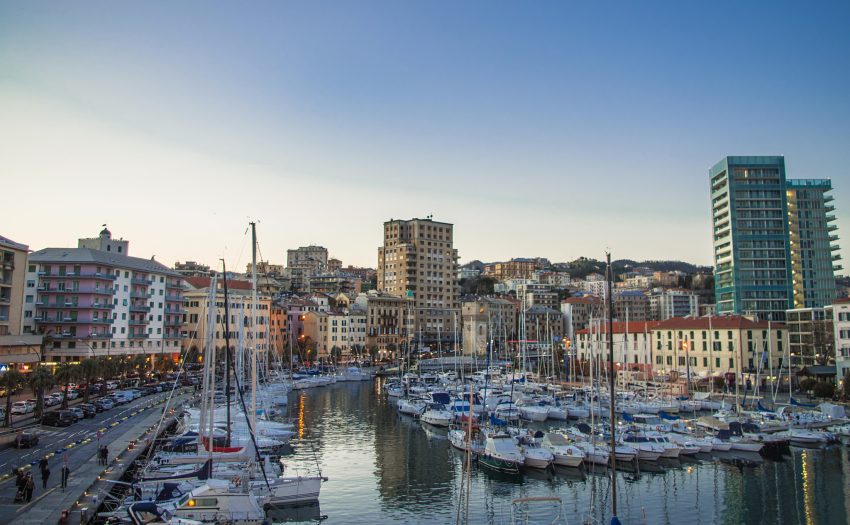
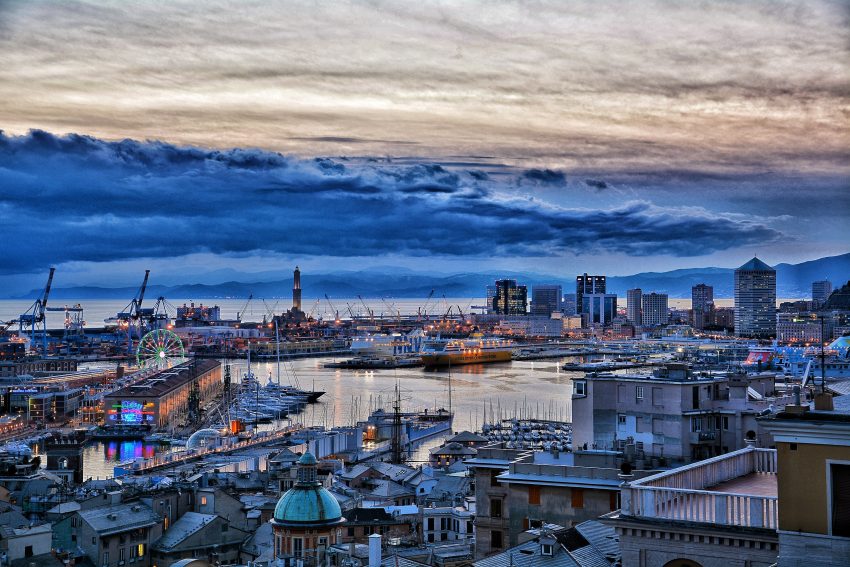
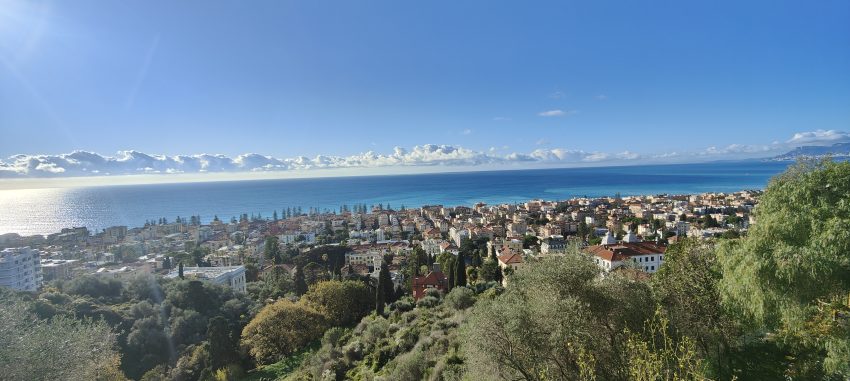
Savona is a relaxed Ligurian port city on Italy’s Riviera di Ponente, where everyday seaside life mixes with grand waterfront views and a compact, walkable center. It’s an easy place to slow down: you can start with a coffee in a piazza, wander through arcaded streets, then end the day with a sunset stroll along the promenade as ferries and cruise ships glide in and out of the harbor.
What makes visiting Savona especially rewarding is how much you can do without rushing. The historic core is close to the sea, so you can pair culture and beach time in the same afternoon-duck into a museum or a cathedral, then head back out for focaccia and a swim. The city also works well as a base for short trips along the coast and into the nearby hills, so you can mix seaside villages, viewpoints, and local food experiences.
Savona feels authentic and lived-in, with a strong local food scene and a pace that's calmer than some of the more famous Riviera stops. Come for the maritime atmosphere, the elegant old fortifications, and the simple pleasures of Ligurian cuisine-seafood, pesto, and crisp local whites-then use the surrounding area for day trips that keep you close to the water.
Table of Contents
- History of Savona
- Best things to do and See in Savona
- Savona Priamar Fortress
- Savona Cathedral
- Savona Sistine Chapel
- Savona Torre Leon Pancaldo
- Savona Old Town Walk: Via Paleocapa and the Historic Center
- Savona Port and Waterfront Promenade
- Savona Museo della Ceramica
- Savona Beaches: Fornaci and Zinola
- Savona Day Trip to Albissola Marina & Albisola Superiore
- Savona Day Trip to Bergeggi and the Coastal Views
- 10 Best Day Trips from Savona
- Where to Stay in Savona
- Best Time to Visit Savona
- How to get to Savona
History of Savona
Savona in Antiquity and the Early Middle Ages
Savona’s earliest development was tied to maritime trade and the strategic value of its coastline. Over time, the settlement grew in importance as a harbor community, shaped by shifting alliances and rivalries among coastal powers. As the Western Roman world fragmented, Savona’s fortunes rose and fell with the stability of regional routes and the ability to defend its shoreline.
Savona in the Medieval Maritime Era
During the Middle Ages, Savona expanded as a commercial port, benefiting from Mediterranean exchange while also facing pressure from stronger neighbors. Competition for sea lanes and influence brought periods of conflict, and the city’s civic identity hardened around its role as a working harbor. Local institutions, religious foundations, and merchant activity helped consolidate urban life, even as external powers sought to control the coast.
Savona in the Renaissance and Early Modern Period
Savona’s early modern history was marked by political domination and major changes to its urban fabric. Fortifications and large-scale building projects reflected the need for control and defense, while religious and artistic patronage left enduring marks on churches and civic spaces. The city’s economy remained closely linked to the sea, with ship-related trades and commerce continuing to define daily life.
Savona in the 19th Century: Industry and Modernization
As Italy moved through unification and modernization, Savona evolved into a more industrial and infrastructural city. Port activity intensified, and new transport links supported manufacturing and trade. Urban growth brought new neighborhoods and public works, aligning the city more closely with national economic currents.
Savona in the 20th Century to Today
The 20th century brought both disruption and renewal, with the port remaining central to Savona’s identity. Postwar decades saw redevelopment, changes in industry, and a gradual shift toward services and tourism alongside maritime activity. Today, Savona balances its working-port character with cultural sites, waterfront improvements, and a role as a gateway for coastal travel.

Moira & Andy
Hey! We're Moira & Andy. From hiking the Camino to trips around Europe in Bert our campervan — we've been traveling together since retirement in 2020!
Visiting Savona for the first time and wondering what are the top places to see in the city? In this complete guide, I share the best things to do in Savona on the first visit. To help you plan your trip, I have also included an interactive map and practical tips for visiting!
This website uses affiliate links which earn a small commission at no additional cost to you.
Best things to do and See in Savona
1. Savona Priamar Fortress (Fortezza del Priamar)
Set above the sea, the Priamar Fortress is Savona’s most iconic landmark and the best place to understand the city’s scale: old town behind you, harbor and open water in front. The ramparts and terraces are excellent for photos, especially in late afternoon when the light softens over the coastline.
Inside the complex you’ll typically find cultural spaces and exhibitions that change through the year, so it’s worth checking what’s on when you arrive. Plan time to wander slowly—part of the appeal is moving between viewpoints, courtyards, and the dramatic stone architecture.
Typical entry: Many outdoor areas are free; museums/exhibitions inside may require a ticket (often in the €5–€10 range depending on what’s open). Typical hours: Daytime opening, with seasonal variations.
2. Savona Cathedral (Cattedrale di Nostra Signora Assunta)
Savona’s cathedral is a calm, impressive stop that contrasts nicely with the busy waterfront. Step inside to appreciate the sense of space, the artwork, and the quieter rhythm of local life—this is a place where residents still come for everyday worship, not just sightseeing.
Pair your visit with a walk through the surrounding streets, where you’ll find small cafés and bakeries for a quick focaccia break. It’s an easy cultural highlight that doesn’t require a big time commitment.
Entry: Usually free (donations appreciated). Typical hours: Open daily with closures during services or midday breaks.
3. Savona Sistine Chapel (Cappella Sistina di Savona)
Often a surprise for first-time visitors, Savona’s Sistine Chapel is richly decorated and feels like a “hidden gem” moment even though it sits close to major sights. The interior is ornate and theatrical, making it one of the most memorable artistic stops in the city.
Go at a quieter time if you can, so you can linger and take in the details without feeling rushed. Combine it with the cathedral visit since they’re close, creating a compact, high-impact cultural circuit.
Entry: Typically ticketed (often around €5–€8). Typical hours: Daytime opening; may close briefly midday.
4. Savona Torre Leon Pancaldo (La Torretta)
La Torretta is Savona’s emblem—small enough to feel approachable, but prominent enough to anchor the waterfront. It’s a great meeting point and a natural start for a stroll along the harbor, especially if you want to watch port life up close.
The surrounding area is lively, with benches, sea views, and easy access to cafés. Even if you only spend 10–15 minutes here, it helps you “place” Savona and understand its maritime character.
Entry: Exterior viewing is free; interior access (if available) may be limited. Typical hours: Varies if interior visits are offered.
5. Savona Old Town Walk: Via Paleocapa and the Historic Center
Savona’s center is best experienced on foot, following the arcaded streets and elegant corridors that connect shops, small squares, and local bars. Via Paleocapa is a key artery—good for people-watching and for seeing how the city balances everyday commerce with historic architecture.
Give yourself time to drift into side streets where the atmosphere becomes quieter and more residential. This is also where you’ll find casual trattorias and pastry shops that feel geared to locals rather than day-trippers.
Cost: Free. Best time: Late morning for shopping, early evening for aperitivo.
6. Savona Port and Waterfront Promenade
The waterfront is where Savona feels most “Riviera”: breezes, wide views, and the constant motion of boats. A promenade walk is simple but satisfying—ideal after a big lunch or before dinner when the sky starts to change color.
If you enjoy photography, come twice: once in bright daylight for crisp harbor scenes, and again at dusk for silhouettes and reflections. It’s also a practical area for finding gelato, casual seafood, and places to sit with a drink.
Cost: Free. Best time: Sunset into early evening.
7. Savona Museo della Ceramica (Ceramics Museum)
Savona has a strong ceramics tradition, and the ceramics museum is a focused way to appreciate the craft and design that shaped local identity. Exhibits typically move from historical pieces to more modern interpretations, so it appeals even if you’re not a specialist.
It’s a good rainy-day option and a smart add-on if you want more depth beyond the headline sights. Plan to spend about 60–90 minutes depending on your pace.
Entry: Typically ticketed (often around €5–€10). Typical hours: Daytime opening; closed times can vary by weekday/season.
8. Savona Beaches: Fornaci and Zinola
Within a short distance of the center, Savona’s beach areas let you switch from sightseeing to swimming with minimal logistics. Fornaci is convenient and popular, while Zinola offers a slightly more neighborhood feel depending on where you settle.
In summer, you can choose between free public stretches and paid beach clubs (stabilimenti) where you rent a sunbed and umbrella. If you’re visiting outside peak season, the same shoreline becomes a peaceful place for long walks.
Cost: Public beach free; beach clubs typically charge per set (often €15–€30/day depending on season and row). Typical hours: Beach clubs generally operate daytime in summer.
9. Savona Day Trip to Albissola Marina & Albisola Superiore (Ceramics Towns)
Just along the coast, the Albissola towns are a classic short trip from Savona, especially if you like artisan workshops and seaside strolling. You’ll find ceramics studios, small galleries, and decorative details that spill into public spaces, making the towns feel like open-air design districts.
Go for a half-day: browse shops, stop for lunch by the sea, and pick up a locally made piece as a practical souvenir. It’s an easy outing by bus, train, taxi, or a short drive.
Cost: Free to explore; workshop purchases vary. Best time: Late morning through afternoon.
10. Savona Day Trip to Bergeggi and the Coastal Views
Bergeggi is a scenic escape within easy reach of Savona, known for clear water and striking coastal landscapes. It’s a strong choice if you want a more “nature-forward” day—think viewpoints, short walks, and time by the sea away from the port atmosphere.
Depending on the season, you can focus on swimming and snorkeling or simply enjoy the panoramas and a relaxed meal with a view. Go early in summer to secure parking and quieter spots by the water.
Cost: Free to explore; beach services (if used) extra. Best time: Summer mornings or shoulder-season afternoons.