Sapa, Vietnam: The Ultimate Travel Guide 2026
sapa vietnam
sapa vietnam

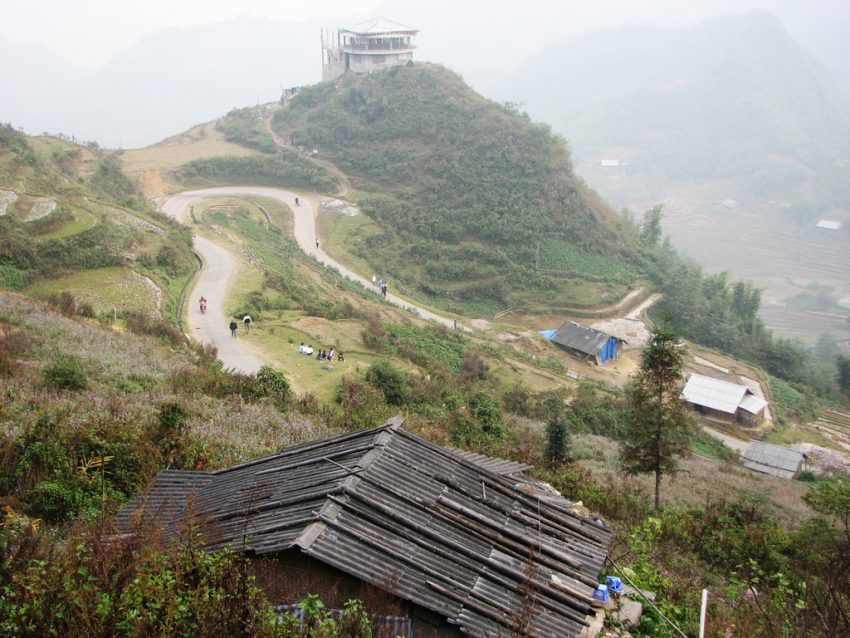
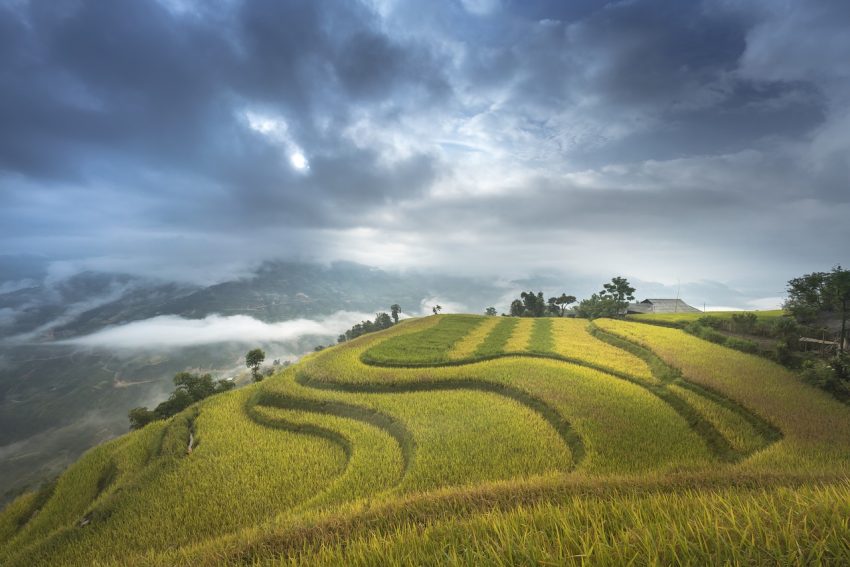
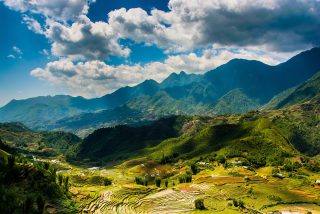
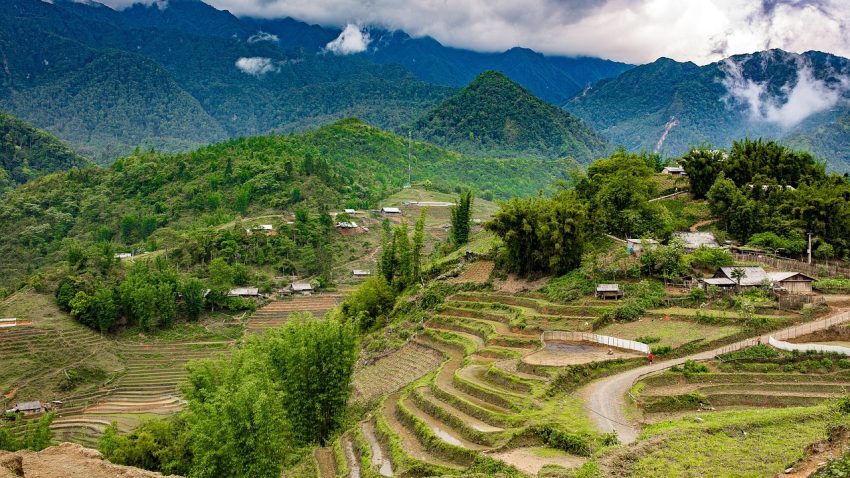
Visiting Sapa, Vietnam, is like stepping into a world of stunning natural beauty and rich cultural heritage. Nestled in the northern mountains near the Chinese border, Sapa is renowned for its terraced rice fields that cascade down the hillsides in vibrant greens and golds, depending on the season. These fields, cultivated by local ethnic minorities such as the Hmong, Dao, and Tay people, create a breathtaking landscape that is a photographer’s dream. Trekking through these terraces offers an immersive experience where you can interact with the locals, learn about their traditional ways of life, and enjoy the serene, unspoiled environment.

Beyond the rice terraces, Sapa boasts other natural wonders and attractions. Fansipan Mountain, known as the “Roof of Indochina,” is the highest peak in Vietnam and offers adventurous travelers a challenging yet rewarding climb with spectacular views at the summit. Alternatively, you can take the cable car for a more leisurely ascent. Sapa town itself is charming, with a lively market where you can purchase handmade crafts and taste local delicacies. The town’s cool climate, misty mornings, and picturesque scenery make it a perfect retreat from the hustle and bustle of city life, providing a tranquil and enriching escape.

History of Sapa

Early History of Sapa

The early history of Sapa is intertwined with the various ethnic minority groups that have inhabited the region for centuries. The Hmong, Dao, Tay, and Giay people have cultivated the terraced rice fields and maintained their unique cultural traditions and lifestyles in the mountainous terrain.

Sapa During the French Colonial Period

In the early 20th century, Sapa was discovered by the French colonialists who recognized its potential as a hill station due to its cool climate and stunning landscapes. The French developed Sapa into a retreat for their officials, building villas, a church, and other colonial-style structures that still influence the town’s architecture today.

Sapa in the Post-Colonial Era

After Vietnam gained independence, Sapa remained relatively isolated, with its infrastructure and tourism development taking a backseat due to the country’s focus on rebuilding and modernization. It wasn’t until the late 20th century that Sapa began to emerge as a significant tourist destination.

Modern Sapa

In recent decades, Sapa has experienced rapid development as a popular tourist destination. Improved infrastructure, such as roads and the introduction of a cable car to Fansipan Mountain, has made the region more accessible. Despite modernization, Sapa has managed to preserve its natural beauty and cultural heritage, attracting visitors who seek both adventure and cultural immersion.

Moira & Andy
Moira & Andy

Hey! We're Moira & Andy. From hiking the Camino to trips around Europe in Bert our campervan — we've been traveling together since retirement in 2020!

Read our full story here

Visiting Sapa for the first time and wondering what are the top places to see in the city? In this complete guide, I share the best things to do in Sapa on the first visit. To help you plan your trip, I have also included an interactive map and practical tips for visiting!

This website uses affiliate links which earn a small commission at no additional cost to you.

Powered by GetYourGuide

5 Best places to See in Sapa

This complete guide to Sapa not only tells you about the very best sights and tourist attractions for first-time visitors to the city but also provide insights into a few of our personal favorite things to do.

This is a practical guide to visiting the best places to see in Sapa and is filled with tips and info that should answer all your questions!

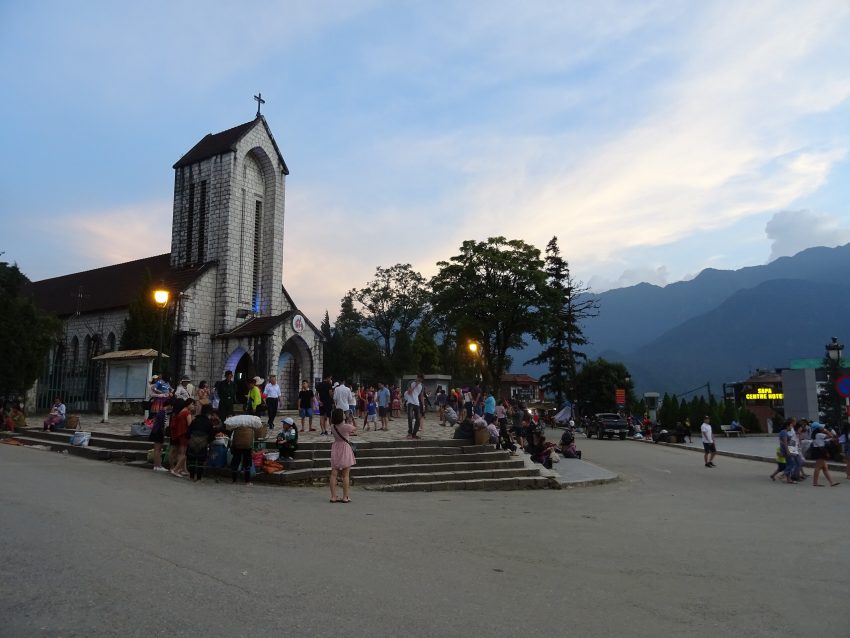
Sapa Stone Church

Church of Sa Pa
Church of Sa Pa
CC BY-SA 4.0 / Christophe95
Sapa Stone Church sits right on Sapa’s main square, the kind of landmark you don’t need to hunt for because the town naturally funnels you toward it. From a distance it looks almost fortress-like in the mountain mist, with a chunky stone façade and a bell tower that anchors the entire centre of town. It’s one of the top attractions…
Location: Sa Pa Stone Church P. Hàm Rồng TT. Sa Pa Sa Pa Lào Cai 333100, Vietnam | Hours: Daily: 06:00–20:30. | Price: Free | Website | Distance: 236.7km
Visiting Sapa Stone Church

Here is a complete selection of hotel options in Sapa. Feel free to review each one and choose the stay that best suits your needs.

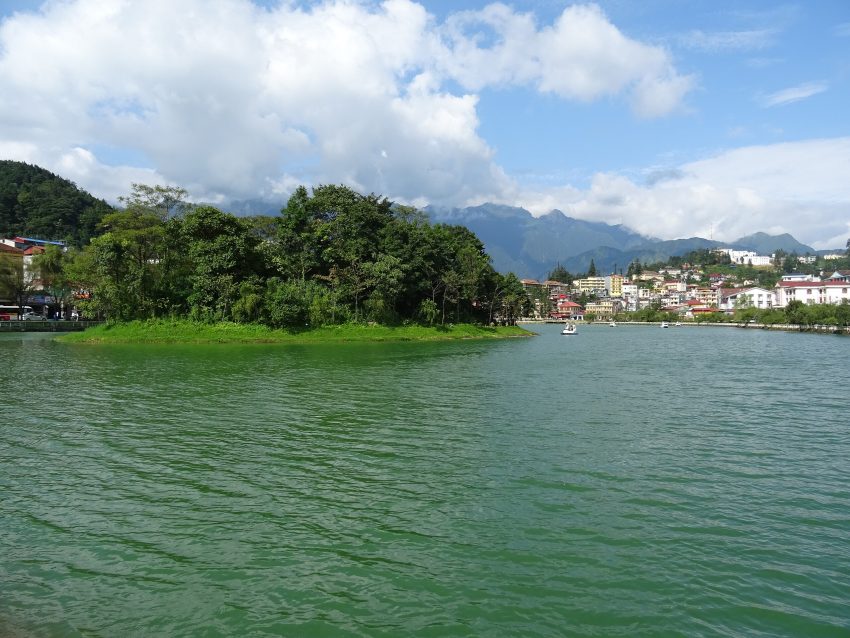
Sapa Lake

Sa Pa Lake island
Sa Pa Lake island
CC BY-SA 4.0 / Christophe95
Sapa Lake sits right in the middle of town, a calm freshwater oval framed by greenery and the gentle hum of Sapa life. It’s the kind of place you naturally drift toward between bigger adventures—especially when the weather turns moody and the mountains seem to breathe mist into the streets. What I love most is how effortless it feels: you…
Location: Sa Pa Lake, Sa Pa, Lao Cai, Vietnam | Hours: 24 Hours | Price: Free. | Distance: 236.7km
Visiting Sapa Lake

Traveling to a country with a different currency? Avoid ATM transaction fees and pay in local currency with a Wise Card. Having used it for over 5 years, we've saved loads on fees!

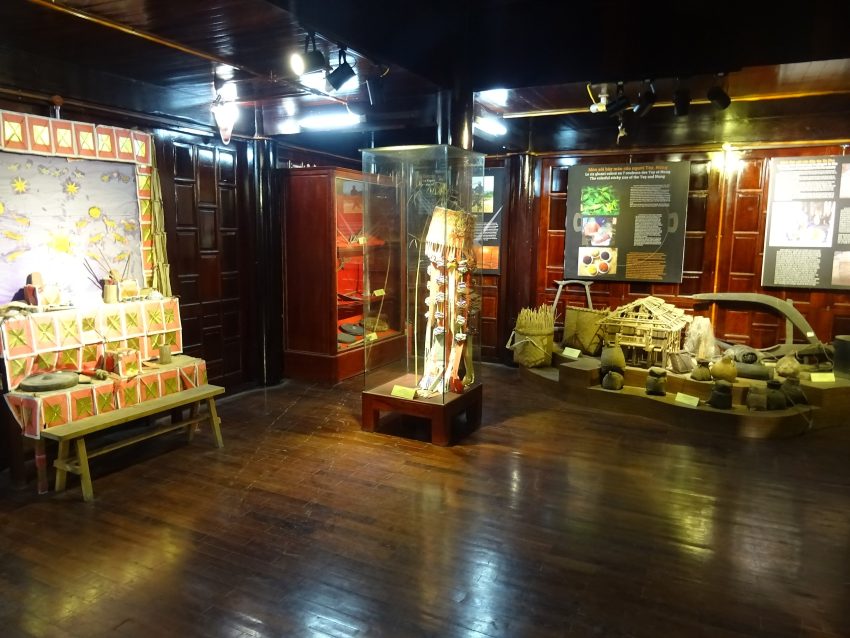
Sapa Museum

Sa Pa Museum
Sa Pa Museum
CC BY-SA 2.0 / Christophe95
Sapa Museum is a small, easy-to-miss highlight in the very heart of town, tucked into the tourism centre complex on Fansipan Street, close to the Stone Church and the main square. It’s not the kind of museum you plan an entire day around, but it’s one of the things to do in Sapa when you want quick context for everything…
Location: Sapa Culture Museum 02 Fansipan TT. Sa Pa Sa Pa Lào Cai, Vietnam | Hours: Daily: 07:30–11:30 & 13:30–17:00. | Price: Free. | Distance: 236.7km
Visiting Sapa Museum

Click here to read our blog about 8 Best Things to Do in Sapa, Vietnam (2026)

Powered by GetYourGuide

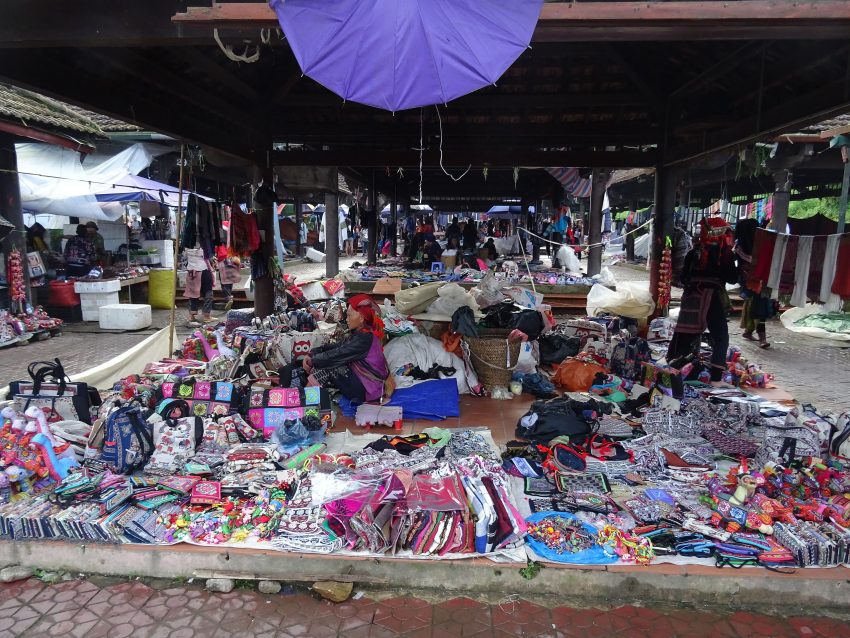
Sapa Market

Market in Sa Pa
Market in Sa Pa
CC BY-SA 4.0 / Christophe95
Sapa Market is the practical, everyday heartbeat of town—a two-level market hall where locals stock up on food, fabrics, and household basics, while travellers come to browse mountain specialties and people-watch. You’ll find it on Luong Dinh Cua Street, slightly away from the prettiest postcard lanes of central Sapa, which is exactly why it feels more functional and less “set…
Location: Sapa Night Market Lương Định Của TT. Sa Pa Sa Pa Lào Cai, Vietnam | Hours: Daily: 06:00–18:00 | Price: Free. | Distance: 236.7km
Visiting Sapa Market

Cat Cat Village

Ban Cat Cat
Ban Cat Cat
CC BY-SA 3.0 / Liftold (thảo luận)
Cat Cat Village is a famous Hmong community just outside Sapa, set in a steep green valley where paths drop past houses, craft stalls, and terraces toward a fast-running river. It’s undeniably touristy, but it’s also one of the top sights in Sapa for a reason: the scenery on the way down is genuinely beautiful, and the route is straightforward…
Location: Cat Cat Village, San Sả Hồ, Sa Pa, Lao Cai, Vietnam | Hours: Daily: 06:00–21:00. | Price: Adults: 150,000 VND | Distance: 236.7km
Visiting Cat Cat Village
Powered by GetYourGuide

Best Day Trips from Sapa

A day trip from Sapa offers the perfect opportunity to escape the urban rhythm and discover the surrounding region's charm. Whether you're drawn to scenic countryside, historic villages, or cultural landmarks, the area around Sapa provides a variety of easy-to-reach destinations ideal for a one-day itinerary.

Thac Bac (Silver) Waterfall

Thacbac waterfall Sapa
CC BY-SA 2.0 / Lori_NY
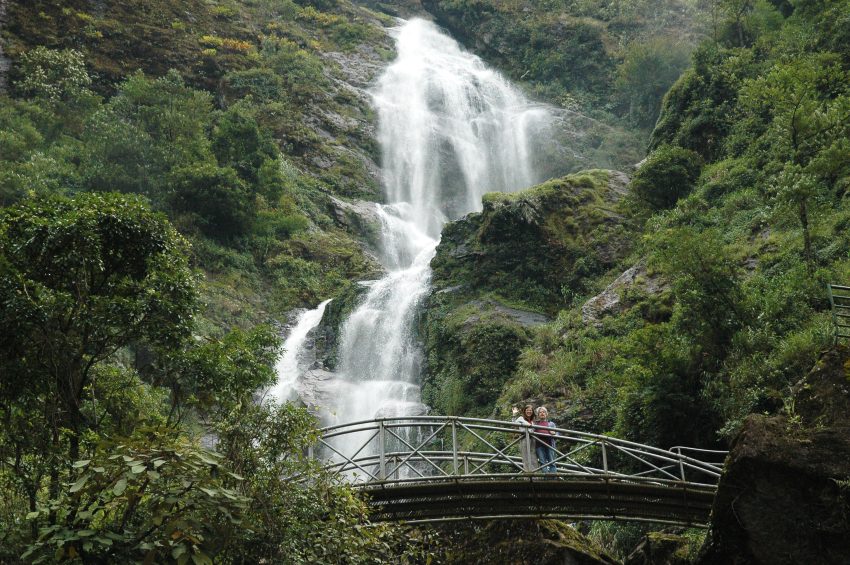
Silver Waterfall (Thác Bạc Waterfall) is Sapa’s most famous roadside waterfall, a powerful 200-metre cascade that tumbles down the Hoàng Liên Sơn mountains just outside town. You’ll find it on the main road toward O Quy Ho Pass, making it a simple detour that feels instantly rewarding: the spray, the sound, and the bright white rush of water against dark…
Location: Silver Waterfall, San Sả Hồ, Sa Pa, Lao Cai, Vietnam | Hours: Daily: 08:30–17:00. | Price: 20,000 VND (adults); 10,000 VND (children). | Distance: 7.4km
Visiting Thac Bac (Silver) Waterfall
Powered by GetYourGuide

Fansipan Mountain

Fansipan
Fansipan
CC BY-SA 4.0 / NKSTTSSHNVN
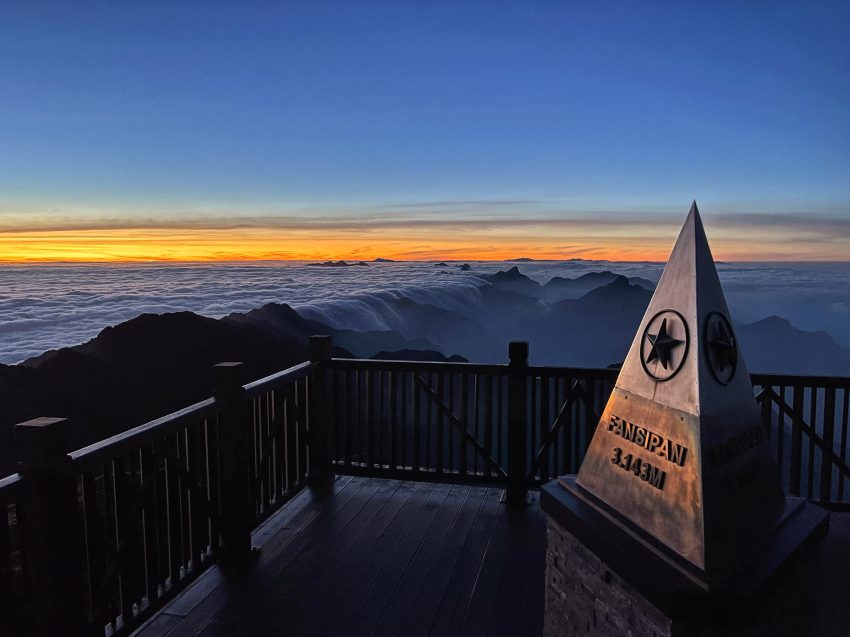
Fansipan is the mountain that dominates every Sa Pa conversation: a jagged, cloud-brushed summit in the Hoàng Liên Sơn range that feels like it belongs on the edge of the map. At 3,143 metres, it’s the highest peak in Vietnam and all of Indochina—an easy superlative to remember the first time you watch the landscape drop away into layered valleys…
Location: Fansipan, Tam Đường District, Lai Chau, Vietnam | Hours: Daily: 08:00–16:00. | Price: Cable car round-trip tickets typically start from ₫800,000 (adult) and around ₫550,000 (child, height-based), with pricing sometimes higher on weekends/holidays. | Website | Distance: 8.0km
Visiting Fansipan Mountain
Powered by GetYourGuide

Ha Giang

vietnam Ha Giang
vietnam Ha Giang
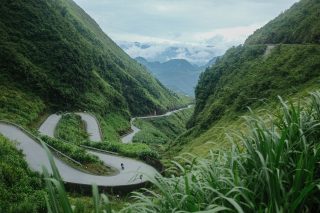
Ha Giang, a border province and designated Frontier Area, is situated in the remote far northern region of Vietnam. Exploring this province is like traveling back in time, offering encounters with some of the country's most rugged and awe-inspiring landscapes. The best way to experience Ha Giang is through a road trip, ideally on two wheels, enabling you to fully…
Visiting Ha Giang
Powered by GetYourGuide

Where to Stay in Sapa

The best area to stay is in Sapa town, where hotels and homestays provide easy access to local markets and stunning mountain views. For a more immersive experience, staying in a homestay in a nearby village like Ta Van or Lao Chai offers a deeper connection to local ethnic cultures.

A 3 to 4-day stay is ideal for trekking through rice terraces, visiting ethnic minority villages, and enjoying the cool mountain climate. A 5-day stay allows for exploring further into the Hoàng Liên Son mountains or visiting the nearby Silver Waterfall.

Using the our Hotel and Accomodation map, you can compare hotels and short-term rental accommodations in Sapa. Simply insert your travel dates and group size, and you’ll see the best deals for your stay.

Sapa Accommodation Map

Best Time to Visit Sapa

Visiting Sapa in Spring

Spring, from March to May, is a wonderful time to visit Sapa. The weather is mild and pleasant, with temperatures ranging from 15°C to 25°C (59°F to 77°F). This season is perfect for trekking and exploring the blooming flowers and lush landscapes.

Visiting Sapa in Summer

Summer, from June to August, brings warm temperatures and occasional rain showers to Sapa. The weather can be hot and humid, but this is the season when the rice terraces are at their greenest, creating a stunning and vibrant landscape.

Visiting Sapa in Autumn (Best)

Autumn, from September to November, is arguably the best time to visit Sapa. The weather is cool and comfortable, with temperatures ranging from 10°C to 20°C (50°F to 68°F). The rice terraces turn golden during this season, offering breathtaking views and excellent photography opportunities.

Visiting Sapa in Winter

Winter, from December to February, is the coolest season in Sapa, with temperatures sometimes dropping below freezing. While it can be cold and misty, this season provides a unique charm with occasional snowfall, creating a picturesque and serene atmosphere.

Annual Weather Overview

  • January 18°C
  • February 23°C
  • March 23°C
  • April 28°C
  • May 27°C
  • June 25°C
  • July 25°C
  • August 25°C
  • September 24°C
  • October 23°C
  • November 21°C
  • December 21°C

How to get to Sapa

Traveling to Sapa by Train

You can travel to Sapa by taking a train from Hanoi to Lao Cai, the nearest major city. The journey takes about eight hours. From Lao Cai, you can take a bus or taxi for the remaining 38 kilometers to Sapa, which takes about an hour.

Traveling to Sapa by Bus

Several bus companies operate services directly from Hanoi to Sapa. The bus journey takes approximately six hours, offering a comfortable and scenic route through the mountains. Buses typically arrive in the center of Sapa, making it convenient for travelers.

Traveling to Sapa by Car

Driving to Sapa is an option for those who prefer the flexibility and comfort of a private vehicle. The journey from Hanoi to Sapa takes about five to six hours via the Noi Bai-Lao Cai Expressway. Renting a car allows you to explore the area at your own pace and make stops along the way.

Traveling to Sapa by Motorbike

For adventurous travelers, traveling to Sapa by motorbike offers an exhilarating experience. The route from Hanoi to Sapa takes you through scenic mountain roads and offers breathtaking views. Ensure your motorbike is in good condition and be prepared for the challenging terrain.
Powered by GetYourGuide

Similar Blogs