Orvieto, Italy: The Ultimate Travel Guide 2026
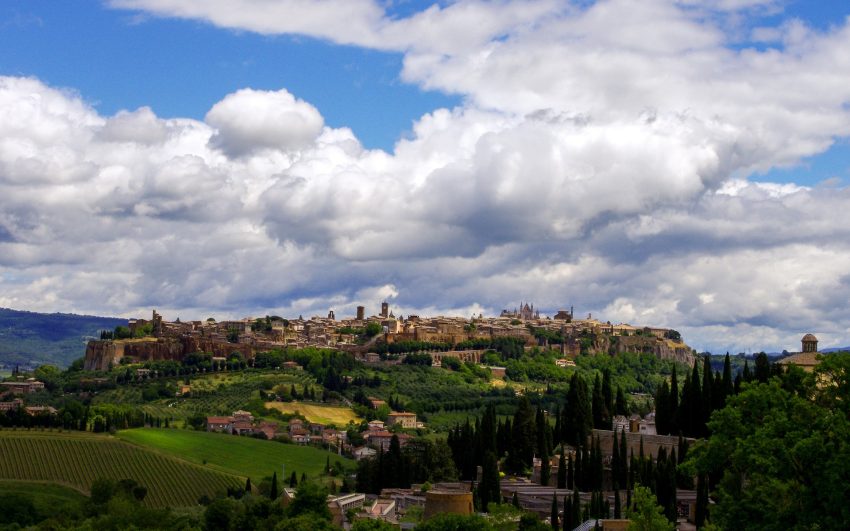
Orvieto is one of those hill towns that feels instantly cinematic: a compact historic center perched above the countryside, with big views, stone lanes, and a lively café culture. Set in Umbria, it’s an easy base for slow travel-think long lunches, local wines, and short scenic walks that start right from town. The pace is relaxed, but there’s plenty to fill a full day or a long weekend.
A great way to experience Orvieto is to split your time between the dramatic “upper town” and the lower areas near the station. Ride the funicular up for an effortless arrival, then wander on foot-most highlights are close together, and the best moments often come from turning into a quiet side street or stopping at a viewpoint. Food and drink are a big part of the visit, so plan to linger: Umbrian specialties pair beautifully with the area's white wines.
Orvieto also works brilliantly as a hub for nearby villages, vineyards, and lake scenery within a short drive. If you're traveling through central Italy, it's a rewarding stop that combines standout architecture, memorable underground spaces, and a distinctly local feel-without needing a packed itinerary. Come with comfortable shoes, a bit of curiosity, and time to take it all in.
Table of Contents
- History of Orvieto
- Best things to do and See in Orvieto
- Orvieto Duomo
- Orvieto Underground
- Orvieto’s St. Patrick’s Well
- Orvieto’s Torre del Moro Viewpoint
- Orvieto’s Historic Center Walk: Piazza del Duomo to Corso Cavour
- Orvieto’s Museo Claudio Faina
- Orvieto’s Palazzo del Popolo and Medieval Quarter
- Orvieto Classico Wine Tasting Near Orvieto
- Orvieto’s Necropolis Area
- Lake Corbara
- 10 Best Day Trips from Orvieto
- Where to Stay in Orvieto
- Best Time to Visit Orvieto
- How to get to Orvieto
History of Orvieto
Orvieto in Etruscan Times
Orvieto’s earliest prominence is tied to the Etruscans, who established a major settlement here thanks to its naturally defensible position and access to trade routes. The city became an important political and religious center, with evidence of sanctuaries and necropolises that point to a sophisticated urban culture.
Archaeological finds from this period reveal a community with strong artistic traditions and far-reaching connections across central Italy. The Etruscan legacy remains one of the deepest layers of Orvieto’s identity, still visible today through excavations and museum collections.
Orvieto Under Roman Rule
As Roman power expanded, Orvieto’s role shifted within the wider imperial system. The city experienced administrative and cultural changes typical of Romanization, including new infrastructure and evolving civic institutions.
Over time, the transition altered local governance and trade patterns, integrating Orvieto more tightly into regional networks. While some Etruscan traditions persisted, Roman influence reshaped daily life and the built environment.
Orvieto in the Early Middle Ages
Following the fragmentation of Roman authority, Orvieto moved through periods of instability and reorganization. Control and influence changed hands among emerging powers, and the city’s defensive advantages again became crucial.
Religious institutions grew in importance during these centuries, helping to stabilize community life. The foundations of later medieval urban structures—both social and architectural—began to take form.
Orvieto in the High Middle Ages and the Commune
Orvieto flourished as a medieval commune, developing civic autonomy and expanding its urban fabric. This era saw the strengthening of local government, guild activity, and public works, reflecting the city’s rising prosperity.
Ambitious building projects and the growth of artisan culture marked Orvieto’s confidence and wealth. The city’s public spaces and monumental ambitions from this period set the stage for its most famous architectural achievements.
Orvieto and the Papal Era
Orvieto became closely connected with papal politics, at times serving as a refuge and a strategic center during turbulent periods. This relationship elevated the city’s status and encouraged major artistic and religious commissions.
The city’s religious prestige and institutional presence helped drive cultural production, attracting skilled artists and craftsmen. Orvieto’s identity as a place of spiritual significance was reinforced through ceremonies, patronage, and monumental art.
Orvieto from the Renaissance to Unification
In the Renaissance and early modern period, Orvieto continued to evolve under shifting political frameworks, balancing local traditions with broader cultural currents. Artistic tastes changed, and the city adapted its institutions to new realities.
By the 19th century, the transformations associated with Italian unification brought administrative and social changes. Orvieto’s modern civic life developed alongside efforts to preserve and interpret its layered past.
Orvieto in the 20th Century to Today
The 20th century brought modernization, new transportation links, and a growing focus on heritage and tourism. Conservation efforts helped protect key monuments while improving access for visitors.
Today, Orvieto continues to invest in cultural programming, museum interpretation, and the maintenance of its historic fabric. The city’s contemporary identity blends everyday local life with a strong commitment to celebrating its long historical arc.

Moira & Andy
Hey! We're Moira & Andy. From hiking the Camino to trips around Europe in Bert our campervan — we've been traveling together since retirement in 2020!
Visiting Orvieto for the first time and wondering what are the top places to see in the city? In this complete guide, I share the best things to do in Orvieto on the first visit. To help you plan your trip, I have also included an interactive map and practical tips for visiting!
This website uses affiliate links which earn a small commission at no additional cost to you.
Best things to do and See in Orvieto
1. Orvieto Duomo (Cathedral of Orvieto)
The Duomo is the city’s showstopper, and it’s worth approaching slowly so you can appreciate the façade’s intricate decoration and the way the light changes across it. Inside, the scale feels grand but still intimate enough to linger, especially if you time your visit for a quieter hour.
Plan time for the chapels and interior artworks, which are among the most compelling reasons to visit. Entry costs and opening times vary by ticket type and season; expect paid entry for the cathedral complex, and check the official ticket office on arrival for the day’s hours.
2. Orvieto Underground (Orvieto Sotterranea)
Beneath the streets lies a fascinating network of caves, wells, and carved spaces that reveal how people used the underground for storage, water management, and daily life. Visiting with a guided tour adds context and helps you understand what you’re seeing rather than just passing through tunnels.
Tours typically run at set times and are ticketed; prices depend on the specific itinerary and operator. Because places can fill up, it’s smart to book ahead in high season or arrive early to secure a spot.
3. Orvieto’s St. Patrick’s Well (Pozzo di San Patrizio)
This engineering marvel is one of the most memorable “walk-down” experiences in town: a deep well with a double-helix staircase that lets people go down and up without crossing paths. The descent is atmospheric, cool even in summer, and surprisingly photogenic.
Expect a paid ticket and seasonal opening hours; allow time to go all the way down and back up at a comfortable pace. It’s best earlier in the day to avoid queues, and bring a light layer—the temperature drops noticeably inside.
4. Orvieto’s Torre del Moro Viewpoint
For a clear sense of Orvieto’s layout and the surrounding landscape, climb Torre del Moro. The panorama is the reward: rooftops, the Duomo’s presence, and the countryside stretching out in every direction.
There is usually an entry fee, and opening times can change by season. Go on a clear day if you can, and consider timing it for late afternoon when the light is softer and the views feel especially dramatic.
5. Orvieto’s Historic Center Walk: Piazza del Duomo to Corso Cavour
One of the best things to do in Orvieto is simply to walk it with intention: start at Piazza del Duomo, then drift through lanes toward Corso Cavour, stopping for small shops, cafés, and viewpoints. The town rewards slow exploration, and you’ll naturally collect little discoveries—arches, quiet courtyards, and artisan storefronts.
Because this is a self-guided activity, it’s free and flexible. Build in time for a long coffee stop or aperitivo, and don’t be afraid to detour—Orvieto’s charm is often found just off the main route.
6. Orvieto’s Museo Claudio Faina (Etruscan Collection)
If you want a deeper understanding of the city’s ancient roots, the Museo Claudio Faina is a strong choice, with a focused collection that helps connect the dots between the landscape and the people who lived here long before the medieval city took shape.
Expect a paid ticket and set opening hours that may vary by season. It pairs well with other nearby cultural stops, and it’s a good midday option when you want a break from outdoor walking.
7. Orvieto’s Palazzo del Popolo and Medieval Quarter
Palazzo del Popolo anchors a part of town that feels distinctly medieval, with stone architecture and a more “local daily life” atmosphere compared with the Duomo area. Even if you don’t enter a specific venue, the surrounding streets are excellent for wandering and photography.
Depending on exhibitions or events, access to interior spaces may be limited or ticketed at certain times. Consider visiting in the early evening when the streets quiet down and the lighting brings out the texture of the buildings.
8. Orvieto Classico Wine Tasting Near Orvieto
Within a short radius of town, you can find wineries and enotecas offering tastings of Orvieto Classico and other Umbrian wines. A tasting is a relaxing way to balance sightseeing, and it’s also a practical way to learn what to order confidently at dinner.
Costs and opening times vary widely by producer; many tastings are paid and may require reservations, especially on weekends. If you’re driving, plan a modest tasting or arrange transport so you can enjoy it responsibly.
9. Orvieto’s Necropolis Area (Crocifisso del Tufo)
For a quieter, more reflective experience, visit the necropolis area known for its orderly layout and evocative atmosphere. It’s a different side of Orvieto—less about grand monuments and more about the long continuity of human presence.
Access conditions can vary, and some areas may have limited hours or small entry fees depending on management and season. Go with comfortable shoes and allow time to walk slowly and read any on-site interpretation.
10. Lake Corbara (Lago di Corbara) Near Orvieto
Within about 10 km, Lake Corbara offers a change of pace: water views, nature, and a sense of open space after the compact hill-town streets. It’s ideal for a scenic drive, a gentle walk, and a relaxed afternoon, especially in warmer months.
Much of the enjoyment here is free and outdoors, though specific activities (boat outings or guided experiences) depend on seasonal operators. Bring snacks and water, and consider pairing the lake with a nearby viewpoint stop for a full half-day outing.