Melk, Austria: The Ultimate Travel Guide 2026
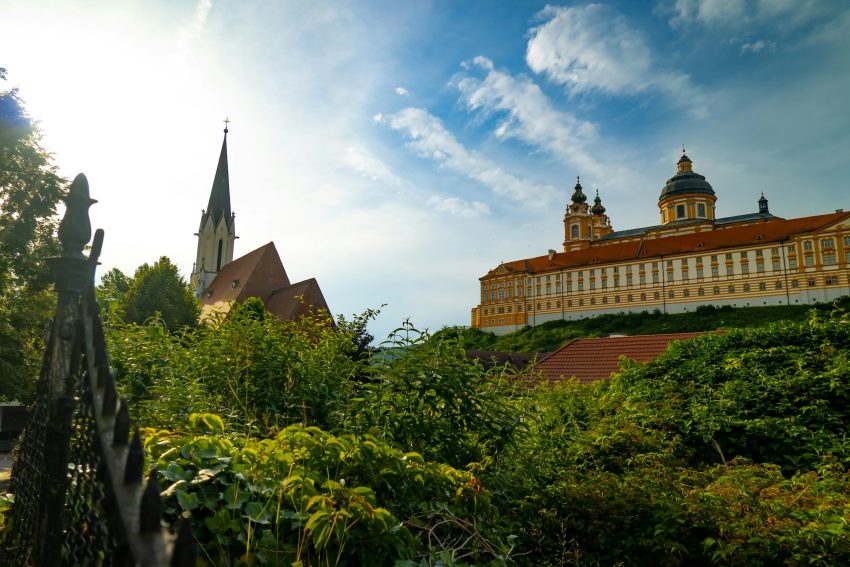
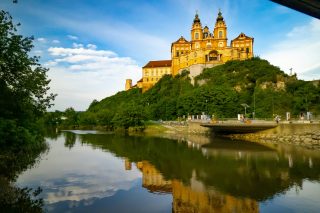
Melk is one of the most rewarding small-town stops on the Danube, set at the gateway to the Wachau Valley in Lower Austria. It's compact and easy to explore on foot, yet it punches above its size with big views, riverside walks, and a lively café-and-restaurant scene that makes it feel like more than a quick photo stop.
Most visitors come for the headline sights, but Melk also works beautifully as a base for day trips along the Danube-whether you're hopping between vineyards and villages, cycling the river path, or taking a boat ride when the season is right. The town's layout is visitor-friendly: you can arrive by train, walk to the center, and be sightseeing within minutes.
Plan to stay at least a night if you can. Early mornings and evenings are when Melk feels most atmospheric, with fewer day-trippers and softer light over the river and hills. It's also a practical place to slow down, sample Wachau wines nearby, and mix cultural visits with outdoor time without needing a car.
Table of Contents
- History of Melk
- Melk in Prehistory and the Roman Era
- Melk in the Early Middle Ages
- Melk and the Benedictine Foundation
- Melk in the Late Middle Ages
- Melk in the Reformation and Counter-Reformation
- Melk in the Baroque Golden Age
- Melk in the 19th Century: Reform, Modernization, and New Travel
- Melk in the 20th Century: War, Recovery, and Tourism
- Melk Today: Living Heritage and Regional Hub
- 15 Best places to See in Melk
- 7 Best Day Trips from Melk
- Where to Stay in Melk
- Best Time to Visit Melk
- How to get to Melk
History of Melk
Melk in Prehistory and the Roman Era
Long before Melk became a major monastic center, the area around the Danube supported early settlement thanks to fertile land and a strategic river corridor. In the Roman period, the wider region formed part of the frontier zone influenced by trade routes and military movement, shaping patterns of settlement and defense.
Melk in the Early Middle Ages (9th–11th Centuries)
Melk rose in importance during the early medieval period as power consolidated along the Danube. A fortified presence developed, and the site became associated with regional rulers and administration. This era laid the groundwork for Melk’s later identity as a religious and cultural stronghold.
Melk and the Benedictine Foundation (11th–13th Centuries)
The establishment and growth of the Benedictine monastery transformed Melk into a center of learning, manuscript culture, and religious influence. Monastic life shaped the town’s rhythms, economy, and reputation, attracting patronage and helping to anchor Melk’s long-term prominence.
Melk in the Late Middle Ages (14th–15th Centuries)
As monastic scholarship and regional politics evolved, Melk remained significant through periods of change and occasional instability. The monastery’s intellectual life and landholdings supported resilience, while the town benefited from the steady presence of ecclesiastical institutions.
Melk in the Reformation and Counter-Reformation (16th–17th Centuries)
Religious upheavals across Central Europe affected monastic communities and local society. Melk’s Benedictine tradition endured, and renewal efforts strengthened Catholic institutions. This period set the stage for major artistic and architectural transformation in the centuries that followed.
Melk in the Baroque Golden Age (17th–18th Centuries)
Melk experienced a dramatic cultural and architectural flowering during the Baroque era, when ambitious rebuilding and artistic patronage reshaped the monastery and its surroundings. The scale and style of this transformation cemented Melk’s status as a landmark of Baroque heritage.
Melk in the 19th Century: Reform, Modernization, and New Travel
Political reforms and changing economic conditions altered monastic life and land management. Improved transport and the rise of leisure travel gradually brought more visitors, integrating Melk into broader cultural itineraries and helping to diversify the local economy.
Melk in the 20th Century: War, Recovery, and Tourism
The 20th century brought disruption and recovery, followed by a steady expansion of cultural tourism. Conservation, education, and heritage management became increasingly important, supporting Melk’s role as a destination while balancing local life with visitor demand.
Melk Today: Living Heritage and Regional Hub
In recent decades, Melk has continued to develop as a year-round stop for Danube travelers and regional explorers. Ongoing preservation and cultural programming keep its heritage visible and accessible, while modern services make it an easy base for exploring nearby landscapes and towns.

Moira & Andy
Hey! We're Moira & Andy. From hiking the Camino to trips around Europe in Bert our campervan — we've been traveling together since retirement in 2020!
Visiting Melk for the first time and wondering what are the top places to see in the city? In this complete guide, I share the best things to do in Melk on the first visit. To help you plan your trip, I have also included an interactive map and practical tips for visiting!
This website uses affiliate links which earn a small commission at no additional cost to you.
15 Best places to See in Melk
This complete guide to Melk not only tells you about the very best sights and tourist attractions for first-time visitors to the city but also provide insights into a few of our personal favorite things to do.
This is a practical guide to visiting the best places to see in Melk and is filled with tips and info that should answer all your questions!
1. Wiener Straße
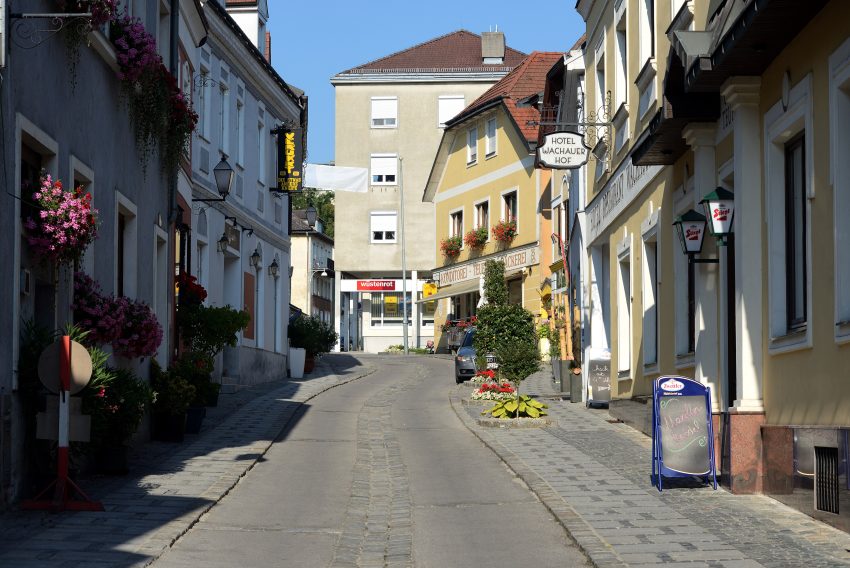
Location: Wr. Str., 3390 Melk, Austria | Hours: 24 Hours. | Price: Free. | Distance: 1.1km
2. Stiftspark
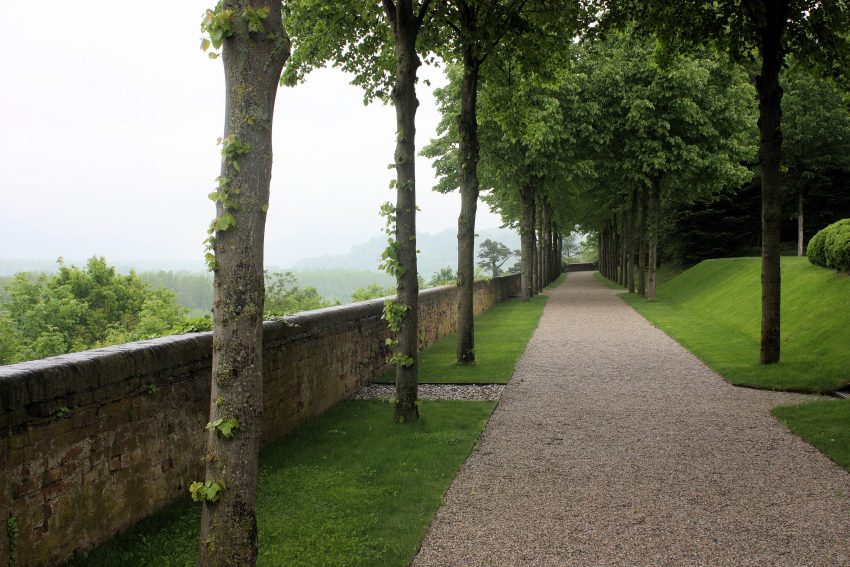
Location: Abt-Berthold-Dietmayr-Straße 3, 3390 Melk, Austria | Hours: (Summer) March 28 – March 31 & October 25 – October 31: Daily: 09:00–17:00; April 1 – October 24: Daily: 09:00–18:00. | Price: Adults: €5.50; Pupils/Students: €4.00; Children (6–16): €1.50. | Website | Distance: 1.2km

3. Barockgarten mit Pavillon
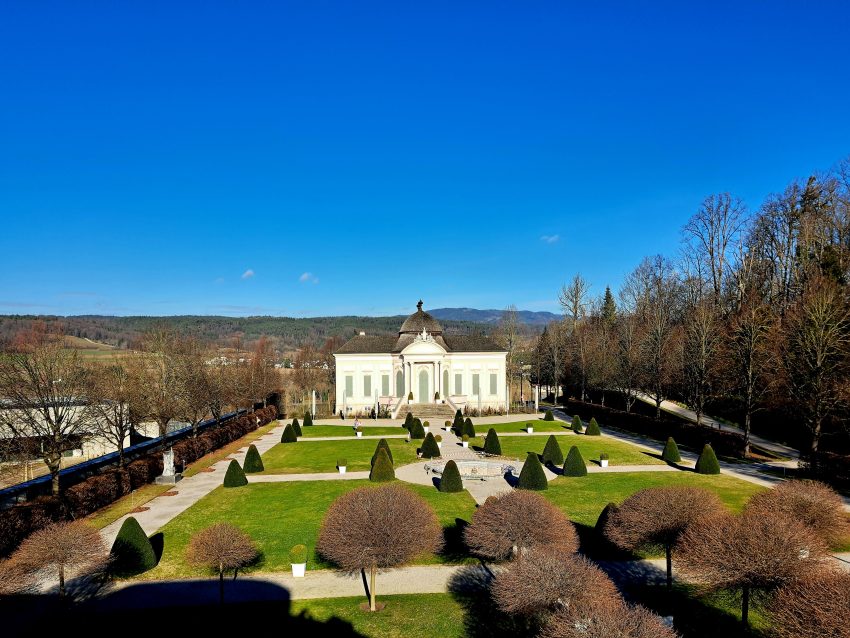
Location: Abt-Berthold-Dietmayr-Straße 1, 3390 Melk, Austria | Hours: (Summer) April 1 – October 31; (Winter) November 1 – March 31. | Price: Adults: €5.50; Pupils/students: €4.00; Children (6–16): €1.50 (Abbey Park only). | Website | Distance: 1.3km
4. Melk Abbey
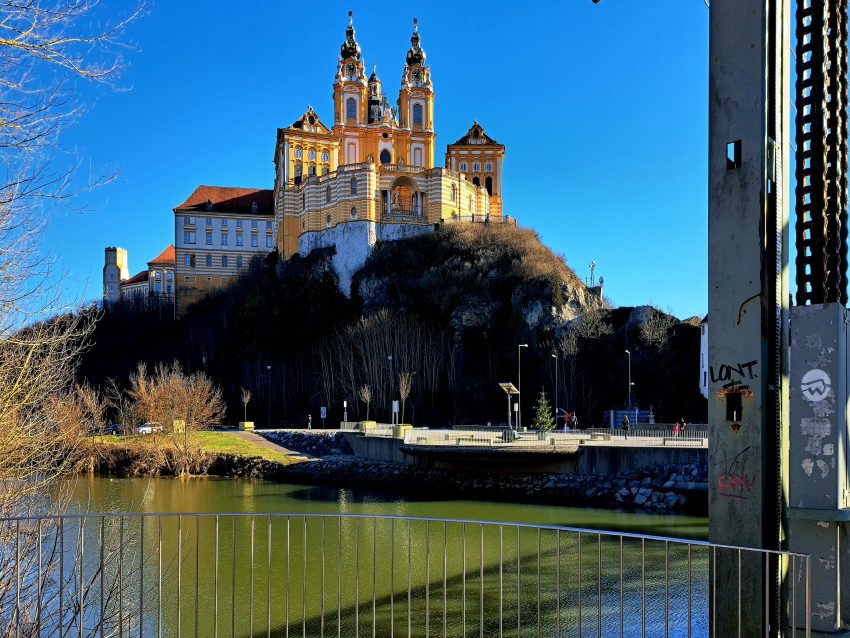
Location: Stiftsstr. 1, 3390 Melk, Austria | Hours: March 1 – March 27, 2026: Monday – Friday: Guided tours only at 11:00, 13:30 & 15:00; Saturday – Sunday: 10:00–16:30 (last admission 16:00). March 28 – November 1, 2026: March 28 – March 31 & November 1: 09:00–16:30 (last admission 16:00); April 1 – October 31: 09:00–17:30 (last admission 17:00). | Price: Adults: €16; Pupils & students (up to 27, with ID): €8; Family ticket (parents with child/ren up to 16): €32; Guided tour supplement: €4. | Website | Distance: 1.3km
5. Lebzelterhaus
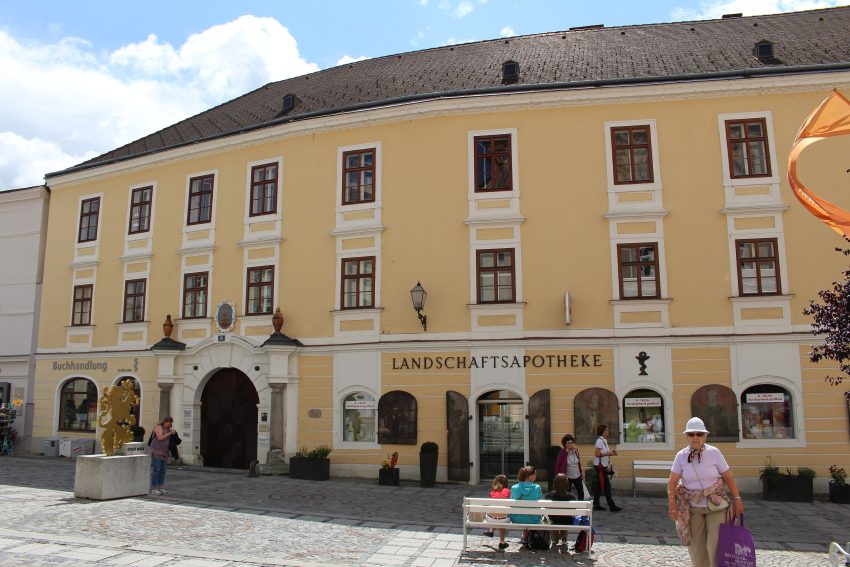
Location: Abt Karl-Straße 27a, 3390 Melk, Austria | Hours: Monday – Friday: 08:00–18:00. Saturday: 08:00–12:00. Closed on Sunday. | Price: Check official website. | Website | Distance: 1.4km
6. Town Hall
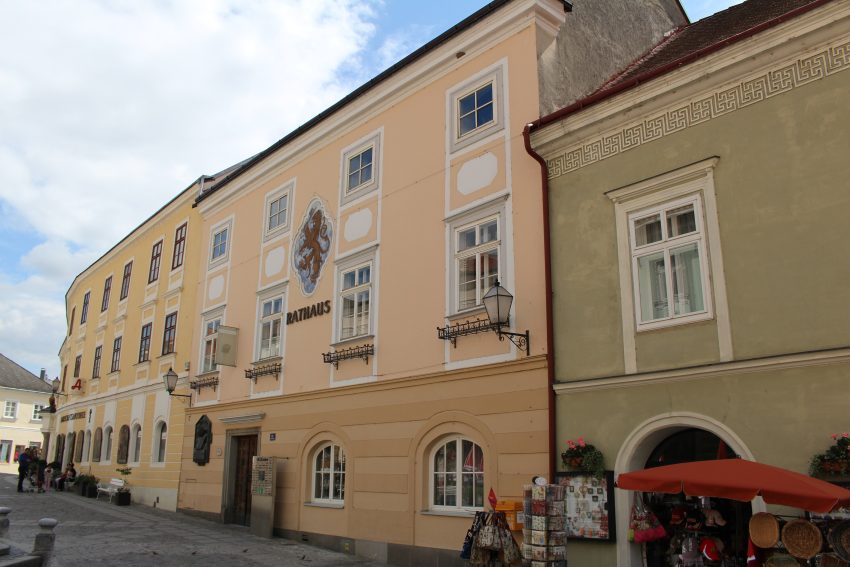
Location: Rathauspl. 11, 3390 Melk, Austria | Hours: Monday: 08:00–12:00 & 14:00–18:00. Tuesday: Closed. Wednesday: 08:00–12:00. Thursday: 08:00–12:00 & 13:30–15:00. Friday: 08:00–12:00. Saturday: Closed. Sunday: Closed. | Price: Free. | Website | Distance: 1.4km
7. St. Johannes Nepomuk Statue
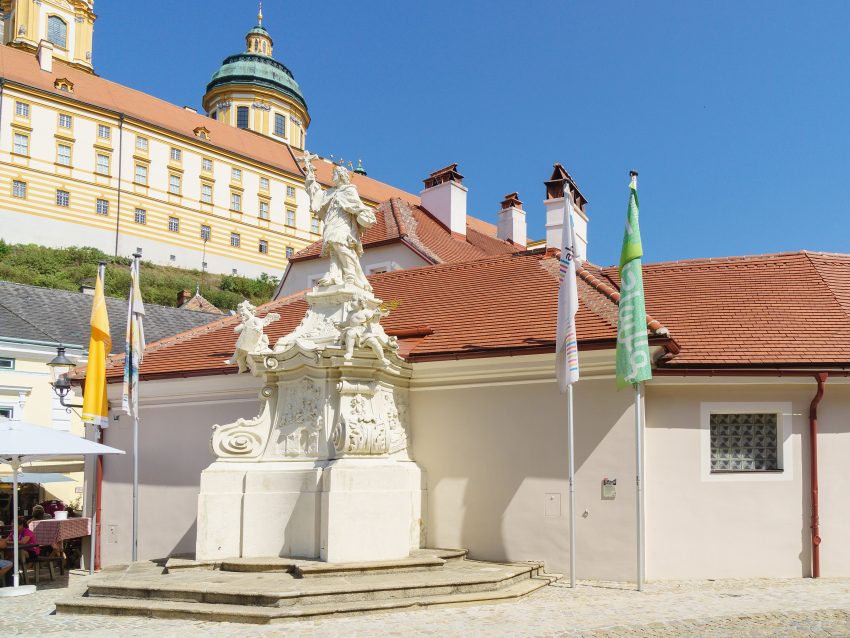
Location: Hauptstraße 2, 3390 Melk, Austria | Hours: 24 Hours. | Price: Free. | Distance: 1.5km
8. Mariä-Himmelfahrt-Kirche
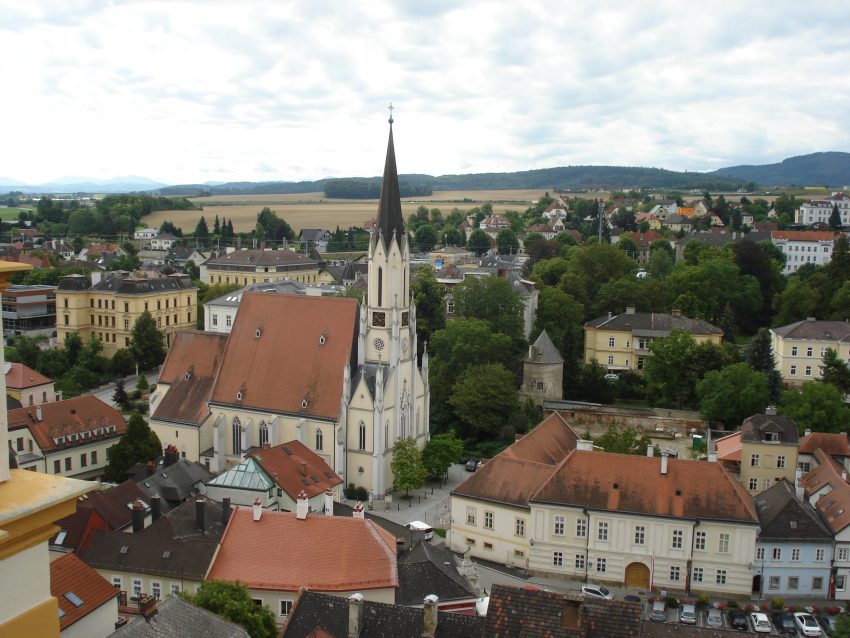
Location: Kirchenpl. 10, 3390 Melk, Austria | Hours: Daily: 08:00–18:00. | Price: Free; donations appreciated. | Website | Distance: 1.5km
9. Hauptstraße
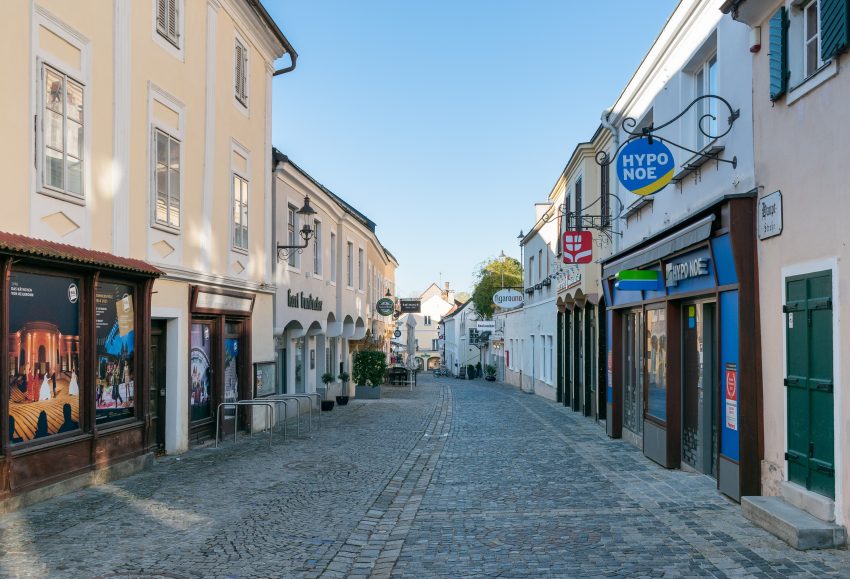
Location: Hauptstraße, 3390 Melk, Austria | Hours: 24 Hours. | Price: Free. | Distance: 1.5km
10. Altes Posthaus
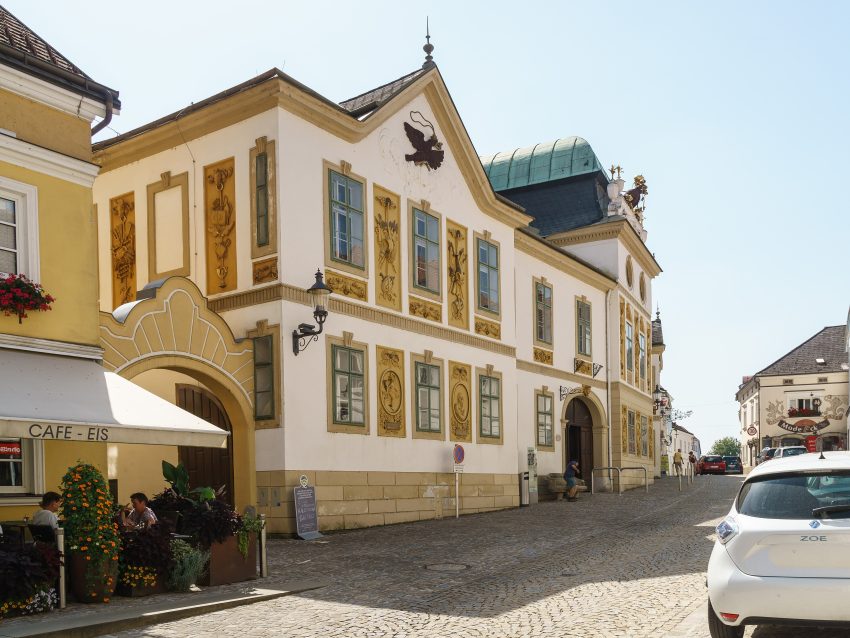
Location: Linzer Str. 3, 3390 Melk, Austria | Hours: 24 Hours. | Price: Free. | Distance: 1.6km
11. Stadtpark
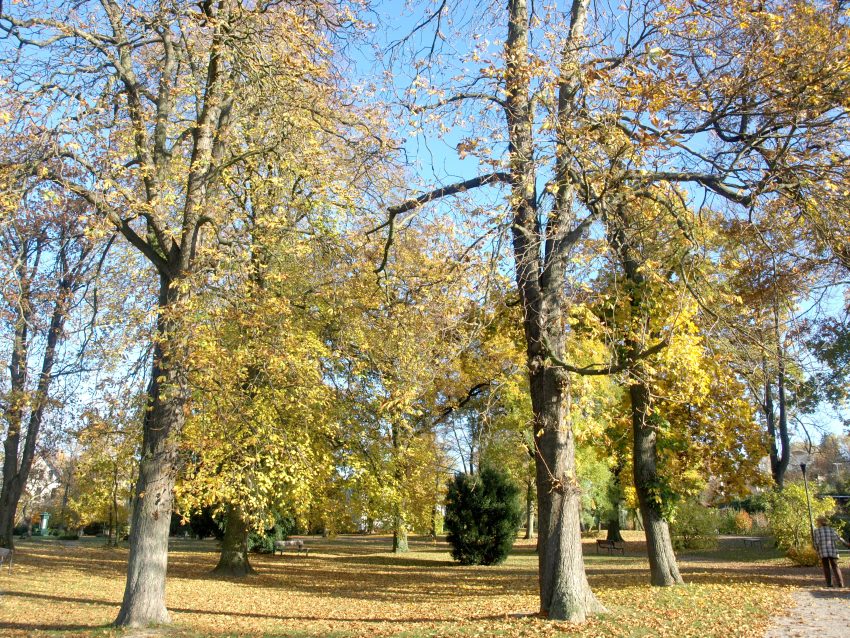
Location: Abt Karl-Straße 4, 3390 Melk, Austria | Hours: 24 Hours. | Price: Free. | Website | Distance: 1.6km
12. Historisches Wetterhäuschen
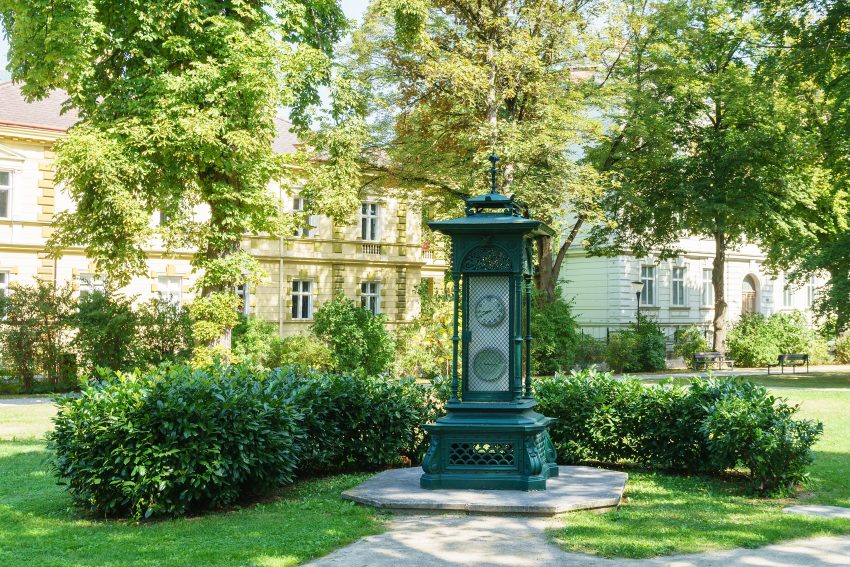
Location: 3340 Waidhofen an der Ybbs, Austria | Hours: 24 Hours. | Price: Free. | Distance: 1.6km
13. Hauptplatz
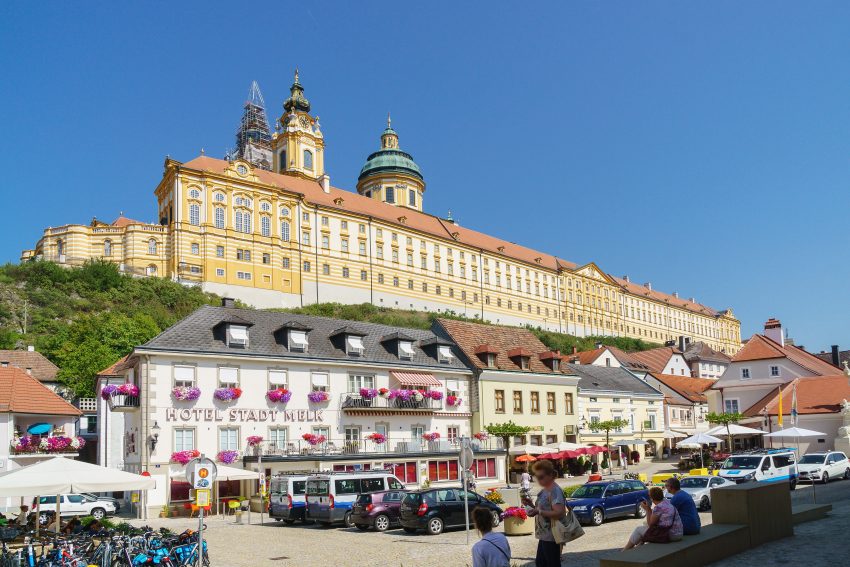
Location: Hauptpl., 3390 Melk, Austria | Hours: 24 Hours. | Price: Free. | Distance: 1.6km
14. Restaurant and Hotel Zur Post
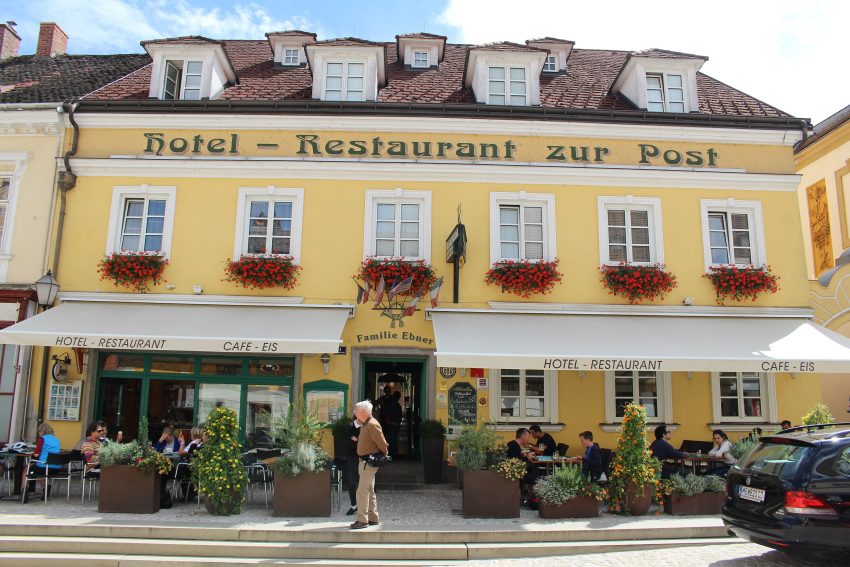
Location: Linzer Str. 1, 3390 Melk, Austria | Hours: Monday: Closed. Tuesday – Saturday: 11:30–14:00 & 14:00–18:00 & 18:00–21:00. Sunday: 11:30–15:00. | Price: Free. | Website | Distance: 1.6km
15. Melk Lift Bridge
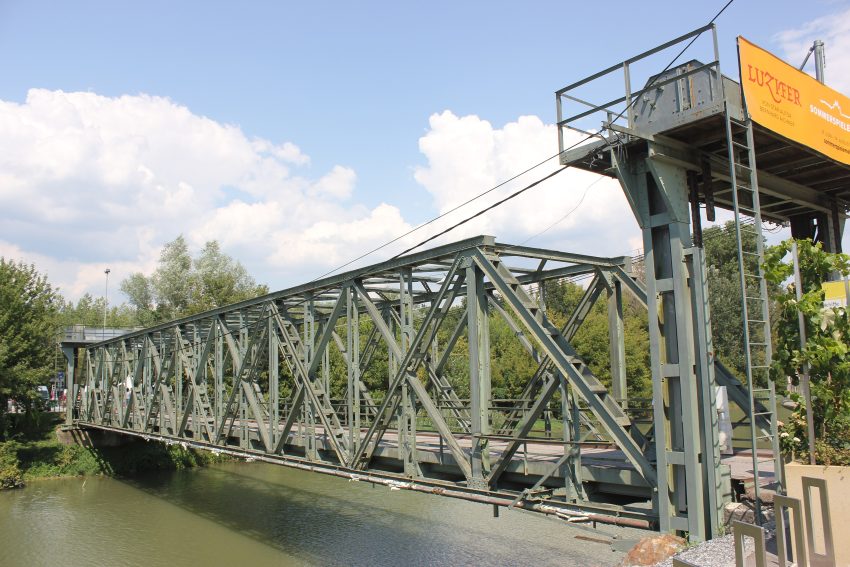
Location: St. Leopold Brücke, Rollfährestraße, 3390 Melk, Austria | Hours: 24 Hours | Price: Free | Distance: 1.7km
Best Day Trips from Melk
A day trip from Melk offers the perfect opportunity to escape the urban rhythm and discover the surrounding region's charm. Whether you're drawn to scenic countryside, historic villages, or cultural landmarks, the area around Melk provides a variety of easy-to-reach destinations ideal for a one-day itinerary. If you are looking to rent a car in Austria I recommend having a look at Discover Cars, first, as they compare prices and review multiple car rental agencies for you.
1. Vienna
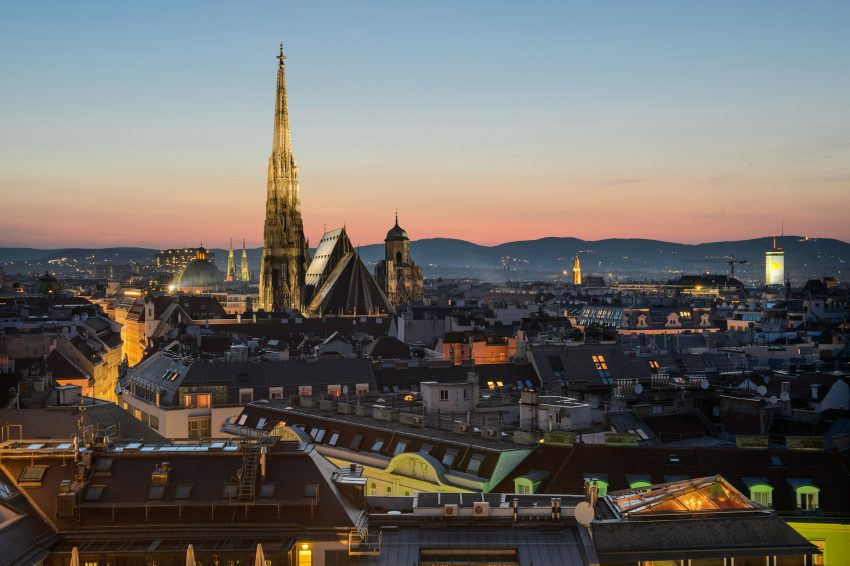
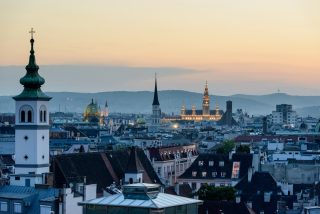
Visiting Vienna
2. Linz
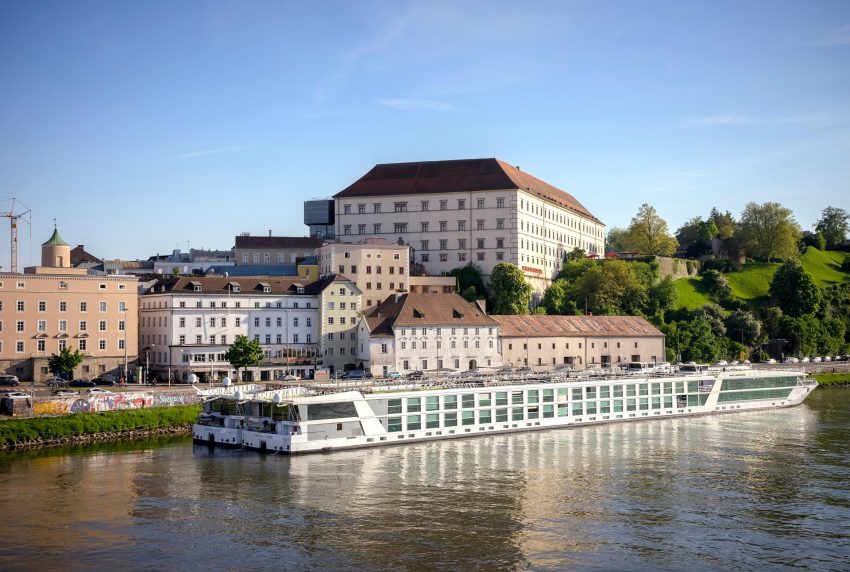
Visiting Linz
3. Český Krumlov
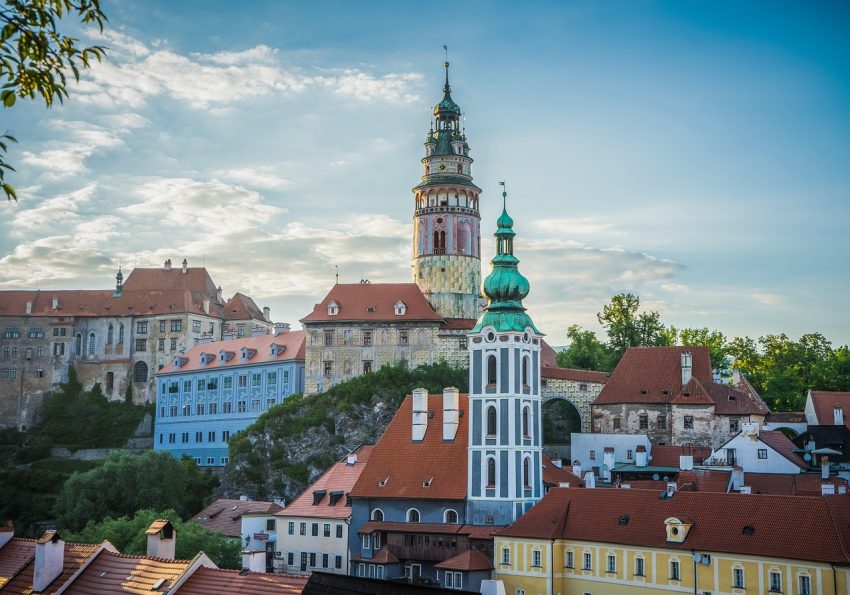
Visiting Český Krumlov
4. Mikulov

Visiting Mikulov
5. Graz
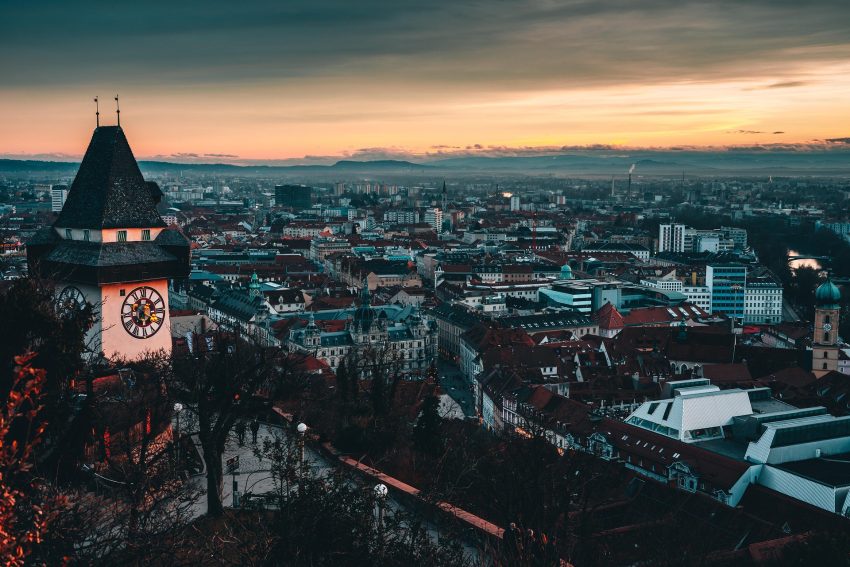
Visiting Graz
6. Brno

Visiting Brno
7. Hallstatt
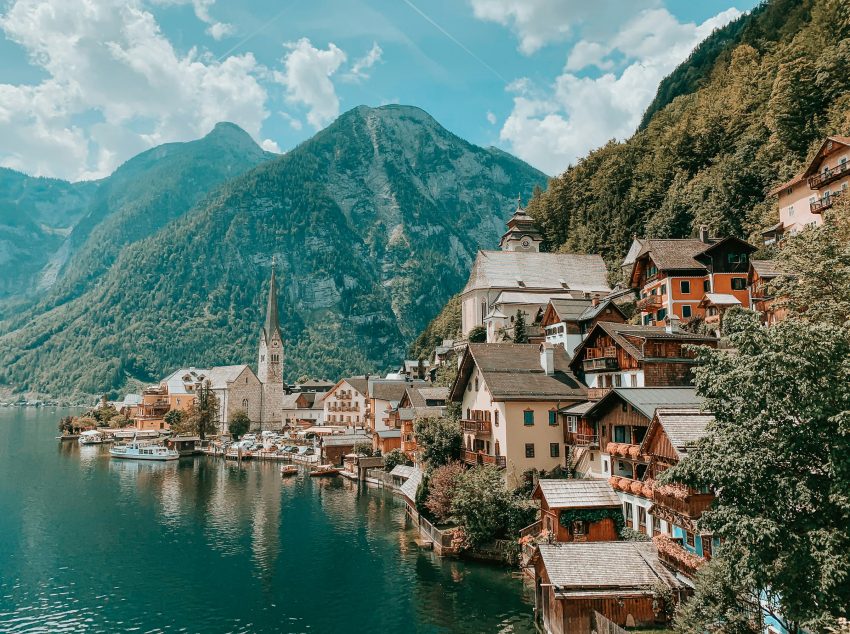
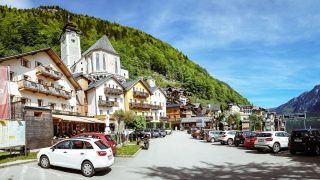
Visiting Hallstatt
Where to Stay in Melk
For Melk, the best place to stay is in or just beside the old town, where you can walk to the abbey, restaurants, the riverside, and the train station without needing a car. This area is ideal if you’re doing a Danube itinerary by rail or want to enjoy early and late hours when day-trippers are gone. A reliable, comfortable choice close to the center is Hotel Stadt Melk, which suits travelers who want to be steps from cafés and the main square. If you prefer a more classic, slightly quieter setting with easy access to both the town and onward routes, Wachauerhof Melk is well placed and convenient for short stays and day trips. For a more modern, practical stop—especially if you’re arriving by car and want straightforward logistics—Hotel-Restaurant zur Post can be a good fit, offering an easy base for exploring the surrounding area while still keeping you close to the core sights.
Using the our Hotel and Accomodation map, you can compare hotels and short-term rental accommodations in Melk. Simply insert your travel dates and group size, and you’ll see the best deals for your stay.
Melk Accommodation Map
Best Time to Visit Melk
Spring in Melk (March–May)
Spring is a fresh, scenic time to visit Melk as the Danube Valley greens up and outdoor walks become comfortable again. Days can vary from crisp to mild, so layers are useful, but it’s ideal for sightseeing without peak-summer crowds.
Summer in Melk (June–August)
Summer brings the warmest weather and the longest days, which suit river cruises, cycling, and late-evening strolls. It’s also the busiest period, so booking accommodation ahead is wise. Seasonal concerts and cultural programming are often a highlight in this time of year.
Autumn in Melk (September–November) (Best)
Autumn is often the most rewarding season for Melk: comfortable temperatures, golden vineyard colors in the wider Wachau, and a calmer pace after summer. Harvest season can bring wine-focused events in the region, making it a great time for tastings and day trips.
Winter in Melk (December–February)
Winter is quieter and can be cold, with shorter daylight hours, but it offers a more local feel and fewer tour groups. Advent and Christmas-market season in the wider area can be a highlight if you enjoy festive lights, seasonal food, and cozy indoor sightseeing.
Annual Weather Overview
- January 2°C 40°F
- February 7°C 48°F
- March 10°C 54°F
- April 17°C 66°F
- May 18°C 69°F
- June 23°C 78°F
- July 24°C 79°F
- August 25°C 81°F
- September 21°C 74°F
- October 15°C 62°F
- November 8°C 50°F
- December 5°C 44°F
How to get to Melk
Getting to Melk by air
Nearest airports: Vienna International Airport (VIE) is the most convenient major airport for most travelers.
From the airport to Melk: Take rail connections from the airport into Vienna’s main rail network, then continue by train to Melk. For timetables and tickets, use ÖBB (Austrian Federal Railways): https://www.oebb.at/en/
Getting to Melk by train
Main operator: ÖBB runs frequent services on key routes that connect well with regional lines.
Planning and tickets: ÖBB journey planner and online tickets: https://www.oebb.at/en/
International rail options: If you’re combining countries, you can also compare routes via Deutsche Bahn: https://www.bahn.com/en
Getting to Melk by Car
Driving notes: Melk is straightforward to reach by motorway and regional roads, making it convenient for a Danube Valley road trip. Expect easier parking outside the busiest summer hours, and check whether your accommodation offers reserved spaces. If you’re continuing into the Wachau, consider leaving the car parked and using boats, bikes, or local transport for the most relaxing experience. If you are looking to rent a car in Austria I recommend having a look at Discover Cars, first, as they compare prices and review multiple car rental agencies for you.
Travelling around Melk
On foot: The center is compact and walkable, with most key sights reachable without transport.
By train for day trips: Use ÖBB for nearby towns and connections: https://www.oebb.at/en/
By bus (regional connections): For regional bus routes and planning, check Niederösterreich public transport information: https://www.vor.at/
By bike: The Danube cycle path makes cycling a practical way to explore nearby riverside stretches and villages in good weather.