Hvar, Croatia: The Ultimate Travel Guide 2026
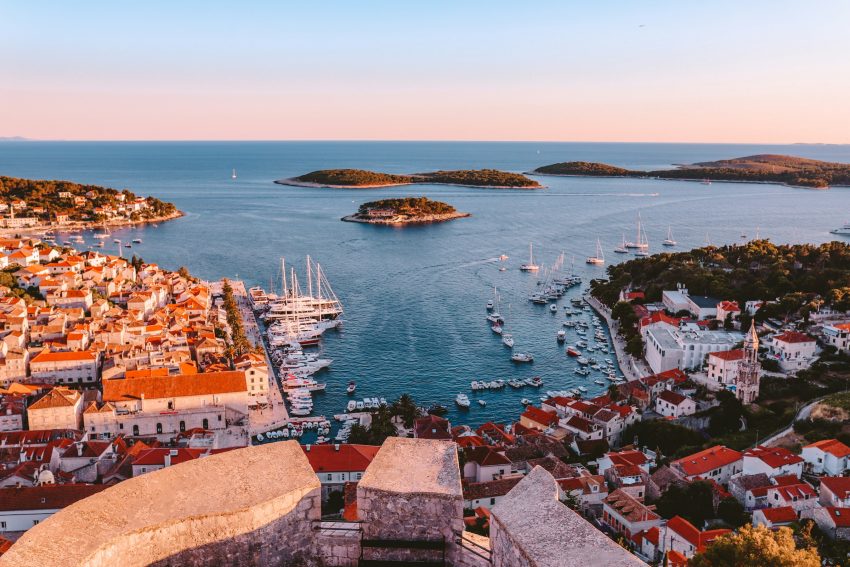
Hvar is a sun-soaked island town in Croatia's Dalmatia region, known for its polished waterfront, honey-colored stone streets, and a social scene that shifts effortlessly from lazy café mornings to lively evenings. The old town is compact and walkable, with viewpoints, small museums, and a harbor lined with boats that make it feel both historic and effortlessly modern. If you like destinations where you can swim before lunch, browse boutiques after, and still catch a sunset from a fortress above town, Hvar fits perfectly.
Beyond the promenade, Hvar rewards slow exploration. You can slip into quiet lanes for local wine bars, find shaded terraces for long seafood lunches, or take short rides to coves where the water turns bright turquoise over pale rock. The pace is easy: a few hours of sightseeing, a few hours of sea, then back to town for dinner and people-watching along the riva.
Hvar also works well as a base for day trips around the island and nearby islets. Within a short boat ride you can reach the Pakleni Islands for beach-hopping, while inland roads lead to lavender fields (seasonal), stone villages, and family-run wineries. It's a place that can be glamorous or low-key depending on how you plan your days-either way, the scenery does most of the work.
History of Hvar
Hvar in Prehistory and Illyrian Times
Long before written records, the island saw early settlement tied to seafaring routes across the Adriatic. Archaeological traces point to communities that used sheltered bays and elevated ground for safety and trade. In later pre-Roman centuries, Illyrian groups were active in the wider region, shaping patterns of coastal movement and exchange.
Hvar in the Greek Era (Pharos and Early Urban Planning)
In the 4th century BCE, Greek colonists founded Pharos (modern Stari Grad), introducing organized agriculture and a planned field system that became one of the most enduring landscapes in the Mediterranean. This period strengthened maritime commerce and left a legacy of structured land use that influenced settlement and wealth across the island.
Hvar under Roman Rule
Roman administration integrated the island into imperial trade networks, encouraging villa economies, olive and wine production, and improved maritime infrastructure. Coastal estates and small ports supported a steady flow of goods, while Roman cultural influence spread through language, law, and building traditions.
Hvar in the Early Medieval Period
After the Western Roman Empire’s decline, control and influence shifted among regional powers. Christianity became more established, and communities adapted to changing security conditions along the Adriatic. Fortified sites and ecclesiastical institutions increasingly shaped local life.
Hvar under Venetian Influence (A Maritime Golden Age)
From the late Middle Ages into the early modern era, Venetian power brought long periods of maritime-oriented governance. Hvar developed as an important harbor town with shipbuilding, trade, and civic architecture that still defines its historic core. Wealth from the sea helped fund churches, public buildings, and cultural life.
Hvar in the 16th–18th Centuries (Conflict, Fortification, and Recovery)
This era included episodes of conflict and piracy risk in the Adriatic, prompting stronger defenses and the reinforcement of strategic positions. Despite disruptions, the town’s institutions and economy persisted, supported by agriculture, fishing, and regional commerce.
Hvar in the 19th Century (Modern Administration and Cultural Growth)
As political control shifted in the Adriatic world, Hvar experienced administrative reforms and new economic currents. Cultural societies, education, and a growing civic identity became more visible, while maritime activity remained central to livelihoods.
Hvar in the 20th Century to Today
The 20th century brought major political changes, wartime pressures, and postwar restructuring, followed by a strong turn toward tourism. In recent decades, Hvar has become internationally recognized for heritage, sailing culture, and hospitality, balancing preservation with the demands of a global visitor economy.

Moira & Andy
Hey! We're Moira & Andy. From hiking the Camino to trips around Europe in Bert our campervan — we've been traveling together since retirement in 2020!
Visiting Hvar for the first time and wondering what are the top places to see in the city? In this complete guide, I share the best things to do in Hvar on the first visit. To help you plan your trip, I have also included an interactive map and practical tips for visiting!
This website uses affiliate links which earn a small commission at no additional cost to you.
7 Best places to See in Hvar
This complete guide to Hvar not only tells you about the very best sights and tourist attractions for first-time visitors to the city but also provide insights into a few of our personal favorite things to do.
This is a practical guide to visiting the best places to see in Hvar and is filled with tips and info that should answer all your questions!
1. Hvar Cathedral
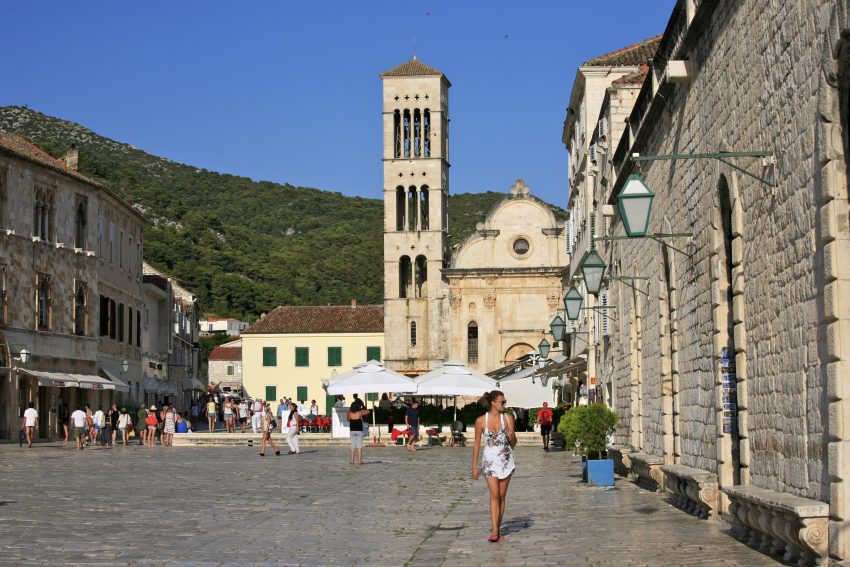
Location: Trg svetog Stjepana 26, 21450, Hvar, Croatia | Hours: Monday – Saturday: 09:30–12:30 & 16:30–19:30. Sunday: Closed. | Price: €2. | Website | Distance: 0.1km

2. Trg Sv Stjepana
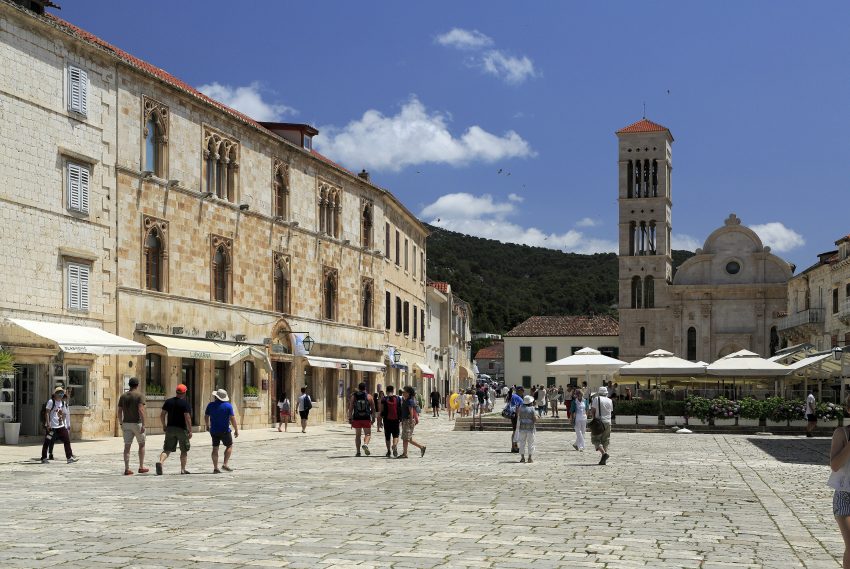
Location: Trg Sv. Stjepana, 21450, Hvar, Croatia | Hours: 24 Hours. | Price: Free. | Distance: 0.2km
3. Venetian Loggia and Clock Tower
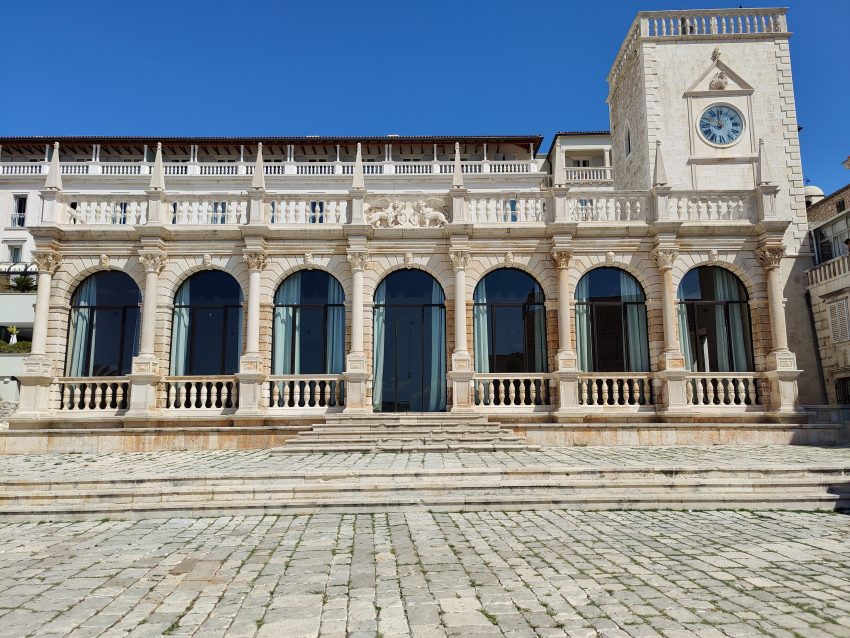
Location: Trg Sv. Stjepana 6, 21450, Hvar, Croatia | Hours: Daily: 10:00–21:00. | Price: Adults: €4; Combined ticket (selected sites): €15. | Website | Distance: 0.3km
4. Hvar Arsenal
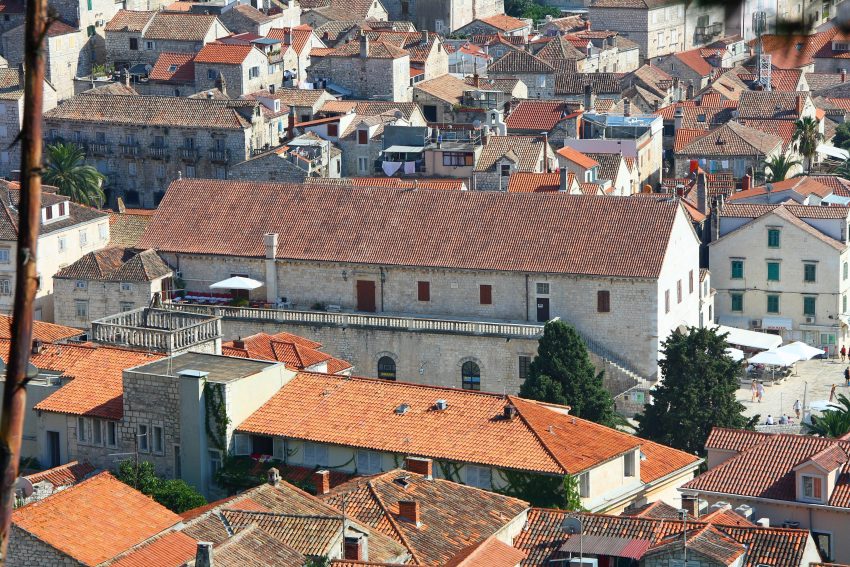
Location: Obala, Riva 1, 21450, Hvar, Croatia | Hours: Daily: 10:00–21:00. | Price: Adults: €10. | Website | Distance: 0.3km
5. Hvar Harbour
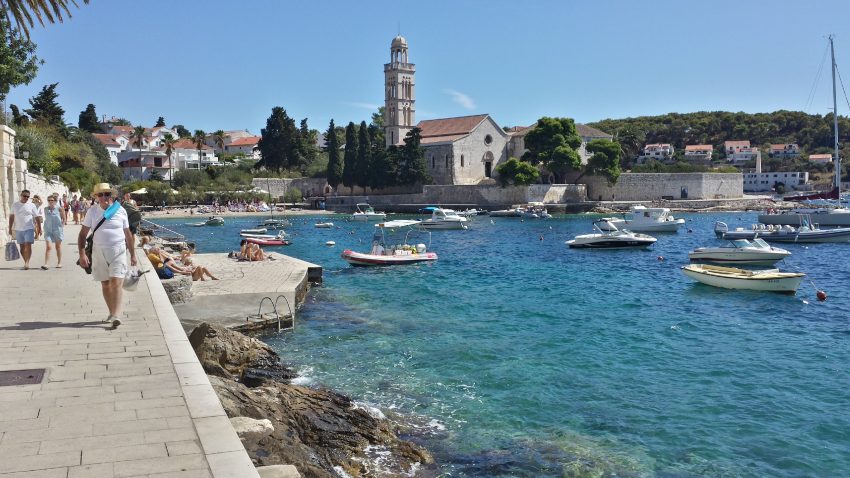
Location: Riva 7, 21450, Hvar, Croatia | Hours: 24 Hours. | Price: Free. | Distance: 0.3km
6. Fortress Fortica
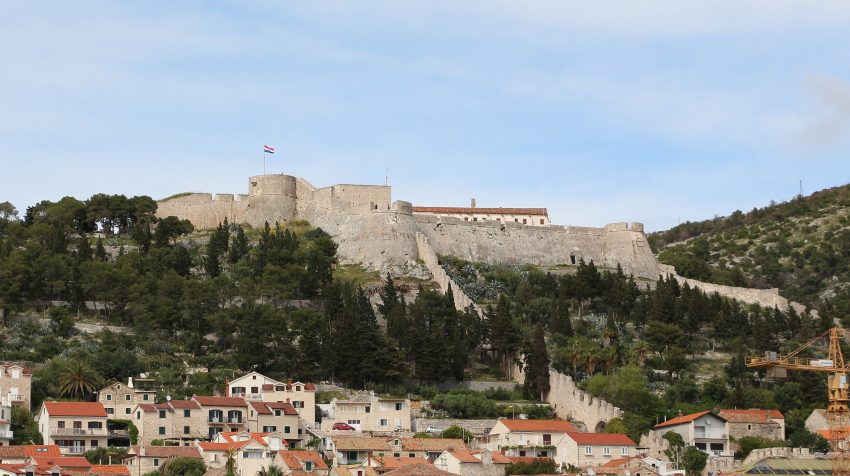
Location: Ul. Biskupa Jurja Dubokovica 80, 21450, Hvar, Croatia | Hours: Daily: 09:00–19:00. | Price: Adults: €12; Children (7–18), Students & Seniors: €8; Under 7: free. | Website | Distance: 0.4km
7. Franciscan Monastery
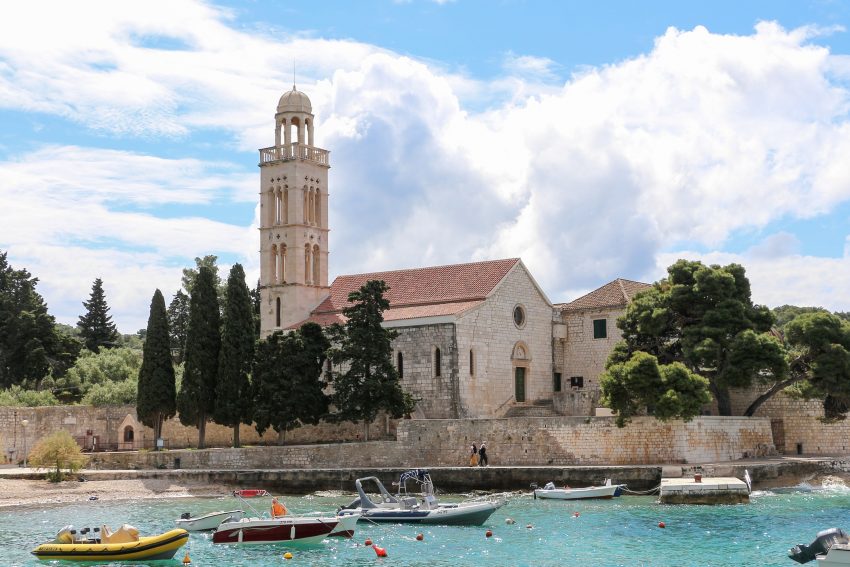
Location: Šetalište put Križa, 21450, Hvar, Croatia | Hours: Monday – Saturday: 09:00–15:00 & 17:00–19:00. Sunday: Closed. | Price: €7. | Distance: 0.5km
Best Day Trips from Hvar
A day trip from Hvar offers the perfect opportunity to escape the urban rhythm and discover the surrounding region's charm. Whether you're drawn to scenic countryside, historic villages, or cultural landmarks, the area around Hvar provides a variety of easy-to-reach destinations ideal for a one-day itinerary.
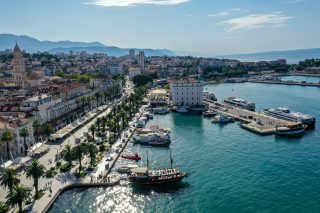
1. Split
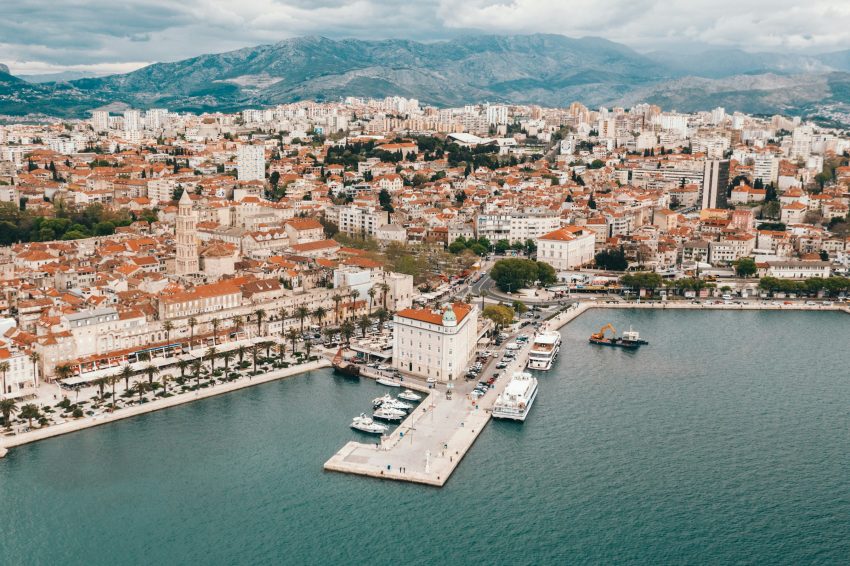
Visiting Split
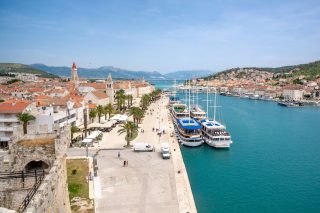
2. Trogir
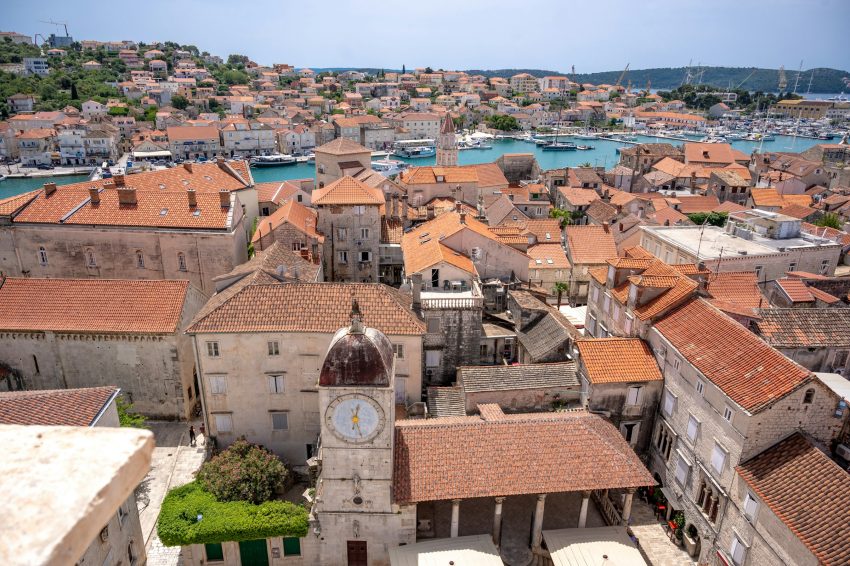
Visiting Trogir
3. Korcula
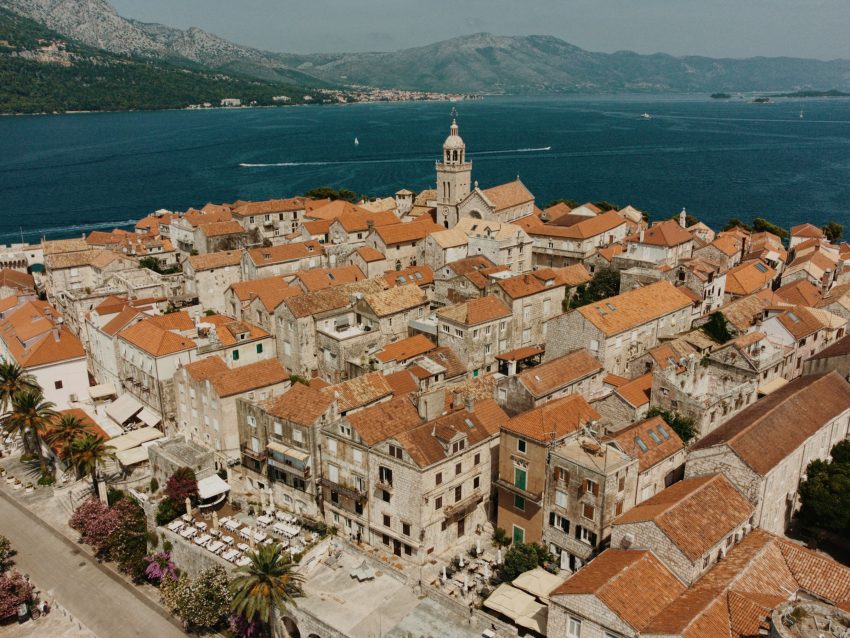
Visiting Korcula
4. Zadar
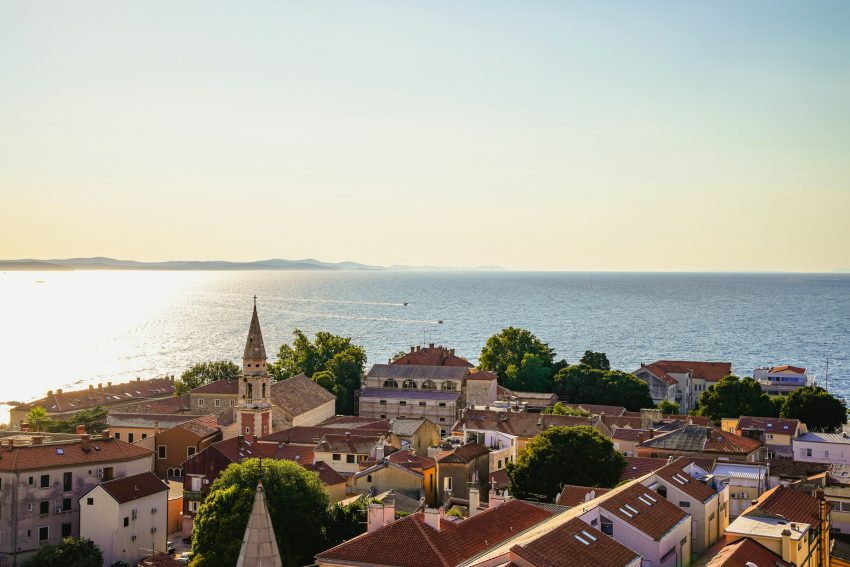
Visiting Zadar
5. Dubrovnik
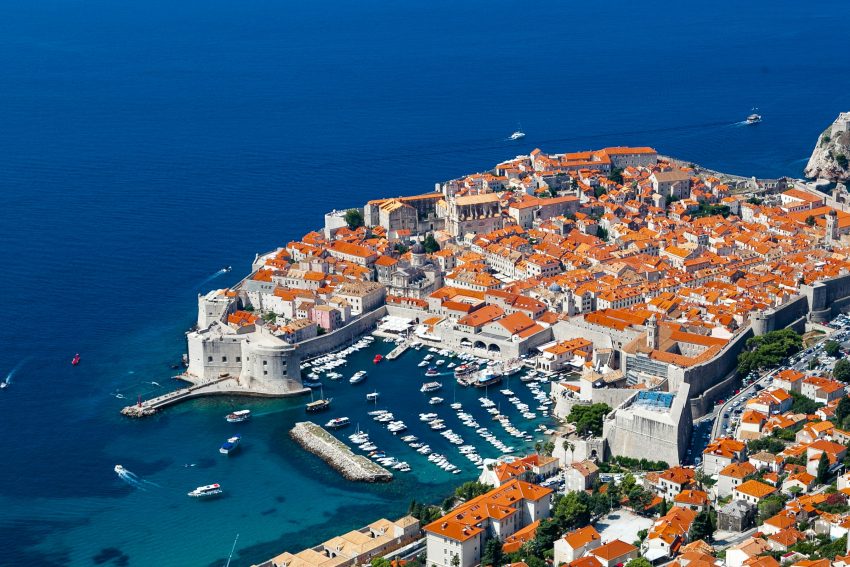
Visiting Dubrovnik
Where to Stay in Hvar
For Hvar, the best area to stay depends on whether you want harbor energy or a quieter base. If you want to be steps from the promenade, restaurants, and boat departures to the Pakleni Islands, stay near the Old Town and waterfront; it’s the most convenient for first-timers and anyone planning day trips by sea. A strong choice here is Adriana Hvar Spa Hotel, which suits travelers who want a central location with a polished feel and spa facilities for recovery after beach days and late nights. For a more classic, upscale stay with a sense of occasion close to the center, Palace Elisabeth, hvar heritage hotel is ideal because it places you right on the main square, making early-morning walks and evening dining effortless.
If you prefer a calmer atmosphere with easy access to swimming spots and a slightly more resort-like setting, look toward the areas just outside the busiest core, where you can still walk into town but sleep away from the loudest late-night streets. Amfora Hvar Grand Beach Resort works well for travelers who prioritize pool time, beach proximity, and a relaxed holiday rhythm while keeping the Old Town within an easy stroll. For a boutique feel with a quieter, more intimate vibe, Hotel Moeesy, Blue & Green Oasis is a good pick because it’s positioned for a more peaceful stay while still being close enough to dip into town whenever you want.
Using the our Hotel and Accomodation map, you can compare hotels and short-term rental accommodations in Hvar. Simply insert your travel dates and group size, and you’ll see the best deals for your stay.
Hvar Accommodation Map
Best Time to Visit Hvar
Hvar in Spring (March–May)
Spring is one of the most pleasant times to visit for walking the old town, hiking up to viewpoints, and taking early-season boat trips without peak crowds. Days warm steadily, evenings can still be cool, and the island feels fresh and green. It’s a great season for a calmer, more local rhythm with plenty of outdoor dining as temperatures rise.
Hvar in Summer (June–August) (Best)
Summer delivers the classic Hvar experience: hot, bright days for swimming and beach-hopping, and long evenings for waterfront dinners and nightlife. This is also when the town is at its most energetic, with frequent events and a party atmosphere that can run late. If festivals are a highlight for you, summer is typically when the biggest cultural and music programming appears, alongside the busiest sailing calendar.
Hvar in Autumn (September–November)
Early autumn keeps the sea warm while easing the crowds, making it ideal for boat excursions to nearby islets and relaxed afternoons in coves. September often feels like a softer version of summer—still lively, but less intense. As the season progresses, some tours and venues reduce hours, but the town remains enjoyable for food, wine, and scenic walks.
Hvar in Winter (December–February)
Winter is quiet and atmospheric, suited to travelers who prefer empty lanes, local cafés, and a slower pace. Expect cooler temperatures, more variable weather, and limited boat services compared with summer. Many seasonal businesses close or operate reduced hours, but you’ll see a more everyday side of the town.
Annual Weather Overview
- January 11°C 56°F
- February 12°C 58°F
- March 13°C 60°F
- April 16°C 65°F
- May 20°C 73°F
- June 25°C 81°F
- July 28°C 86°F
- August 27°C 85°F
- September 24°C 79°F
- October 20°C 71°F
- November 16°C 64°F
- December 13°C 59°F
How to get to Hvar
Getting to Hvar by air
Nearest airports: Split Airport (SPU) is the most common gateway; Dubrovnik Airport (DBV) can also work if you're combining destinations.
From Split Airport to the ferry: Travel to Split ferry port, then take a catamaran or car ferry connection (depending on your route) onward to the island.
From Dubrovnik Airport to the ferry: Continue to Dubrovnik port for seasonal fast catamarans, or travel overland to Split for more frequent options.
Getting to Hvar by train
Croatia's rail network is useful for reaching Split from some inland cities, after which you continue by ferry/catamaran.
Train operators (links): HŽ Putnički prijevoz (Croatian Railways) https://www.hzpp.hr/en and international planning via ÖBB https://www.oebb.at/en.
Typical approach: Take a train to Split station, walk or taxi to the nearby ferry port, then connect onward by sea.
Getting to Hvar by Car
Driving is practical if you want flexibility for exploring the coast and inland Croatia before heading to the island.
Route planning: Drive to Split ferry port (or other suitable ports depending on season), then take a car ferry to the island and continue by road to the town.
Parking: In peak months, parking near the waterfront can be limited; consider accommodations with parking or use designated lots and walk into the center.
Travelling around Hvar
On foot: The old town is best explored walking; expect stone steps and polished surfaces.
By scooter/quad/car: Good for reaching beaches and inland villages; drive carefully on narrow roads.
By taxi boat/boat tours: The easiest way to reach the Pakleni Islands and nearby coves.
By local bus/taxi: Useful for some routes, though schedules can be limited outside summer.