Hoi An, Vietnam: The Ultimate Travel Guide 2026
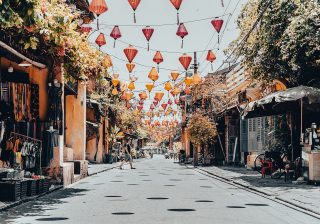
Visiting Hoi An in Vietnam is like stepping back in time. This UNESCO World Heritage site is renowned for its well-preserved Ancient Town, where traditional wooden houses, lantern-lit streets, and historic temples create a picturesque and enchanting atmosphere. Walking through the narrow lanes, you can explore bustling markets, charming cafes, and artisanal shops selling everything from tailor-made clothing to intricate lanterns. The Japanese Covered Bridge, a symbol of Hoi An, is a must-see, showcasing the town's rich cultural heritage. The blend of Chinese, Japanese, and French architectural influences reflects Hoi An's historical significance as a major trading port from the 15th to the 19th century.
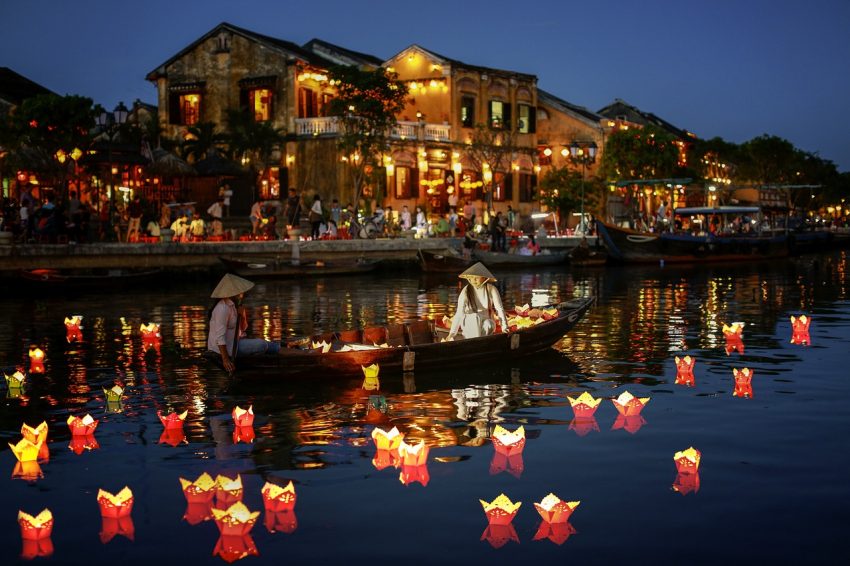
Beyond its historical allure, Hoi An offers a vibrant culinary scene that is not to be missed. The town is famous for its local delicacies such as cao lầu, a savory noodle dish, and bánh mì, a Vietnamese baguette sandwich. Cooking classes are popular among visitors, providing an opportunity to learn how to prepare traditional Vietnamese dishes using fresh ingredients from the local markets. In the evenings, the town comes alive with colorful lanterns illuminating the streets and the Thu Bon River, creating a magical ambiance. Whether you're exploring the ancient architecture, enjoying the local cuisine, or simply soaking in the serene beauty of the lantern-lit streets, Hoi An offers a unique and unforgettable travel experience.
How to Buy and Use the Hoi An Old Town Ticket
Buying and using the Hoi An Old Town ticket is a straightforward process, though first-time visitors are often unsure how it works. The ticket costs 120,000 VND and can be purchased at any of the small yellow ticket booths located around the edges of the Old Town. Once bought, it's valid for 10 days and grants access to all Old Town streets plus your choice of five attractions out of the 22 UNESCO-listed sites, including historic houses, assembly halls, temples, and museums. You'll also receive a simple map showing where each attraction is located, making it easier to plan your visits.
In practice, you won't be asked to show the ticket when simply walking into the Old Town, but you will need it to enter the designated heritage attractions. Each time you visit one, staff will remove one of the five stubs from your ticket. If you decide you want to see more than five sites, you can buy an additional ticket. It's important to keep the ticket with you at all times-forgetting it at your hotel means you'll be turned away from the major sights. Overall, the system is easy to navigate and ensures you experience the cultural highlights that make Hoi An such a memorable place to explore.
Table of Contents
- How to Buy and Use the Hoi An Old Town Ticket
- History of Hoi An
- 19 Best places to See in Hoi An
- Trieu Chau Assembly Hall
- Hainan Assembly Hall
- Quan Cong Temple
- Fujian Assembly Hall
- Trung Hoa Assembly Hall
- Museum of History and Culture
- Tran Family Chapel
- Museum of Trade Ceramics
- Duc An Ancient House
- Ancient House of Tan Ky
- Ba Mu Temple
- Phap Bao Temple
- Museum of Sa Huỳnh Culture
- Phung Hung Ancient House
- Cantonese Assembly Hall
- Japanese Covered Bridge
- Cam Pho Temple
- Confucian Temple
- An Bang Beach
- 2 Best Day Trips from Hoi An
- Where to Stay in Hoi An
- Best Time to Visit Hoi An
- How to get to Hoi An
History of Hoi An
Early History of Hoi An
Hoi An’s history dates back to the 2nd century BC when it was part of the ancient Champa Kingdom. This kingdom was a major player in the spice trade, and Hoi An, then known as Lam Ap Pho, was a bustling port city. The town’s strategic location along the Thu Bon River made it an ideal spot for maritime trade.
Hoi An During the Dai Viet Period
In the 15th century, Hoi An came under the control of the Dai Viet, the predecessor state of modern Vietnam. The town flourished as a commercial hub under the Nguyen Lords, who governed the region from the late 16th to the early 19th centuries. Hoi An became one of Southeast Asia’s most important trading ports, attracting merchants from China, Japan, India, and Europe.
The Golden Age of Hoi An
The 16th to the 18th centuries marked the golden age of Hoi An. During this period, the town was a melting pot of cultures, with a significant presence of Japanese, Chinese, and European traders. The Japanese Covered Bridge, built in the 1590s, and the Chinese Assembly Halls are remnants of this diverse and prosperous era. Hoi An’s architecture reflects this cultural blend, with a mix of wooden houses, French colonial buildings, and Chinese temples.
Decline and Preservation of Hoi An
Hoi An’s decline began in the late 18th century when the Thu Bon River silted up, making it difficult for large ships to navigate. The rise of nearby Da Nang as a major port further contributed to Hoi An’s economic downturn. However, this decline helped preserve the town’s historical architecture and charm. In the 20th century, efforts to preserve Hoi An’s unique heritage intensified, leading to its designation as a UNESCO World Heritage site in 1999.
Hoi An Today
Today, Hoi An is a popular tourist destination, known for its well-preserved Ancient Town, vibrant cultural scene, and culinary delights. The town’s historical significance and architectural beauty attract visitors from around the world. Hoi An continues to celebrate its rich heritage through festivals, traditional crafts, and cultural performances, making it a living museum of Vietnam’s past.

Moira & Andy
Hey! We're Moira & Andy. From hiking the Camino to trips around Europe in Bert our campervan — we've been traveling together since retirement in 2020!
Visiting Hoi An for the first time and wondering what are the top places to see in the city? In this complete guide, I share the best things to do in Hoi An on the first visit. To help you plan your trip, I have also included an interactive map and practical tips for visiting!
This website uses affiliate links which earn a small commission at no additional cost to you.
19 Best places to See in Hoi An
This complete guide to Hoi An not only tells you about the very best sights and tourist attractions for first-time visitors to the city but also provide insights into a few of our personal favorite things to do.
This is a practical guide to visiting the best places to see in Hoi An and is filled with tips and info that should answer all your questions!
1. Trieu Chau Assembly Hall
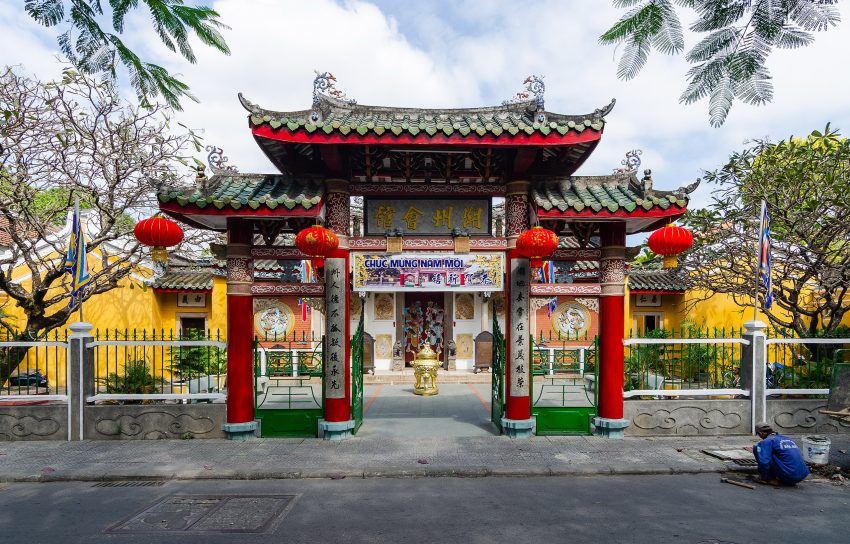
Location: Trieu Chau Assembly Hall, 157 Nguyen Huy Lieu Street ,Hoi An | Hours: Typically 8:00–17:00 | Price: Hoi An Old Town Ticket Required (120,000 VND) | Distance: 0.6km

2. Hainan Assembly Hall

Location: Hainan Assembly Hall, 10 Trần Phú, Old Town, Minh An, Hội An, Quảng Nam, Vietnam | Hours: Typically 8:00–17:00 | Price: Hoi An Old Town Ticket Required (120,000 VND) | Distance: 0.7km
3. Quan Cong Temple

Location: Quan Cong Temple, Trần Phú, Old Town, Minh An, Hội An, Quảng Nam, Vietnam | Hours: Typically 8:00–17:00 | Price: Hoi An Old Town Ticket Required (120,000 VND) | Distance: 0.8km
4. Fujian Assembly Hall
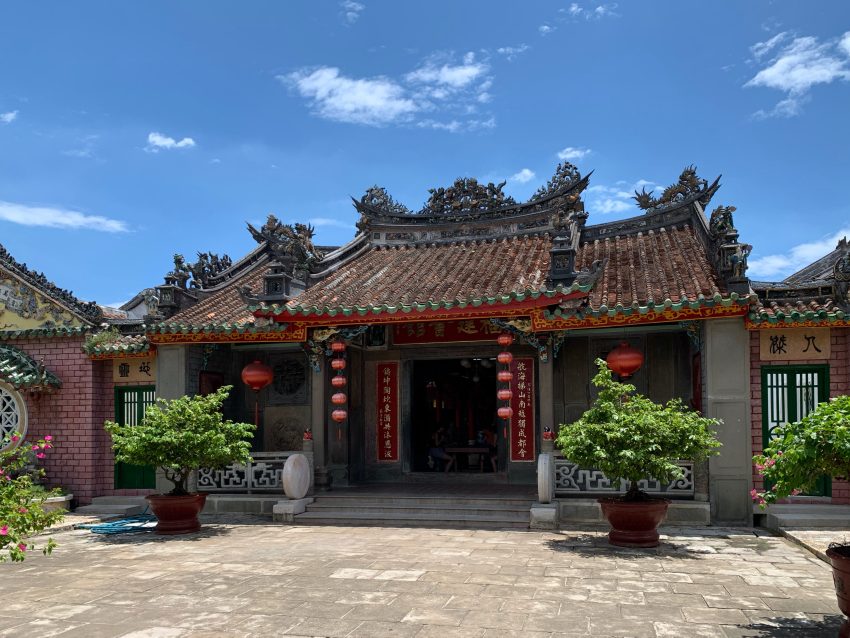
Location: Assembly Hall Of Fujian Chinese, 46 Trần Phú, Old Town, Minh An, Hội An, Quảng Nam, Vietnam | Hours: Typically 8:00–17:00 | Price: Hoi An Ancient Town ticket required (120,000 VND) | Distance: 0.8km
5. Trung Hoa Assembly Hall
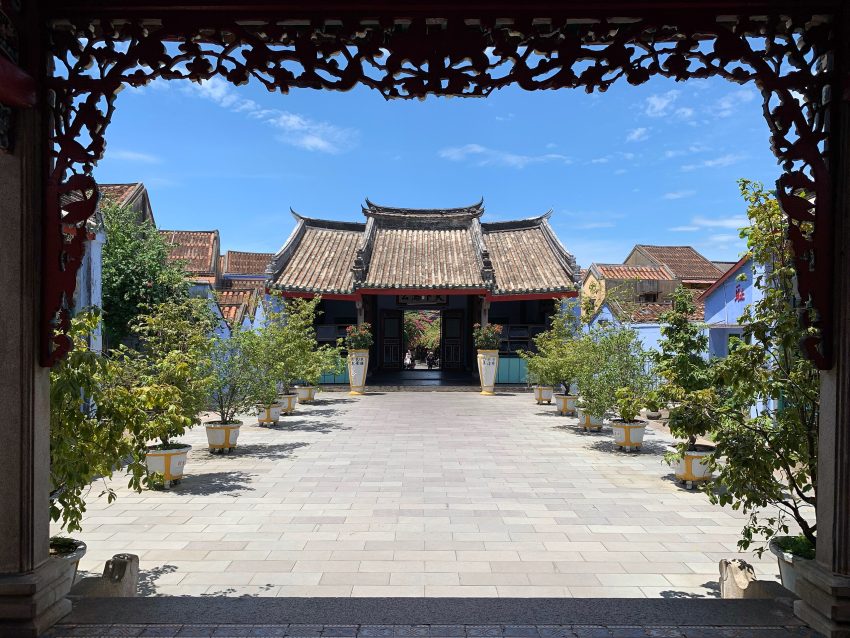
Location: Chinese Assembly Hall of Hoi An 64 Trần Phú Phường Minh An Hội An Quảng Nam, Vietnam | Hours: Typically 8:00–17:00 | Price: Hoi An Old Town Ticket Required (120,000 VND) | Distance: 0.9km
6. Museum of History and Culture

Location: Hoi An Museum, Trần Hưng Đạo, Sơn Phong, Hội An, Quảng Nam, Vietnam | Hours: Typically 8:00–17:00 | Price: Hoi An Old Town Ticket Required (120,000 VND) | Distance: 0.9km
7. Tran Family Chapel
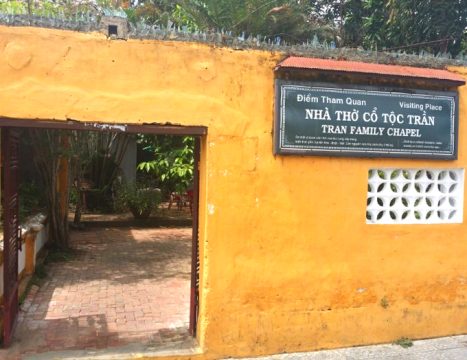
Location: Tran Family Chapel, Le Loi, Minh An, Hội An, Quảng Nam, Vietnam | Hours: Typically 8:00–17:00 | Price: Hoi An Old Town Ticket Required (120,000 VND) | Distance: 1.0km
8. Museum of Trade Ceramics

Location: Museum of Trade Ceramics, Trần Phú, Old Town, Minh An, Hội An, Quảng Nam, Vietnam | Hours: Typically 8:00–17:00 | Price: Hoi An Old Town Ticket Required (120,000 VND) | Distance: 1.0km
9. Duc An Ancient House

Location: 129 Trần Phú, Phường Minh An, Hội An, Quảng Nam, Vietnam | Hours: Typically 8:00–17:00 | Price: Hoi An Old Town Ticket Required (120,000 VND) | Distance: 1.2km
10. Ancient House of Tan Ky
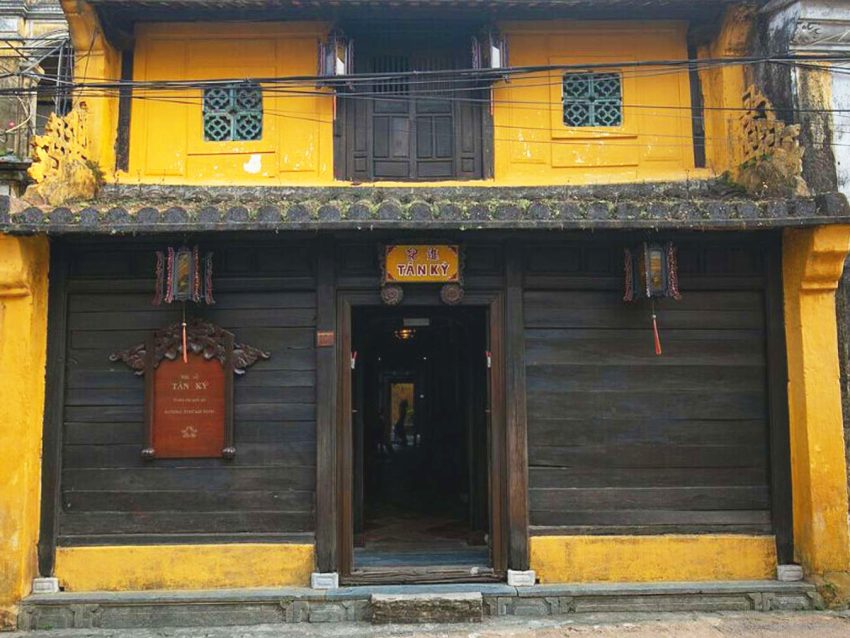
Location: Old House of Tan Ky, Nguyễn Thái Học, Old Town, Minh An, Hội An, Quảng Nam, Vietnam | Hours: Typically 8:00–17:00 | Price: Hoi An Old Town Ticket Required (120,000 VND) | Distance: 1.2km
11. Ba Mu Temple
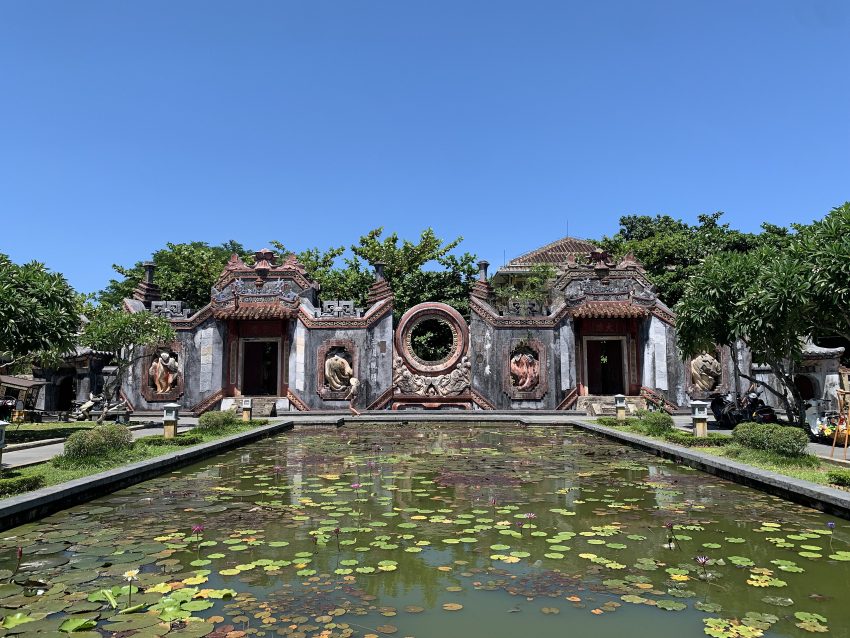
Location: 675 Đường Hai Bà Trưng, Old Town, Minh An, Hội An, Quảng Nam, Vietnam | Distance: 1.2km
12. Phap Bao Temple

Location: Phac Hat Pagoda, Đường Hai Bà Trưng, Sơn Phong, Hội An, Quảng Nam, Vietnam | Distance: 1.2km
13. Museum of Sa Huỳnh Culture

Location: Museum of Sa Huynh Culture, Trần Phú, Old Town, Minh An, Hội An, Quảng Nam, Vietnam | Hours: Typically 8:00–17:00 | Price: Hoi An Old Town Ticket Required (120,000 VND) | Distance: 1.3km
14. Phung Hung Ancient House
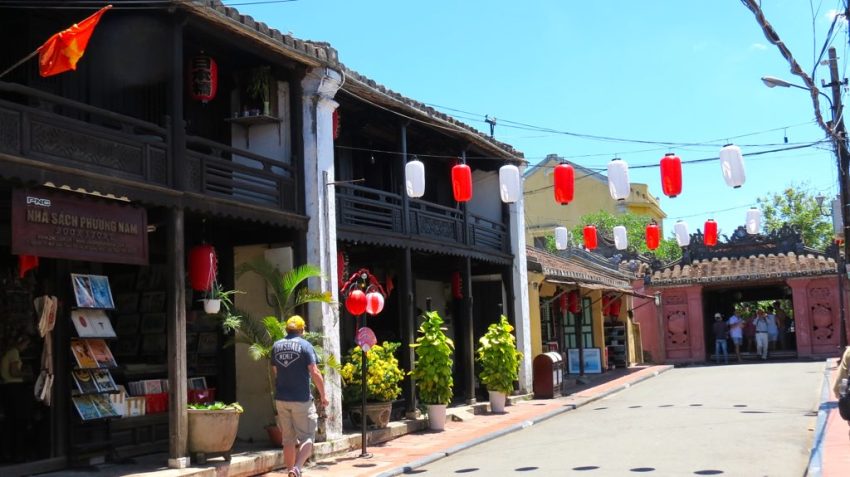
Location: Phung Hung Old House, Nguyễn Thị Minh Khai, Cẩm Phô, Hội An, Quảng Nam, Vietnam | Hours: Typically 8:00–17:00 | Price: Hoi An Old Town Ticket Required (120,000 VND) | Distance: 1.3km
15. Cantonese Assembly Hall
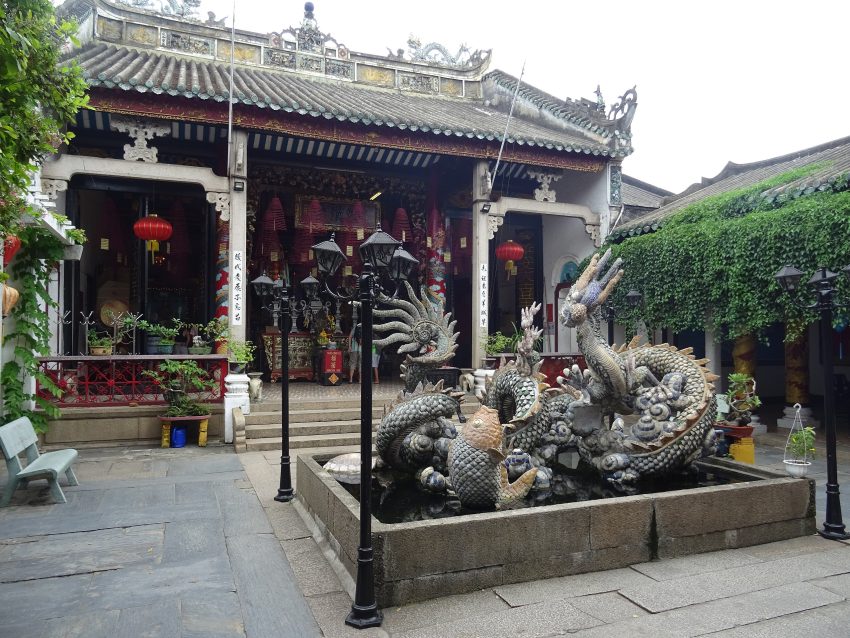
Location: Hội quán Quảng Đông (Cantonese Assembly Hall), 176 Trần Phú, Old Town, Minh An, Hội An, Quảng Nam, Vietnam | Hours: Typically 8:00–17:00 | Price: Hoi An Old Town Ticket Required (120,000 VND) | Distance: 1.3km
16. Japanese Covered Bridge
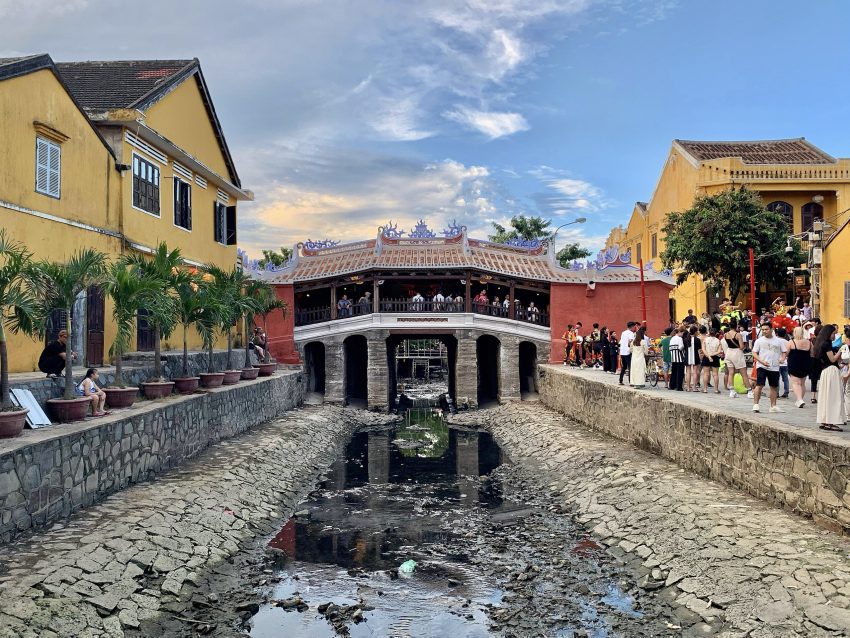
Location: Chùa Cầu, Trần Phú, Cẩm Phô, Hội An, Quảng Nam, Vietnam | Price: Hoi An Old Town Ticket Required (120,000 VND) | Distance: 1.3km
17. Cam Pho Temple

Location: Cẩm Phô Communal House / Cẩm Phô Temple, Nguyễn Thị Minh Khai, Cẩm Phô, Hội An, Quảng Nam, Vietnam | Hours: Typically 8:00–17:00 | Price: Hoi An Old Town Ticket Required (120,000 VND) | Distance: 1.5km
18. Confucian Temple
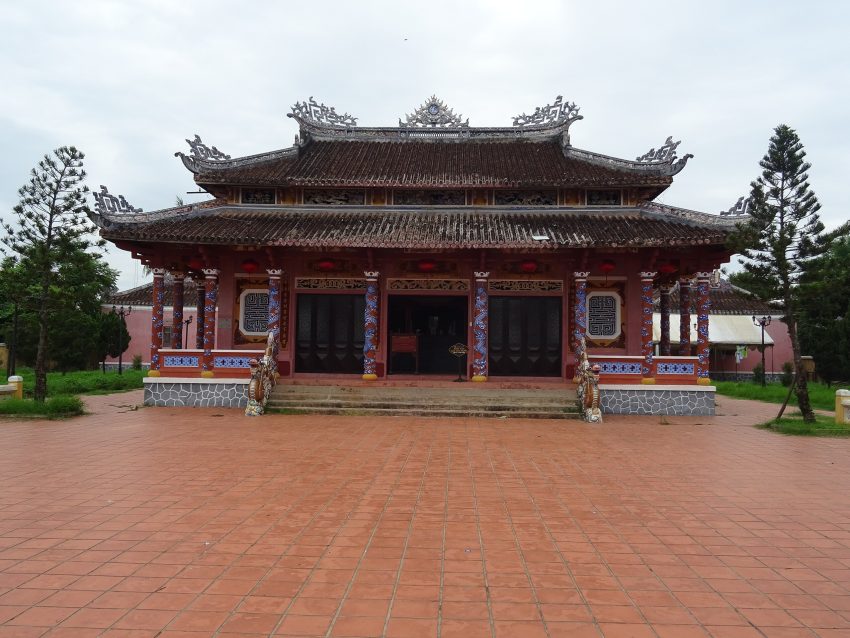
Location: Confucius Temple, Trần Hưng Đạo, Cẩm Phô, Hội An, Quảng Nam, Vietnam | Distance: 1.6km
19. An Bang Beach
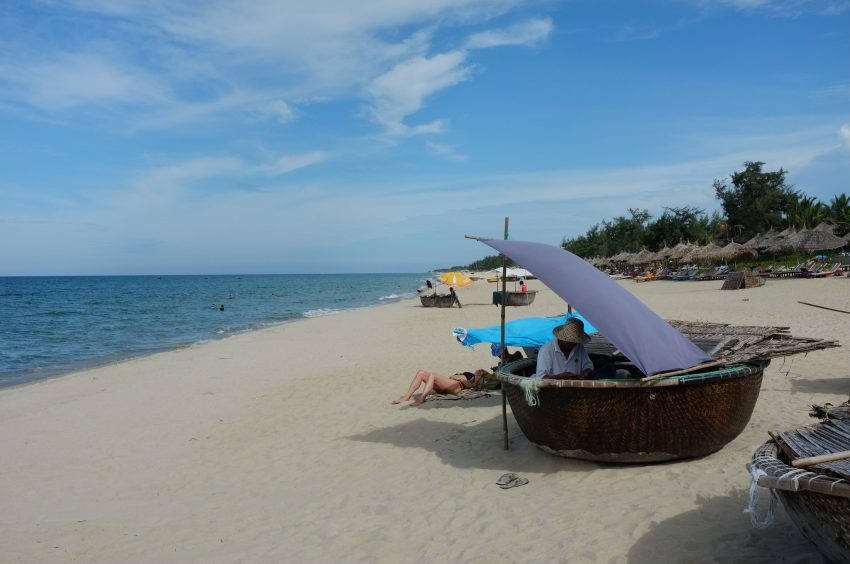
Location: An Bang Beach, Đường Hai Bà Trưng, Cẩm An, Hội An, Quảng Nam, Vietnam | Distance: 3.7km
Best Day Trips from Hoi An
A day trip from Hoi An offers the perfect opportunity to escape the urban rhythm and discover the surrounding region's charm. Whether you're drawn to scenic countryside, historic villages, or cultural landmarks, the area around Hoi An provides a variety of easy-to-reach destinations ideal for a one-day itinerary.
1. Da Nang

Visiting Da Nang
2. Hue

Visiting Hue
Where to Stay in Hoi An
Hoi An offers a wonderfully diverse range of places to stay, and choosing the right area can make a big difference to your trip. The Ancient Town is the most atmospheric part of the city, perfect for travellers who want to be surrounded by lantern-lit streets, riverside cafés, and centuries-old merchant houses. Hotels here are usually boutique-style, set in restored heritage buildings or traditional wooden homes. If you want to stay in the middle of it all, options such as Little Riverside Hoi An place you steps from the Thu Bồn River, while Anantara Hoi An Resort offers a peaceful riverside retreat within easy walking distance of the Ancient Town’s main attractions. This area suits those who prefer to explore on foot, enjoy early-morning riverside strolls, and experience Hoi An’s charm from dawn till dusk.
Just across the water, An Hoi and the Night Market area offer a livelier atmosphere with street food stalls, bars, and colourful lantern displays each evening. This part of town is ideal for visitors who want to be close to the action without sacrificing comfort. Many hotels here have rooftop pools and river views, creating a balance between relaxation and vibrant nightlife. A solid option is Lantana Boutique Hotel Hoi An, known for its excellent location and friendly service. It’s a great choice for travellers who want quick access to the Ancient Town’s restaurants and markets while enjoying modern comforts in a contemporary setting.
If you’re after something more laid-back, Cẩm Thanh is a peaceful eco-friendly escape among coconut forests and waterways. This area suits nature-lovers, families, and couples looking to unwind away from the busier town centre. Resorts blend into the landscape with wooden villas, lakes, and expansive gardens, and staying here offers a serene retreat with activities like basket-boat rides and riverside cycling routes. A standout option is Hoi An Eco Lodge & Spa, where guests can enjoy quiet surroundings while still being within a short drive or bike ride of the Ancient Town. It’s an excellent base for travellers seeking a slower pace and a more rural side of Hoi An.
Cua Dai and An Bang Beach are the best areas if you want a beachfront stay, with long sandy shores, seafood restaurants, and calm coastal vibes. These areas are perfect for travellers who plan to spend a lot of time relaxing by the sea while still being close enough to cycle or taxi into the Ancient Town. Beach hotels range from charming boutique hideaways to upscale resorts with private beach access. A reliable choice along the coast is Victoria Hoi An Beach Resort & Spa, where guests enjoy a blend of French-colonial architecture and seaside tranquillity. Staying near the beach is ideal for families, honeymooners, and anyone who wants to combine cultural sightseeing with sunny downtime.
Using the our Hotel and Accomodation map, you can compare hotels and short-term rental accommodations in Hoi An. Simply insert your travel dates and group size, and you’ll see the best deals for your stay.
Hoi An Accommodation Map
Best Time to Visit Hoi An
Here is a clean, ready-to-use four-season guide for Hoi An, with the correct heading format and one season marked as Best:
Visiting Hoi An in Spring (March–May) (Best)
Spring is widely considered the best time to visit Hoi An, thanks to warm temperatures, low humidity, and clear skies. The landscape around the town becomes especially lush, making bike rides to Tra Que Vegetable Village or the beaches particularly enjoyable. Spring also offers ideal conditions for exploring the Ancient Town comfortably throughout the day. While not tied to a major local festival every year, this season often coincides with lantern-lit full moon events that add even more charm to Hoi An’s evenings.
Visiting Hoi An in Summer (June–August)
Summer in Hoi An brings bright sunshine, occasional heatwaves, and the warmest sea temperatures of the year. This is a great time for beach lovers heading to An Bang or Cua Dai Beach, as well as for boat trips on the Thu Bon River. While the heat can make midday walks challenging, early mornings and evenings remain beautiful for exploring the Ancient Town. Summer is also popular with families and domestic travellers, so expect livelier streets and bustling markets.
Visiting Hoi An in Autumn (September–November)
Autumn is the most unpredictable season in Hoi An, with increased rainfall and the potential for typhoons. However, on calm days the cooler temperatures make sightseeing pleasant, and the town’s lantern-filled streets look especially atmospheric in the soft, moody light. Despite the occasional stormy weather, the Mid-Autumn Festival can be a highlight if it falls during your visit, bringing lion dances, lantern parades, and festive treats to the Old Town.
Visiting Hoi An in Winter (December–February)
Winter in Hoi An is mild, with cooler temperatures and lower humidity, making it comfortable for walking tours and heritage exploration. While the skies can be overcast and the sea too cool for swimming, this is a peaceful season with fewer crowds and a relaxed atmosphere. The Lunar New Year (Tet) may fall in late winter, bringing bright decorations, traditional offerings, and cultural events—though some shops may close for a few days as families celebrate.
Annual Weather Overview
- January 23°C 77°F
- February 26°C 82°F
- March 28°C 85°F
- April 30°C 90°F
- May 31°C 92°F
- June 29°C 93°F
- July 31°C 92°F
- August 31°C 92°F
- September 30°C 90°F
- October 27°C 85°F
- November 26°C 82°F
- December 24°C 78°F
How to get to Hoi An
Getting to Hoi An by Air
The nearest airports: The closest gateway to Hoi An is Da Nang International Airport, located about 30 km away and offering extensive domestic connections from Hanoi, Ho Chi Minh City, Da Lat, and Nha Trang, as well as international flights from major cities across Asia and seasonal routes from Europe and Australia.
The airport transfer options: Travellers can reach Hoi An via shuttle buses, private cars, taxis, and ride-hailing services, all of which provide a straightforward 45–60 minute journey depending on traffic.
The flight frequency: Da Nang is one of Vietnam’s busiest airports, ensuring frequent daily flights and smooth onward connections for most itineraries.
For the best deals and a seamless booking experience, check out these flights to Hoi An on Booking.com.
Getting to Hoi An by Train
The nearest major station: Hoi An does not have its own railway station; the nearest is Da Nang Railway Station, about 30 km away.
The rail line details: Da Nang sits on Vietnam's main North–South Reunification Line, which runs between Hanoi and Ho Chi Minh City, making it easy to reach from major hubs such as Hue, Nha Trang, Quy Nhon, and Phan Thiet.
The train frequency: Regular daily trains operate along this route, providing options ranging from standard seats to soft-sleeper cabins.
The onward transfer: After arriving in Da Nang, travellers can reach Hoi An by taxi, shuttle, private transfer, or local bus, with travel times typically between 45 minutes and one hour.
Train schedules and bookings can be found on Omio.
Getting to Hoi An by Car
The driving conditions: Good-quality highways and coastal roads make travelling to Hoi An by car convenient, especially for travellers coming from Da Nang, Hue, or further south along the coast.
The parking situation: Private cars cannot enter the pedestrianised Ancient Town, so visitors must use designated parking areas outside the heritage zone.
The road trip routes: Travellers coming from Hue often enjoy the scenic Hai Van Pass, while those from Da Nang have a short and straightforward drive via modern expressways or coastal roads.
Travelling Around Hoi An
The walking-friendly layout: Hoi An’s Ancient Town is compact and pedestrian-friendly, making walking the easiest way to explore its historic lanes, markets, and riverside views.
The cycling culture: Bicycles are a popular choice, with many hotels offering rentals and flat terrain making it ideal for rides to Tra Que Vegetable Village or An Bang Beach.
The ride-hailing and taxis: Grab taxis and local cabs are widely available for quick trips around town or out to beaches and surrounding villages.
The motorbike option: Renting a scooter provides flexibility for exploring rural roads, rice fields, and coastal routes, though traffic rules and comfort levels should be considered.