Dubrovnik, Croatia: The Ultimate Travel Guide 2026
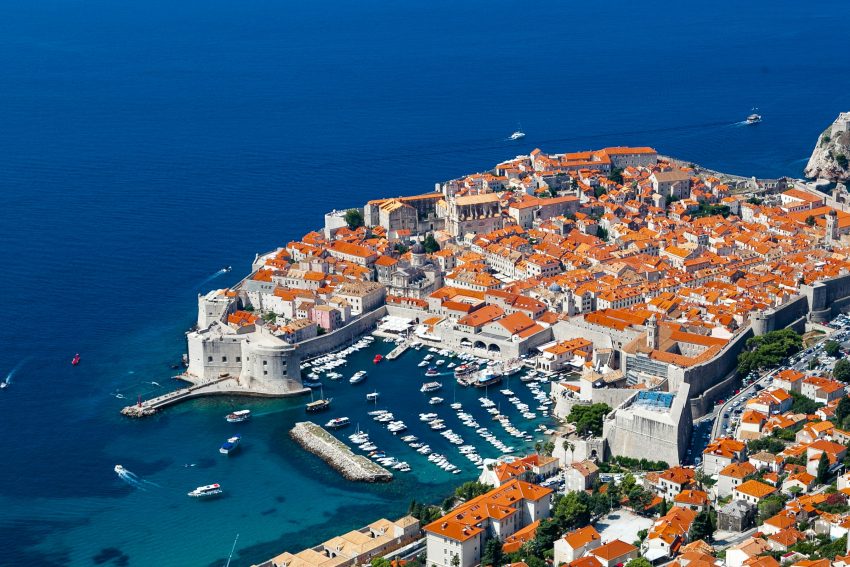
Dubrovnik is one of the Adriatic's most striking coastal cities, set in southern Croatia on the Dalmatian Coast, where limestone streets meet sea views and terracotta rooftops. The Old Town is compact and walkable, so it's easy to spend a day drifting between elegant squares, waterfront promenades, and viewpoints that make the city feel cinematic from almost every angle.
A visit here is best enjoyed at a relaxed pace: start early to catch the light on the stone lanes, pause for coffee on a shaded terrace, then build your day around a few “big moments” like the city walls, a cable-car panorama, or a boat ride to nearby islands. Dubrovnik also rewards simple pleasures-sunset along the harbor, a swim from rocky platforms, and lingering dinners where seafood and local wines take center stage.
While Dubrovnik is famous, it doesn't have to feel rushed if you plan smart. Staying just outside the busiest core, choosing morning or late-afternoon sightseeing, and mixing iconic landmarks with quieter neighborhoods will give you a more balanced experience. Whether you're here for culture, beaches, food, or scenery, the city's scale makes it easy to combine a lot without feeling like you're constantly in transit.
Table of Contents
- History of Dubrovnik
- 23 Best places to See in Dubrovnik
- Bogišićev Park
- Gradac Park
- Dubrovnik West Harbour and Pier
- Fort Lovrijenac
- Minceta Tower
- Fort Bokar
- Pile Gate
- Dubrovnik Ethnographic Museum
- Saint Saviour's Church
- Franciscan Monastery & Museum
- Large Onofrio's Fountain
- Stradun Street
- Dubrovnik Cable Car
- St. Dominic Street
- Jesuit Stairs
- Rector's Palace
- Saint Ignatius Church
- Dominican Monastery and Museum
- Saint Blaise's Church
- Sponza Palace
- Luža Square
- Gate of Ploče
- Dubrovnik Cathedral and Treasury
- 5 Best Day Trips from Dubrovnik
- Where to Stay in Dubrovnik
- Best Time to Visit Dubrovnik
- How to get to Dubrovnik
History of Dubrovnik
Dubrovnik in Antiquity and Early Foundations (7th–10th centuries)
Dubrovnik’s origins are commonly linked to the early medieval period, when communities sought safer, defensible ground and maritime trade began shaping local life. Over time, a settlement formed that would grow through seafaring connections, skilled craftsmanship, and a strategic approach to diplomacy.
As the city developed, its identity became increasingly tied to the sea. Early fortifications and organized civic structures laid the groundwork for a polity that would later become known for its autonomy, commercial reach, and administrative sophistication.
Dubrovnik as the Republic of Ragusa (11th–15th centuries)
During the Middle Ages, Dubrovnik evolved into a powerful maritime commune and then the Republic of Ragusa, building wealth through shipping, trade agreements, and a carefully managed network of consulates and merchants. The city’s leaders cultivated a reputation for negotiation and neutrality, often balancing relationships with larger regional powers.
This era saw major investments in public works, defenses, and institutions. Laws, archives, and civic planning helped the republic function efficiently, while shipbuilding and commerce supported a cosmopolitan atmosphere that attracted traders and visitors.
Dubrovnik’s Golden Age (16th century)
The 16th century is often considered Dubrovnik’s high point, when its merchant fleet and diplomatic skill allowed it to thrive despite shifting empires and conflicts around it. The city’s culture and learning flourished alongside its economy, and its urban fabric—palaces, churches, and public spaces—reflected both wealth and civic pride.
Dubrovnik’s leaders emphasized stability, public order, and the maintenance of defenses. The city’s maritime orientation remained central, with trade routes and seafaring expertise sustaining its prominence.
Dubrovnik After the 1667 Earthquake (17th–18th centuries)
A catastrophic earthquake in 1667 caused widespread destruction and loss of life, reshaping Dubrovnik’s architecture and society. Reconstruction followed, and many buildings were rebuilt in the styles and urban patterns that visitors recognize today.
Although the republic continued, the disaster marked a turning point. Economic and political pressures increased, and Dubrovnik’s relative influence gradually diminished compared with earlier centuries.
Dubrovnik Under Napoleonic Rule and the End of the Republic (1806–1815)
In the early 19th century, the republic’s independence came to an end amid the upheavals of the Napoleonic era. French administration introduced reforms and new governance structures, but it also dissolved the old republican system.
After the French period, control shifted again as European borders and authorities were reorganized. Dubrovnik’s political status changed, but its built heritage and civic identity remained deeply rooted.
Dubrovnik in the 20th Century and Modern Era (1918–present)
Across the 20th century, Dubrovnik experienced major political transitions and the pressures of modern tourism. In the early 1990s, the city suffered damage during the Croatian War of Independence, including shelling that impacted historic structures.
Extensive restoration and conservation efforts helped repair and preserve key monuments and streetscapes. Today, Dubrovnik’s global profile is tied to its cultural heritage, its resilient recovery, and its role as a leading destination in the Adriatic.

Moira & Andy
Hey! We're Moira & Andy. From hiking the Camino to trips around Europe in Bert our campervan — we've been traveling together since retirement in 2020!
Visiting Dubrovnik for the first time and wondering what are the top places to see in the city? In this complete guide, I share the best things to do in Dubrovnik on the first visit. To help you plan your trip, I have also included an interactive map and practical tips for visiting!
This website uses affiliate links which earn a small commission at no additional cost to you.
23 Best places to See in Dubrovnik
This complete guide to Dubrovnik not only tells you about the very best sights and tourist attractions for first-time visitors to the city but also provide insights into a few of our personal favorite things to do.
This is a practical guide to visiting the best places to see in Dubrovnik and is filled with tips and info that should answer all your questions!
1. Bogišićev Park
Location: Ul. Baltazara Bogišića, 20000, Dubrovnik, Croatia | Hours: 24 Hours. | Price: Free. | Distance: 1km

2. Gradac Park
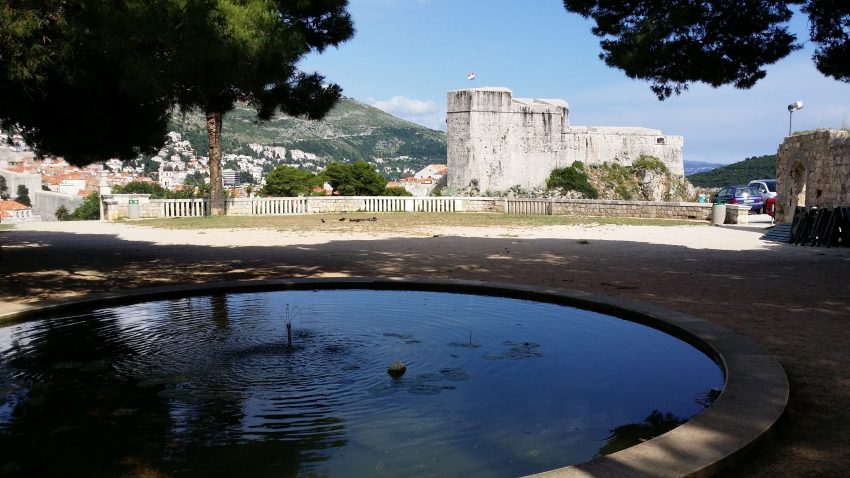
Location: Ul. don Frana Bulića, 20000, Dubrovnik, Croatia | Hours: 24 Hours. | Price: Free. | Distance: 1.2km
3. Dubrovnik West Harbour and Pier
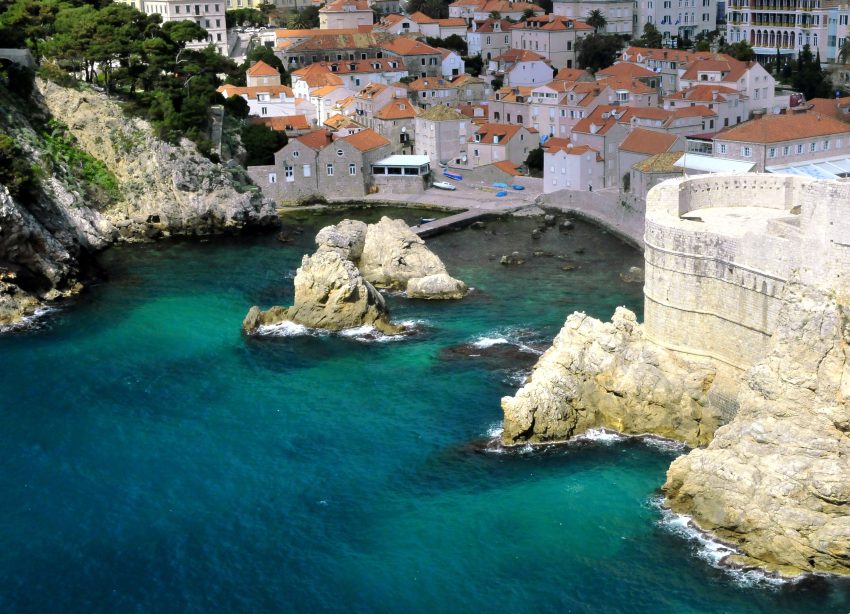
Location: Ul. Skalini dr. Marka Foteza 2, 20000, Dubrovnik, Croatia | Hours: 24 Hours. | Price: Free. | Distance: 1.3km
4. Fort Lovrijenac
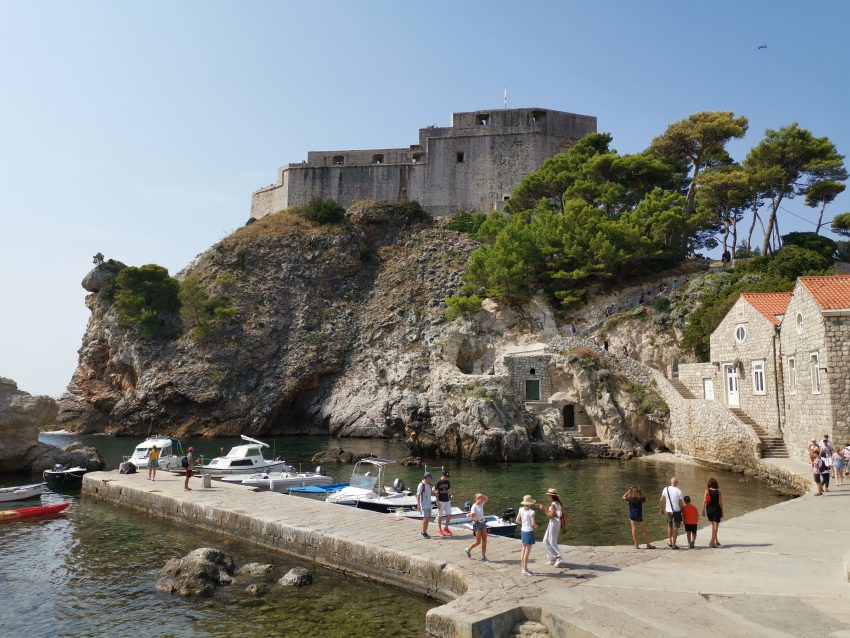
Location: Ul. od Tabakarije 29, 20000, Dubrovnik, Croatia | Hours: Check official website. | Price: Check official website. | Website | Distance: 1.3km
5. Minceta Tower
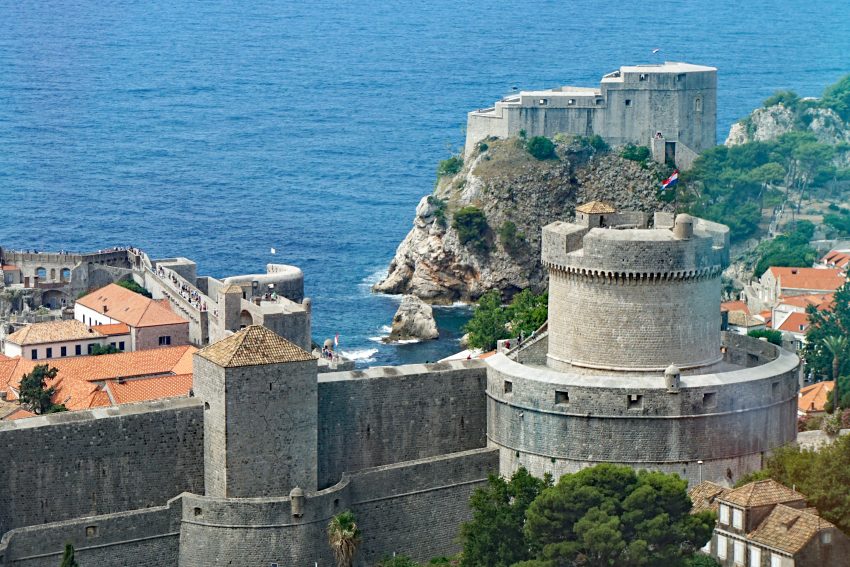
Location: Ul. Ispod Minčete 9, 20000, Dubrovnik, Croatia | Hours: Daily: 08:00–18:30. | Price: Adults: €40; Children (7–18): €15. | Website | Distance: 1.4km
6. Fort Bokar
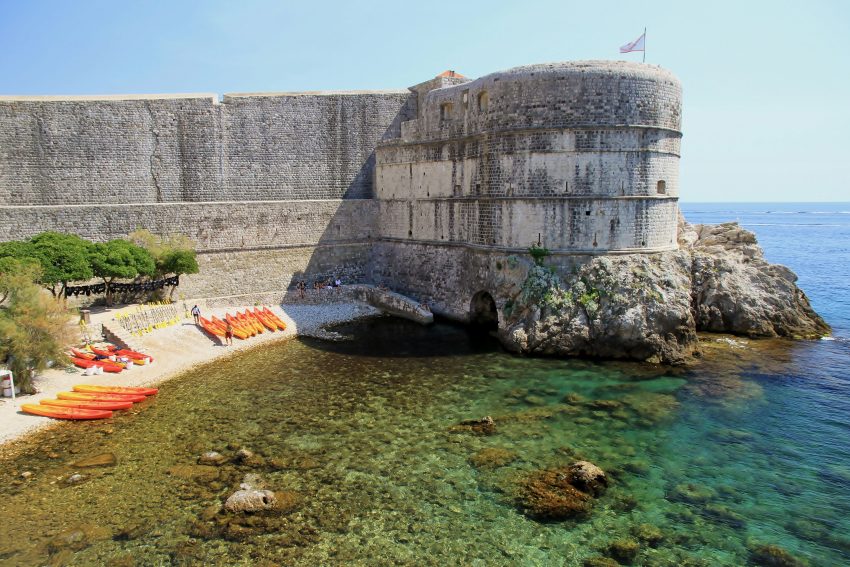
Location: Od Puća 20, 20000, Dubrovnik, Croatia | Hours: Daily: 08:00–18:30. | Price: Included with Dubrovnik City Walls ticket or Dubrovnik Pass. | Website | Distance: 1.4km
7. Pile Gate
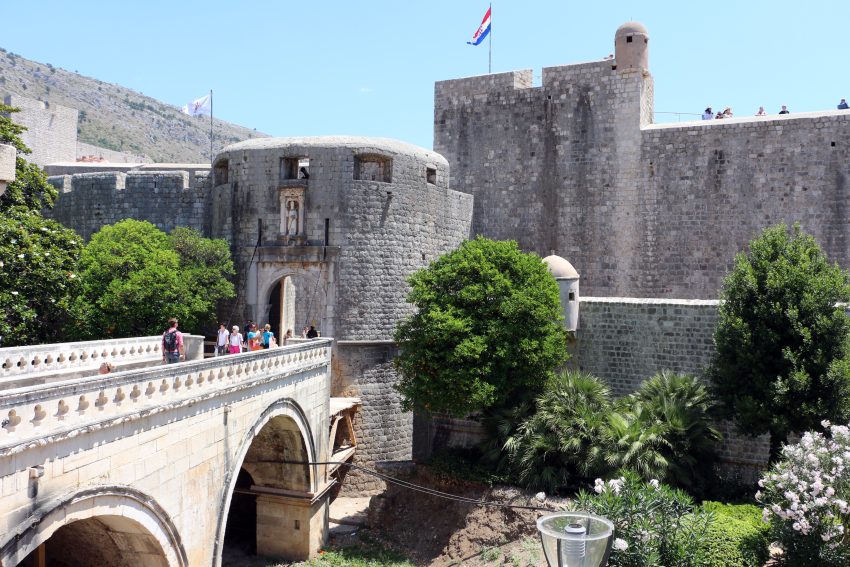
Location: Dubrovačke Gradske Zidine, 20000, Grad, Dubrovnik, Croatia | Hours: 24 Hours. | Price: Free. | Distance: 1.4km
8. Dubrovnik Ethnographic Museum
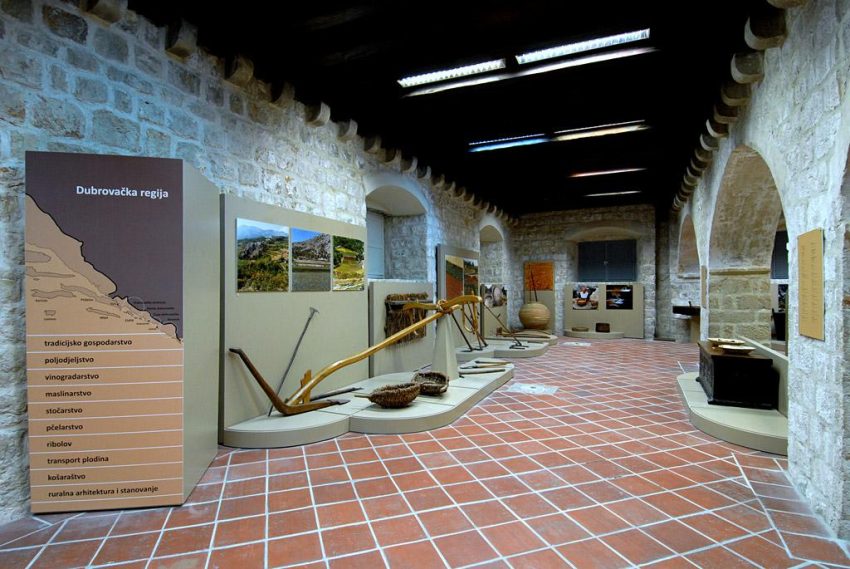
Location: Ul. od Rupa 3, 20000, Dubrovnik, Croatia | Hours: (Summer) April 1 – October 31; Tuesday: Closed; Monday, Wednesday, Thursday, Friday, Saturday, Sunday: 09:00–18:00. (Winter) November 1 – March 31; Tuesday: Closed; Monday, Wednesday, Thursday, Friday, Saturday, Sunday: 09:00–16:00. | Price: Adults: €8; Students: €5; Family (up to 2 adults with children up to 14): €20; 10 Museums combined ticket: €20 (students €10; family €45). | Website | Distance: 1.5km
9. Saint Saviour's Church
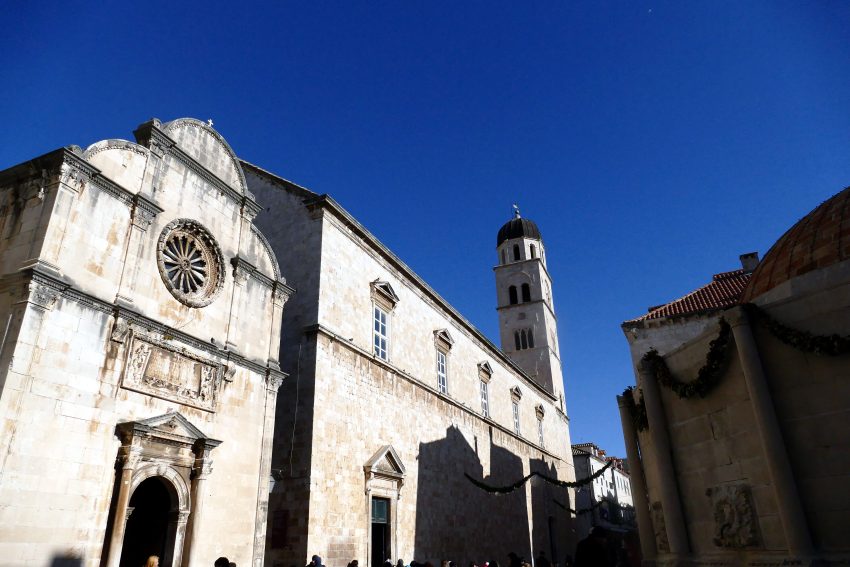
Location: Poljana Paska Miličevića, 20000, Dubrovnik, Croatia | Hours: Check official website. | Price: Free; donations appreciated. | Distance: 1.5km
10. Franciscan Monastery & Museum
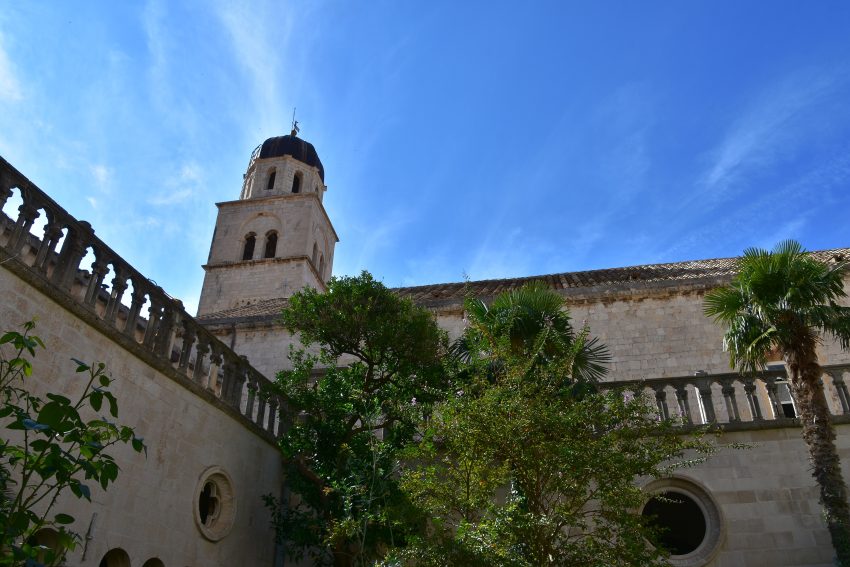
Location: Stradun 30, 20000, Dubrovnik, Croatia | Hours: (Summer) Daily: 09:00–18:00. (Winter) Daily: 09:00–14:00; Closed on Sunday. | Price: Adults: €8; Adults (groups 10+): €6; Pupils/Students: €4; Children (up to 7): free; Free with Dubrovnik Pass. | Website | Distance: 1.5km
11. Large Onofrio's Fountain
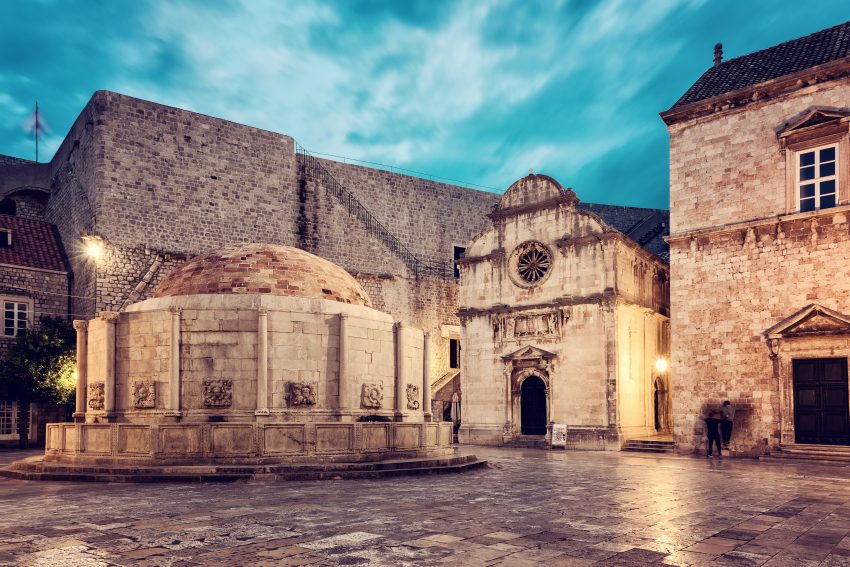
Location: Poljana Paska Miličevića 2000, 20000, Dubrovnik, Croatia | Hours: 24 Hours. | Price: Free. | Distance: 1.5km
12. Stradun Street
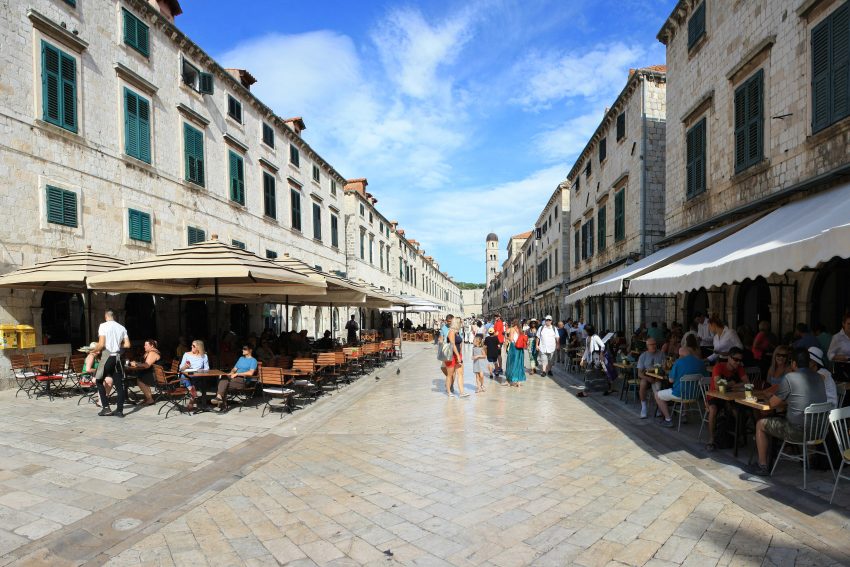
Location: Stradun, 20000, Dubrovnik, Croatia | Hours: 24 Hours. | Price: Free. | Distance: 1.5km
13. Dubrovnik Cable Car
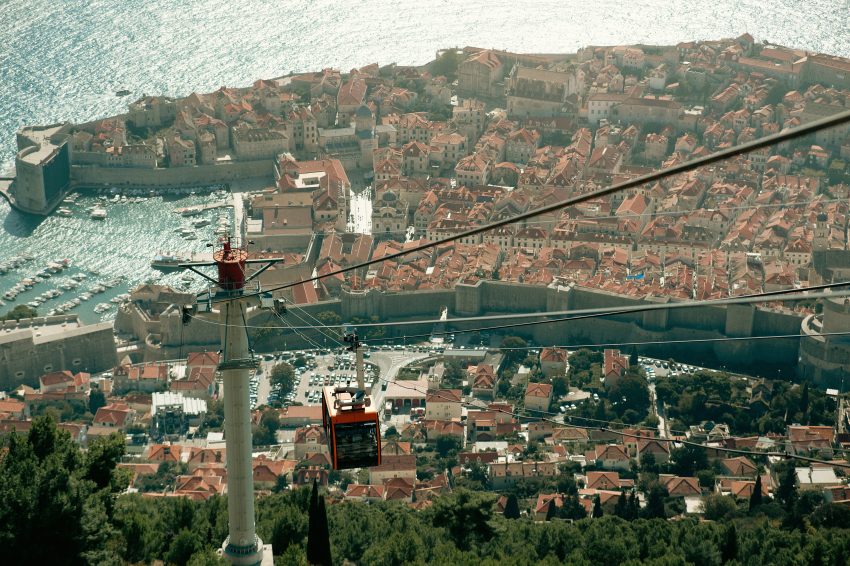
Location: Ul. Kralja Petra Krešimira IV. 10A, 20000, Dubrovnik, Croatia | Hours: January: Closed. February: Closed. March: Closed. April: 09:00–21:00. May 1 – 14: 09:00–22:00. May 15 – 31: 09:00–23:30. June: 09:00–24:00. July: 09:00–24:00. August: 09:00–24:00. September 1 – 14: 09:00–24:00. September 15 – 30: 09:00–23:00. October 1 – 20: 09:00–21:00. October 21 – 31: 09:00–20:00. November: 09:00–17:00. December: Closed. | Price: Adults: €30 (round-trip) or €17 (one-way). Children (4–12): €8 (round-trip) or €5 (one-way). Under 4: free. | Website | Distance: 1.6km
14. St. Dominic Street
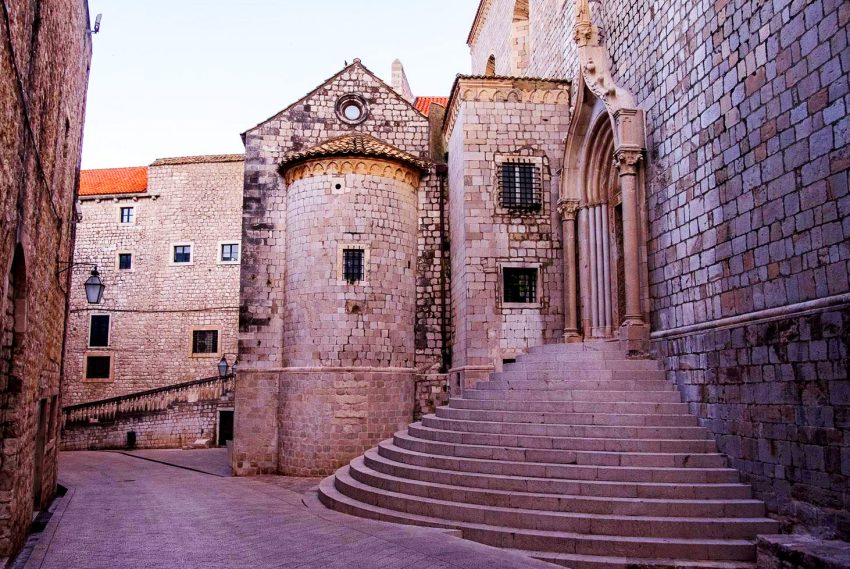
Location: Ul. Svetog Dominika 4, 20000, Dubrovnik, Croatia | Hours: 24 Hours. | Price: Free. | Website | Distance: 1.7km
15. Jesuit Stairs
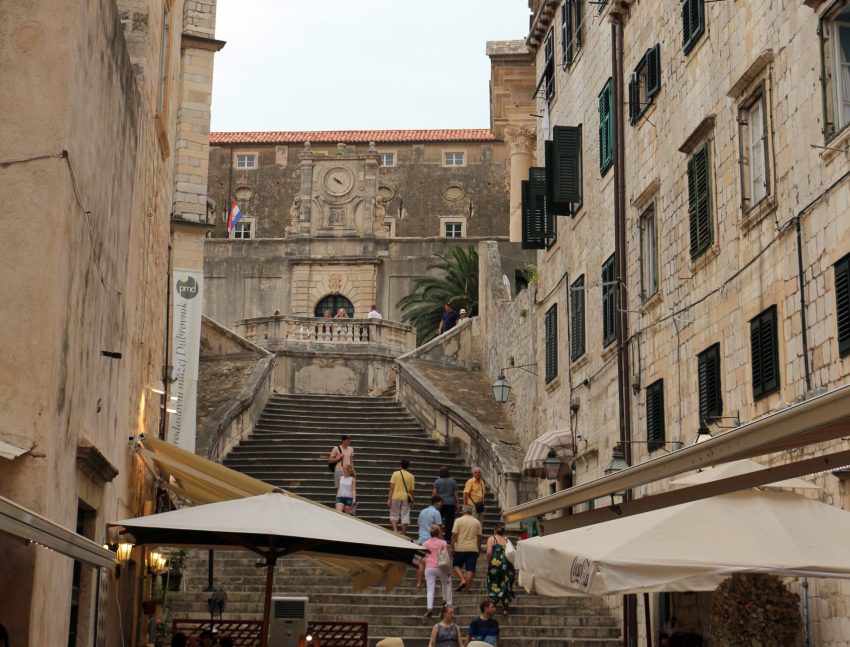
Location: Ul. Josipa Jurja Strossmayera 2, 20000, Dubrovnik, Croatia | Hours: 24 Hours. | Price: Free. | Distance: 1.7km
16. Rector's Palace
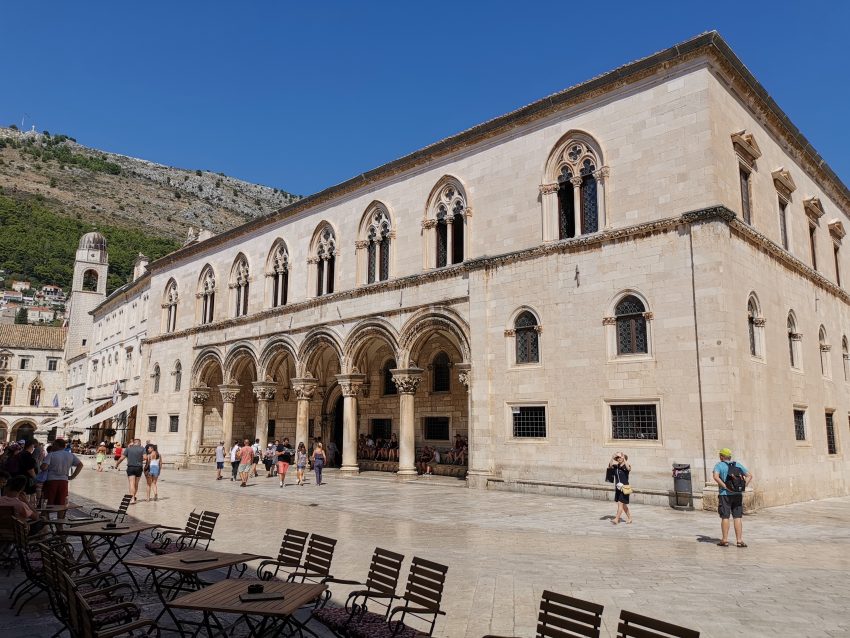
Location: Ul. Pred Dvorom 3, 20000, Dubrovnik, Croatia | Hours: (Summer) April 1 – October 31; Daily: 09:00–18:00. (Winter) November 1 – March 31; Tuesday – Sunday: 09:00–16:00. Closed on Monday. | Price: Adults: €15; Schoolchildren & students: €8; Family (up to 2 adults with children aged 14 or younger): €35. | Website | Distance: 1.7km
17. Saint Ignatius Church
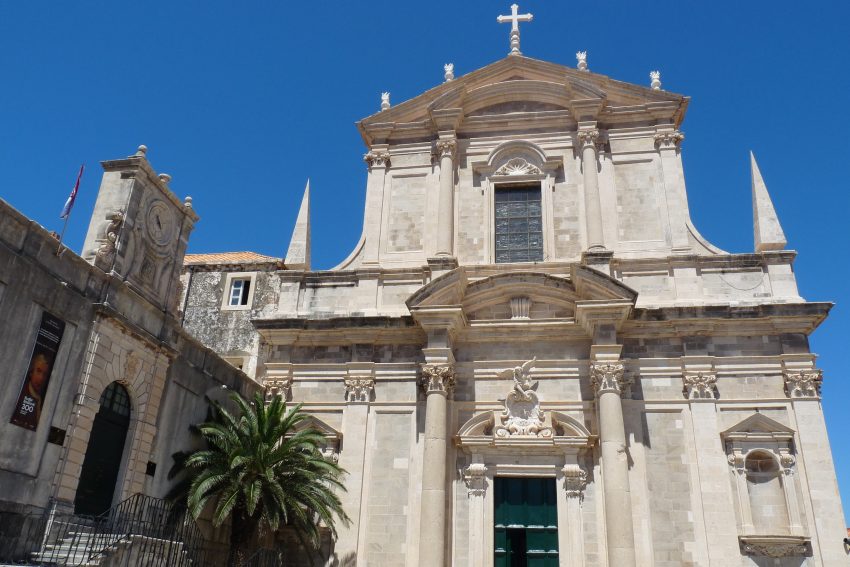
Location: Poljana Ruđera Boškovića 7, 20000, Dubrovnik, Croatia | Hours: Monday: 18:00. Tuesday: 18:00. Wednesday: 18:00. Thursday: 18:00. Friday: 18:00. Saturday: 18:00. Sunday: 08:00 & 11:00 & 18:00. | Price: Free; donations appreciated. | Website | Distance: 1.7km
18. Dominican Monastery and Museum
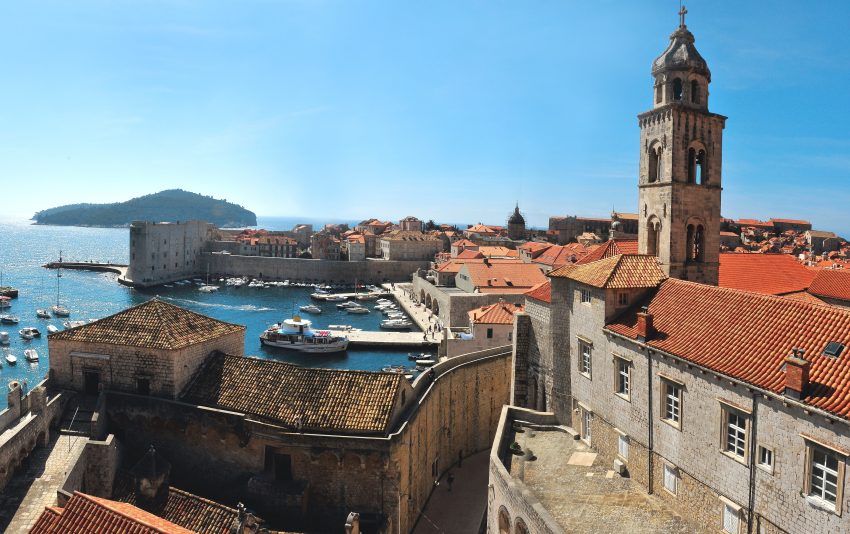
Location: Ul. Svetog Dominika 4, 20000, Dubrovnik, Croatia | Hours: (Summer) May 1 – October 31; Daily: 09:00–18:00. | Price: Check official website. | Website | Distance: 1.7km
19. Saint Blaise's Church
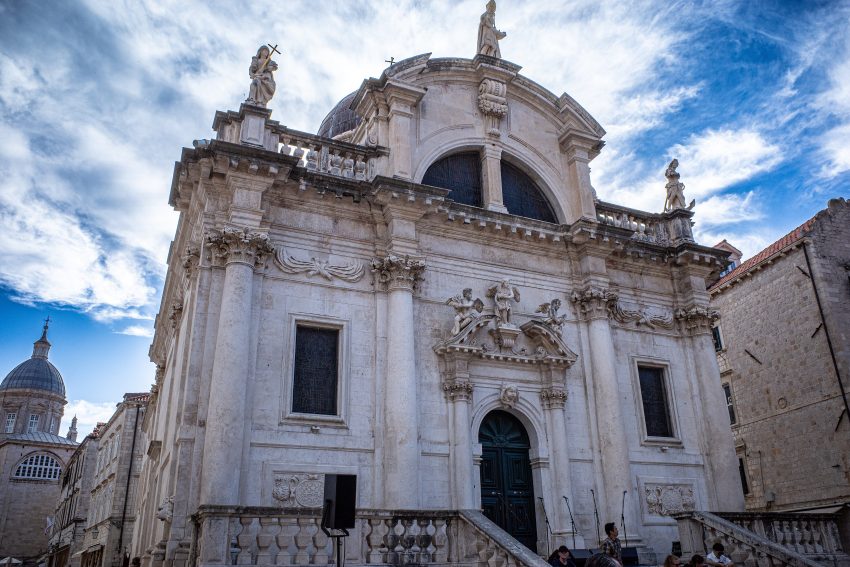
Location: Rkt. crkva sv. Vlaha, Luža ul. 2, 20000, Dubrovnik, Croatia | Hours: Monday – Sunday: 08:00–16:00. | Price: Free; donations appreciated. | Distance: 1.7km
20. Sponza Palace
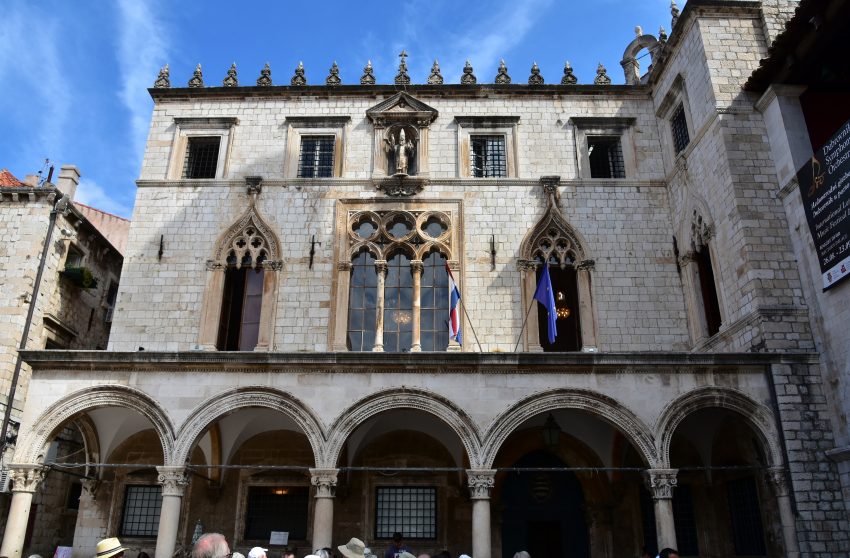
Location: Stradun 2, 20000, Dubrovnik, Croatia | Hours: Monday – Saturday: 09:00–21:00. Sunday: 09:00–15:00. | Price: Check official website. | Website | Distance: 1.7km
21. Luža Square
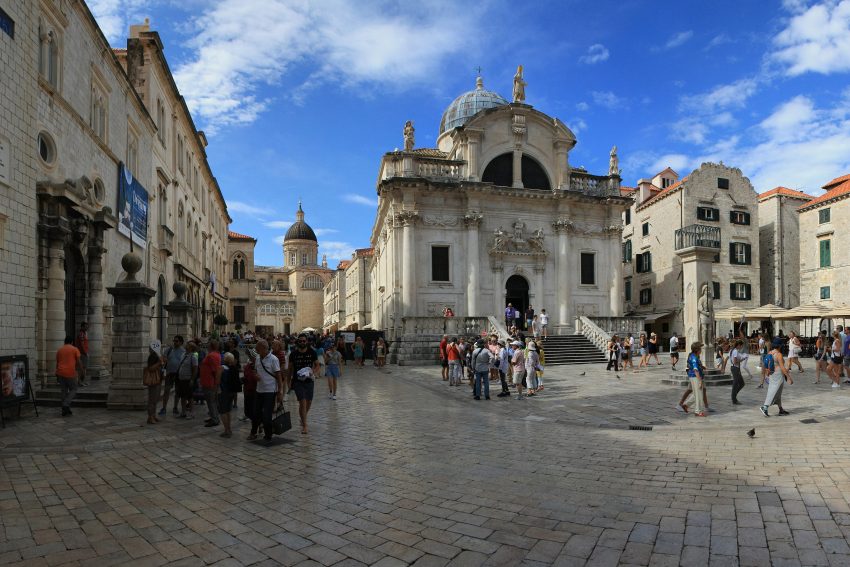
Location: Luža ul., 20000, Dubrovnik, Croatia | Hours: 24 Hours. | Price: Free. | Distance: 1.7km
22. Gate of Ploče
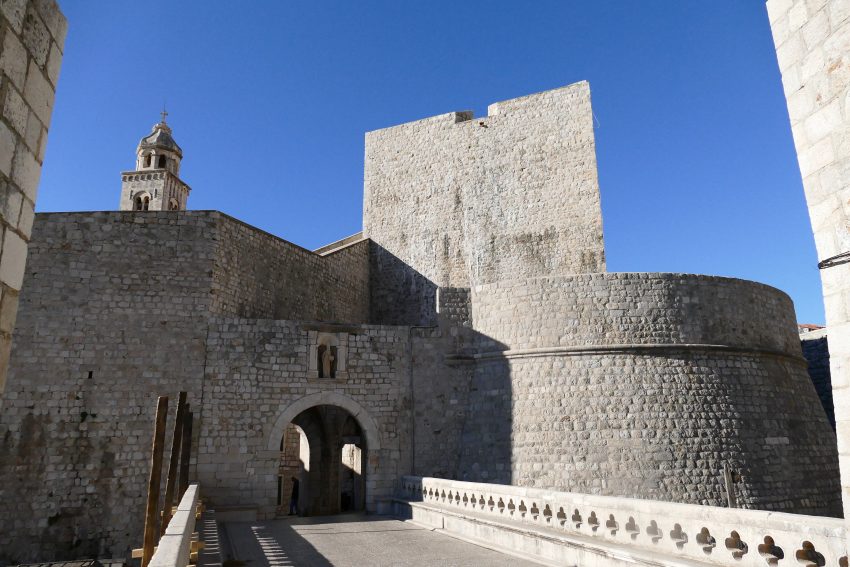
Location: Ul. Frana Supila 2-4, 20000, Dubrovnik, Croatia | Hours: 24 Hours. | Price: Free. | Distance: 1.8km
23. Dubrovnik Cathedral and Treasury
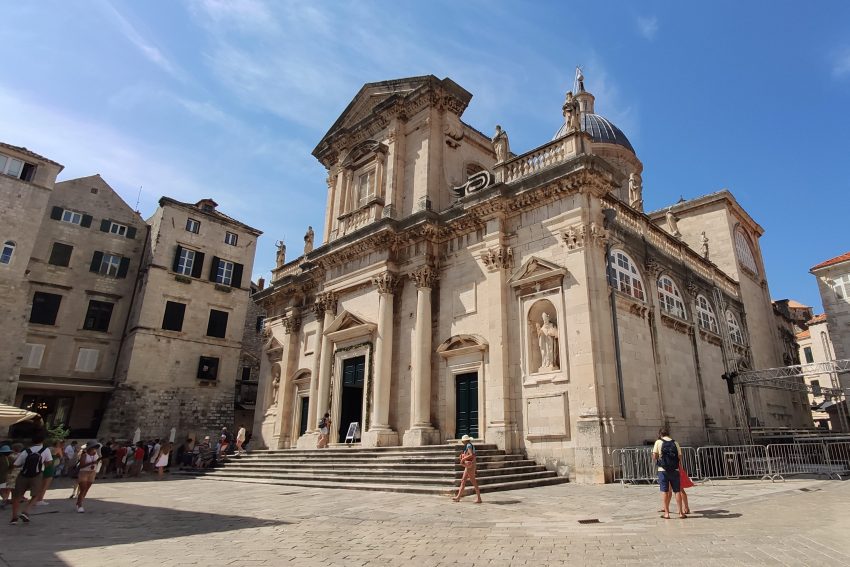
Location: Ul. kneza Damjana Jude 1, 20000, Dubrovnik, Croatia | Hours: (Summer) April 4 – November 1; Monday – Saturday: 09:00–17:00. Sunday: 11:00–17:00. (Winter) Monday – Saturday: 10:00–12:00 & 15:00–17:00. Sunday: 11:00–12:00 & 15:00–17:00. | Price: Cathedral: Free; Treasury: small fee (buy on site). | Website | Distance: 1.8km
Best Day Trips from Dubrovnik
A day trip from Dubrovnik offers the perfect opportunity to escape the urban rhythm and discover the surrounding region's charm. Whether you're drawn to scenic countryside, historic villages, or cultural landmarks, the area around Dubrovnik provides a variety of easy-to-reach destinations ideal for a one-day itinerary.
1. Korcula
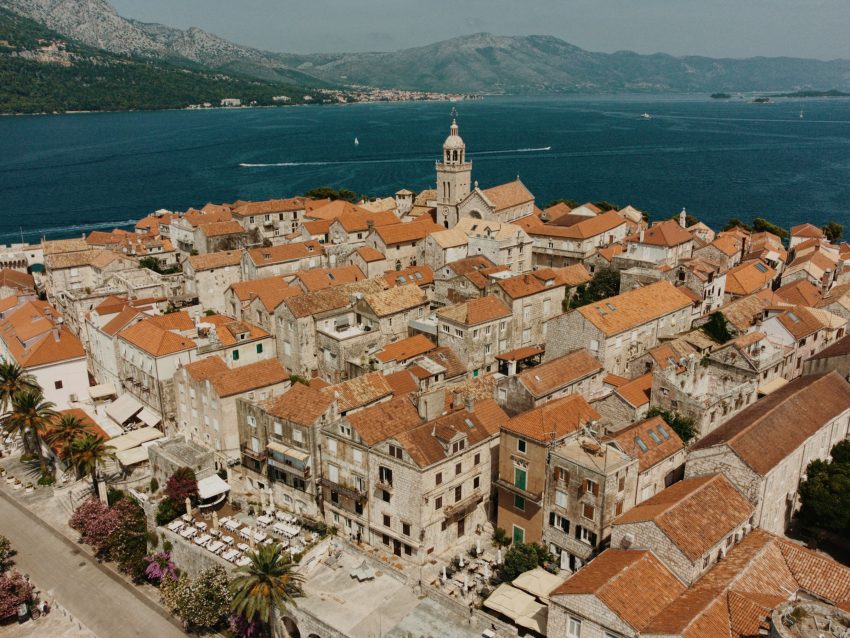
Visiting Korcula
2. Shkodër
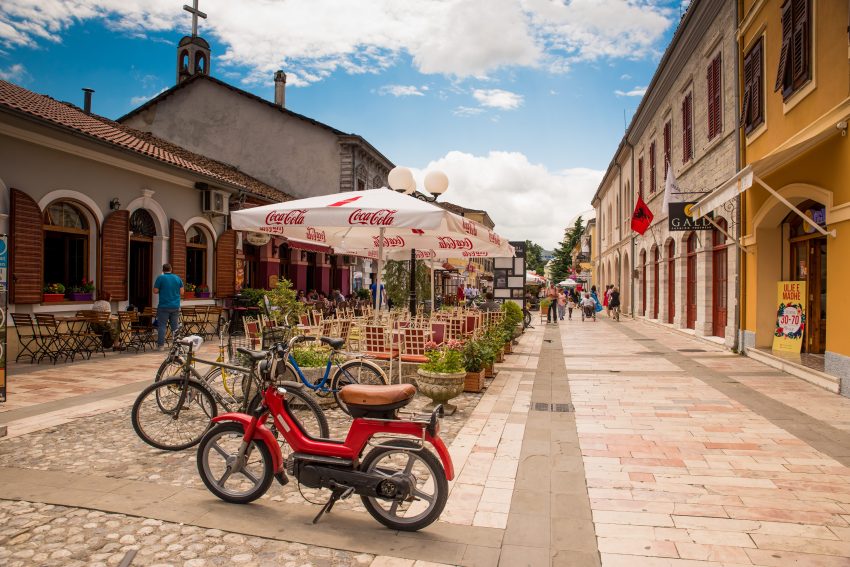
Visiting Shkodër
3. Theth
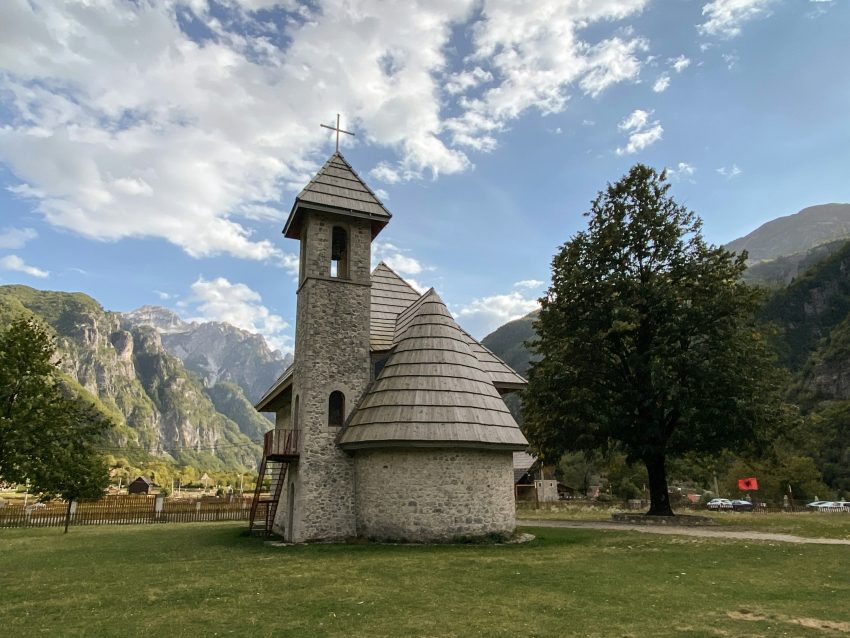
Visiting Theth
4. Hvar
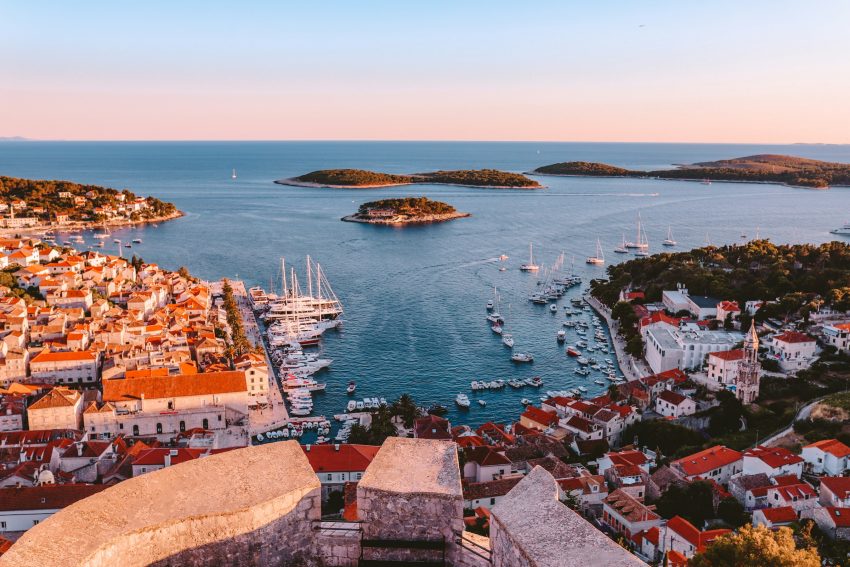
Visiting Hvar
5. Lezhë

Visiting Lezhë
Where to Stay in Dubrovnik
For Dubrovnik, the best area to stay depends on whether you want atmosphere, convenience, or space. Staying inside the Old Town puts you steps from the main sights and the evening buzz, which is ideal if you’re visiting for a short time and want to maximize walking access; choose it if you don’t mind stairs, occasional noise, and limited vehicle access. A strong option here is Hilton Imperial Dubrovnik, which is close to the Pile Gate for easy arrivals while still feeling polished and comfortable after busy sightseeing days.
If you want a more relaxed base with beaches, promenades, and lots of dining choices, Lapad is one of the most comfortable areas to stay, especially for couples and families who want downtime between Old Town visits. It’s well connected by bus and offers a resort-like feel without being isolated. Consider Hotel Dubrovnik Palace, which is known for sea views and a calmer setting, or Hotel Lapad, which suits travelers who want character, good access to transport, and an easy walk to waterfront cafés.
For practical arrivals, ferry connections, and better value—especially if you’re traveling with a car—Gruž is a smart choice. It’s less scenic than Lapad or the Old Town, but it’s convenient and often quieter at night, with straightforward access to buses and boats. A dependable pick is Berkeley Hotel & Day Spa, which works well for travelers who prioritize comfort, logistics, and a smoother start to day trips.
Using the our Hotel and Accomodation map, you can compare hotels and short-term rental accommodations in Dubrovnik. Simply insert your travel dates and group size, and you’ll see the best deals for your stay.
Dubrovnik Accommodation Map
Best Time to Visit Dubrovnik
Dubrovnik in Spring (March–May)
Spring is a strong choice for comfortable sightseeing, with mild days that suit walking the walls, exploring neighborhoods, and taking short boat trips before peak crowds arrive. The sea warms gradually, so swimming is more hit-or-miss early on, but the city feels fresh and lively.
Festival-wise, you’ll often find a growing calendar of cultural events and concerts as the season progresses, with more outdoor programming returning by late spring.
Dubrovnik in Summer (June–August)
Summer brings the hottest weather, the busiest streets, and the most reliable sea conditions for swimming, kayaking, and island-hopping. Expect strong sun, higher prices, and the need to plan popular sights early in the day or later in the evening.
A major highlight is the Dubrovnik Summer Festival, which typically fills the city with open-air theatre, music, and performances in atmospheric historic settings.
Dubrovnik in Autumn (September–November) (Best)
Autumn is often the sweet spot: the sea stays warm into September (and sometimes October), the heat eases, and crowds thin compared with midsummer. It’s ideal for combining beach time with long walks, scenic viewpoints, and relaxed dining.
You may also catch harvest-season food and wine events, and the overall pace feels more local while many services still operate on near-summer schedules in early autumn.
Dubrovnik in Winter (December–February)
Winter is quieter and cooler, with more variable weather and shorter days—better for museums, cafés, and slow exploration than for swimming. Some tours and boat services reduce frequency, but the city can feel wonderfully uncrowded.
Seasonal festivities around December can add atmosphere, with holiday markets and events that make the Old Town feel intimate and festive.
Annual Weather Overview
- January 11°C 55°F
- February 12°C 57°F
- March 14°C 60°F
- April 17°C 67°F
- May 21°C 74°F
- June 26°C 82°F
- July 28°C 87°F
- August 28°C 86°F
- September 26°C 82°F
- October 20°C 72°F
- November 16°C 64°F
- December 12°C 58°F
How to get to Dubrovnik
Getting to Dubrovnik by air
Nearest airports: Dubrovnik Airport (DBV) is the primary gateway. From the airport, you can reach the city by airport shuttle bus, taxi, or pre-booked transfer; travel time is typically around 25–40 minutes depending on traffic.
From other airports: If you're combining destinations, you may also route via Split Airport (SPU) and continue by bus or car along the coast, though it's a longer journey.
Getting to Dubrovnik by train
Dubrovnik does not have a train station, so rail travel requires combining trains with onward bus or car connections. A common approach is to take a train to Split or Ploče and continue by intercity bus.
Useful train operators (links): Croatia’s main rail operator is HŽPP: https://www.hzpp.hr/en. If you’re arriving via neighboring countries, you may also use ÖBB (Austria): https://www.oebb.at/en and Trenitalia (Italy): https://www.trenitalia.com/en.html for parts of your route before connecting onward.
Getting to Dubrovnik by Car
Driving can be scenic, especially along the Adriatic coast, but plan for summer congestion and limited parking near the Old Town. If approaching from the north, you’ll typically follow coastal roads; depending on your route, you may pass through border controls and should carry passports and vehicle documents.
If you’re staying outside the center, choosing accommodation with parking can make a big difference. For day visits, consider parking in designated lots and using local buses or walking into the Old Town.
Travelling around Dubrovnik
The Old Town is best explored on foot, but expect stairs and polished stone underfoot—comfortable shoes help. For beaches, viewpoints, and neighborhoods like Lapad and Gruž, local buses are practical and frequent in peak season.
Taxis and ride-hailing options can be convenient but pricier in summer. For nearby islands and coastal spots, use ferries and boat tours; schedules are most frequent from late spring through early autumn.