Amalfi Coast, Italy: The Ultimate Travel Guide 2026
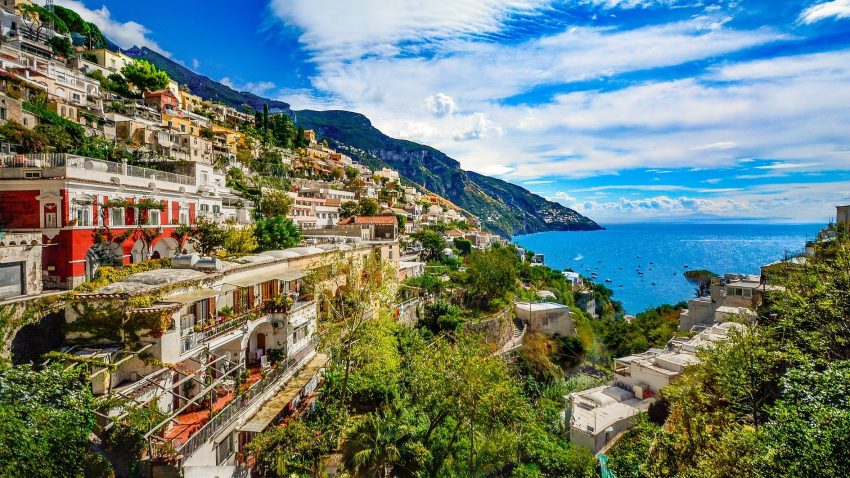
Stretching along the southern edge of Italy’s Sorrentine Peninsula in the Campania region, the Amalfi Coast is one of the most captivating coastal landscapes in the world. This UNESCO World Heritage area is celebrated for its dramatic scenery, where rugged cliffs plunge into turquoise waters and pastel-colored towns cling to steep hillsides. The region's winding coastal road, the SS163, links a series of picturesque villages and offers breathtaking views around every bend, making it a dream destination for photographers, road trippers, and romantics alike.
Visiting the Amalfi Coast is a feast for the senses - the scent of lemon groves lingers in the air, the sea sparkles below, and every town reveals its own unique character. From the glamorous terraces of Positano to the serene gardens of Ravello and the historic charm of Amalfi, each stop along the coast offers something special. Local ferries provide an easy and scenic way to travel between towns, offering unforgettable perspectives of the coastline from the water.
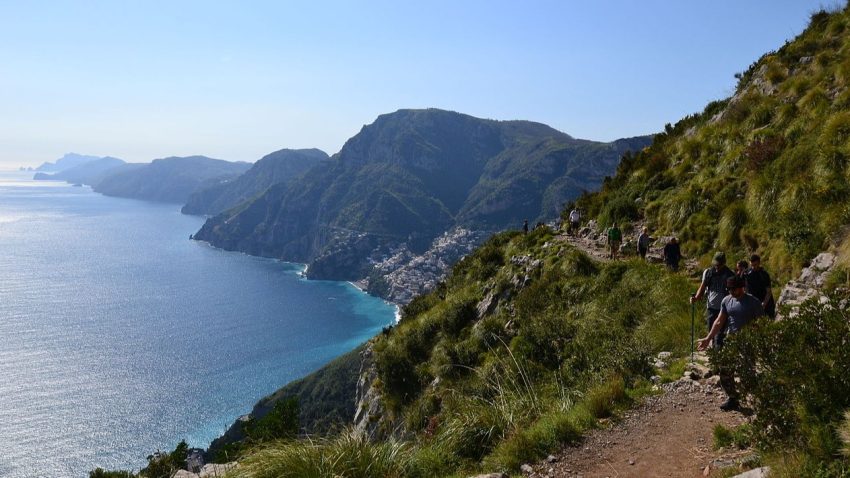
Whether you're exploring hidden coves, hiking the Path of the Gods high above the sea, or dining on fresh seafood by the harbor, the Amalfi Coast promises experiences that blend natural beauty with Italian elegance. The combination of mountains, sea, and culture makes it one of the most enchanting regions in Europe - a place where every moment feels cinematic and every view leaves a lasting impression.
History of Amalfi Coast
Early Settlements and Roman Era in Italy
The history of the Amalfi Coast stretches back to ancient times, when small coastal communities and maritime traders settled along its steep cliffs. During the Roman era, this area became a favored retreat for aristocrats seeking refuge from the bustle of Rome. Wealthy Romans built grand villas overlooking the sea, leaving behind traces of mosaic floors and decorative frescoes that still hint at the luxury of the period. The combination of fertile land and easy access to maritime routes made the region prosperous long before it rose to prominence in the Middle Ages.
The Maritime Republic of Amalfi in Italy
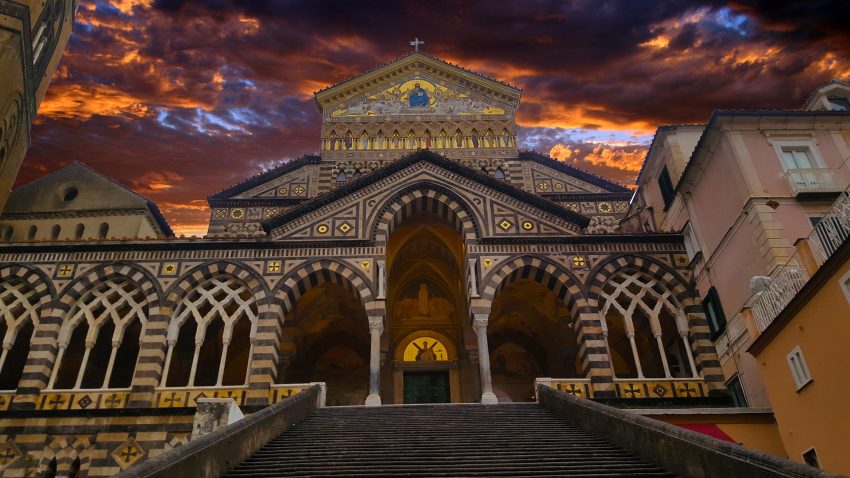
Amalfi reached its golden age between the 9th and 11th centuries as one of Italy’s powerful Maritime Republics, alongside Venice, Genoa, and Pisa. It became a vital hub of Mediterranean trade, linking Western Europe with the Byzantine Empire and North Africa. The Republic of Amalfi established the Tabula Amalphitana, a code of maritime law that influenced seafaring nations for centuries. During this period, the region flourished under the rule of its dukes, known as doges, who oversaw a thriving economy based on commerce, shipbuilding, and salt trading. The town’s cathedral and noble residences reflect the wealth and sophistication of this era.
Decline and Renewal of the Amalfi Coast in Italy
The prosperity of the Amalfi Republic began to wane after the Norman conquest in the 12th century, followed by devastating storms, earthquakes, and pirate raids. By the late Middle Ages, the coast’s maritime dominance had faded, and many towns turned inward to focus on agriculture, fishing, and small-scale trade. The region remained relatively isolated until the 19th century, when improved roads and growing interest from artists, poets, and travelers revived its fortunes. By the 20th century, the Amalfi Coast had become a symbol of Mediterranean beauty — a haven for writers, celebrities, and dreamers. Today, it stands as a timeless blend of natural splendor and cultural heritage, echoing the glories of its illustrious past.

Moira & Andy
Hey! We're Moira & Andy. From hiking the Camino to trips around Europe in Bert our campervan — we've been traveling together since retirement in 2020!
Visiting Amalfi Coast for the first time and wondering what are the top places to see in the city? In this complete guide, I share the best things to do in Amalfi Coast on the first visit. To help you plan your trip, I have also included an interactive map and practical tips for visiting!
This website uses affiliate links which earn a small commission at no additional cost to you.
4 Best places to See in Amalfi Coast
This complete guide to Amalfi Coast not only tells you about the very best sights and tourist attractions for first-time visitors to the city but also provide insights into a few of our personal favorite things to do.
This is a practical guide to visiting the best places to see in Amalfi Coast and is filled with tips and info that should answer all your questions!
1. Amalfi

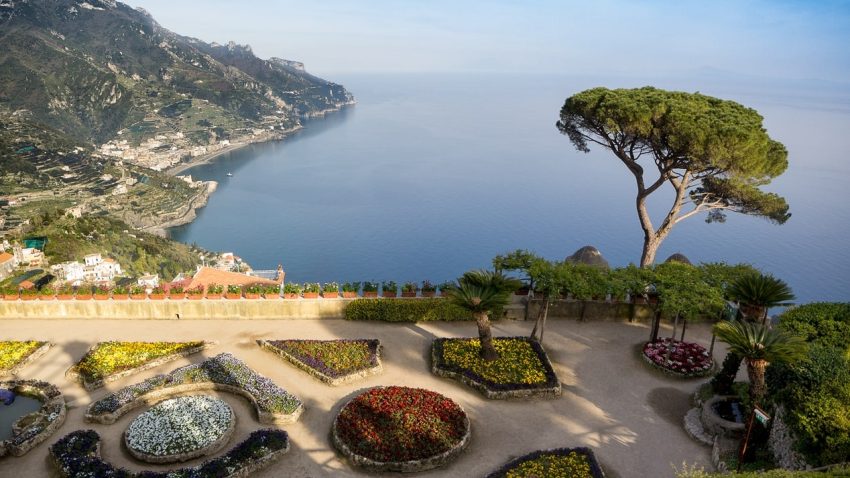
2. Ravello
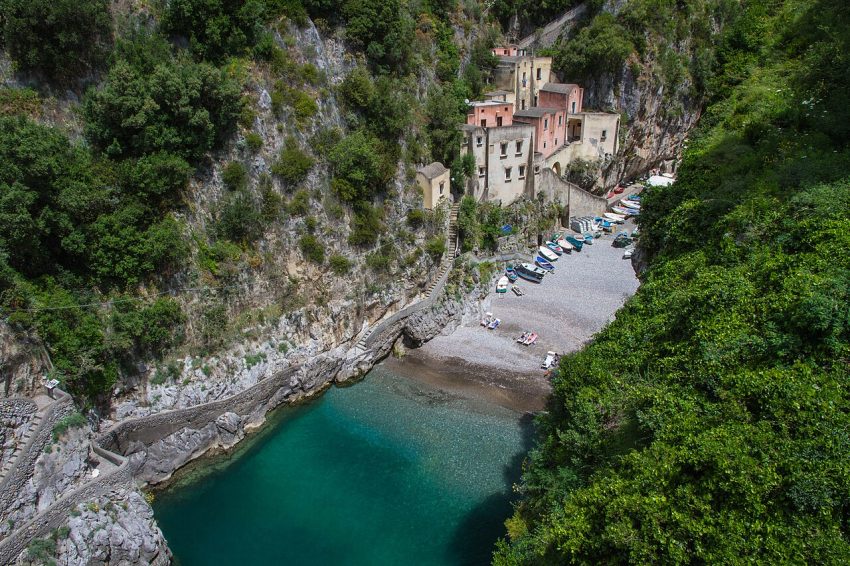
3. Furore Fjord
4. Hiking the Path of the Gods (Guide & Maps)
Best Day Trips from Amalfi Coast
A day trip from Amalfi Coast offers the perfect opportunity to escape the urban rhythm and discover the surrounding region's charm. Whether you're drawn to scenic countryside, historic villages, or cultural landmarks, the area around Amalfi Coast provides a variety of easy-to-reach destinations ideal for a one-day itinerary. If you are looking to rent a car in Italy I recommend having a look at Discover Cars, first, as they compare prices and review multiple car rental agencies for you.
1. Praiano
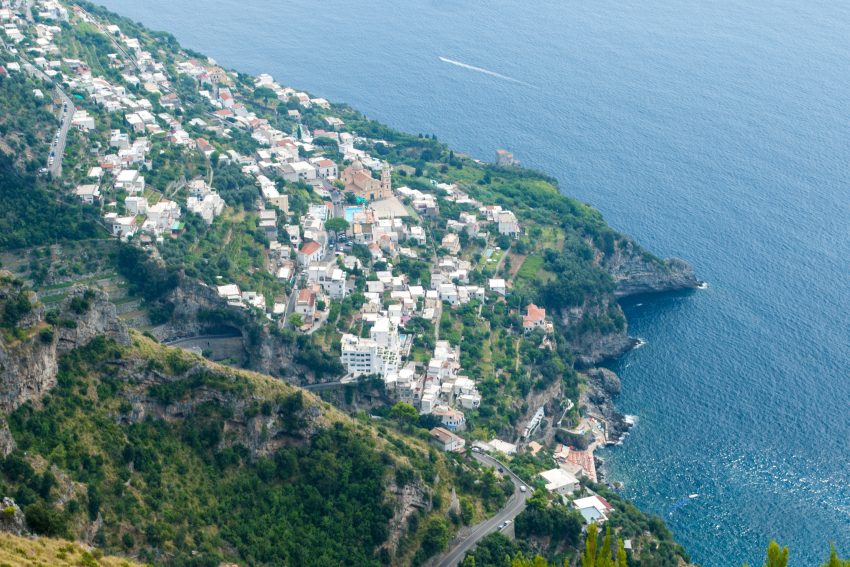
Location: Praiano SA, Italy | Distance: 6.5km
Visiting Praiano
2. Positano
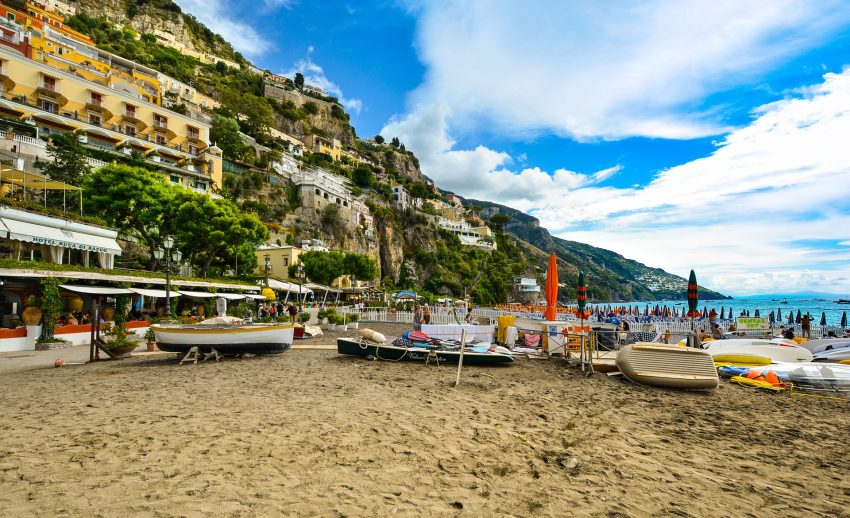
Visiting Positano
3. Vietri sul Mare
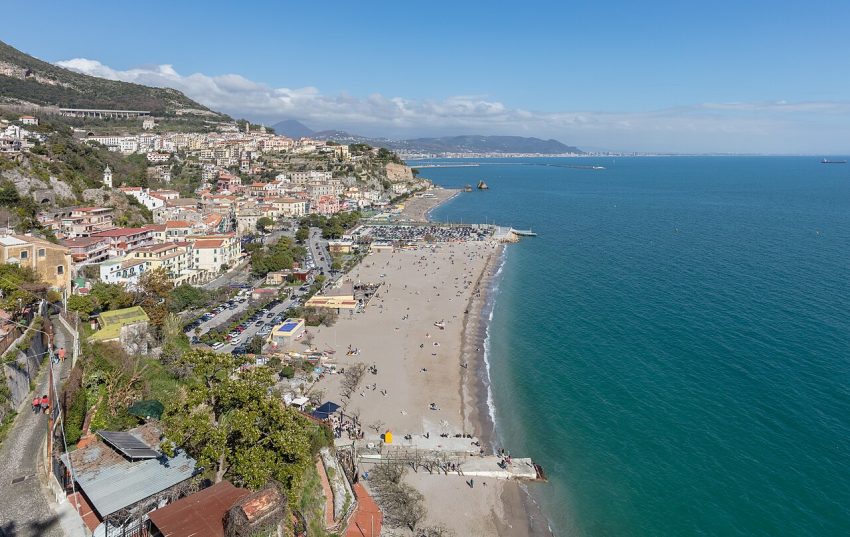
Visiting Vietri sul Mare
4. Salerno
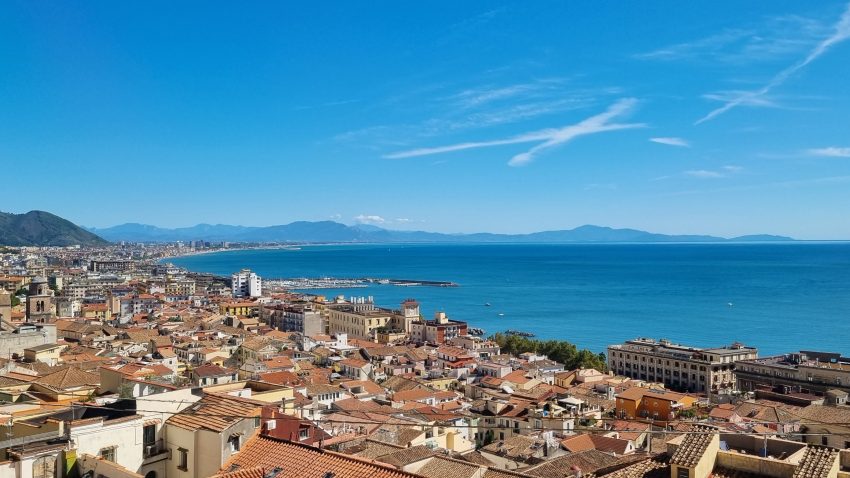
Visiting Salerno
5. Pompeii

Visiting Pompeii
6. Sorrento
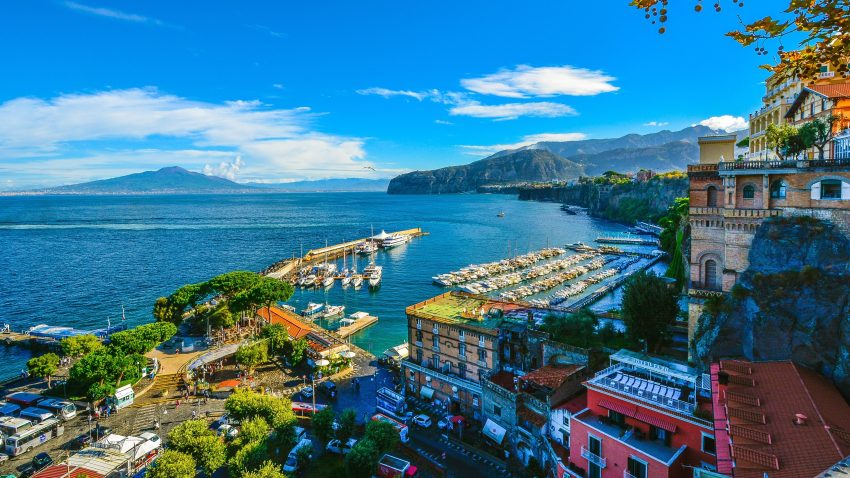
Visiting Sorrento
7. Mount Vesuvius
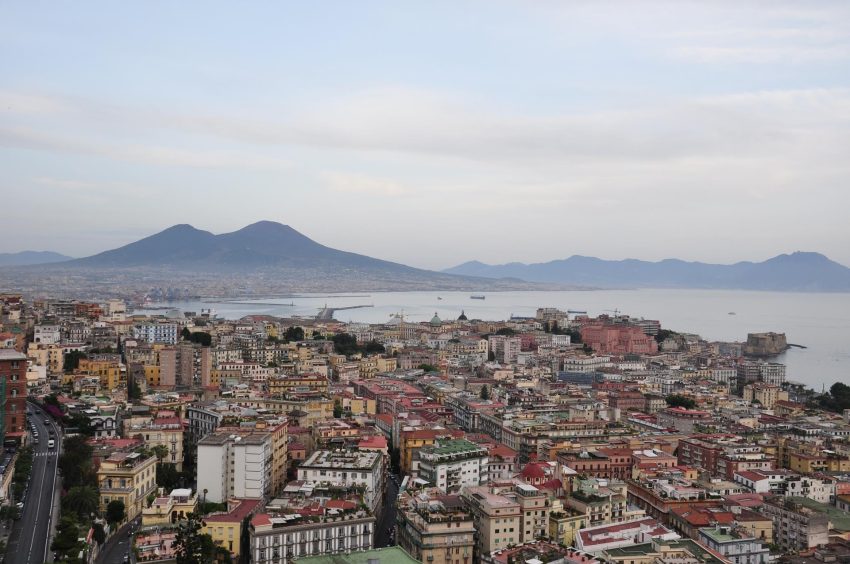
Location: Mount Vesuvius, Ottaviano, Metropolitan City of Naples, Italy | Hours: January – February: 9 am – 3 pm. March: 9 am – 4 pm. April, May & June: 9 am – 5 pm. July – August: 9 am – 6 pm. September: 9 am – 5 pm. October: 9 am – 4 pm. November – December: 9 am – 3 pm. | Distance: 25.6km
Visiting Mount Vesuvius
8. Capri
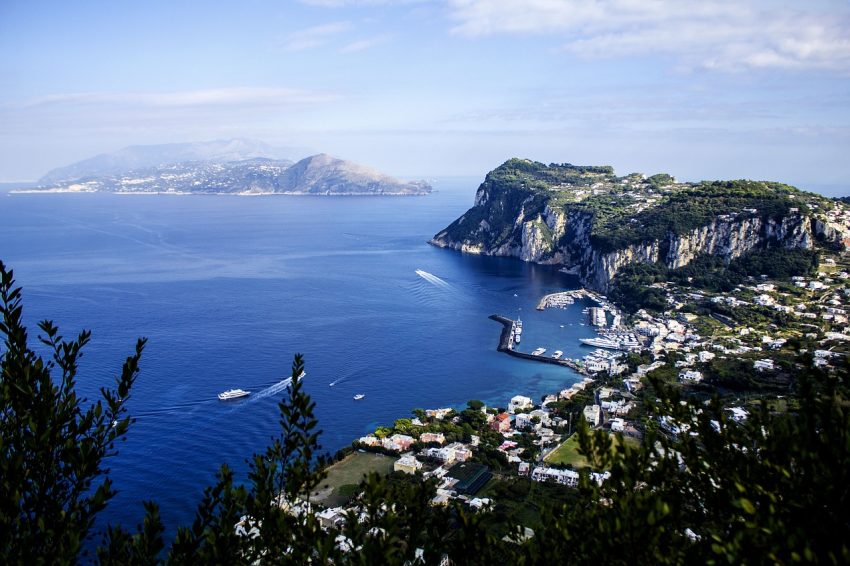
Visiting Capri
9. Naples

Visiting Naples
10. Paestum
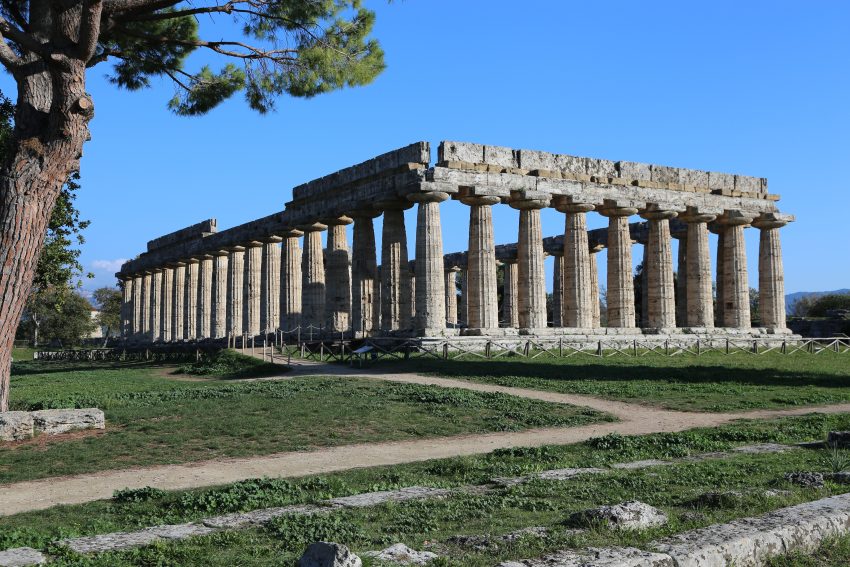
Location: Paestum, SA, Italy | Hours: Daily: 08:30–19:30. | Price: €15 (March–November); €10 (December–February). Reduced: €2 (EU ages 18–25). Free: under 18. | Website | Distance: 41.5km
Visiting Paestum
11. Barrea

Visiting Barrea
Where to Stay in Amalfi Coast
The Amalfi Coast offers an array of stunning places to stay, each town offering its own unique atmosphere and views. In Positano, the most iconic and romantic of the coastal towns, you’ll find pastel-colored buildings cascading down to the sea. It’s ideal for travelers seeking luxury, seaside views, and easy access to beaches. Le Sirenuse is one of the most celebrated hotels in Italy, known for its elegant rooms and panoramic terraces overlooking the bay. For something equally charming but more intimate, Hotel Marincanto provides cliffside rooms and a private beach area perfect for relaxing after a day exploring the town.
If you prefer a quieter atmosphere, Amalfi town offers a balance between history, convenience, and charm. Once a powerful maritime republic, it now features lively piazzas, picturesque alleys, and the famous cathedral as a backdrop. Hotel Santa Caterina is a refined five-star retreat set among lemon terraces, with private beach access and a Michelin-starred restaurant. For a more central option, Hotel Luna Convento occupies a former monastery with rooms facing the sparkling Mediterranean, offering a blend of history and elegance.
For travelers seeking peace and panoramic views, Ravello is an excellent choice. Perched high above the coast, it’s known for its beautiful gardens and cultural heritage. Hotel Villa Cimbrone offers timeless sophistication and one of the most photographed terraces in Italy — the Terrace of Infinity. Another exceptional choice is Belmond Hotel Caruso, a restored 11th-century palace with spectacular infinity pools and terraced gardens overlooking the sea.
Those looking for a more local experience should consider Praiano, a peaceful fishing village halfway between Amalfi and Positano. It’s less crowded but still offers incredible views and convenient access to the main attractions. Casa Angelina is a modern boutique hotel known for its minimalist design and exceptional hospitality. The slower pace and stunning sunsets make Praiano a favorite for travelers seeking a quieter yet equally beautiful base on the Amalfi Coast.
Using the our Hotel and Accomodation map, you can compare hotels and short-term rental accommodations in Amalfi Coast. Simply insert your travel dates and group size, and you’ll see the best deals for your stay.
Amalfi Coast Accommodation Map
Best Time to Visit Amalfi Coast
Visiting Amalfi Coast in Spring (Best)
Spring is widely regarded as the best time to visit the Amalfi Coast. From April to early June, the landscape bursts into color with blooming bougainvillea and wildflowers cascading down the cliffs. The weather is pleasantly warm, averaging around 20–25°C (68–77°F), and the sea begins to warm up enough for early swims. Crowds are smaller compared to the peak summer season, making it ideal for exploring towns like Amalfi, Positano, and Ravello at a relaxed pace. May also marks the start of the Ravello Concert Series, an annual music event held in scenic villas overlooking the coast, adding a touch of culture to the stunning scenery.
Visiting Amalfi Coast in Summer
Summer on the Amalfi Coast is vibrant, lively, and full of energy. From late June through August, the coast is in full swing, with temperatures ranging between 27–33°C (80–91°F). This is the prime season for beach lovers and nightlife enthusiasts, as beach clubs, bars, and restaurants stay open late. The towns are busy with international visitors, so booking accommodation well in advance is essential. Local festivals light up the coast, such as the Feast of Saint Andrew in Amalfi at the end of June, featuring fireworks and a colorful maritime procession. While the atmosphere is unbeatable, the heat and crowds can be intense, so early mornings and late evenings are the best times for sightseeing.
Visiting Amalfi Coast in Autumn
Autumn brings a calmer, more authentic charm to the Amalfi Coast. September and October are particularly pleasant, with warm days and cooler evenings, while the sea remains inviting for swimming. This is also harvest season, when vineyards and lemon groves fill the air with fresh, citrusy scents. Wine festivals and local food celebrations are common, especially in smaller inland villages. The crowds thin significantly after mid-October, giving you the chance to enjoy iconic sights and cliffside drives without the summer rush.
Visiting Amalfi Coast in Winter
Winter is the quietest time of year on the Amalfi Coast, stretching from November to March. Many hotels and restaurants close for the season, but the towns retain a peaceful, local feel. Temperatures average around 10–15°C (50–59°F), making it too cool for swimming but perfect for leisurely walks and scenic photography. December brings festive decorations and Christmas markets, with Amalfi’s Duomo beautifully illuminated. The coast’s serene atmosphere and lower prices make winter an appealing choice for travelers seeking tranquility and a glimpse of local life without the crowds.
Annual Weather Overview
- January 12°C 58°F
- February 13°C 59°F
- March 15°C 62°F
- April 19°C 70°F
- May 23°C 77°F
- June 30°C 89°F
- July 29°C 94°F
- August 31°C 91°F
- September 27°C 84°F
- October 23°C 76°F
- November 17°C 67°F
- December 14°C 60°F
How to get to Amalfi Coast
By Train
Apart from Sorrento and Vietri sul Mare, Italy's train system does not reach this mountainous coast. However, the region is well-served by frequent buses and an excellent fleet of speedy ferries that connect the coastal cities and provide easy access from Naples.
Bus and Ferry
At just €1.30 for a single-ride ticket (compared to €30 a day for a car rental plus €1.80/L for petrol), it’s a budget-friendly option that’s hard to ignore. With careful planning, the region’s extensive bus and ferry network can get you wherever you need to go, from coastal villages to mountain towns like Ravello and Agerola, the starting point for the Path of the Gods hike.
Amalfi, Sorrento, and Positano have the most ferry and bus connections. Ferries are the best option for traveling between coastal cities because they are faster and less crowded than buses. In either case, be sure to check transport schedules carefully. During the shoulder and off-seasons, services are drastically reduced, and during peak season, buses are often too packed to stop. Knowing when the next bus or ferry is coming can be very helpful.
You can buy bus tickets at tobacconists, directly onboard, or through the UnicoCampania app, which also provides real-time bus schedules and online ticket purchases. For ferries, booking tickets online at sites like Traghetti.com is recommended to avoid long queues at the port.