Which Six Bridges Cruise in Porto Should You Take in 2026?

This website uses affiliate links which earn a small commission at no additional cost to you.
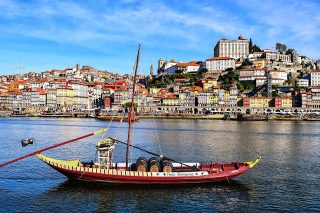
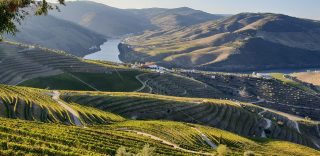
When researching what to do in Porto you will probably have come across boat trips on the Douro River and especially the 6 bridges cruise. The 6 Bridges Cruise is the most cost-effective boat trip and a great way to learn about the history and culture of Porto. The tour is usually on a replica Rabelo boat, retracing the historic path once taken by wine merchants transporting barrels of Port wine from the enchanting Douro Valley to Vila Nova de Gaia.
Leave the bustling city behind and unwind in the embrace of the river's serene waters while admiring the picturesque riverside town. Having personally experienced the 6 Bridges tour in Porto, I will provide valuable insights on its worthiness, the duration of the day cruise, and recommend the finest boat tours available in Porto.
Which Six Bridges Cruise in Porto should I Choose?
Six Bridges Boat Tour by Living Tours: The basic tour, typically lasting 50-minutes, can cost as little as £13 when booking online via GetYourGuide. They can depart from either side of the river at Ribeira Quay or Gaia Quay.
Six Bridges Douro River Cruise by Tomaz do Douro or Empreend. Tur. Lda: This tour is similar to the above, and costs slightly more at £16 when booking online via GetYourGuide.
Douro River Sailing Cruise with Port Wine by Mar Douro: This tour takes you on 31-foot classic motor sailor boat from Douro Marina to the mouth of the Douro River. Along the route you will be able to enjoy a Port wine tasting, including three types of Port wine (Ruby Port, Tawny Port, and White Port). Douro River Sailing Cruise + Port Wine
Tips for the Best Experience with Your Porto River Day Cruise
- While on the cruise, it is not permitted to use the front of the boat as a seating area. However, you are more than welcome to capture a memorable photo with the magnificent view.
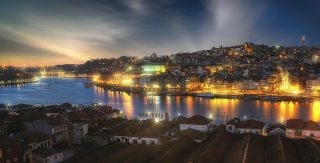
- If you're eager to witness Porto's breath-taking sunset from the waterfront area, it's advisable to plan your river cruise close to sunset. Porto is renowned for its incredible sunsets, making it a memorable experience to capture. We recommend scheduling your cruise around 5 pm, allowing ample time to enjoy the scenic views as the sun gracefully descends. After the cruise, you can continue immersing yourself in the captivating waterfront district, savouring the atmosphere until the sun has fully set.
- Please be aware that if you choose to sit on the left outer edge of the boat, there is a possibility of getting splashed. During my own tour, some of us experienced splashes while seated in that area, while the rest of the ship remained dry. While it wasn’t a major inconvenience for us, it prompted some other passengers to relocate to different seats. It’s worth considering this when deciding where to sit during your ride.
- To secure your spot on the river cruise, it is recommended to book your ticket in advance. However, if you’re uncertain about your schedule, you can purchase a ticket for the same day. Keep in mind that not all time options may be available, so be prepared for potential limitations. In my experience, I purchased my tickets on the same day and had to choose a slightly later time than originally intended. Fortunately, everything worked out well.
- To avoid any inconvenience or tangling caused by the wind, it is advisable to tie up your hair during the cruise. This simple precaution will help ensure a more comfortable and enjoyable experience on the boat.
- Don’t forget to bring both sunscreen and a light scarf, as it gets very sunny and windy at the same time.
FAQ for Six bridges cruise in Porto
How long does the cruise last?
The cruise lasts for 50 minutes. If you have purchased the ticket in advance, it is best to allow around an hour in total to exchange your voucher, check in, and disembark comfortably.
How much does a six bridges cruise in Porto cost?
Prices vary depending on the company you book with, but you can generally expect to pay around £13 per person for a standard, no-frills Six Bridges Cruise.
What is included in the price of the six bridges cruise in Porto?
The price usually includes the river cruise itself along with an audio guide or live commentary in your chosen language. Some cruises also include a glass of port wine, although these options tend to be priced slightly higher.
What time of day is the best time to take the cruise?
The cruise can be enjoyed in the morning, late afternoon, or close to sunset. Unlike Lisbon, only a limited number of companies operate evening or sunset departures, and most services finish by around 6:30 pm.
Is the six bridges cruise in Porto worth it?
Yes, the six bridges cruise is widely considered worth it, especially for first-time visitors. It offers a relaxed way to see Porto from the river, learn about the city's history, and enjoy views that are difficult to appreciate from land, all within a short time frame.
Do I need to book the six bridges cruise in advance?
Booking in advance is recommended during peak seasons such as spring, summer, and weekends. Same-day tickets are often available, but departure times may be limited.
Where does the six bridges cruise depart from?
Most cruises depart from either Ribeira Quay on the Porto side or Vila Nova de Gaia on the south bank of the Douro. Both locations are easy to reach on foot from the historic centre.
Is there commentary during the cruise?
Yes, most cruises include an audio guide or live commentary available in several languages. Headphones are sometimes provided, while other operators use onboard speakers.
Are the boats covered or open-air?
Traditional Rabelo-style boats are typically open-air with some covered seating. This allows for excellent views but means you should dress appropriately for sun or wind.
Is the six bridges cruise suitable for children?
Yes, the cruise is suitable for children and families. The short duration and gentle pace make it an easy activity for all ages.
Is the cruise wheelchair accessible?
Accessibility varies by operator. Some boats may have limited access due to steps and narrow gangways, so it is best to check with the cruise provider before booking.
Can I take photos during the cruise?
Photography is encouraged, and the cruise offers excellent opportunities to capture Porto’s bridges and riverfront. Standing at the front of the boat is usually restricted, but you can move around to find good angles.
Does the cruise go all the way to the ocean?
No, the standard six bridges cruise stays within the city and turns back near the Freixo Bridge. Cruises that reach the river mouth or the Atlantic are typically longer and sold as separate experiences.
What should I wear on the cruise?
Wear comfortable clothing and bring sun protection in warmer months. A light jacket or scarf is useful, as it can be windy on the river even on sunny days.
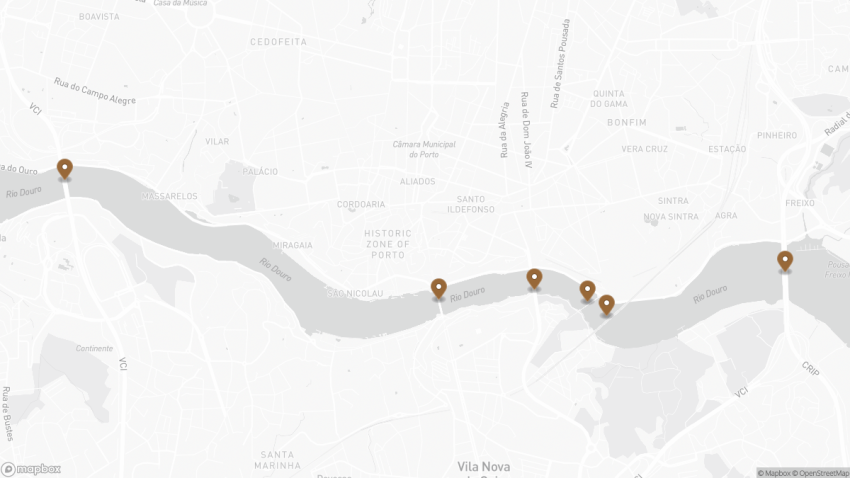
What are the 6 Bridges in Porto?
During your river cruise, you will encounter the six bridges in a specific order, each with its own unique characteristics. These bridges were constructed over several years, showcasing a diverse range of architectural styles. Below is information about each of the splendid bridges in Porto.
1. Dom Luís I Bridge
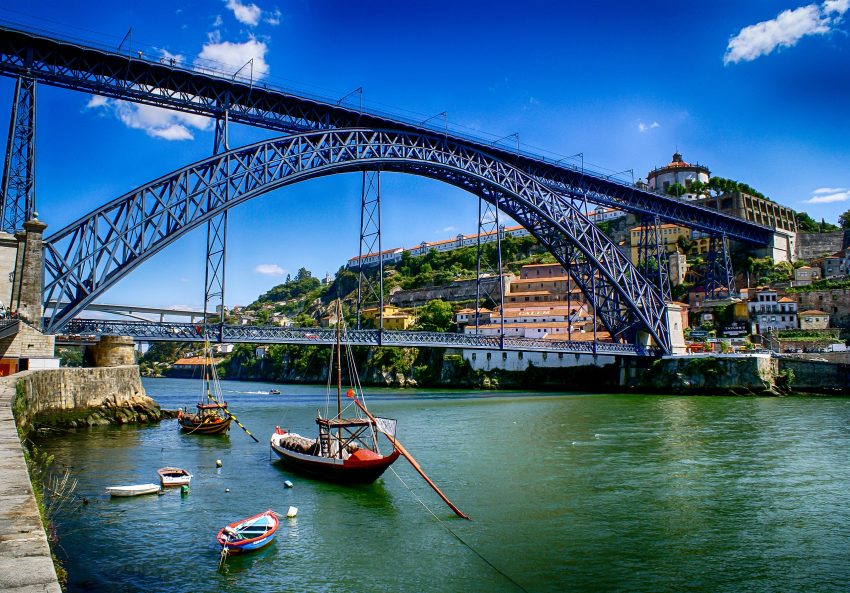
The Dom Luís I Bridge is the undisputed icon of Porto and the moment most passengers look forward to on the six bridges cruise. Its sweeping double-deck iron arch dominates the riverfront and offers one of the most recognisable cityscapes in Portugal. From the water, the scale of the structure becomes even more impressive, especially as the boat passes directly beneath the arch linking Ribeira and Vila Nova de Gaia.
Completed in 1886, the bridge was designed by the Belgian firm Société de Willebroeck under the direction of engineer Théophile Seyrig, a former collaborator of Gustave Eiffel. At the time of construction, it boasted the world’s largest wrought-iron arch span. Originally built to accommodate road traffic on both levels, the upper deck now carries the metro and pedestrians, while the lower deck connects the historic riverbanks.
During the cruise, this bridge often provides the most dramatic photo opportunities, particularly when sunlight reflects off the ironwork or when evening lights illuminate the structure. It is also a visual reminder of Porto’s industrial heritage and its long-standing relationship with the Douro River.
Location: Luís I Bridge, Ponte Luiz I, Porto, Portugal | Hours: 24 hours | Price: Free

2. Ponte do Infante

Ponte do Infante is a strikingly modern contrast to Porto’s older river crossings. Built in 2003 and named after Henry the Navigator, the bridge was designed to relieve traffic from the upper deck of the Dom Luís I Bridge following the introduction of the metro system.
Its single concrete arch spans 280 metres, a notable engineering achievement at the time of completion. From the river, the bridge’s clean lines and minimalist design stand out clearly against the city’s layered hillsides. The cruise offers an excellent vantage point to appreciate its scale without the distraction of traffic.
As the boat glides beneath Ponte do Infante, passengers also gain views toward Serra do Pilar, whose monastery sits prominently above Gaia. This section of the cruise highlights how Porto continues to balance modern infrastructure with historic surroundings.
Location: Ponte do Infante, Porto, Portugal | Hours: 24 Hours | Price: Free.
3. Maria Pia Bridge

The Maria Pia Bridge is one of the most historically significant crossings on the Douro and a highlight for engineering enthusiasts. Designed by Gustave Eiffel, this elegant iron railway bridge opened in 1877 and once connected Porto and Gaia by rail for more than a century.
From the river, its slender arch appears remarkably light despite its height of over 60 metres. The cruise allows you to fully appreciate the bridge’s delicate proportions, which were groundbreaking at the time and influenced future metal bridge construction across Europe.
Although no longer in use since rail traffic was diverted to the São João Bridge in 1991, Maria Pia remains a National Monument. Passing beneath it by boat offers a sense of stepping back into the golden age of industrial innovation.
Location: Ponte Dona Maria Pia, Oliveira do Douro, Portugal | Hours: 24 Hours | Price: Free
4. São João Bridge

The São João Bridge represents Porto’s modern rail infrastructure and marks a clear shift away from ornamental design toward functionality. Opened in 1991, it replaced the Maria Pia Bridge as the city’s primary railway crossing.
Constructed from reinforced concrete, the bridge spans the Douro with a streamlined, multi-lane deck supported by two massive pillars anchored in the riverbed. From the cruise, it appears understated but powerful, emphasising efficiency rather than visual drama.
As trains pass overhead, the bridge underscores Porto’s role as a major transport hub. While it may not be the most photogenic crossing, it plays a vital role in connecting Porto with southern Portugal.
Location: Ponte de São João, Porto, Portugal | Hours: Always visible; train crossings depend on rail schedules. | Price: Free.
5. Arrábida Bridge

The Arrábida Bridge is one of the most visually impressive moments of the six bridges cruise, particularly as the river begins to widen toward the Atlantic. Completed in 1963, it once held the record for the world’s largest reinforced concrete arch.
Designed by Portuguese engineer Edgar Cardoso, the bridge carries the A1 motorway between Porto and Lisbon. From the water, its massive arch feels monumental, rising high above the riverbanks and framing views of Foz do Douro and the river’s mouth.
In recent years, the bridge has also become an attraction in its own right, with guided climbs offering panoramic views from the top. From the cruise, however, it serves as a dramatic reminder of Porto’s engineering ambition in the mid-20th century.
Location: Ponte da Arrábida, Via de Cintura Interna, Porto, Portugal | Hours: Always accessible to view; road crossing operates continuously. | Price: Free.
6. Freixo Bridge

The Freixo Bridge is the most modern and easternmost crossing on the six bridges route. Opened in 1995, it was built to ease congestion and improve access to Porto’s inner ring road. The bridge actually consists of two parallel structures, separated by a narrow gap and spanning a total length of 750 metres.
From the river, Freixo marks the point where the city begins to feel less historic and more residential and industrial. It is also where the contrast between Porto’s traditional wine lodges and everyday urban life becomes most apparent.
As the cruise turns back toward Ribeira, Freixo serves as a quiet endpoint to the journey, highlighting how the Douro connects not only Porto’s past but also its present and future.
Location: Freixo Bridge, Circular Regional Interna do Porto, Porto, Portugal | Hours: Open 24/7 (public bridge and surrounding outdoor viewpoints). | Price: Free.

Moira & Andy
Hey! We're Moira & Andy. From hiking the Camino to trips around Europe in Bert our campervan — we've been traveling together since retirement in 2020!
This website uses affiliate links which earn a small commission at no additional cost to you.
Walking Tour Map