Complete Guide to Hesse (2026)
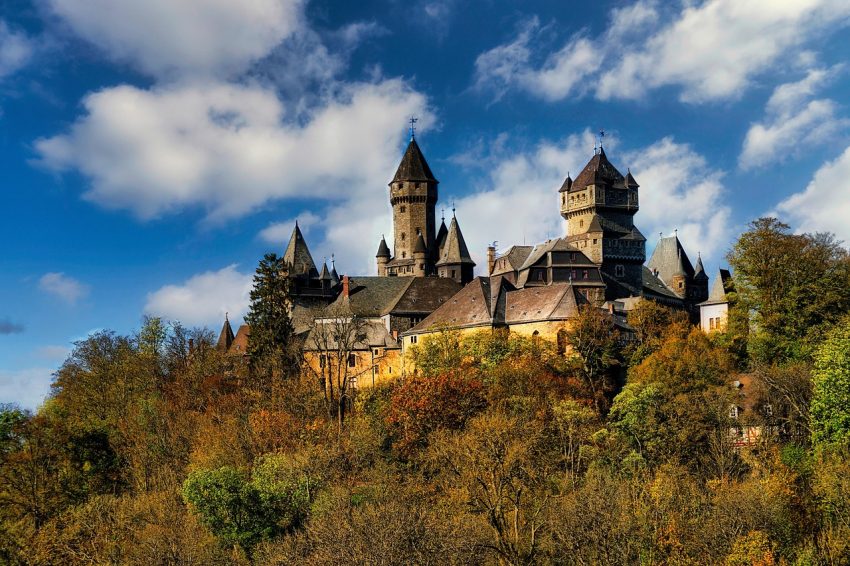
Hesse is a diverse and culturally rich region in central Germany, known for its mix of modern cities and traditional villages. The capital city, Wiesbaden, is a renowned spa town with a long history, offering visitors beautiful architecture and relaxing thermal baths. Frankfurt, the largest city in Hesse, is one of Europe’s major financial hubs, with towering skyscrapers and a thriving international business community. Despite its modernity, Hesse is home to picturesque towns such as Marburg, with its medieval charm, and Eltville, known for its vineyards and charming riverside setting along the Rhine River.
Hesse is also known for its stunning landscapes, with the Taunus Mountains and the Rhine and Lahn valleys offering an abundance of outdoor activities. Hiking, cycling, and exploring the Siegfried Line are popular pursuits, especially in areas like the Odenwald and the Rhine Gorge, both of which offer scenic trails with breathtaking views. The region’s natural beauty is complemented by serene parks, forests, and lakes, making it an attractive destination for nature lovers and outdoor enthusiasts. Whether it’s hiking in the Bergstrasse or cycling along the Rhine River, Hesse provides plenty of opportunities to experience Germany’s countryside.
Rich in cultural heritage, Hesse boasts numerous museums, galleries, and historical landmarks. Frankfurt is home to the famous Städel Museum, one of the most important art collections in Germany, as well as the Goethe House, dedicated to the famous writer who was born in the city. Wiesbaden offers a blend of historical landmarks and cultural events, such as the Wiesbaden Festival and the annual International Music Festival. The region also hosts various traditional festivals and events celebrating its folklore, wine, and gastronomy, offering visitors a glimpse into its rich cultural traditions and lively atmosphere.

Cities of Hesse
Kassel

Kassel is a city in northern Hesse, Germany, located on the Fulda River. It is the third-largest city in Hesse, with a population of approximately 200,000 people. The city has a rich cultural heritage, and it is known for its museums, parks, and historic landmarks. One of the most famous attractions in Kassel is the Bergpark Wilhelmshöhe, a UNESCO World Heritage Site that features the impressive Hercules monument and the Wilhelmshöhe Palace. The Bergpark is also home to the largest man-made cascading fountain in the world, the spectacular water features are turned on regularly during the summer months.
Another famous attraction in Kassel is the Documenta, an international contemporary art exhibition that takes place every five years. Documenta attracts art enthusiasts from around the world, and it is one of the most important contemporary art events in the world. Kassel is also home to several other museums, including the Fridericianum, which is one of the oldest public museums in Europe, and the Brothers Grimm Museum, which celebrates the lives and works of the famous Grimm Brothers who collected and published many fairy tales.
The city has a vibrant cultural scene, and it hosts several annual events, including the Kassel Documentary Film and Video Festival, the Kassel Literature Festival, and the Kassel Jazz Festival. The city also has a variety of restaurants, bars, and cafes, and it is known for its regional cuisine, including schnitzel, bratwurst, and apple wine.
Kassel has a strong industrial and economic base, with a focus on automotive manufacturing and engineering. The city is home to several universities and research institutions, which contribute to its innovative and forward-thinking culture.
View our Kassel GuideHanau

Hanau is a city in the state of Hesse, Germany. It is located about 25 kilometres southeast of Frankfurt and has a population of approximately 100,000 people. The city has a rich history that dates back to the 12th century. It was once the residence of the Counts of Hanau and was later ruled by the Electorate of Hesse. Hanau was also the birthplace of the famous Brothers Grimm, who collected and published many of the world’s most beloved fairy tales.
Today, Hanau is a modern and vibrant city that is known for its cultural heritage and historical landmarks. The city has a number of museums and galleries, including the Brothers Grimm Museum, the German Goldsmiths’ House, and the Hanau Art Museum. In addition to its cultural offerings, Hanau is also home to a number of beautiful parks and natural areas. One of the most popular parks is Wilhelmsbad, which features extensive gardens, fountains, and a picturesque lake.
Hanau is also a thriving economic centre, with a strong industrial and commercial sector. The city has a diverse economy that includes industries such as automotive engineering, electronics, and logistics. Overall, Hanau is a dynamic and diverse city that offers something for everyone. Whether you’re interested in history, culture, or nature, you’re sure to find plenty of things to see and do in this charming German city.
View our Hanau Guide
Marburg

Marburg is a small historic town located in the central part of Germany, in the state of Hesse. It is situated on the river Lahn and is known for its medieval architecture, picturesque streets, and rich cultural heritage. The town has a population of around 75,000 people and is home to one of the oldest and most prestigious universities in Germany, the Philipps University of Marburg.
Marburg was founded in the 9th century and has a rich history that spans over a thousand years. The town is known for its well-preserved medieval old town, which features a number of beautiful half-timbered houses and historic buildings, including the Marburg Castle, the Elisabethkirche (St. Elizabeth’s Church), and the Town Hall.
One of the most famous landmarks in Marburg is the Elisabethkirche, which is a Gothic-style church dedicated to St. Elizabeth of Hungary. It was built in the 13th century and is known for its stunning stained-glass windows and beautiful interior. The Marburg Castle is another popular attraction in the town. It was built in the 11th century and is now used as a museum.
Marburg is also famous for its association with the famous Brothers Grimm, who spent several years in the town and collected many of their famous fairy tales there. The Brothers Grimm Museum is located in the town and is dedicated to the life and work of the famous writers.
In addition to its rich history and cultural heritage, Marburg is also a lively university town with a vibrant arts and culture scene. It is home to a number of theaters, museums, galleries, and music venues, and hosts several festivals and events throughout the year.
View our Marburg GuideGelnhausen

Gelnhausen is a picturesque town located in the state of Hesse, German, founded in 1170. It is situated along the eastern bank of the Kinzig river, about 50 kilometers east of Frankfurt. The town has a rich history and was once an important centre of trade and commerce in the region.
Gelnhausen is known for its well-preserved medieval old town, which features narrow cobblestone streets, timber-framed buildings, and historic landmarks. One of the town’s most prominent landmarks is the Marienkirche, a stunning Gothic church built in the 14th century. Other notable sights include the Gelnhausen Castle, the Kaiserpfalz ruins, and the Stadtmauer, the town’s medieval walls and towers.
Overall, Gelnhausen is a charming and historic town with much to offer visitors interested in history, culture, and fairy tales.
View our Gelnhausen GuideBad Wildungen

Bad Wildungen is a small town located in the northern part of the state of Hesse, Germany. It is known for its picturesque setting, charming old town, and natural hot springs.
The town has a rich history, with evidence of human settlement dating back to the Stone Age. In the Middle Ages, Bad Wildungen was an important centre for salt production and trade, and the town’s old marketplace still bears witness to this history.
Today, Bad Wildungen is a popular destination for visitors seeking relaxation and wellness. The town is home to several natural hot springs, including the Helenenquelle and the Ursprungsquelle, which are said to have healing properties. Visitors can enjoy spa treatments, soak in the hot springs, and take walks through the town’s many parks and gardens.
Bad Wildungen is also a great starting point for outdoor activities in the surrounding area. The nearby Kellerwald-Edersee National Park offers hiking trails through beautiful forested areas, while the Edersee lake is a popular spot for swimming, boating, and fishing.
In addition to its natural attractions, Bad Wildungen is home to several cultural and historical sites. The Gothic-style church of St. Nikolaus is a must-see, and the town’s castle, Schloss Friedrichstein, is now home to a museum of local history.
Overall, Bad Wildungen is a charming and peaceful town that offers something for everyone, from history and culture to nature and wellness.
View our Bad Wildungen GuideAlsfeld
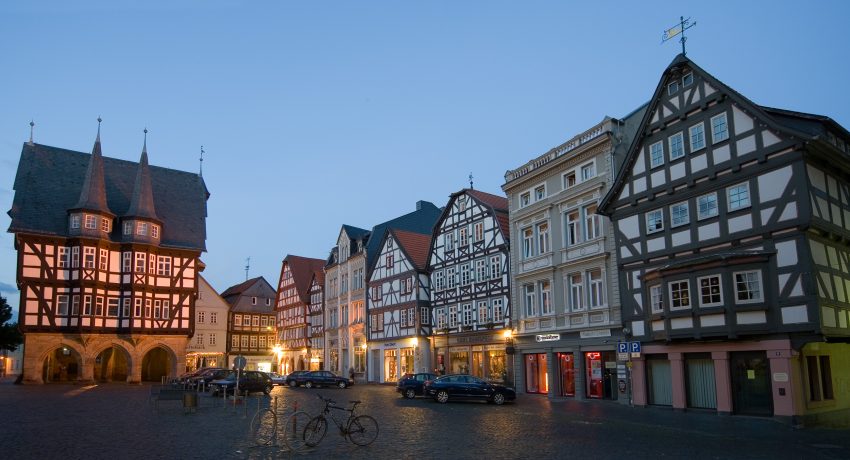
Alsfeld is a town located in the Vogelsbergkreis district of the state of Hesse, Germany. It has a population of approximately 17,000 people and covers an area of 76.84 square kilometers.
Alsfeld has a long and rich history, dating back to the early Middle Ages. The town was first mentioned in historical records in the year 1069, and has since then developed into an important center of trade and commerce. During the 16th and 17th centuries, Alsfeld became known for its flourishing cloth industry, which brought great prosperity to the town.
One of the most notable features of Alsfeld is its well-preserved historic town center, which has been designated as a protected historic monument. The town’s many half-timbered houses, which date back to the 16th and 17th centuries, give it a charming and picturesque atmosphere. Some of the most famous buildings in Alsfeld include the town hall, the Alte Kanzlei (Old Chancellery), and the Walpurgiskirche (St. Walpurga’s Church).
In addition to its historic buildings, Alsfeld is also known for its annual Alsfelder Märchen- und Sagenfest (Alsfeld Fairy Tale and Legend Festival), which takes place every September. The festival celebrates the town’s connection to the Brothers Grimm and their collection of fairy tales, many of which are set in the surrounding area.
In the world of fairy tales, Little Red Riding Hood plays a special role in Alsfeld. It is said that the Brothers Grimm were inspired by the traditional costume of Schwalm with its red cap.
Today, Alsfeld is a popular tourist destination, attracting visitors from all over Germany and beyond. It is also an important center of commerce and industry, with a thriving economy and a strong sense of community.
View our Alsfeld Guide
Schlüchtern
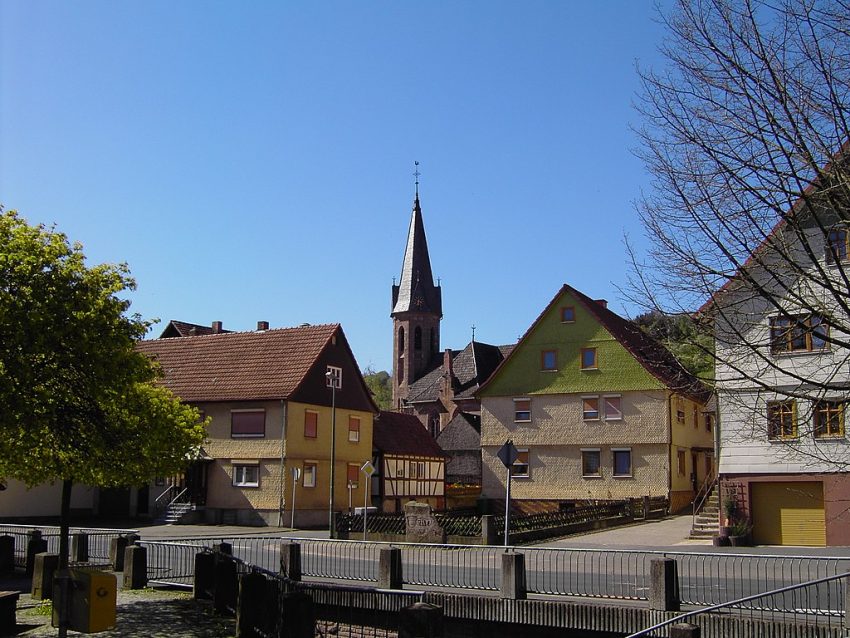
Schlüchtern is a charming town located in the Main-Kinzig district of Hessen, Germany. Nestled in the picturesque Bergwinkel region, between the low mountains of Vogelsberg, Spessart and Rhön, Schlüchtern is a hidden gem waiting to be discovered. With a population of nearly 16,000, it offers a tranquil retreat from the hustle and bustle of big cities.
The town is named after the river Kinzig that flows through it, in the southwest area of a hill known as Landrücken. Although it was officially documented for the first time in 1278, Schlüchtern’s history goes way back. The town’s name is believed to have been derived from a family that used the name Schlüchtern in the mid-12th century.
One of the town’s most prominent landmarks is the Benedictine abbey of Schlüchtern. Although its exact origins are unclear, the earliest reference to it dates back to 993 when Otto III granted the abbey sluohderin to the Bishop of Würzburg. The abbey played a crucial role in the region and had substantial land holdings beyond the Kinzig valley. However, its power declined during the Peasants’ War and the Reformation. Today, the abbey buildings serve as a Gymnasium and educational facility for the Protestant church.
The abbey church, which was rebuilt in Gothic style in the 15th century, became a teachers’ seminary in 1835/6. The crypt from Carolingian times is one of the few remaining structures from its early years.
Schlüchtern offers visitors a unique combination of rich history, scenic beauty and a peaceful environment. It is a perfect destination for those seeking to explore the lesser-known regions of Germany.
View our Schlüchtern GuideHofgeismar

Hofgeismar is a small town located in the north of the state of Hesse, Germany. It is situated on the banks of the river Diemel and is known for its timber-framed buildings and historic market square. The town has a rich history dating back to the Middle Ages, and was an important center of trade and commerce in the region. Today, Hofgeismar is a popular tourist destination due to its charming atmosphere and numerous historical landmarks.
One of the most notable landmarks in Hofgeismar is the Schloss Hofgeismar, a magnificent Renaissance-style castle that dates back to the 16th century. It is situated on a hill overlooking the town and the surrounding countryside. The castle is open to the public and features a museum, a library, and an art gallery. Another notable attraction in Hofgeismar is the Stadtkirche (Town Church), which dates back to the 12th century and features beautiful Gothic architecture. The church is home to several important works of art, including a large altar triptych and a carved wooden pulpit.
Hofgeismar is also known for its annual festival, the Kram- und Viehmarkt, which takes place in late August and features live music, carnival rides, and local food and drink. The festival has a history dating back to the Middle Ages, when it was an important market for goods and livestock.
View our Hofgeismar GuideHessisch Lichtenau

Hessisch Lichtenau is a small town located in the northern part of the state of Hesse, Germany. It is situated on the edge of the vast forested area known as the Kaufunger Wald, and is surrounded by rolling hills and beautiful countryside.
Hessian Lichtenau, the gateway to Frau Holle-Land at the foot of the Hoher Meißner and on the German Fairy Tale Route, presents itself as a romantic half-timbered town and ideal holiday home in the middle of an enchanting landscape. The closed half-timbered ensemble of the city center with the old town hall (1665), in which our Frau Holle Museum, the so-called “Holleum” has been located since 2011, and the Gothic town church (1415) inspire visitors again and again.
The Brothers Grimm’s most famous fairy tale, Frau Holle, revolves around the majestic Hoher Meißner mountain. According to the story, Frau Holle shook her beds from the mountain, causing snow to fall on the ground. Today, the legend lives on through the many fairy tales, myths, and sagas that recount the adventures of Mother Holle, who is revered as Hulda, Perchta, Freya, and Frigga, among other names, as an ancient female earth deity.
View our Hessisch Lichtenau GuideTrendelburg

Trendelburg is a small town in the district of Kassel, in the northern part of Hesse, Germany. It is located in the picturesque region of the Weserbergland hills, surrounded by forests, meadows, and rolling hills.
One of the main landmarks in Trendelburg is the castle of Trendelburg, which is perched on a hill overlooking the town. The castle dates back to the 13th century and is now a hotel and restaurant. Visitors can tour the castle and its medieval tower and enjoy views of the surrounding countryside.
Another popular attraction in Trendelburg is the Diemel bike path, which follows the course of the Diemel river and provides stunning views of the surrounding landscape. The town also offers various outdoor activities, including hiking, fishing, and kayaking, as well as cultural events such as concerts and festivals.
Trendelburg is also known for its traditional half-timbered houses, many of which date back to the 16th century. The town’s historic centre is a charming place to stroll, with cobblestone streets, quaint shops, and cozy cafes.
View our Trendelburg GuideSteinau an der Straße

Steinau an der Straße or Steinau on the street is a small town in the Main-Kinzig district in the state of Hesse, Germany. It is situated in the Spessart hills and has a population of around 10,000 people. The town is known for its well-preserved half-timbered houses, charming old town, and scenic location.
The town was first mentioned in 1140 and became a market town in the 14th century. In the 16th and 17th centuries, Steinau was ruled by the Counts of Hanau-Münzenberg and became an important centre of trade and commerce. During this time, many of the town’s most beautiful half-timbered houses were built, including the famous Brüder-Grimm-Haus, where the famous Brothers Grimm lived from 1791 to 1796.
Today, the town is a popular tourist destination, attracting visitors with its historic buildings, picturesque streets, and charming atmosphere. In addition to the Brüder-Grimm-Haus, visitors can also explore the Steinau Castle, the St. Peter and Paul Church, and the town’s many other beautiful half-timbered buildings.
The town is also known for its cultural events, such as the Steinauer Märchenwochen, a two-week festival celebrating the town’s fairy tale heritage. The festival includes performances of fairy tales, music, theater, and other events.
Overall, Steinau an der Straße is a charming town with a rich history and beautiful architecture, making it a must-visit destination for anyone traveling in the region.
View our Steinau an der Straße GuideHistory of Hesse
Hesse: Ancient Beginnings and Early Settlements
The history of Hesse dates back to ancient times, with evidence of early settlements by Celtic and Germanic tribes in the region. During the Roman Empire, the area was integrated into the Roman province of Germania Superior. Frankfurt, one of Hesse’s most famous cities today, was known as Aventicum during Roman times. By the end of the Roman Empire, the region became part of the Franks‘ territory and saw the rise of several early medieval kingdoms, with the Holy Roman Empire playing an important role in shaping the area’s early history.
Hesse: The Middle Ages to the Early Modern Period
During the Middle Ages, Hesse was split into several territories, including the Landgraviate of Hesse. It became a significant part of the Holy Roman Empire and grew in importance as a center of trade and politics. Marburg, a key town in Hesse, became an important university city in the 16th century, attracting scholars and intellectuals from all over Europe. The Landgraves of Hesse ruled much of the region, with their court in Kassel becoming an important cultural and political center. Hesse also played a key role in the Protestant Reformation, with many of its towns, such as Wiesbaden, supporting the Protestant cause.
Hesse: From the 19th Century to the Modern Era
The 19th century saw Hesse undergo significant political changes, particularly with the dissolution of the Holy Roman Empire and the formation of the German Confederation. Following the Napoleonic Wars, Hesse became a Grand Duchy under the rule of the Hesse-Darmstadt family. The region experienced industrialization, especially in cities like Frankfurt, which became an important financial hub in Germany. Hesse played a central role in Germany’s economic and political development, particularly with Frankfurt’s rise as the financial center of the country. After World War II, Hesse became a state within the newly-formed Federal Republic of Germany, and today it remains a vital region, with Frankfurt continuing to be a major global financial center.
Best Time to Visit Hesse
Visiting Hesse in Spring
Spring (March to May) in Hesse offers mild temperatures and pleasant weather for outdoor activities. In March, temperatures range from 5°C to 10°C during the day, with chilly nights averaging around 0°C to 3°C. By May, temperatures rise to between 15°C and 20°C during the day, with nights ranging from 8°C to 12°C. The region’s parks, vineyards, and forests begin to bloom, making it a great time for hiking or exploring historic towns like Wiesbaden and Marburg.
Visiting Hesse in Summer
Summer (June to August) is the most popular time to visit Hesse, with warmer temperatures and a range of festivals and outdoor events. Daytime highs range from 20°C to 30°C, with occasional heatwaves pushing the temperature above 30°C. Nighttime lows are typically mild, ranging from 15°C to 20°C. This is the peak season for outdoor activities such as hiking in the Taunus Mountains, cycling along the Rhine, and enjoying cultural festivals in Frankfurt or Wiesbaden.
Visiting Hesse in Autumn
Autumn (September to November) is a wonderful time to visit Hesse, as the weather cools down and the landscape transforms with vibrant fall colors. In September, daytime temperatures remain pleasant, ranging from 15°C to 22°C, but by November, temperatures drop to 5°C to 10°C during the day, with nighttime temperatures falling below freezing in some areas. The vineyards and forests in Rheingau and the Odenwald are particularly stunning during this time, making it perfect for scenic drives and wine tasting.
Visiting Hesse in Winter
Winter (December to February) in Hesse is cold, with daytime temperatures ranging from -2°C to 5°C. Nights can be much colder, often dipping below freezing. Frankfurt and Wiesbaden are popular during the winter holiday season, with Christmas markets and festive lights brightening the city. The cold weather and occasional snow also make this a great time for cozy indoor activities, or for visiting the Bergstrasse or Rhine Valley, which are particularly picturesque in winter.
Annual Weather Overview
- January 4°C 43°F
- February 7°C 49°F
- March 11°C 55°F
- April 16°C 65°F
- May 19°C 70°F
- June 23°C 77°F
- July 25°C 80°F
- August 26°C 82°F
- September 22°C 75°F
- October 15°C 62°F
- November 8°C 50°F
- December 6°C 46°F
How to get to Hesse
Getting to Hesse by Air
Frankfurt Airport (FRA)
The primary airport serving Hesse is Frankfurt Airport (FRA), one of the busiest international airports in Europe. It connects the region to global destinations with flights to major cities worldwide. Located about 12 kilometers from Frankfurt’s city center, the airport offers excellent transportation links, including direct train services into the city and other parts of Hesse.
Kassel-Calden Airport (KSF)
For travelers heading to the northern part of Hesse, Kassel-Calden Airport (KSF) provides domestic and European flights. It is located about 15 kilometers from Kassel, one of the key cities in the region, offering connections to various parts of Europe. From the airport, buses and rental cars are available to reach Kassel and nearby towns.
Frankfurt-Hahn Airport (HHN)
While technically located in Rhineland-Palatinate, Frankfurt-Hahn Airport serves the Hesse region and is a popular gateway for budget airlines. It is around 120 kilometers west of Frankfurt and offers affordable connections to various European destinations. Travelers can use buses or rental cars to reach Hesse‘s major towns.
Getting Around Hesse by Train
Deutsche Bahn (DB)
Deutsche Bahn operates the national and regional rail services that connect major cities and towns within Hesse. Frankfurt, the largest city in Hesse, serves as the main hub, with high-speed InterCity Express (ICE) trains connecting it to other German cities like Munich, Berlin, and Hamburg. Hesse is well-connected by regional trains, making it easy to travel between smaller towns and cities such as Wiesbaden, Marburg, and Kassel. Deutsche Bahn offers extensive timetables and booking services.
RMV (Rhein-Main-Verkehrsverbund)
For local travel within Frankfurt and the surrounding metropolitan area, the Rhein-Main-Verkehrsverbund (RMV) provides convenient regional train and bus services. RMV connects Frankfurt, Wiesbaden, and other nearby towns, offering a seamless way to get around the region. RMV is the best option for local public transportation in Hesse.
Getting Around Hesse by Car
Renting a car is an excellent way to explore the rural and scenic parts of Hesse, especially if you’re heading to smaller towns or picturesque villages. Major highways such as the A5 and A7 connect Frankfurt with other cities and towns across Hesse. The region is well-equipped with rental car services, and driving offers the flexibility to visit sites like the Bergstrasse or the Rhine Gorge.
Getting Around Hesse by Bus
Local and Regional Bus Services
In addition to trains, Hesse is well-served by an extensive bus network that connects smaller towns and remote areas to larger cities. Frankfurt, Wiesbaden, and Kassel are well connected to surrounding regions by regional buses, offering affordable and convenient transport options for short trips.
Long-Distance Bus Services
For longer trips, long-distance buses like FlixBus provide connections between major cities and towns in Hesse to other regions in Germany and beyond. These buses are an affordable option for travelers who wish to visit cities like Frankfurt, Kassel, or Wiesbaden from other parts of Germany. FlixBus is a popular option for long-distance travel.
Festivals in Hesse
Wiesbaden Wine Market
When: September
Where: Wiesbaden
The Wiesbaden Wine Market is a celebration of the region’s rich wine culture, offering visitors the chance to sample wines from local vineyards and enjoy live music and food stands in the picturesque Wiesbaden city center.
Frankfurt Book Fair
When: October
Where: Frankfurt
The Frankfurt Book Fair is the world’s largest trade fair for books, attracting publishers, authors, and literary enthusiasts from around the world. It’s a significant event for the book industry and features exhibitions, presentations, and literary events.
Kasseler Documenta
When: June to September (every five years)
Where: Kassel
The Documenta is one of the most important contemporary art exhibitions in the world, held every five years in Kassel. It attracts artists, curators, and art lovers from across the globe to experience cutting-edge modern art.
Wiesbaden Christmas Market
When: December
Where: Wiesbaden
The Wiesbaden Christmas Market is a magical winter event, transforming the city’s historic center into a festive hub with beautifully decorated stalls, handcrafted goods, delicious seasonal treats, and live entertainment.
Friedrichsdorf Summer Festival
When: July
Where: Friedrichsdorf
The Friedrichsdorf Summer Festival is a lively celebration of local culture with street food, music, dancing, and family-friendly activities. It brings the community together in the town of Friedrichsdorf for a fun-filled summer experience.
Mainz Carnival
When: February
Where: Mainz
Mainz Carnival is one of the largest and most famous carnivals in Germany, with elaborate parades, colorful costumes, and music filling the streets of Mainz. It’s a lively celebration before the start of Lent.
Bad Homburg Festival
When: August
Where: Bad Homburg
The Bad Homburg Festival is a cultural event featuring live music, theater performances, and outdoor activities in the beautiful Bad Homburg park. It’s a blend of entertainment and natural beauty, attracting visitors from across the region.
Frankfurter Fest
When: August
Where: Frankfurt
Frankfurter Fest is a large cultural festival that showcases music, theater, and arts in the heart of Frankfurt. The festival brings together international artists, offering a diverse program for visitors to enjoy.
Bergstrasse Wine Festival
When: September
Where: Heppenheim
The Bergstrasse Wine Festival in Heppenheim is a celebration of local wine production, with tastings, music, and food in the charming town of Heppenheim, located in the Bergstrasse wine-growing region.
Burgfest Festival
When: July
Where: Butzbach
The Burgfest Festival in Butzbach is a traditional medieval celebration held at the Butzbach Castle. Visitors can enjoy medieval reenactments, music, dancing, and food, providing a historical experience in this picturesque town.