Winchester College
Historic Building in Winchester
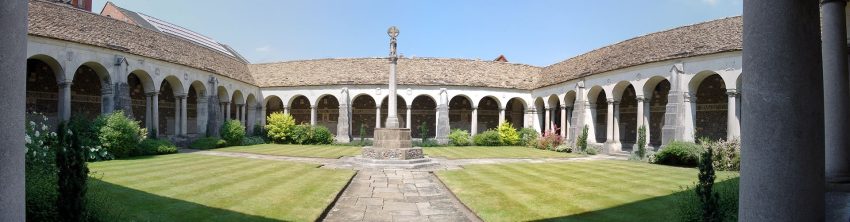
Winchester College is one of the most atmospheric historic visits in the city, founded in 1382 and still anchored in its original medieval heart. Visiting is done primarily through guided tours that lead you into a remarkably preserved world of flint-and-stone courtyards, cloisters, and the famous Seventh Chamber, often described as the oldest schoolroom in the country. It's an experience that feels both intimate and grand: you're not looking at a recreated past, you're walking through a place that has kept doing the same job for centuries.
The chapel is the emotional centre of the tour, with its fan-vaulted timber roof, medieval glass, and intricate details that reward a slow look, while the Treasury adds an extra layer with artworks and antiquities in a compact museum setting. If you're mapping out one of the top attractions in Winchester, this is an excellent anchor for a walking tour of Winchester because it sits close to the Cathedral and the historic core, making it easy to combine with other highlights on foot.
Table of Contents
- History and Significance of Winchester College
- Things to See and Do in Winchester College
- How to Get to Winchester College
- Practical Tips on Visiting Winchester College
- Where to Stay Close to Winchester College
- Is the Winchester College Worth Visiting?
- For Different Travelers
- FAQs for Visiting Winchester College
- Nearby Attractions to the Winchester College
History and Significance of Winchester College
Winchester College was founded in 1382 by William of Wykeham, Bishop of Winchester, with a mission that still shapes it today: educating scholars in a purpose-built community of learning. What makes it exceptional for visitors is continuity. The layout, the courts, and the ceremonial spaces were designed as a complete medieval institution, and many of those original elements remain legible as you move through the site.
The college’s courts are a visual lesson in medieval building craft and long-term stewardship, particularly in areas like Flint Court and Chamber Court, where the architecture feels calm, ordered, and unmistakably English in its materials and proportions. The Seventh Chamber is often the moment visitors remember most: a space that makes the abstraction of “oldest school in England” feel real in seconds, simply because it still looks and feels like a room designed for teaching.
The chapel deepens the story beyond bricks and mortar. It reflects the role of faith and ceremony in medieval education, and the cloisters-marked with generations of names-make the place feel lived in rather than frozen in time. The modern heritage programme, including the Treasury and changing exhibitions, adds a second narrative: how historic institutions care for collections, interpret their past, and open it to the public without losing their day-to-day purpose.
Things to See and Do in Winchester College
The classic visit is the guided tour, which concentrates on the medieval heart of the school and gives you access that you simply won’t get by peering through gates. Expect a strong “sequence” of spaces: courts that set the scene, the chapel as the showstopper, cloisters that slow the pace, and the schoolroom that ties the whole story back to learning and daily life.
Inside the chapel, give yourself permission to look up and linger. The roof, glass, and carved details are the kind of craftsmanship that photographs never fully capture, and it’s often the quietness of the space that makes it memorable. In the cloisters, the inscriptions and names add a human texture-less about famous people, more about the long chain of scholars who passed through.
Round out the visit with the Treasury, which feels like a “bonus room” for anyone who enjoys objects and stories: artworks, antiquities, and a curated glimpse into the college’s wider world beyond architecture. If you time it well, you can also catch the in-house gallery’s changing exhibitions, then step back into Winchester’s streets with a sharper sense of how closely the city’s history and institutions are intertwined.
How to Get to Winchester College
The nearest airport is Southampton Airport (SOU), with London Heathrow (LHR) and London Gatwick (LGW) also convenient for international arrivals. For the best deals and a seamless booking experience, check out these flights to Winchester on Booking.com.
Winchester is well connected by rail, and Winchester railway station is an easy walk or quick taxi ride from the historic centre and College Street. Train schedules and bookings can be found on Omio. Local buses also run into the city centre, and once you’re there, most of the main sights are best linked on foot.
If you’re driving, aim for city-centre car parks and then walk in, as the historic core is easier to enjoy without trying to thread a car through tight streets.
Practical Tips on Visiting Winchester College
- Entrance fee: Adult £12.60; Concession £11.70; Children under 11 free; Carers free. Treasury: Free.
- Opening hours: Monday - Sunday: 13:45 & 15:00
- Official website: https://www.winchestercollegeheritage.org/
- Best time to visit: Weekdays outside peak school-holiday periods tend to feel calmer, and earlier tour slots can be a little quieter in the courts and cloisters.
- How long to spend: Plan around 1-2 hours for the guided tour experience, then add extra time if you want to linger in the Treasury and explore nearby streets.
- Accessibility: Expect historic surfaces, steps, and uneven ground in places; if mobility is a concern, contact the heritage team in advance so you know what’s realistic on the day.
- Facilities: Visitor facilities are limited on the core site, so plan cafés and rest breaks in the city centre before or after your tour.
Where to Stay Close to Winchester College
For a culture-heavy itinerary, base yourself in central Winchester near the Cathedral and the historic core so you can walk everywhere; if your main focus is transport convenience for day trips, staying nearer the station makes arrivals and departures smoother while still keeping the centre close.
For a stylish, walkable base a short stroll from College Street and the Cathedral area, Hotel du Vin Winchester is a strong choice. If you want an easy, central hotel with a classic city-break feel and straightforward access to the main sights, The Winchester Hotel & Spa works well. For a location right by the Cathedral and the river walk, Mercure Winchester Wessex Hotel puts you in the middle of the historic atmosphere.
Is the Winchester College Worth Visiting?
Yes, particularly if you enjoy places where architecture and everyday tradition overlap. The tour-led format means you get context as you go, and the route through courts, chapel, and school spaces gives the visit a narrative shape rather than a random sequence of rooms.
It's also one of those visits that feels “distinctly Winchester.” Even if you've seen English cathedrals and castles elsewhere, Winchester College offers a different lens: medieval education as a living institution, preserved not as a museum piece but as part of the city's continuing fabric.
What Other Travellers Say...
Reviews Summary
Winchester College on College St in Winchester presents itself as an established educational institution in the heart of the city; visitors can expect a historic school setting and the atmosphere of a long-standing college when passing by or exploring the surrounding area.
For Different Travelers
Families with Kids
This visit works best for families when you frame it as a story, not a checklist: medieval school, secret-looking courtyards, and a famous old classroom. Younger kids often engage more when you point out details they can “spot” (carvings, inscriptions, unusual roof shapes) rather than expecting them to absorb long history.
Because tours are guided, the key is pacing. Bring a snack plan for afterwards and pair the visit with something open-air nearby, like the Cathedral close or a riverside walk, so the day has a good balance.
Couples & Romantic Getaways
Winchester College is a quietly romantic stop for couples who like atmosphere: enclosed medieval spaces, calm courtyards, and a chapel that feels genuinely transporting. It's especially good as a late-morning or early-afternoon visit, followed by a slow wander through the historic streets and a long lunch.
If you’re building a “walk and linger” day, this pairs beautifully with the Cathedral and a gentle evening circuit through Winchester’s older lanes. It’s the kind of itinerary that feels rich without being rushed.
Budget Travelers
The tour is a paid attraction, but it's good value if you treat it as a “main event” rather than a quick peek. Build the rest of your day around free or low-cost Winchester highlights-Cathedral surroundings, riverside walks, viewpoints, and historic streets-so your spending stays focused.
If you're travelling by train, this is an easy add-on because you can do a full Winchester day without needing local transport. Keep your schedule simple, and you'll get a satisfying mix of heritage and city atmosphere without extra costs.
History Buffs
For history lovers, the strength here is layered continuity: medieval foundations, evolving architecture, and an institution that remained active throughout. The chapel and schoolroom are the headline moments, but the small details-the way spaces connect, the inscriptions in the cloisters, the objects in the Treasury-are what make it feel like a deep visit rather than a superficial one.
If you want to go further, combine it with a broader Winchester day focused on power and learning: Cathedral, Great Hall, and the older city fabric that explains why Winchester mattered so much over the centuries.
FAQs for Visiting Winchester College
Getting There
Tickets & Entry
Visiting Experience
Tours, Context & Itineraries
Photography
Accessibility & Facilities
Food & Breaks Nearby
Safety & Timing
Nearby Attractions to the Winchester College
- Winchester Cathedral: A landmark medieval cathedral with superb architecture, historic tombs, and an atmospheric close.
- The Great Hall and King Arthur's Round Table: A must for English royal history fans, with a famous symbolic artefact on display.
- Wolvesey Castle (Old Bishop's Palace): Evocative ruins that add a powerful medieval layer to a Winchester heritage day.
- Winchester City Mill: A working historic mill by the river that's ideal for a short, scenic stop.
- Westgate Museum: A small museum in a medieval city gate with great views and a focused look at Winchester's civic past.
The Winchester College appears in our Complete Guide to Visiting Winchester!

Moira & Andy
Hey! We're Moira & Andy. From hiking the Camino to trips around Europe in Bert our campervan — we've been traveling together since retirement in 2020!
This website uses affiliate links which may earn a commission at no additional cost to you!
Planning Your Visit
Monday – Sunday: 13:45 & 15:00
Adult £12.60; Concession £11.70; Children under 11 free; Carers free. Treasury: Free.
Nearby Attractions
- Jane Austen's House (0.1) km
Historic Building - Winchester's Pilgrim's Hall & Priors Gate (0.1) km
Historic Building - Kingsgate (0.2) km
Church and City Gate - Winchester Cathedral Close (0.2) km
Historic Site - Wolvesey Castle (0.2) km
Palace - Winchester Cathedral (0.3) km
Cathedral - Itchen Navigation Heritage Trail (0.3) km
Walk - St Mary Magdalen Hospital Alms-houses (0.4) km
Historic Building - Nunnaminster (0.4) km
Abbey - Winchester Guildhall (0.4) km
Historic Building and Tourist Office