Washhouses of Saint-Émilion
Historic Site in Saint-Émilion
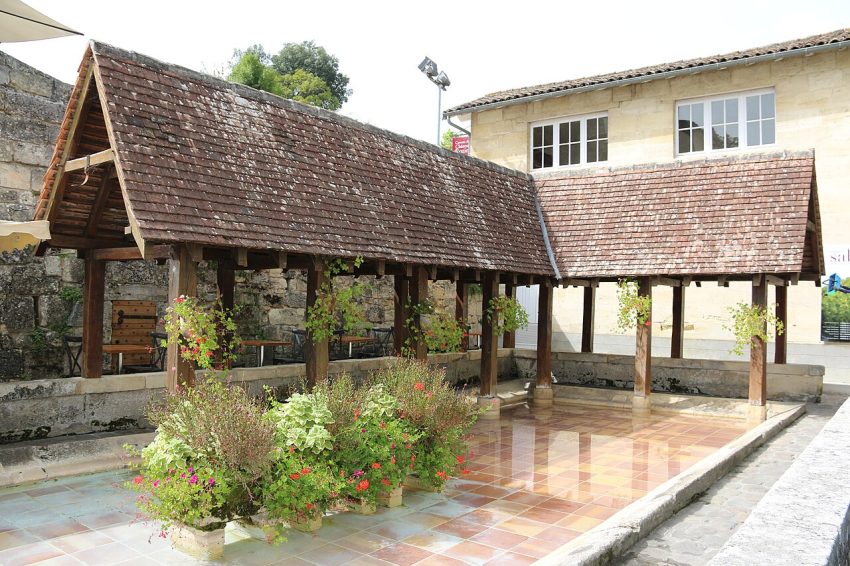
La Grande Fontaine and La Petite Fontaine are two of Saint-Émilion's most atmospheric “everyday history” stops: 19th-century washhouses tucked into the lower town, where water still runs and the stone feels cool even on hot days. They are easy to miss if you stay only on the main medieval lanes, but once you find them, they instantly make the town feel more human-less postcard, more lived-in. This spot is one of the things to see in Saint-Émilion if you like small places that tell a bigger story without needing a ticket or a plan.
The charm comes from contrast and proximity. La Grande Fontaine (often linked with the King's Fountain) feels more formal, with a decorative wall and a sheltered structure, while La Petite Fontaine (the Place Fountain) is smaller and more tucked away, like a secret recess you discover mid-stroll. They also fit naturally into a walking tour of Saint-Émilion because they sit away from the busiest viewpoints, giving you a quiet pause between churches, gates, and tasting stops.
Table of Contents
- History and Significance of the La Grande Fontaine and La Petite Fontaine
- Things to See and Do in the La Grande Fontaine and La Petite Fontaine
- Practical Tips on Visiting the La Grande Fontaine and La Petite Fontaine
- Where to Stay Close to the La Grande Fontaine and La Petite Fontaine
- Is the La Grande Fontaine and La Petite Fontaine Worth Visiting?
- For Different Travelers
- FAQs for Visiting La Grande Fontaine and La Petite Fontaine
- Nearby Attractions to the La Grande Fontaine and La Petite Fontaine
History and Significance of the La Grande Fontaine and La Petite Fontaine
These two washhouses date to the 19th century, when Saint-Émilion still relied on public water points not only for practical needs, but as social spaces where news and daily life circulated along with the flow of water. The fountains were working infrastructure first, and the fact that they remain visible today offers a rare glimpse of how the town functioned beyond its grand religious monuments and fortified edges.
What makes them particularly interesting is the way they reflect old social geography. La Grande Fontaine is traditionally associated with washerwomen from wealthier districts, with its covered design offering shelter and a more “finished” feel, while La Petite Fontaine was used by people from more modest quarters and was originally simpler. You can read that hierarchy in the setting even now: one feels like a small public room, the other like a practical nook.
Both fountains are tied together by the same underground water source, and local legend links that source to Saint Émilion himself. Whether you take that story literally or not, it adds a layer of meaning: water here is not just utility, but part of the town’s identity, connecting landscape, faith, and daily life in a single thread.
Things to See and Do in the La Grande Fontaine and La Petite Fontaine
Start with La Grande Fontaine and take a moment to look at the front wall details and the sheltered basin area. It’s one of those places where the sound of water does half the work, and the architecture feels designed for people who once spent real time here rather than simply passing through.
Then go find La Petite Fontaine for the contrast. It’s smaller, quieter, and more hidden, and that’s exactly the point: it makes you explore the lower streets more carefully, noticing corners and levels you might otherwise skip. The shift in scale between the two washhouses is a simple but powerful way to understand how public spaces once reflected class and neighbourhood.
Finally, treat the fountains as a reset stop. They’re ideal for a few photos, a short breather, and a slower pace before you climb back toward the main lanes and viewpoints.
Practical Tips on Visiting the La Grande Fontaine and La Petite Fontaine
- Entrance fee: Free
- Opening hours: 24 Hours
- Best time to visit: Go in the morning for a quieter feel, or mid-afternoon in summer when the lower streets and water create a welcome cool-down.
- How long to spend: 20-35 minutes is ideal to see both fountains at an unhurried pace, with time for a few photos and a short pause.
- Accessibility: Expect cobbles, slopes, and uneven surfaces on the lower-town lanes, so take it slowly if mobility is limited.
- Facilities: There are no facilities at the fountains themselves, so plan restrooms and longer breaks around cafés in the central streets.
Where to Stay Close to the La Grande Fontaine and La Petite Fontaine
For a culture-heavy itinerary, base yourself inside Saint-Émilion’s medieval centre so you can walk everywhere and enjoy the town early and late; if your main focus is vineyard touring and day trips, staying just outside the village is often quieter and easier for parking and quick departures.
If you want a practical, characterful base close to the lanes that lead down toward the fountains, Au Logis des Remparts is a strong option for a walk-everywhere stay. For a central location that makes it easy to dip into the town at quieter hours, La Maison du Clocher keeps you right in the medieval atmosphere. If you prefer more space and a calmer retreat between tastings and sightseeing, Château Hôtel Grand Barrail works well as a comfortable base just outside the core.
Is the La Grande Fontaine and La Petite Fontaine Worth Visiting?
Yes, especially if you enjoy the kind of travel detail that most people walk past. These washhouses are small, but they add depth: they show how Saint-Émilion worked as a town, not just how it impressed visitors, and they're refreshingly quiet compared with the central squares.
They’re also worth it for pacing. The walk down into the lower lanes, the cool air near the water, and the quick return to the main streets creates a satisfying rhythm in your day without costing anything or requiring a booking.
What Other Travellers Say...

Grande fontaine - Fontaine du Roi at 1 Escalette de la Grande Fontai, Saint-Émilion, is a perpetually accessible historic fountain and local point of interest open 24 hours; visitors note it's a pleasant spot though some have found only a trickle of water, and others remark it has been adapted around a bar patio, altering the setting.


For Different Travelers
Families with Kids
These fountains are a good family stop because they’re outdoors, quick, and naturally engaging-moving water, hidden corners, and a simple “find the second fountain” mini-quest. The lower-town detour can also feel like a small adventure compared with the busier central lanes.
Keep the visit easy by treating it as a short loop rather than a long history lesson. A brief pause for photos and a story about how people once washed clothes here is usually enough to make it memorable.
Couples & Romantic Getaways
For couples, the fountains are a quieter, more intimate Saint-Émilion moment-stone, water, and a slower pace away from terraces and crowds. They're ideal for an unhurried wander where the town feels more like a lived place than a checklist of sights.
They also pair well with a relaxed day of tasting and strolling. Use the fountains as your calm interlude, then climb back up toward dinner or a glass of wine with the feeling you’ve seen a more secret side of the village.
Budget Travelers
This is an excellent budget-friendly detour: free, atmospheric, and genuinely distinctive. It's the kind of stop that proves Saint-Émilion rewards wandering well, not only paying for tours and tastings.
Build your route around free highlights like lanes, gates, viewpoints, and these washhouses, then spend selectively on one paid experience you care about most, such as a cellar visit or a château tasting.
FAQs for Visiting La Grande Fontaine and La Petite Fontaine
Getting There
Visiting Experience
Tours, Context & Itineraries
Photography
Accessibility & Facilities
Food & Breaks Nearby
Safety & Timing
Nearby Attractions to the La Grande Fontaine and La Petite Fontaine
- Tour du Roy: A medieval keep that adds defensive-history context and a rewarding viewpoint when open.
- Porte Brunet: A surviving medieval gate that works as a scenic threshold between town and valley views.
- Les Grandes Murailles: A dramatic monastery wall fragment set beside vines, ideal for a quick photo and a quieter walk.
- Cloître des Cordeliers: A beautiful cloister with limestone cellars that blends heritage with a distinctly local wine experience.
- Place de l'Église Monolithe: The town's central square and best orientation point, framed by terraces and the bell-tower skyline.
The Washhouses of Saint-Émilion appears in our Complete Guide to Visiting Saint-Émilion!

Moira & Andy
Hey! We're Moira & Andy. From hiking the Camino to trips around Europe in Bert our campervan — we've been traveling together since retirement in 2020!
This website uses affiliate links which may earn a commission at no additional cost to you!
Planning Your Visit
24 Hours
Free
Nearby Attractions
- Tour du Roy (0) km
Castle and Tower - Chapelle de la Trinité (0.1) km
Church - Hermitage of Saint Emilion (0.1) km
Religious Building - Monolithic Church of Saint-Émilion (0.1) km
Church - Place de l’Église Monolithe (0.1) km
Square - Bell Tower of the Monolithic Church (0.1) km
Tower - Logis de Malet (0.2) km
Historic Building - Cloître des Cordeliers (0.2) km
Convent - Porte de la Cadène (0.2) km
City Gate - Collegiate Church of Saint-Émilion (0.2) km
Church