Vieux Lyon
Area in Lyon
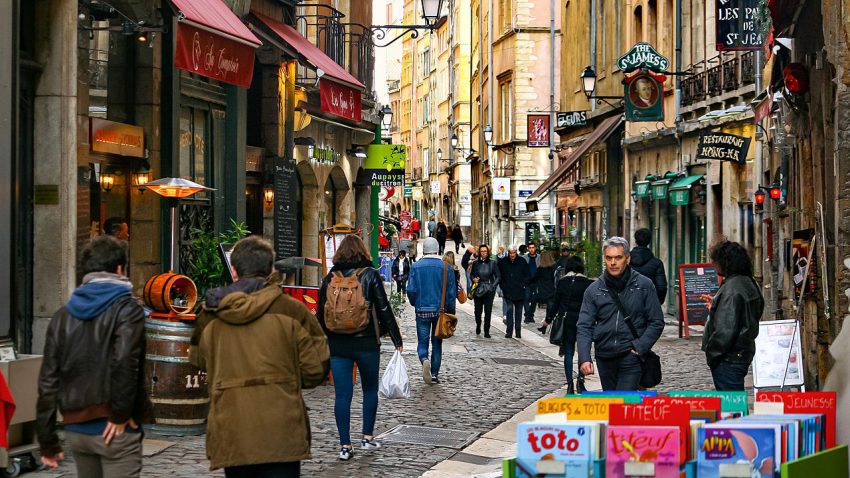
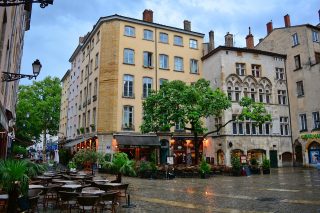
Vieux Lyon is the kind of neighbourhood that makes you slow down without even realising it. Cobblestone streets twist between colourful Renaissance façades, wrought-iron signs swing above shopfronts, and quiet courtyards hide just a doorway away from the main lanes. This is one of the best places to visit in Lyon if you love cities with a strong sense of place: every alley seems to tell a story, from the days when merchants and canons lived here to the silk workers and students who later made the quarter their own. You can spend hours wandering, discovering everything from tiny artisan boutiques to cafés serving praline tarts and hearty Lyonnais specialities.
One of the most intriguing parts of exploring Vieux Lyon is its traboules, the narrow covered passageways that cut through buildings and courtyards. Originally used by silk workers to move bolts of fabric while staying sheltered from the rain, they now offer a small thrill of discovery as you slip through ordinary-looking doors and emerge into hidden spaces. Some of the best-known traboules are marked with discrete plaques and open to the public, but there are always new ones to find, especially if you join a guided traboules tour to uncover the stories behind them. Combined with Gothic churches, Renaissance townhouses and lively bouchons, they make Vieux Lyon a great place to visit on a walking tour of Vieux Lyon, especially if you enjoy exploring at a human pace.
History and Significance of Vieux Lyon
Vieux Lyon grew up on the right bank of the Saône, at the foot of Fourvière Hill, where the city's merchants and clergy clustered between river and slope. In the late Middle Ages and Renaissance, this district flourished as a trading and religious centre, with Italian and Flemish influences filtering in through commerce and royal patronage. The tall, narrow houses with inner courtyards and external galleries that you see today are a legacy of that period, when space was precious and plots were built up rather than out.
Over time, the area's fortunes waxed and waned. As the city expanded across the Presqu'île and later towards the Rhône, Vieux Lyon gradually became less fashionable and, by the 19th and early 20th centuries, was sometimes seen as cramped and insalubrious. That decline, however, is part of what saved it: instead of being systematically redeveloped, many old buildings survived more or less intact. In the 1960s, thanks to the efforts of preservationists and local politicians, Vieux Lyon became France's first protected historic sector, marking a turning point in attitudes to urban heritage.
Today, the district is a core part of Lyon's UNESCO World Heritage listing, recognised as one of Europe's best-preserved ensembles of Renaissance urban fabric. The mix of Gothic churches, Renaissance townhouses, traboules and riverside quays offers a tangible sense of how a major European trading city once functioned. At the same time, Vieux Lyon is very much alive: people still live, work, eat and study here, which keeps the quarter from feeling like an open-air museum and gives it a warmly lived-in character.
Things to See and Do in Vieux Lyon
A good starting point is the area around Cathédrale Saint-Jean, whose Gothic façade and tall nave anchor the lower part of the old town. Step inside to admire the stained glass and the famous astronomical clock, then wander out into the surrounding streets, where stone arcades shelter shop windows and restaurant terraces. From here, you can push deeper into the maze of lanes such as Rue Saint-Jean and Rue du Bœuf, each lined with shops selling everything from silk scarves and antiques to local pralines and pastries.
As you walk, keep an eye out for traboule markers on doorways. When you find an open one, step through quietly and follow the passage as it winds through staircases and light wells into other courtyards and streets. Some traboules are simple shortcuts; others reveal unexpected perspectives on stained façades, inner balconies and carved details you’d never see from the main roads. Taking a guided tour can help you understand how these passages were used by silk workers and, later, by Resistance members during the Second World War, adding layers of meaning to what might otherwise just feel like a fun urban secret.
Food is another major reason to spend time in Vieux Lyon. The quarter is packed with bouchons, traditional Lyonnais restaurants where you can try dishes like quenelles, andouillette (for the adventurous), tablier de sapeur and tarte à la praline, usually served in a convivial, closely packed setting. Between meals, you might drop into small museums or cultural sites, climb up towards Fourvière by funicular or foot, or simply sit on a bench by the river and watch boats and people drift by. Morning, afternoon and evening each have a different flavour here, so it's worth returning at various times during your stay.
How to Get to Vieux Lyon
Most international visitors arrive in the region via Lyon-Saint Exupéry Airport (LYS), which has a good range of European and some long-haul connections. For the best deals and a seamless booking experience, check out these flights to Lyon on Booking.com. From the airport, the Rhônexpress tram takes you to Lyon Part-Dieu station, where you can transfer to the metro and reach Vieux Lyon by riding Line B then Line D to the Vieux Lyon - Cathédrale Saint-Jean stop beneath Fourvière hill.You can use SNCF Connect to check schedules, compare routes, and purchase tickets for National (SNCF ) and regional trains (TER). For a more streamlined experience, we recommend using Omio, which allows you to easily compare prices, schedules, and book tickets for both National and Regional travel across all of Europe, all in one place.
If you're travelling by train, both Lyon Part-Dieu and Lyon Perrache stations have frequent national and regional services, including TGV links to Paris, Marseille and other major cities.You can use SNCF Connect to check schedules, compare routes, and purchase tickets for National (SNCF ) and regional trains (TER). For a more streamlined experience, we recommend using Omio, which allows you to easily compare prices, schedules, and book tickets for both National and Regional travel across all of Europe, all in one place. From Perrache, you can either take the metro to Vieux Lyon or enjoy a 15-20 minute walk up through the Presqu'île and over one of the Saône bridges into the old town, which makes for a pleasant first introduction to the city's layout.
Those arriving by car should be aware that the streets in and around Vieux Lyon are narrow, busy and partly pedestrianised.If you are looking to rent a car in France I recommend having a look at Discover Cars, first, as they compare prices and review multiple car rental agencies for you. It’s usually easiest to leave your vehicle in one of the car parks on the Presqu’île or along the river and then explore the old town on foot or by metro and funicular. Once you’re in the neighbourhood, everything is close together, and walking is by far the best way to appreciate the details of façades, courtyards and traboules.
Practical Tips on Visiting Vieux Lyon
- Suggested tips: Wear comfortable shoes-cobbled streets, slopes and staircases are part of the charm but can be tiring if you’re not prepared.
- Best time to visit: Early mornings offer quieter streets and softer light for photos, while evenings bring lively terraces and a warm, buzzing atmosphere.
- Entrance fee: Free to wander the streets and traboules; individual museums and attractions charge their own entry fees.
- Opening hours: The neighbourhood is always accessible, but shops, museums and traboules follow varying daily schedules.
- Official website: https://en.visiterlyon.com
- How long to spend: Allow at least half a day to explore at a relaxed pace; a full day lets you combine traboules, cathedral visits, museums and a leisurely bouchon meal.
- Accessibility: Cobblestones, slopes and occasional steps can be challenging for wheelchairs and strollers; some traboules and courtyards are more accessible than others, so be ready to adapt your route.
- Facilities: You’ll find plenty of cafés, bakeries, public toilets (often near major sights) and small shops for snacks or water throughout the quarter.
- Photography tip: Look up as well as around-many of the best shots involve façades, hanging signs, inner courtyards and glimpses of Fourvière rising above the roofs.
- Guided tours: Traboule-focused and general walking-tours can help you find passageways and stories you might otherwise miss, especially if it's your first time in Lyon.
- Nearby food options: You’re spoiled for choice with bouchons and wine bars; aim for side streets and slightly away from the busiest thoroughfares if you want a more local feel.
Where to Stay close to Vieux Lyon
For a characterful stay right in the heart of the old town, Cour des Loges Lyon, a Radisson Collection Hotel offers a blend of Renaissance architecture and contemporary comfort set around atmospheric inner courtyards. Step outside and you're moments from traboules, Cathédrale Saint-Jean and the riverside quays.
If you prefer something a little more intimate, Villa Florentine sits on the slopes of Fourvière just above Vieux Lyon, with terrace views over the roofs of the old town and the Presqu'île. It's an excellent choice if you like the idea of wandering down into the quarter by foot and retreating uphill to a quiet, scenic base.
Another appealing option is Collège Hôtel, located near the Saône and a short walk from the core of Vieux Lyon. With playful school-themed decor and easy access to both the old town and the riverside, it makes a convenient base for exploring on foot and by public transport.
Is Vieux Lyon Worth Visiting?
Vieux Lyon is absolutely worth visiting and, for many people, is the part of the city they remember most vividly. The combination of cobbled lanes, Renaissance architecture, traboules and traditional bouchons creates a dense, walkable quarter where history and everyday life are tightly interwoven. It's the ideal area for wandering without a strict plan, ducking into courtyards and passageways as you spot them, and lingering over long meals or riverside views. See it once and it quickly becomes the mental image you carry of Lyon as a whole.
What Other Travellers Say...
Reviews Summary
Vieux Lyon is a historic neighborhood in Lyon, France, offering a lively, pedestrian-friendly area to explore within the 69005 postal district.
FAQs for Visiting Vieux Lyon
Nearby Attractions to Vieux Lyon
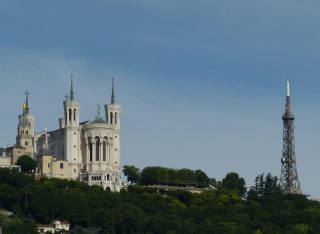
- Basilique Notre-Dame de Fourvière - The hilltop basilica overlooking Lyon, offering panoramic views and accessible by funicular from the old town.
- Place Bellecour - The vast central square on the Presqu'île, a major transport hub and meeting point just across the Saône.
- Musée Gadagne - A museum of Lyon history and puppetry housed in a Renaissance mansion right in Vieux Lyon.
- Presqu’île Shopping Streets - Rue de la République and surrounding streets, packed with shops, cafés and theatres a short walk across the river.
- Saône River Quays - Scenic riverside promenades ideal for strolls, cycling and boat trips, with beautiful views back towards Vieux Lyon and Fourvière.
The Vieux Lyon appears in our Complete Guide to Visiting Lyon!

Moira & Andy
Hey! We're Moira & Andy. From hiking the Camino to trips around Europe in Bert our campervan — we've been traveling together since retirement in 2020!
This website uses affiliate links which may earn a commission at no additional cost to you!
Planning Your Visit
The neighbourhood is always accessible, but shops, museums and traboules follow varying daily schedules.
Free to wander the streets and traboules; individual museums and attractions charge their own entry fees.
Nearby Attractions
- La Tour Rose (The Pink Tower) (0.1) km
Historic Building and Tower - Musée Gadagne (0.1) km
Museum - Cour d’Appel (0.1) km
Historic Building - Longue Traboule (0.1) km
Historic Building - Miniature and Cinema Museum (0.1) km
Museum - Place de la Basoche (0.2) km
Square - Maison du Chamarier (0.2) km
Historic Building - Place du Change (0.2) km
Square - Cathédrale Saint-Jean (0.2) km
Cathedral - Saône River (0.3) km
River