Via Corrado Nicolaci, Noto
Historic Site, Monument and Street in Noto
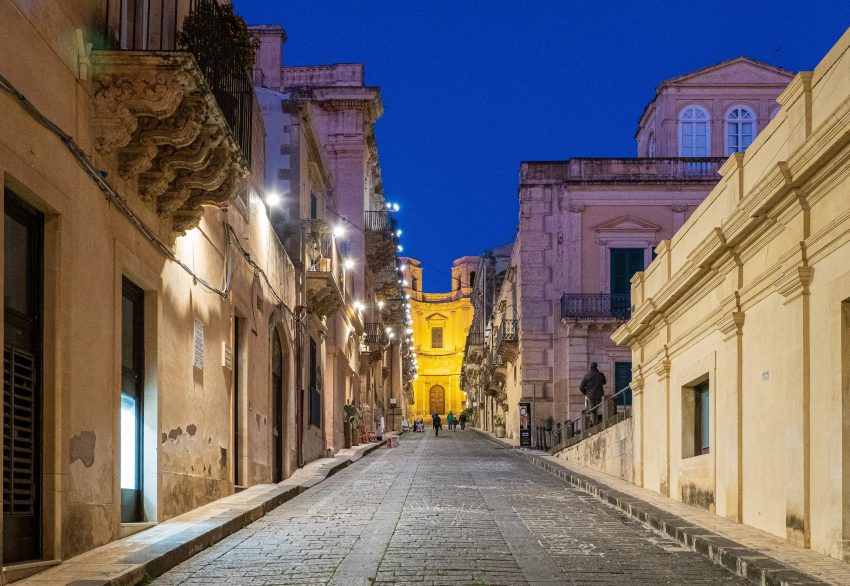
Via Corrado Nicolaci is Noto's most iconic Baroque street: a short, sloping lane in the historic center lined with noble palaces and some of the most theatrical stone balconies in Sicily. Even if you only have a few hours in town, this is the street that instantly explains why Noto is so beloved for its honey-colored architecture and cinematic atmosphere.
It's also the stage for the Infiorata, when the roadway becomes a giant “carpet” of flower-petal mosaics. The easiest way to experience it is on a walking tour that links the Cathedral area, the main corso, and the surrounding lanes; for the best views, linger near the upper end of the street and look down the slope to take in the full Baroque backdrop.
Table of Contents
- History and Significance of the Via Corrado Nicolaci
- Things to See and Do in the Via Corrado Nicolaci
- How to Get to the Via Corrado Nicolaci
- Practical Tips on Visiting the Via Corrado Nicolaci
- Where to Stay Close to the Via Corrado Nicolaci
- Is the Via Corrado Nicolaci Worth Visiting?
- For Different Travelers
- FAQs for Visiting Via Corrado Nicolaci
- Nearby Attractions to the Via Corrado Nicolaci
History and Significance of the Via Corrado Nicolaci
Via Corrado Nicolaci is closely tied to Noto's post-earthquake rebirth and the city's rise as a masterpiece of Sicilian Baroque. The street's grand residences reflect the wealth and social status of aristocratic families who shaped the look and feel of the rebuilt town, investing in elaborate façades, portals, and balconies meant to impress.
What makes the street especially significant today is how architecture and living tradition meet here. During the Infiorata, the same stonework that dazzles year-round becomes the dramatic frame for ephemeral floral art, turning a beautiful street into a cultural event that draws visitors from across Italy and beyond.
Beyond the festival, Via Corrado Nicolaci has become a symbol of Noto's identity: refined, walkable, and intensely visual. It's a place where you can read the city's history in carved details—grotesque faces, scrolling brackets, and ornamental ironwork—while also feeling the everyday rhythm of a small Sicilian town.
Things to See and Do in the Via Corrado Nicolaci
Start by slowing down and looking up. The headline attraction here is the series of exuberant Baroque balconies—some supported by sculpted figures and fantastical faces—that reward a careful, unhurried stroll. Morning and late afternoon light tends to bring out the warm tones of the stone and the depth of the carvings.
If you’re visiting during Infiorata season, the “must-do” is to view the floral panels from the designated route and vantage points so you can appreciate the full composition from above, not just the details at street level. Outside festival days, the street is still a highlight for photography, architecture spotting, and simply enjoying the quiet elegance of Noto’s historic center.
Pair Via Corrado Nicolaci with nearby landmarks on foot: it's easy to fold into a compact walking loop that includes the Cathedral area, small churches, and scenic viewpoints over rooftops. If you like context, consider a guided walk focused on Baroque symbolism and urban planning—it makes the decorative details far more meaningful.
How to Get to the Via Corrado Nicolaci
The nearest major airports are Catania–Fontanarossa (CTA) and Comiso (CIY), with additional options via Palermo (PMO) if you're building a longer Sicily itinerary. For the best deals and a seamless booking experience, check out these flights to Noto on Booking.com.
To reach Noto by rail, you can take a train toward the Noto station (often via Syracuse/Siracusa depending on your route), then continue on foot or by local taxi into the historic center.Use Omnio to easily compare schedules, book train tickets, and find the best prices all in one place for a hassle-free journey across Italy.
Driving is one of the simplest ways to combine Noto with beaches and nearby Baroque towns; aim for parking outside the tight historic core and walk in to avoid ZTL restrictions and narrow lanes.If you are looking to rent a car in Italy I recommend having a look at Discover Cars, first, as they compare prices and review multiple car rental agencies for you.
Practical Tips on Visiting the Via Corrado Nicolaci
- Entrance fee: Free.
- Opening hours: 24 Hours.
- Best time to visit: Go early morning for quieter photos and cooler temperatures, or late afternoon for golden light on the limestone façades.
- How long to spend: Plan 20–40 minutes for a relaxed stroll and photos; add 1–2 hours if you’re pairing it with nearby churches, viewpoints, and a café stop.
- Accessibility: The street is sloped and paved, so it can feel uneven underfoot; comfortable shoes help, and wheel users may prefer approaching from the upper end for an easier descent.
- Facilities: There are plenty of cafés, gelaterias, and restrooms in the broader historic center, but services directly on the street itself can be limited depending on season and time of day.
Where to Stay Close to the Via Corrado Nicolaci
Base yourself in Noto’s historic center for the easiest early-morning strolls, the best evening atmosphere, and the most convenient access to Baroque sights on foot.
For a classic, walk-everywhere stay, choose a hotel within a few minutes of the Cathedral and Corso Vittorio Emanuele—this keeps Via Corrado Nicolaci close for sunrise photos and makes it easy to pop back for a rest. Here are five strong options that work well for different travel styles, all within easy reach of the old town's main sights.
Gagliardi Boutique Hotel A polished boutique choice with a central location that's ideal for walking to Via Corrado Nicolaci at off-peak hours.
Hotel Porta Reale A reliable, well-located base right on the main corso, great if you want straightforward comfort and quick access to restaurants and sights.
La Dépendance A smaller, intimate-feeling option that suits travelers who like a quieter stay while remaining close to the historic core.
Seven Rooms Villadorata A character-rich stay that leans into Noto’s Baroque mood—ideal if atmosphere and design are part of the trip.
Q92 Noto Hotel A modern, stylish pick for travelers who want contemporary comfort while still being able to walk to the city’s landmark streets.
Is the Via Corrado Nicolaci Worth Visiting?
Yes—Via Corrado Nicolaci is absolutely worth visiting, even if you're only in Noto for a short stop. It concentrates the city's most memorable Baroque details into a single, easy walk, and it's one of those places where the “wow” factor is immediate without needing a museum ticket or a long detour.
Honest Pivot: if you’re not interested in architecture, photography, or strolling historic streets, you may find it too brief to justify going out of your way. In that case, focus your time on a beach day nearby or choose one major interior site (like a cathedral or museum) where the experience is more structured.
For Different Travelers
Via Corrado Nicolaci works well because it's flexible: you can treat it as a quick photo stop, a slow architectural deep-dive, or a key waypoint on a longer walking route through Noto. Your best experience depends mostly on timing—quiet hours versus peak crowds—and whether you're visiting during the Infiorata.
Families with Kids
For families, the street is a short, manageable walk with lots of visual “spot-the-detail” fun in the balcony carvings. It’s easy to turn it into a mini scavenger hunt: faces, animals, and unusual stone figures.
If you’re visiting during Infiorata, plan breaks and keep expectations realistic about crowds. A short visit at a quieter time can feel more enjoyable than trying to linger when the street is busy.
Couples & Romantic Getaways
Couples will love Via Corrado Nicolaci for its golden-hour glow and the feeling of being inside a Baroque film set. It's an easy win for romantic photos without needing a big plan.
For an extra-special moment, pair the stroll with an aperitivo nearby and return after dinner for a calmer, more atmospheric walk. The street’s lighting and quiet corners can feel especially intimate in the evening.
Budget Travelers
Budget travelers get excellent value here because the core experience is simply walking and looking. You can enjoy one of Noto’s most famous streets without committing to paid attractions.
To keep costs low, visit early, bring water in warmer months, and build a self-guided loop through the historic center. If you’re in town for Infiorata days, budget for any event-specific ticketing that may apply.
History Buffs
History buffs will appreciate how the street reflects Noto’s Baroque planning and aristocratic culture, with architecture designed to communicate power and taste. The decorative choices aren’t random—they’re a visual language.
To deepen the visit, consider a guided walk that explains the symbolism and the city’s reconstruction story. Even a short tour can turn “pretty balconies” into a richer narrative about Sicily’s art and society.
FAQs for Visiting Via Corrado Nicolaci
Getting There
Tickets & Entry
Visiting Experience
Tours, Context & Itineraries
Photography
Accessibility & Facilities
Food & Breaks Nearby
Safety & Timing
Nearby Attractions to the Via Corrado Nicolaci
- Noto Cathedral (Cattedrale di San Nicolò): The city's centerpiece, with a grand façade and a lively square that anchors most walking routes.
- Corso Vittorio Emanuele: Noto’s main promenade for Baroque façades, cafés, and an easy, scenic stroll through the historic center.
- Church of San Carlo al Corso: A popular stop for views, often visited for its position along the main street and its architectural details.
- Palazzo Ducezio (Town Hall): An elegant civic building facing the cathedral square, ideal for appreciating Noto’s planned Baroque layout.
- Porta Reale (Royal Gate): A landmark entrance to the historic center and a classic photo stop when exploring on foot.
The Via Corrado Nicolaci appears in our Complete Guide to Visiting Noto!

Moira & Andy
Hey! We're Moira & Andy. From hiking the Camino to trips around Europe in Bert our campervan — we've been traveling together since retirement in 2020!
This website uses affiliate links which may earn a commission at no additional cost to you!
Planning Your Visit
24 Hours.
Free.
Nearby Attractions
- Palazzo Nicolaci (0.0) km
Historic Building, Historic Room and Palace - Church of San Carlo al Corso (0.1) km
Church, Tower and Viewing Point - Noto Cathedral (0.1) km
Cathedral, Historic Building and Religious Building - Ducezio Palace (0.1) km
Historic Building, Palace and Town Hall - Church of San Domenico (0.2) km
Church, Historic Building and Religious Building - Teatro comunale Tina Di Lorenzo (0.2) km
Arts Venue, Historic Building and Theatre - Basilica Santissimo Salvatore (0.2) km
Basilica, Church and Viewing Point - Chiesa di Santa Chiara (0.2) km
Church, Religious Building and Viewing Point - Scalinata Mariannina Coffa (0.2) km
Attraction, Street and Walk - Chiesa di San Francesco d'Assisi all'Immacolata (0.3) km
Church, Historic Site and Religious Building