Trung Hoa Assembly Hall, Hoi An
Historic Building in Hoi An
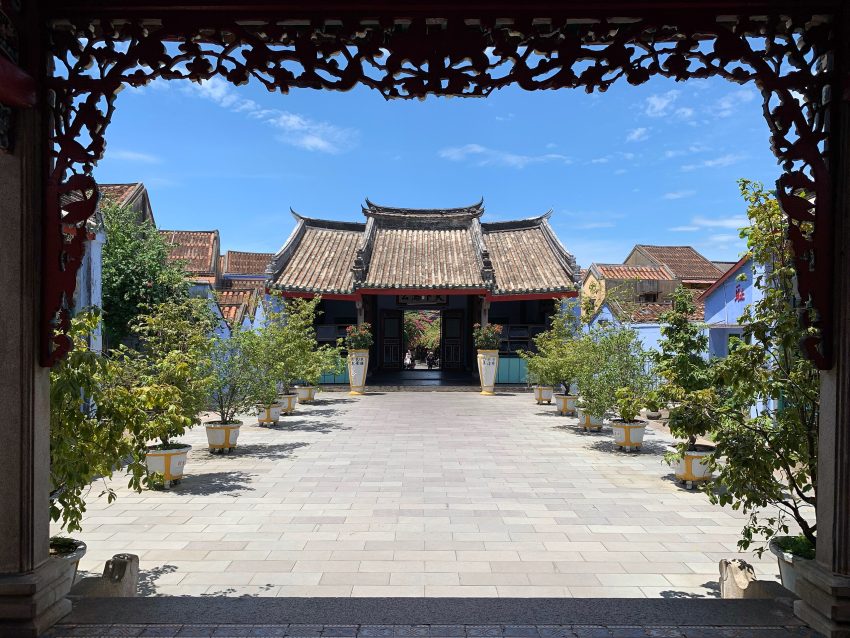
The Trung Hoa Assembly Hall, founded in 1741, is one of the must-see places in Hoi An for travellers interested in the multicultural roots of the Ancient Town. Also known as the Duong Thuong Assembly Hall or Hoa Van Le Nghia, this historic site was created through the combined efforts of the Fujian, Chaozhou, Guangzhou, Hainan, and Hakka groups. Its inclusive purpose sets it apart: unlike other assembly halls dedicated to specific regional origins, this hall welcomed all Chinese communities, strengthening unity and cultural harmony in Hoi An. Its enduring role as a shared spiritual centre makes it a great place to visit on a walking tour of Hoi An.
Dedicated to Mazu, Thien Ly Nhan, and Thuan Phong Nhi-important deities in Chinese belief systems-the hall continues to serve as a place of worship, reflection, and community connection. Visitors are drawn to its sense of cultural continuity and the warm atmosphere created by centuries of shared tradition.
Table of Contents
- History and Significance of Trung Hoa Assembly Hall
- Things to See and Do in Trung Hoa Assembly Hall
- How to Get to Trung Hoa Assembly Hall
- Practical Tips on Visiting Trung Hoa Assembly Hall
- Where to Stay close to Trung Hoa Assembly Hall
- Is Trung Hoa Assembly Hall Worth Visiting?
- FAQs for Visiting Trung Hoa Assembly Hall
- Nearby Attractions to Trung Hoa Assembly Hall
History and Significance of Trung Hoa Assembly Hall
Trung Hoa Assembly Hall was established during Hoi An's peak as a bustling international port, attracting merchants and migrants from across East and Southeast Asia. In 1741, five Chinese groups combined their resources to create a communal gathering place for spiritual practice, cultural events, and mutual support. This tradition of unity set the hall apart from other assembly halls tied to specific regional identities.
The hall’s religious dedication to Mazu-the sea goddess-and her guardians Thien Ly Nhan (Thousand-Mile Eye) and Thuan Phong Nhi (Wind-Following Ear) reflected the maritime livelihoods and sea-bound journeys of Hoi An’s Chinese merchant communities. These deities symbolised protection, guidance, and spiritual clarity for sailors and traders navigating the region’s complex waters.
Today, Trung Hoa Assembly Hall remains a meaningful place of worship and cultural pride. It stands as a testament to Hoi An's long history of inclusivity and cross-cultural exchange.
Things to See and Do in Trung Hoa Assembly Hall
The assembly hall features traditional East Asian architectural elements, including ornate wood carvings, lacquered altars, symbolic motifs, and incense-filled interior spaces. Its harmonious design and spiritual energy make it one of the top attractions in Hoi An for those interested in sacred art and cultural heritage.
Inside, visitors can see altars dedicated to Mazu and her two spiritual guardians. Statues, ceremonial objects, and decorative panels reflect centuries of craftsmanship and religious devotion. The hall’s atmosphere invites quiet reflection, offering a peaceful contrast to the lively streets outside.
Its unique role as a unifying place for different Chinese communities gives the hall added cultural richness. Observing the rituals, offerings, and daily worship habits of locals provides one of the things to do in Hoi An for travellers who appreciate living cultural spaces.
How to Get to Trung Hoa Assembly Hall
Travellers usually arrive in Hoi An via Da Nang International Airport, located around 45 minutes away and offering numerous domestic and international flights. For the best deals and a seamless booking experience, check out these flights to Hoi An on Booking.com.
For those travelling by rail, Da Nang Railway Station is the nearest major stop, with easy onward transport to Hoi An by taxi, shuttle, or bus. Train schedules and bookings can be found on Omio.
Trung Hoa Assembly Hall is located within or near the Ancient Town area, making it easy to reach on foot or by bicycle. Visitors travelling by car must use nearby parking areas before entering the pedestrian-friendly heritage zone.
Practical Tips on Visiting Trung Hoa Assembly Hall
- Suggested tips: Visit during quieter hours to fully appreciate the peaceful ambiance and architectural details.
- Best time to visit: Early morning or late afternoon for soft lighting and fewer visitors.
- Price: Hoi An Old Town Ticket Required (120,000 VND)
- Opening Hours: Typically 8:00–17:00
- How long to spend: Around 20 to 30 minutes allows enough time to explore the interior and shrines.
- Accessibility: Some threshold steps may be present; most areas are easy to navigate.
- Facilities: Basic facilities nearby in the Ancient Town.
- Photography tip: Capture the intricate carvings and altars from multiple angles to highlight depth and detail.
- Guided tours: Some customised heritage tours include this hall for added cultural context.
- Nearby food options: The surrounding streets offer excellent Vietnamese cafés and small eateries.
Where to Stay close to Trung Hoa Assembly Hall
Staying within the Ancient Town offers easy access to Trung Hoa Assembly Hall and other heritage attractions. Consider Vinh Hung Heritage Hotel for a historic atmosphere. Another excellent option is Allegro Hoi An, offering boutique charm and comfort. For river views and convenient access, Little Riverside Hoi An is a stylish choice.
Is Trung Hoa Assembly Hall Worth Visiting?
Yes, Trung Hoa Assembly Hall is worth visiting, especially for travellers interested in Hoi An's multicultural heritage. Its inclusive origins, spiritual significance, and decorative details offer a meaningful cultural experience. As a space where generations of Chinese communities have gathered in unity, it provides a fascinating layer to Hoi An's historical narrative.
What Other Travellers Say...

Chinese Assembly Hall of Hoi An at 64 Trần Phú sits in the centre of the old quarter and is an accessible, free-to-enter temple-like assembly hall noted for its preserved traditional architecture—front hall, main hall and left and right wings—plus a stone-paved courtyard with ornamental plants; visitors highlight its Chinese roots and historical links to trade, intricate roof tiles and carvings, attractive sculptures and art, and ongoing community use, including classes and summer activities that welcome locals and visitors.


FAQs for Visiting Trung Hoa Assembly Hall
Nearby Attractions to Trung Hoa Assembly Hall
- Fujian Assembly Hall: A colourful and vibrant temple dedicated to Thien Hau.
- Cantonese Assembly Hall: A richly decorated hall honouring Quan Cong with striking motifs.
- Japanese Covered Bridge: One of Hoi An's most iconic heritage landmarks.
- Old House of Tan Ky: A beautifully preserved merchant residence reflecting multicultural influences.
- Hoi An Night Market: A lively riverside market full of lanterns, street food, and local crafts.
The Trung Hoa Assembly Hall appears in our Complete Guide to Visiting Hoi An!

Moira & Andy
Hey! We're Moira & Andy. From hiking the Camino to trips around Europe in Bert our campervan — we've been traveling together since retirement in 2020!
This website uses affiliate links which may earn a commission at no additional cost to you!
Planning Your Visit
Typically 8:00-17:00
Hoi An Old Town Ticket Required (120,000 VND)
Nearby Attractions
- Museum of Trade Ceramics (0.1) km
Museum - Fujian Assembly Hall (0.1) km
Historic Building - Quan Cong Temple (0.1) km
Buddhist Temple - Tran Family Chapel (0.2) km
Historic Building - Hainan Assembly Hall (0.2) km
Historic Building - Ancient House of Tan Ky (0.3) km
Historic Building - Duc An Ancient House (0.3) km
Historic Building - Trieu Chau Assembly Hall (0.3) km
Historic Building - Museum of History and Culture (0.3) km
Museum - Ba Mu Temple (0.3) km
Buddhist Temple