Triglav National Park
National Park near Bled
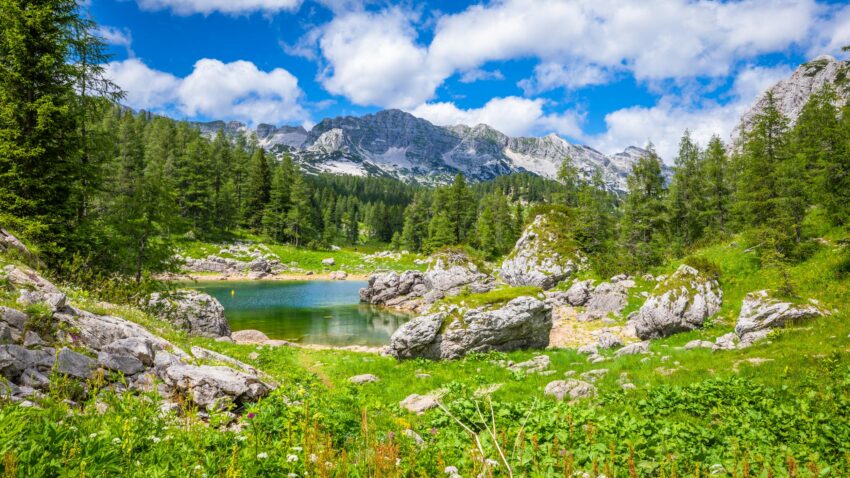
Triglav National Park is Slovenia at its most dramatic and elemental. Spreading across a vast area of the Julian Alps, it is the country's only national park and one of those destinations that feels bigger than any single viewpoint, lake, or mountain hut. You come here for the scale of the landscape: jagged limestone peaks, deep valleys, cold clear rivers, forested plateaus, and some of the most memorable Alpine scenery anywhere in Central Europe.
What makes the park so compelling is that it works on many different levels. You can treat it as a serious hiking and mountain destination, or you can experience it more gently through lakeside walks, scenic drives, river valleys, and traditional villages. Places like Lake Bohinj, the Soča Valley, Pokljuka, and the Trenta area all reveal different sides of the park, which means even first-time visitors can shape a trip around adventure, photography, nature, or simply fresh mountain air.
Table of Contents
- History and Significance of the Triglav National Park
- Things to See and Do in the Triglav National Park
- How to Get to the Triglav National Park
- Practical Tips on Visiting the Triglav National Park
- Where to Stay Close to the Triglav National Park
- Is the Triglav National Park Worth Visiting?
- For Different Travelers
- FAQs for Visiting Triglav National Park
History and Significance of the Triglav National Park
Triglav National Park is not just Slovenia's best-known protected landscape; it is the country's sole national park and one of its most important symbols of national identity. Named after Mount Triglav, Slovenia's highest peak, the park covers 840 square kilometres in the heart of the Julian Alps and protects an extraordinary mix of Alpine ecosystems, waterways, forests, and traditional cultural landscapes. That combination of nature and long-settled mountain life is part of what makes the park feel so distinctive.
Its significance goes beyond scenery. The park preserves habitats for thousands of species, protects fragile high-mountain environments, and safeguards landscapes that are still shaped by pastures, seasonal farming, and small settlements. This is not a remote wilderness sealed off from people, but a living mountain region where conservation and community exist side by side. That balance gives Triglav National Park a depth many national parks lack.
For travelers, that means a visit here carries a certain responsibility. Official park guidance repeatedly emphasizes that visitors are guests, and that respectful behavior matters, whether that means using sustainable transport, staying on marked paths, following water-access rules, or understanding that conditions in the high mountains can change quickly. The park’s value lies not only in what you can see, but in how carefully that environment is being protected.
Things to See and Do in the Triglav National Park
The park offers a remarkable range of experiences, which is why it appeals to both casual visitors and committed hikers. If you want classic scenery without a strenuous day, Lake Bohinj is one of the best starting points, with easy shoreline walks and access to wider mountain views. The Soča Valley adds a very different mood, with bright turquoise water, dramatic gorges, and a more rugged, river-focused landscape, while Pokljuka brings forested highland scenery and gentler access to Alpine nature.
For active travelers, hiking is the defining experience. The park has routes ranging from shorter valley walks to demanding high-mountain trails, and conditions in the upper mountains require real preparation, experience, and respect for weather. This is not a park where every viewpoint is a simple roadside stop, which is part of its appeal; the best moments often feel earned.
There is also plenty to do beyond standard hiking. Depending on location and season, visitors can explore river trails, boat on Lake Bohinj, visit mountain huts, photograph waterfalls and gorges, or simply move through the park slowly by public transport and short walks. The variety is one of Triglav's greatest strengths: it never feels like a single attraction, but rather an entire mountain world with different gateways and different moods.
How to Get to the Triglav National Park
By air, the nearest main airport for most visitors is Ljubljana Jože Pučnik Airport, which gives the most straightforward access to the Julian Alps. From there, you usually continue by rental car or by public transport connections toward gateways such as Bohinj, Bled, Kranjska Gora, or the Soča Valley, depending on which part of the park you want to explore first. For the best deals and a seamless booking experience, check out these flights to Bled on Booking.com.
By train, the park is best approached indirectly rather than by expecting a single central station. Rail can work very well for reaching places such as Bohinjska Bistrica and other edge-of-park access points, after which buses, shuttles, or taxis bridge the final section into valleys, trailheads, and villages. You can easily check schedules and book tickets through the Slovenian Railways. However, for a smoother experience, we recommend using Omio, which simplifies the booking process and lets you compare prices and schedules all in one place.
By bus, public transport is a practical choice in many parts of the park, especially in the warmer months when road pressure rises and sustainable mobility becomes more important. Buses and rail can often make more sense than driving to crowded trailheads.
By car, Triglav National Park gives you the most flexibility, especially if you want to combine multiple valleys or stay in smaller villages, but driving comes with limits. Parking rules are strict in many areas, campervan overnight parking is tightly controlled, and some of the busiest access points can feel crowded in peak season, so a mixed strategy of car plus local transport often works best.
Practical Tips on Visiting the Triglav National Park
- Entrance fee: Free. The park itself has no general entrance fee, although some specific attractions, gorges, guided visits, parking areas, and services within or at the edges of the park may charge separately.
- Opening hours: Daily: Open 24 hours. Visitor centres, mountain huts, and individual attractions inside the park operate on separate seasonal schedules.
- Official website: https://www.tnp.si/en/
- Best time to visit: Late June to September is the classic season for most visitors, especially if hiking is a priority and you want the widest access to trails and mountain huts. Spring and autumn can be beautiful and quieter, but weather is less predictable, while winter brings short days, snow, and much more serious mountain conditions.
- How long to spend: Give yourself at least one full day to get a feel for the park, but two to four days is far better if you want to experience more than one area. This is a large park with very different landscapes, so a rushed visit usually only shows you one small corner of it.
- Accessibility: Accessibility varies enormously depending on where you go. Some lakeside and valley areas are manageable for a broad range of visitors, but many of the park’s signature routes involve uneven ground, altitude, steep paths, and changing weather, so it is important to choose areas carefully.
- Facilities: Facilities are spread across villages, visitor points, trailheads, and mountain huts rather than concentrated in one central visitor complex. You will generally find the best mix of services in gateway areas such as Bohinj, Bled, Kranjska Gora, and the Soča-side settlements.
Where to Stay Close to the Triglav National Park
For a culture-heavy or first-time trip, base yourself around Bohinj or Bled for easy access, services, and classic scenery; if your main priority is hiking depth, river landscapes, or a wilder atmosphere, the Soča-side valleys and Trenta area are often the better fit.
Bohinj is one of the strongest all-round bases because it gives you direct access to Lake Bohinj, good transport options, and an easy introduction to the park without losing the mountain atmosphere. It suits travelers who want scenic variety and a balance between comfort and nature. Hotel Bohinj is a polished option close to the lake, while Hotel Jezero works well if you want a straightforward stay near one of the park’s most iconic access points.
If you want a base with a slightly broader town feel and easier onward transport, Bohinjska Bistrica is practical and well placed. Bohinj ECO Hotel is a sensible choice for travelers who want more facilities and a comfortable launch point for exploring different parts of the park.
Is the Triglav National Park Worth Visiting?
Yes, unequivocally. Triglav National Park is one of the best places in Slovenia and easily one of the most rewarding natural destinations in this part of Europe, especially for travelers who value mountain scenery, active days, and landscapes that still feel genuinely powerful rather than over-curated.
The honest pivot is that it may not suit travelers who want a compact, effortless sightseeing day with everything close together and clearly signposted from one central base. The park rewards planning, flexibility, and a tolerance for changing weather, distance, and terrain, so anyone wanting a simple urban-style day out may prefer Lake Bled or Ljubljana instead.
What Other Travellers Say...
Reviewers consistently describe the area as exceptionally beautiful, clean, and calming, with striking turquoise rivers, gorges, bridges, and plenty of scenic viewpoints. The main routes are generally easy to follow and accessible, though some sections can be steep or narrow and may feel less impressive than the highlights. Practical notes include paid parking and ticketed entry, winter car access restrictions, and potential congestion on narrow roads shared with cyclists and vehicles during peak times.




For Different Travelers
Families with Kids
Triglav National Park can work very well for families, but it pays to choose the right part of it. Lake Bohinj, easier valley walks, short riverside routes, and selected scenic stops are usually a better fit than treating the whole park as a child-friendly hiking playground.
The best family visits here are usually built around one base and one main landscape, rather than trying to cover too much. A relaxed day by the lake, a gentle walk, and time in a village or visitor area often makes for a much better experience than pushing for ambitious mountain routes.
Couples & Romantic Getaways
For couples, Triglav National Park is outstanding because it feels spacious, dramatic, and genuinely immersive. Whether you stay near Bohinj, spend time in the Soča Valley, or find a quieter mountain base, the park has the kind of scenery that naturally slows the pace and makes even simple walks feel special.
It is especially rewarding for couples who prefer nature and atmosphere over formal sightseeing. Early mornings by an Alpine lake, long lunches in mountain villages, and the constant backdrop of peaks and forests give the park a more soulful, less polished kind of romance.
Budget Travelers
Triglav National Park is surprisingly good value because the park itself is free to enter and many of the best experiences involve walking, viewpoints, and time in nature rather than expensive tickets. With some planning, you can build very memorable days here without spending much beyond transport, food, and accommodation.
The biggest budget traps are parking fees, paid attractions within the wider park area, and last-minute transport choices in peak season. Travelers on tighter budgets usually do best by choosing one base, using public transport where practical, and focusing on the park’s free landscapes rather than trying to pay for every add-on.
FAQs for Visiting Triglav National Park
Getting There
Tickets & Entry
Visiting Experience
Tours, Context & Itineraries
Photography
Accessibility & Facilities
Food & Breaks Nearby
Safety & Timing
The Triglav National Park appears in our Complete Guide to Visiting Bled!

Moira & Andy
Hey! We're Moira & Andy. From hiking the Camino to trips around Europe in Bert our campervan — we've been traveling together since retirement in 2020!
This website uses affiliate links which may earn a commission at no additional cost to you!
Planning Your Visit
Daily: Open 24 hours. Visitor centres, mountain huts, and individual attractions inside the park operate on separate seasonal schedules.
Free. The park itself has no general entrance fee, although some specific attractions, gorges, guided visits, parking areas, and services within or at the edges of the park may charge separately.
Nearby Attractions
- Lake Bohinj (8) km
Lake - Kranjska Gora (16) km
Nature Reserve - Poglej Church (21.1) km
Cave - Ojstrica Viewpoint (21.5) km
Viewing Point - Vintgar Gorge (22.4) km
Natural Phenomenon - Bled Island (22.4) km
Island - Lake Bled (22.7) km
Church and Lake - Bled Castle (23.3) km
Castle - Jamnik (32.7) km
Church and Viewing Point - Skofja Loka (43.6) km
Town