Torre dello Standardo, Mdina
Tourist Office and Tower in Mdina
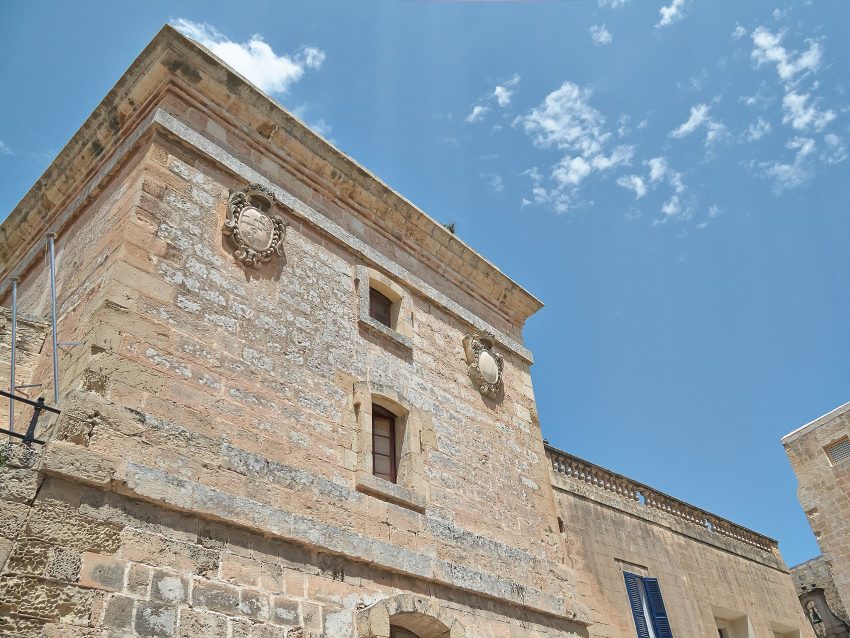
Standing proudly beside Mdina Gate, the Torre dello Standardo is one of the best places to visit in Mdina if you want to understand how this “Silent City” managed both defence and display. Built between 1725 and 1726 by the Order of St John, this limestone tower replaced an earlier medieval watchtower that had been badly damaged in the 1693 Sicily earthquake, transforming a purely functional structure into a Baroque landmark with real visual drama.
Designed by Charles François de Mondion, the French military engineer responsible for Mdina Gate and much of the city's 18th-century facelift, the Torre dello Standardo once carried the standard of the Order and relayed warning signals across the island. Today it welcomes visitors as a tourist information centre and is a highlight of any walking tour of Mdina, offering a tangible link between the city's defensive past and its relaxed present.
Table of Contents
- History and Significance of the Torre dello Standardo
- Things to See and Do in the Torre dello Standardo
- How to Get to the Torre dello Standardo
- Practical Tips on Visiting the Torre dello Standardo
- Where to Stay close to the Torre dello Standardo
- Is the Torre dello Standardo Worth Visiting?
- FAQs for Visiting Torre dello Standardo
- Nearby Attractions to the Torre dello Standardo
History and Significance of the Torre dello Standardo
The story of the Torre dello Standardo begins long before its Baroque façade took shape. Its site was originally occupied by the Torre Mastra, or Torre de la Bandiera, a medieval watchtower that formed part of Mdina's early warning network. From this vantage point, signals could be sent across Malta, alerting coastal and inland communities to approaching threats in an age before telegraphs or radio.
The devastating 1693 Sicily earthquake left Mdina’s fortifications and key buildings badly damaged, including the earlier tower. When Grand Master António Manoel de Vilhena embarked on a major Baroque redesign of the city’s entrance in the 1720s, the tower site was central to his plans. The old structure was demolished in 1725, and de Mondion was commissioned to create a new tower that would pair military strength with architectural elegance-an emblem of a fortified capital entering a new era.
Completed in July 1726, the Torre dello Standardo quickly became both practical and symbolic. It flew the standard of the Order of St John, asserting the Knights' authority, and operated as a key signalling point within Malta's defensive system. Over the centuries, its role evolved-from medieval-style watchtower to early modern communication hub and, later, a landmark that watched new technologies and rulers come and go-all without losing its commanding presence beside the main gate.
Things to See and Do in the Torre dello Standardo
From the outside, the Torre dello Standardo is a classic example of Mdina's Baroque upgrade. Take time to admire its proportions, carved stonework, and the way it visually balances Mdina Gate next door. Together, the gate and tower create a powerful composition that frames your arrival at the Silent City, with the tower rising above the walls like a stone guardian.
As you walk around the base, imagine fires once blazing on the roof and flags snapping in the wind, sending signals across the island. During the Maltese uprising against French occupation in 1798, rebels raised Maltese, Neapolitan, and Portuguese flags here to signal solidarity and defiance-one of several moments when the tower became a silent witness to shifting political tides.
Today, the interior functions as a tourist information centre, offering maps, leaflets, and advice on exploring Mdina and Rabat. Occasionally it hosts small exhibitions or cultural events, turning what was once a purely defensive node into a welcoming first stop for visitors. Even if you only pause briefly, it is worth circling the area between the tower and the gate to appreciate how this cluster of stonework encapsulates both Mdina's military past and its role as Malta's former capital.
How to Get to the Torre dello Standardo
The Torre dello Standardo is located directly beside Mdina Gate at the main entrance to the Silent City, so reaching it starts with travelling to Mdina in central Malta. The nearest international gateway is Malta International Airport near Luqa, about 20-30 minutes away by taxi or car depending on traffic and where you are staying on the island. For the best deals and a seamless booking experience, check out these flights to Mdina on Booking.com.
There is no railway network in Malta, so you will not be arriving by train; instead, frequent bus services connect Valletta, Sliema, St Julian's, and many resort areas with Rabat and Mdina, dropping you just below the city walls and a short walk from the tower and gate.Train schedules and bookings can be found on Omio.
If you are driving, clearly signposted roads lead to Mdina from all corners of Malta, with public car parks located alongside Howard Gardens and below the fortifications. From the car parks or bus stops, simply walk uphill towards Mdina's walls: the Mdina Gate bridge, the gate itself, and the Torre dello Standardo rising beside it will be directly in front of you.
Practical Tips on Visiting the Torre dello Standardo
- Suggested tips: Combine a stop at the Torre dello Standardo with a slow look at Mdina Gate and Howard Gardens below to understand how the entrance area fits together.
- Best time to visit: Early morning or late afternoon provide softer light on the stonework and fewer crowds around the gate, perfect for photos and quiet observation.
- Entrance fee: Free to view from outside
- Opening hours: The exterior can be viewed at any time
- How long to spend: Plan 10-20 minutes to explore the area around the tower and gate, longer if you stop for information, photos, or a short exhibition.
- Accessibility: The surrounding approaches are paved and relatively level, though slightly uphill from the car parks; the immediate area around the tower is among the more accessible spots near Mdina’s entrance.
- Facilities: While the tower itself serves mainly as an information point, toilets, cafés, and shops are located close by around Mdina Gate, in Howard Gardens, and in Rabat.
- Photography tip: Stand back in Howard Gardens or near the car parks to capture the tower and gate together; close-up shots of the stone details and skyline are particularly striking against a clear sky.
- Guided tours: Many guided tours of Mdina begin at or near the Torre dello Standardo, using it as a natural point to introduce the city's Baroque transformation and defensive history.
- Nearby food options: After visiting, head into Rabat for pastizzi and coffee or up through Mdina Gate for cafés and restaurants within the Silent City.
Where to Stay close to the Torre dello Standardo
Staying near the Torre dello Standardo puts you right at Mdina's front door, with both the Silent City and Rabat just steps away. Inside the walls, The Xara Palace Relais & Châteaux offers a luxurious base in a historic palace, only a short walk from the tower and perfectly placed for early-morning or evening strolls through the narrow streets. For a more budget-friendly stay just outside the gate, Point de Vue Guesthouse overlooks the countryside and lies only a few minutes' walk from Mdina Gate, the tower, and Howard Gardens. Another appealing option is Casa Azzopardi Guesthouse, a characterful guesthouse in Rabat that gives you a local neighbourhood feel while keeping the Torre dello Standardo and Mdina's entrance area within easy walking distance.
Is the Torre dello Standardo Worth Visiting?
The Torre dello Standardo is absolutely worth including in your Mdina itinerary, especially if you enjoy places where architecture and storytelling intersect. In a relatively compact space, it encapsulates centuries of change: from medieval signal tower to Baroque showpiece, from rebel flagpole in 1798 to British telegraph hub and, finally, to today's visitor centre. Even if you only view it from outside, its elegant façade, strategic location, and layered history add depth to your understanding of how Mdina functioned as Malta's watchful hilltop capital.
What Other Travellers Say...

Torre dello Standardo in Mdina sits immediately after the city gate and functions as an attractive historic tower with a museum and visitor information; guides are praised as informative, the building is well maintained and hosts cultural events, and visitors recommend enjoying the city's compact, quiet streets, views from the walls, local pubs and glass shops rather than spending on a horse-drawn carriage.


FAQs for Visiting Torre dello Standardo
Nearby Attractions to the Torre dello Standardo
- Mdina Gate: The magnificent Baroque main entrance to the Silent City, with its lion statues, coat of arms, and cinematic presence.
- National Museum of Natural History (Palazzo Vilhena): Just beside the gate, this museum presents fossils, minerals, and habitats inside an 18th-century palace.
- Howard Gardens: The long, leafy park below Mdina's walls, ideal for shaded walks and panoramic views of the bastions.
- Mdina Cathedral (St Paul's Cathedral) and Cathedral Museum: The spiritual heart of the city, combining a richly decorated Baroque church with outstanding collections of sacred art and Dürer prints.
- Domus Romana (Roman Villa Museum): A short walk away in Rabat, showcasing exquisite Roman mosaics and artifacts from an elegant 1st-century BC villa.
The Torre dello Standardo appears in our Complete Guide to Visiting Mdina!

Moira & Andy
Hey! We're Moira & Andy. From hiking the Camino to trips around Europe in Bert our campervan — we've been traveling together since retirement in 2020!
This website uses affiliate links which may earn a commission at no additional cost to you!
Planning Your Visit
The exterior can be viewed at any time
Free to view from outside
Nearby Attractions
- National Museum of Natural History (0.0) km
Museum - Mdina Dungeons (0.0) km
Museum - Mdina Gate (0.0) km
City Gate - Mdina Bastions (0.1) km
City Walls - Mdina Ditch Gardens (0.1) km
Gardens - Mesquita Square (0.1) km
Square - Mdina Cathedral Museum (0.1) km
Museum - Howard Gardens (0.2) km
Gardens - Saint Sofia Palace (0.2) km
Palace - Gourgion House (0.2) km
Historic Building