The Styrian Folklore Museum, Graz
Museum in Graz
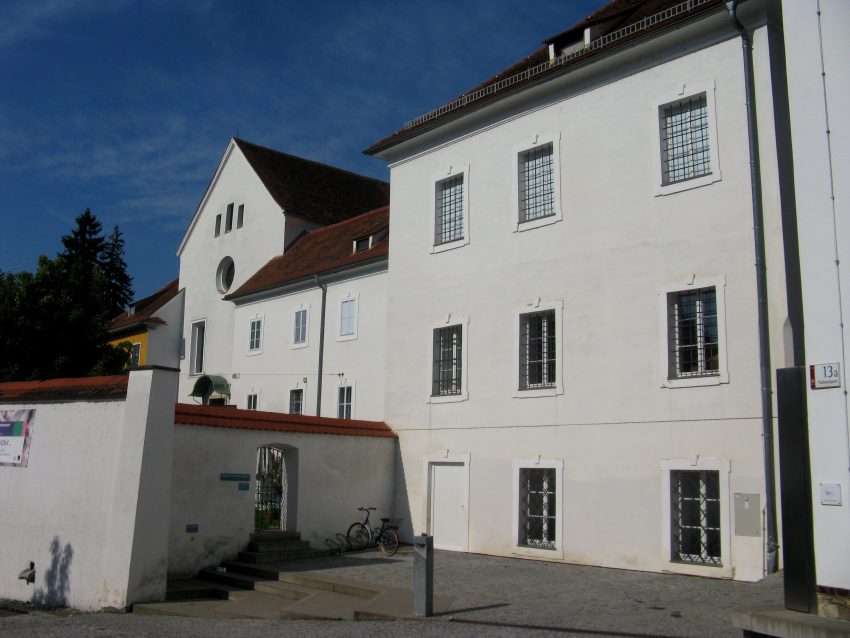
The Styrian Folklore Museum (often referred to as the Folk Life Museum) sits by the Paulustor city gate in Graz, in a historic complex that makes the visit feel atmospheric before you even step into the galleries. It's a focused museum about how people in Styria lived, worked, celebrated, and adapted through social and cultural change, told through objects, rooms, and themed displays.
Because it's close to Graz's Old Town sights, it fits naturally into a walking tour: pair it with a stroll through the historic center, a loop up toward Schlossberg viewpoints, and a coffee stop nearby. If you like museums that reward slow looking and small details, this is one of the best places in Graz to get context for the region beyond the headline attractions.
Table of Contents
- History and Significance of the The Styrian Folklore Museum
- Things to See and Do in the The Styrian Folklore Museum
- How to Get to the The Styrian Folklore Museum
- Practical Tips on Visiting the The Styrian Folklore Museum
- Where to Stay Close to the The Styrian Folklore Museum
- Is the The Styrian Folklore Museum Worth Visiting?
- For Different Travelers
- FAQs for Visiting The Styrian Folklore Museum
- Nearby Attractions to the The Styrian Folklore Museum
History and Significance of the The Styrian Folklore Museum
The Styrian Folklore Museum was founded in 1913 and developed as part of the wider Universalmuseum Joanneum network, with a mission to document and interpret Styrian folk culture. Rather than focusing on a single era, it follows everyday life across time, showing how traditions persist, evolve, or disappear as society changes.
What makes it significant is its emphasis on lived experience: domestic routines, work, belief, community life, and the practical objects that shaped them. It’s not just “old things in cases” but a lens into how identity is built through habits, materials, and shared rituals.
The setting near the Paulustor also matters. Graz is a city where layers of history sit close together, and this museum complements the grander narratives (palaces, armories, imperial architecture) with the human-scale story of ordinary life in Styria.
Things to See and Do in the The Styrian Folklore Museum
Start by taking a slow first lap to understand the museum’s themes, then go back and choose one or two sections to read more deeply. The strongest moments tend to be where objects are grouped to show change over time, helping you connect older traditions to modern life in the region.
Look for displays that highlight craft, household organization, and the social meaning of everyday items. Even if you’re not a “folklore person,” the museum is good at turning small artifacts into bigger stories about communication, mobility, work, and community.
If you enjoy a more guided experience, consider aligning your visit with a scheduled program or booking a guided tour for deeper context. It's also a great “bridge museum” between bigger stops: do this before the Styrian Armoury or after Schlossberg to balance your day with something quieter and more reflective.
How to Get to the The Styrian Folklore Museum
The nearest major airport is Graz Airport (GRZ); Vienna International Airport (VIE) is a common alternative for more flight options, with onward travel to Graz. For the best deals and a seamless booking experience, check out these flights to Graz on Booking.com.
Graz Hauptbahnhof (main train station) has frequent connections from Vienna and other Austrian cities, and from there you can continue by tram, bus, taxi, or a short rideshare to the Paulustor area. You can easily check timetables and book train tickets through the ÖBB (Austrian Federal Railways) website. However, for a smoother experience, we recommend using Omio, which simplifies the booking process and lets you compare routes, prices, and departure times all in one place..
If you’re driving, aim for a central garage and continue on foot, since the Old Town area is easiest to explore as a walk-first zone and traffic/parking can be restrictive near the center. If you are looking to rent a car in Austria I recommend having a look at Discover Cars, first, as they compare prices and review multiple car rental agencies for you.
Practical Tips on Visiting the The Styrian Folklore Museum
- Official website: https://www.museum-joanneum.at/en/folk-life-museum
- Entrance fee: Adults: €11; Seniors, people with disabilities, groups (12+): €9; Ages 6–18: €2.50; Under 6: free.
- Opening hours: Wednesday – Sunday: 10:00–18:00. Closed on Monday, Tuesday.
- Best time to visit: Go earlier in the day for a calmer, more contemplative visit, especially if you like reading labels and taking your time. Weekdays tend to feel quieter than weekends and public holidays.
- How long to spend: Plan 60–90 minutes for a satisfying visit, or up to 2 hours if you like to read closely and revisit sections. It’s an easy add-on to a half-day Old Town walk.
- Accessibility: Expect an older historic setting; step-free access may be limited in parts, so it’s worth checking ahead if you need barrier-free routes. Staff can often advise the easiest entry and elevator/accessible paths where available.
- Facilities: You’ll typically find basic visitor amenities like restrooms and a place to orient yourself at the entrance; for a longer break, plan on using nearby cafés in the Old Town area.
Where to Stay Close to the The Styrian Folklore Museum
Base yourself in Graz’s Old Town (Innere Stadt) for the easiest walkable access to the museum, major sights, and evening dining.
Grand Hôtel Wiesler A stylish, design-forward classic near the Mur river that's great if you want character, a lively atmosphere, and quick access to both the Old Town and modern Graz.
Hotel Weitzer Graz A dependable, comfortable choice with a central location that works well for travelers who want straightforward convenience and easy transit links.
Schlossberghotel A boutique-feeling stay close to Schlossberg, ideal if you want a quieter, more refined base while still being steps from the historic center.
NH Graz City A practical pick right in the center, especially good for short stays where you want to maximize walking time and minimize logistics.
Hotel Daniel Graz Best for train travelers: it's right by Graz Hauptbahnhof, making day trips easy while still keeping you a quick tram ride from the museum and Old Town.
Is the The Styrian Folklore Museum Worth Visiting?
Yes, if you're curious about how a region's identity shows up in daily life, not just in monuments. It's compact but content-rich, and it adds meaning to everything else you'll see in Graz by giving you the “people story” behind the city's grander architecture and institutions.
Honest Pivot: if you strongly prefer blockbuster art, big spectacle, or highly interactive exhibits, you might find it quieter and more text-and-object focused than you'd like. In that case, prioritize Schlossberg viewpoints, Kunsthaus Graz, or the Styrian Armoury and treat this museum as an optional deep-dive.
For Different Travelers
The Styrian Folklore Museum works best for travelers who enjoy context and storytelling. It's a calm, indoor stop that can balance a day of walking, and it's especially rewarding if you like noticing details and connecting them to place.
Families with Kids
For families, the museum can be a good short visit if your kids enjoy “real objects” and imagining how people lived. Keep the pace brisk and choose a few themes to focus on rather than trying to see everything.
Pair it with an outdoor break afterward, like a walk toward Schlossberg or a stop for pastries, so the day doesn't become museum-heavy. If your children prefer hands-on exhibits, consider mixing this with a more interactive attraction elsewhere in Graz.
Couples & Romantic Getaways
Couples who like slow travel will appreciate the museum’s intimate scale and the way it encourages conversation about traditions, home life, and how places change. It’s an easy, low-stress stop between scenic walks and long meals.
Make it part of a “Graz layers” itinerary: Old Town stroll, museum visit, then sunset views from Schlossberg. The nearby streets also make it easy to turn the visit into a relaxed, wandering afternoon.
Budget Travelers
Budget travelers will like that it’s a focused museum you can do thoroughly without needing a full day. It’s also well placed for exploring the city on foot, which helps keep transit costs down.
If you’re planning multiple museums, look into multi-entry or time-based tickets that cover several Universalmuseum Joanneum sites so you can bundle value. Build your day around free walking routes in the center and use the museum as your one paid “anchor” stop.
History Buffs
History buffs should treat this as social history: the texture of life that standard timelines often skip. It complements Graz’s political and military narratives by showing what life looked like at home, at work, and in community settings.
To deepen the context, pair it with the Styrian Armoury (for state power and defense) or a city-history museum (for urban development). The contrast makes both experiences stronger.
FAQs for Visiting The Styrian Folklore Museum
Getting There
Tickets & Entry
Visiting Experience
Tours, Context & Itineraries
Photography
Accessibility & Facilities
Food & Breaks Nearby
Safety & Timing
Nearby Attractions to the The Styrian Folklore Museum
- Paulustor: Graz’s historic city gate right by the museum, great for a quick photo and a sense of the city’s old defenses.
- Schlossberg: The hilltop landmark with paths and viewpoints that deliver some of the best panoramas over Graz.
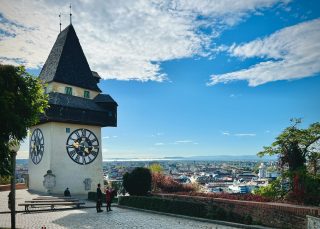
- Uhrturm (Clock Tower): The iconic symbol of Graz, best visited as part of a Schlossberg walk.
- Hauptplatz (Main Square): The lively central square that anchors Old Town wandering, markets, and people-watching.
- Styrian Armoury (Landeszeughaus): A standout museum for military history with an unforgettable display of historic arms and armor.
The The Styrian Folklore Museum appears in our Complete Guide to Visiting Graz!

Moira & Andy
Hey! We're Moira & Andy. From hiking the Camino to trips around Europe in Bert our campervan — we've been traveling together since retirement in 2020!
This website uses affiliate links which may earn a commission at no additional cost to you!
Planning Your Visit
Wednesday - Sunday: 10:00-18:00.
Closed on Monday, Tuesday.
Adults: €11; Seniors, people with disabilities, groups (12+): €9; Ages 6-18: €2.50; Under 6: free.
Nearby Attractions
- Sporgasse (0.2) km
Area and Street - Uhrturm (0.2) km
Monument, Tower and Viewing Point - Schlossberg (0.3) km
Mountain, Park and Viewing Point - Diocese Museum (0.3) km
Gallery, Museum and Religious Building - Cathedral of St. Giles (0.3) km
Cathedral, Church and Religious Building - Schlossbergbahn (0.4) km
- City Museum (0.4) km
Attraction and Museum - Grazer Burg (0.4) km
Castle, Courtyard and Historic Building - Dreifaltigkeitskirche (0.4) km
Church and Religious Building - Burgtor (0.4) km
City Gate